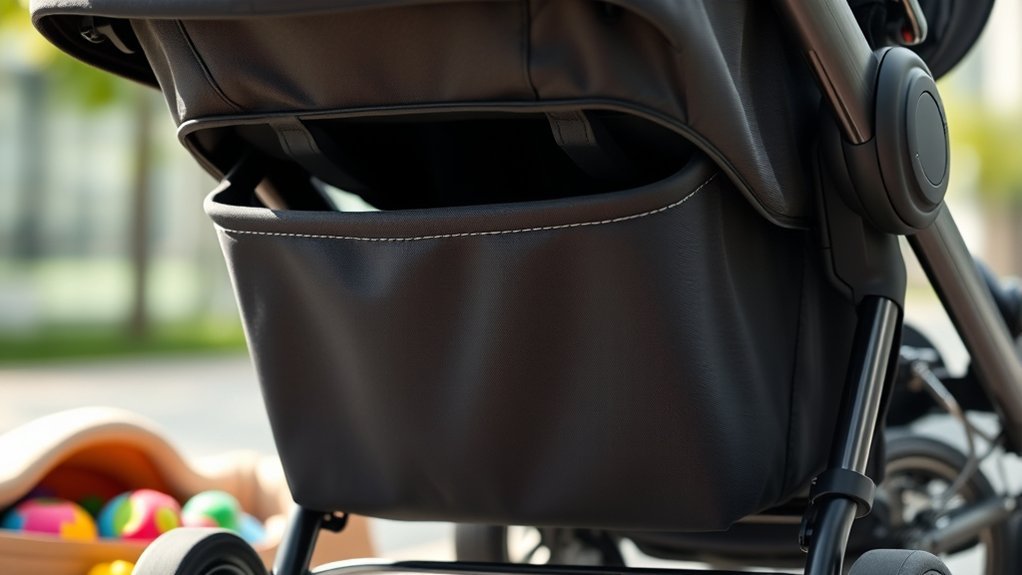
Stroller frame materials directly dictate a stroller’s weight, structural safety, maneuverability, and long-term durability. Whether navigating city curbs, lifting a folded chassis into a car trunk, or pushing twins up an incline, the metal or composite underlying your stroller’s chassis determines your daily experience as a caregiver. Understanding how aircraft-grade aluminum, high-tensile steel, carbon fiber composites, and magnesium alloys perform under daily stress helps parents choose the optimal balance of portability, strength, and long-term value for their family’s lifestyle.
Quick Answer
Aluminum frames offer the ideal balance of light weight, rust resistance, and affordability for most families. Steel provides superior stability and weight capacity for budget or double strollers, while carbon fiber delivers luxury strength and vibration dampening at a higher price. For daily travel and active use, prioritize anodized aluminum or magnesium alloys tested to ASTM F833 structural standards.
Key Takeaways
- Aluminum is the Everyday Standard: Weighs ~30% less than steel, naturally resists corrosion, and fits active, on-the-go lifestyles.
- Steel Delivers Maximum Stability: Excellent load capacity for heavy-duty or multi-child strollers, but requires protective coatings to prevent rust.
- Carbon Fiber Offers Ultra-Light Luxury: Provides exceptional strength-to-weight ratios and road-vibration absorption at a premium cost.
- Magnesium & Composites Fill Modern Niches: Magnesium provides ultra-lightweight frame rigidity, while engineering polymers reduce weight in compact travel strollers.
- Verify True Frame Safety Standards: Look for CPSC compliance, ASTM F833 structural load testing, and GREENGUARD Gold non-toxic finish certifications.
Importance of Stroller Frame Materials

When selecting a stroller, the structural material of the chassis is one of the most critical decisions you will make. The frame acts as the spine of the stroller, bearing the combined weight of your growing child, diaper bags, and onboard accessories while absorbing impact from uneven sidewalks and cobblestones.
Lightweight options like anodized aluminum or carbon fiber enhance agility, making quick pivots and one-handed steering effortless for parents in urban settings. High-tensile steel frames, while heavier, provide a lower center of gravity and high weight thresholds that suit multi-child tandem strollers or budget-friendly daily options.
Caregivers must also consider non-toxic surface treatments and environmental standards. While stroller fabrics are evaluated by certifications like OEKO-TEX Standard 100 or GOTS, metal and composite frames should feature lead-free powder coatings or anodized finishes certified under low chemical emission standards like UL GREENGUARD Gold.
Aluminum Frames: The Lightweight Workhorse

Aluminum frames are the industry benchmark for modern stroller manufacturing. By utilizing specialized aluminum alloys (such as 6061-T6 aircraft-grade aluminum), manufacturers create sturdy chassis architectures that withstand daily folding, unfolding, and curb mounting without adding unnecessary bulk.
Lightweight and Portable Benefits
Aluminum frame strollers excel in overall weight reduction, weighing roughly 30% less than equivalent steel-framed models. This mass reduction makes lifting a folded stroller into a car trunk or carrying it up subway stairs significantly easier.
Engineered aluminum chassis designs support weight capacities up to 50 pounds (22.6 kg) per seat while remaining flexible enough to absorb frame flex during cornering. This balance allows manufacturers to integrate quick, one-handed folding mechanisms ideal for travel.
Durability and Corrosion Resistance
Unlike raw steel, aluminum naturally forms a protective oxide layer when exposed to air, giving it inherent rust and corrosion resistance. Anodized aluminum frames undergo an electrochemical process that thickens this surface layer, resisting scratches and moisture damage during outdoor rainy walks or trips to salty coastal air environments.
| Frame Feature | Aluminum Frames | Steel Frames |
| Relative Weight | Lightweight (~13–22 lbs) | Heavier (~24–35+ lbs) |
| Corrosion Resistance | High (Natural Oxide / Anodized) | Moderate to Low (Requires Paint/Coating) |
| Frame Maintenance | Minimal (Wipe clean, lubricate joints) | Moderate (Inspect for paint chips & rust) |
| Average Cost Tier | Mid-Range to High-End | Budget-Friendly to Mid-Range |
Ideal for Active Lifestyles
For parents navigating public transit, running errands, or traveling frequently, aluminum strollers provide high maneuverability without straining arms or shoulders. Because aluminum is easily extruded into custom geometric shapes, manufacturers can optimize frame aerodynamics and weight distribution for jogging and umbrella stroller models.
Pro Tip: When inspecting an aluminum stroller, look for anodized or powder-coated finishes rather than raw polished metal. Anodized aluminum resists scratching and prevents gray metal oxidation from rubbing off on your hands or diaper bag fabrics during folding.
Steel Frames: Built for Durability

Steel remains a foundational material in stroller engineering, valued for its extreme yield strength, structural rigidity, and cost-effective manufacturing processes.
- Heavy-Duty Load Capacity: Steel alloys withstand higher stress forces before bending or warping, making steel ideal for double, tandem, or sit-and-stand strollers carrying multiple growing children.
- Ground Stability: The increased mass of a steel frame creates a lower center of gravity. This added weight helps prevent tipping when heavy gear is stored in the lower basket or when navigating rough, unpaved terrain.
- Budget-Friendly Accessibility: Steel is significantly less expensive to process than specialized aluminum alloys or carbon fiber, making it the primary material choice for budget-conscious stroller models.
- Preventative Maintenance Requirements: Steel is vulnerable to oxidation (rust) if its protective outer paint or powder coating is chipped or exposed to moisture. Regular maintenance is necessary to seal scratches promptly.
Warning: If you live near a coastal region or frequently stroll over salted winter roads, clean steel stroller joints regularly with warm water and dry thoroughly. Unattended salt buildup accelerates rust inside hollow tubular steel frame joints, weakening the structural latch mechanisms over time.
Carbon Fiber Frames: The Premium Option
Carbon fiber represents the cutting edge of luxury stroller design. Composed of woven carbon strands bound within an epoxy resin matrix, carbon fiber provides structural rigidity unmatched by traditional metals.
Lightweight and Strong
Carbon fiber frame strollers offer several distinct performance advantages for discerning caregivers:
- Superior Weight Reduction: Weighs noticeably less than aluminum while delivering double or triple the structural tensile strength.
- High Rigidity: Minimal chassis flex under load ensures that every ounce of pushing force converts directly into forward motion.
- Inherent Corrosion Immunity: Carbon fiber composite materials cannot rust or corrode when exposed to water, rain, or salt.
- Natural Vibration Dampening: The composite matrix absorbs high-frequency micro-vibrations from rough pavement before they travel up the handlebar to your wrists or down to your sleeping infant.
High Cost Consideration
The primary barrier to carbon fiber strollers is production expense. Precision resin molding, manual layup procedures, and high raw material costs limit carbon fiber chassis primarily to premium and luxury stroller tiers. However, carbon fiber models retain exceptionally high resale value on secondary markets and deliver unparalleled ease of handling during travel.
Magnesium Alloys and Composite Materials
In recent years, stroller manufacturers have introduced alternative materials to bridge the performance and cost gaps between aluminum and carbon fiber.
Magnesium Alloy Frames
Magnesium is roughly 33% lighter than aluminum by volume while providing exceptional shock absorption and tensile strength. Eco-conscious manufacturers increasingly utilize pressure die-cast magnesium alloys to create seamless, weld-free stroller frames. Magnesium frames require specialized protective coatings to resist environmental corrosion, but they offer an ultra-lightweight, sleek profile for compact urban travel strollers.
Engineering Polymer Composites
Many modern strollers incorporate glass-reinforced nylon or high-impact polymer composite joints into their metal chassis structures. High-stress points—such as fold hinges, wheel-fork housings, and seat-latch adapters—rely on these heavy-duty engineered plastics to reduce weight while maintaining structural safety compliance under impact tests.
Impact of Material on Stroller Performance
Choosing the right frame material directly influences how a stroller handles during daily activities, from curb pops to long distance walks.
The frame material forms the structural foundation of your stroller—dictating push efficiency, chassis flex, total weight, and how effectively the stroller dampens pavement vibration for your child.
Weight Distribution and Maneuverability
Lightweight aluminum, magnesium, and carbon fiber frames lower the force required to lift the front wheels over curbs (“curb popping”). Heavier steel frames require more leverage at the handlebar, which can contribute to caregiver wrist fatigue over extended outings.
Cost Implications Across Materials
Understanding material cost tiers helps align your choice with your family budget:
- Steel Chassis: Entry-level and budget models ($80–$250). Ideal for secondary strollers or grandparents’ houses.
- Aluminum Chassis: Mid-range to premium daily strollers ($250–$900). The sweet spot for durability, weight, and price.
- Magnesium Alloys: High-performance lightweight travel models ($400–$800).
- Carbon Fiber Chassis: Luxury and ultra-premium travel strollers ($900–$1,800+). Offers peak resale value and minimum weight.
Safety and Non-Toxic Standards
Structural integrity and non-toxic frame finishes are non-negotiable when selecting a juvenile product. Stroller frames sold in North America and Europe must comply with strict mechanical testing standards published by CPSC (16 CFR Part 1227) and ASTM International (ASTM F833), or European standard EN 1888.
| Material / Finish Type | Primary Safety Focus | Recognized Certification Standard |
| Frame Load & Latch Safety | Impact resistance, fold-lock integrity, tip stability | ASTM F833 / CPSC 16 CFR 1227 / EN 1888 |
| Frame Paint & Coatings | Zero lead paint, heavy metals, or toxic chemical off-gassing | UL GREENGUARD Gold / CPSIA Lead-Free Compliance |
| Seat Fabric & Harness | PFAS-free water repellency, hypoallergenic organic textiles | OEKO-TEX Standard 100 / GOTS Certified Organic |
Note: Always verify that your stroller displays a JPMA (Juvenile Products Manufacturers Association) certification seal or official CPSC compliance label on the lower frame tube before purchasing.
Evaluating Stroller Materials for Your Needs
Match your lifestyle requirements to the appropriate frame material using this quick selection framework:
- Choose Aluminum: If you want the best all-around stroller for everyday errands, car transit, and active outdoor walks.
- Choose Steel: If you need a heavy-duty, highly stable double stroller on a strict budget and do not frequently lift the stroller into high vehicles.
- Choose Carbon Fiber or Magnesium: If you travel extensively by airplane, navigate crowded metropolitan transit, or desire an ultra-lightweight luxury push.
Frequently Asked Questions
How do weather conditions affect stroller frame materials?
Moisture, rain, and road salt accelerate corrosion on uncoated steel frames. Anodized aluminum, carbon fiber, and coated magnesium alloys handle wet environments far better, offering high weather resistance and prolonged structural life.
Can stroller frame materials be recycled at the end of their life?
Yes. Aluminum and steel stroller frames are widely recyclable at municipal scrap metal recycling centers once plastic housings and fabric seats are disassembled. Carbon fiber composite frames require specialized industrial fiber-reclamation facilities.
What are the best maintenance practices for stroller frames?
Clean the frame with mild soapy water and a microfiber cloth after outdoor exposure. Regularly inspect rivets and latch joints, apply silicone-based spray lubricant to moving fold hinges, and touch up any chipped paint on steel frames to prevent rust.
How do frame materials impact stroller aesthetics?
Frame materials dictate chassis styling. Anodized aluminum provides matte or metallic metallic finishes, carbon fiber shows a distinctive geometric weave pattern under clear coat, and steel offers smooth powder-coated color options.
Are there eco-friendly stroller frame options available?
Yes. Brands increasingly utilize recycled aluminum alloys, low-energy die-cast magnesium, and bio-based engineering resins to reduce carbon footprints while meeting international juvenile safety standards.
Conclusion
When selecting the ideal stroller, prioritizing frame material ensures your investment aligns with your everyday lifestyle. Aluminum delivers an outstanding blend of lightweight agility and durability for daily family adventures, steel provides unyielding strength and ground stability for heavy-duty requirements, and carbon fiber offers high-end performance with effortless portability. By verifying ASTM and CPSC safety certifications alongside non-toxic frame finishes, you can confidently choose a stroller frame that delivers years of comfortable, safe strolls for you and your child.
Sources
- U.S. Consumer Product Safety Commission (CPSC) — Federal stroller safety guidelines and 16 CFR Part 1227 standard requirements.
- ASTM International — Standard Specification for Carriage and Stroller Safety Performance (ASTM F833).
- American Academy of Pediatrics (HealthyChildren.org) — Stroller structural safety and selection recommendations.
- UL Solutions — GREENGUARD Gold chemical emission standards for juvenile products and frame coatings.