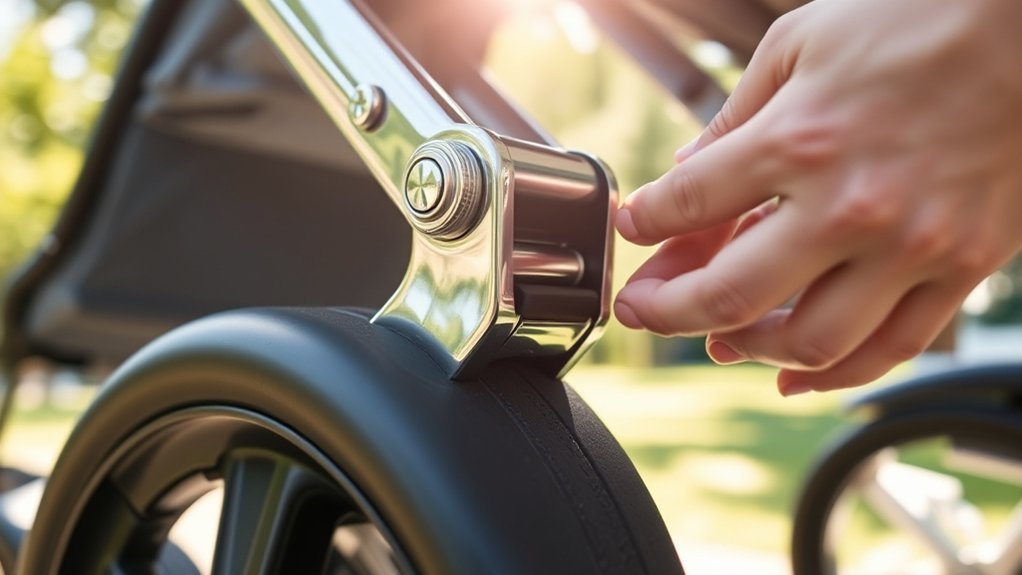
If your stroller lock’s stuck, start by checking for any misalignment, dirt, or debris in the locking mechanism. Clear any obstructions and guarantee the stroller is on a flat surface. You can apply a penetrating lubricant to the lock to break down any buildup. After allowing it to soak in, test the lock’s movement by tugging gently on the handle. Need more tips for a smooth operation? There’s plenty more to explore!
Identifying the Cause of a Stuck Stroller Lock

When you find your stroller lock stuck, it can be frustrating, especially if you’re in a hurry.
To get to the root of the problem, start by checking for lock mechanism issues. Debris or dirt buildup can obstruct the locking system, making it hard to engage or disengage. Moisture exposure might lead to rust, causing the lock to seize. Additionally, misaligned components or damage can hinder smooth operation.
To prevent future lock troubles, embrace stroller maintenance tips like regular cleaning and lubrication of the lock mechanism.
If the lock stays stuck despite your efforts, consult your stroller’s manual for specific guidance or reach out to customer support for help. You deserve a hassle-free stroll!
Initial Troubleshooting Steps
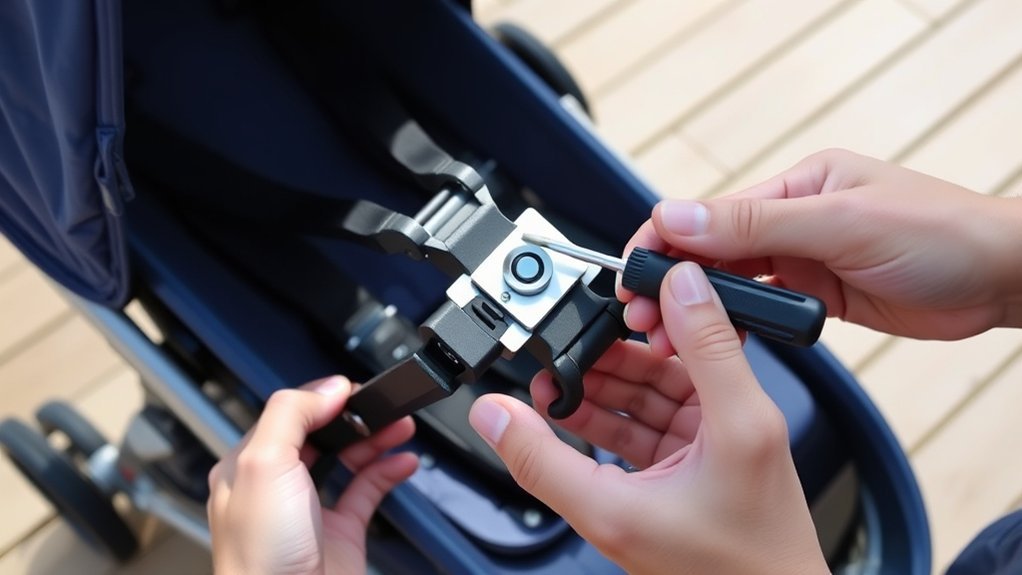
After identifying the potential causes of a stuck stroller lock, it’s time to take some initial troubleshooting steps.
Addressing common stroller issues can often lead to quick fixes. Here’s what you can do:
- Check Lock Engagement: Make certain the lock is properly engaged. Misalignment can make it appear stuck.
- Inspect & Clean: Look for any debris or dirt in the locking mechanism. Clean it out if you find any obstructions.
- Flat Surface: Confirm your stroller is on a flat surface, as uneven ground can affect the lock’s operation.
If the lock still won’t budge, consult your stroller’s manual for specific troubleshooting tips.
These steps can help you regain freedom and enjoy your outings!
Applying Lubricant to the Lock Mechanism
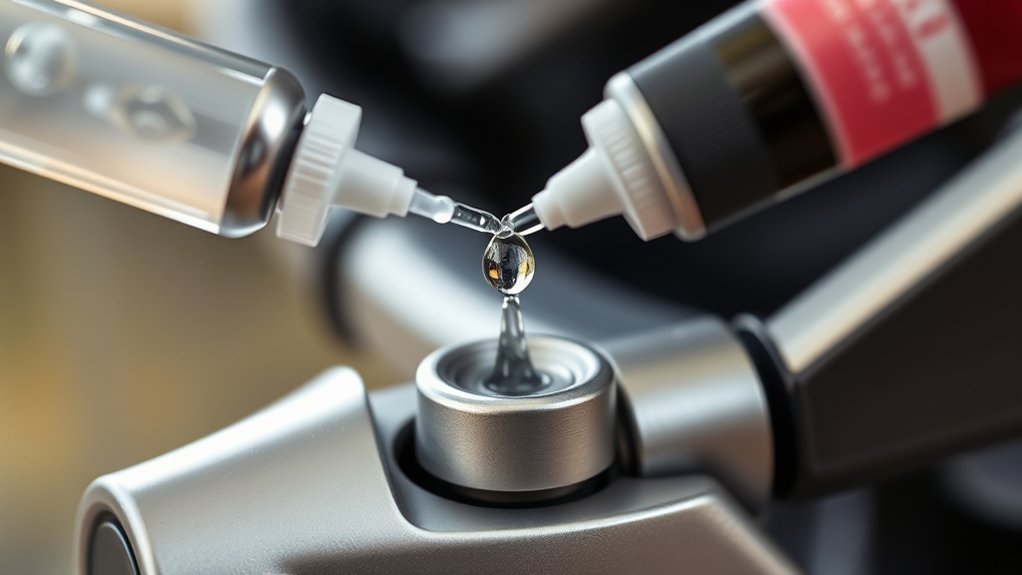
Applying a penetrating lubricant to your stroller’s lock mechanism can be a game-changer when you’re faced with a stubborn lock.
Start by choosing the right lubricant type—look for a penetrating oil designed for metal.
Position the stroller safely to avoid any accidental movement during application.
Spray the lubricant directly into the lock mechanism, ensuring it reaches the stuck components.
Then, use application techniques like gently working the lock back and forth to distribute the oil thoroughly.
Give it a few minutes to penetrate, allowing the lubricant to break down any debris or rust.
Regular maintenance, including this lubrication step, can keep your stroller lock functioning smoothly and prevent future sticking issues, giving you the freedom to move effortlessly.
Testing the Lock After Lubrication
Once you’ve applied the lubricant to your stroller lock, it’s essential to test its functionality to affirm everything is working as it should. Engaging and disengaging the lock several times will help confirm smooth operation.
After lubricating your stroller lock, be sure to test its functionality for smooth operation and security.
Here’s what to do:
- Check for Free Movement: Observe if the lock mechanism moves freely without sticking, confirming effective lubrication.
- Test Security: While the lock is engaged, perform a gentle tug on the stroller handle to verify the locking mechanism is secure.
- Inspect for Issues: If the lock still feels stiff, inspect for additional debris or damage that might be hindering its lock functionality.
Regularly testing the lock after maintenance keeps your stroller reliable and safe for every adventure!
Preventive Maintenance Tips for Stroller Locks
To keep your stroller lock functioning smoothly, you’ll want to establish a regular lubrication schedule.
Inspect the lock mechanism frequently for any dirt or debris that could cause issues down the line.
Taking these simple steps can save you from frustrating lock problems when you need your stroller the most.
Regular Lubrication Schedule
Keeping your stroller locks in top shape is essential for safety and functionality, and a regular lubrication schedule can make all the difference.
By establishing a routine every 2-3 months, you’ll enjoy several lubrication benefits, including preventing rust and ensuring smooth operation.
Here’s a quick checklist to guide you:
- Choose the Right Lubricant: Use a silicone-based lubricant specifically designed for stroller mechanisms to avoid dirt attraction.
- Clean Before Lubricating: Wipe down the lock area to enhance the lubricant’s effectiveness.
- Apply Thoroughly: Directly apply lubricant to moving parts, allowing it to penetrate for peak performance and longevity.
Inspect Lock Mechanism
While using your stroller, it’s easy to forget about the importance of inspecting the lock mechanism, but regular checks can prevent frustrating jams and enhance safety.
Start by examining the lock for any debris or dirt that might cause it to jam. Look for signs of wear or damage to the components—these issues can compromise stroller safety.
Don’t forget to lubricate the lock mechanism with a silicone-based lubricant periodically to keep it functioning smoothly.
Verify your stroller is fully unfolded and correctly positioned before engaging the lock, as misalignment can lead to problems.
After cleaning and lubricating, test the lock to confirm it works well, helping you enjoy carefree outings with your little one.
When to Seek Professional Help
Have you tried everything to fix that stubborn stroller lock but still found it stuck? It might be time to seek professional help.
Here are a few signs of malfunction that indicate you need expert consultation:
- Persistent Lock Issues: If the lock remains stuck after basic troubleshooting, it’s a sign of a deeper mechanical problem.
- Visible Damage: Look for any cracks or misalignments in the locking mechanism that may require specialized tools to repair.
- Warranty Coverage: If your stroller is still under warranty, contacting the manufacturer can help you avoid extra repair costs.
Consulting a professional guarantees your stroller is safe and functional for your little one.
Don’t hesitate to get the peace of mind you deserve!
Frequently Asked Questions
Can I Use WD-40 on My Stroller Lock?
Yes, you can use WD-40 for stroller maintenance on lock mechanisms. Just apply a small amount, let it penetrate, and wipe off excess. This helps keep your stroller functional and makes locking it easier.
What Types of Lubricants Are Safe for Stroller Locks?
Over 70% of stroller users experience lock issues! For smooth operation, try silicone spray or graphite powder. Both lubricants are safe and effective, ensuring your stroller locks work effortlessly when you need them most.
How Often Should I Lubricate My Stroller Lock?
You should lubricate your stroller lock every few months. Regular maintenance keeps the lock mechanism working smoothly. Incorporating these stroller maintenance tips guarantees you enjoy hassle-free outings without worrying about a stuck lock.
Is It Safe to Force the Lock if It’s Stuck?
It’s not safe to force the lock. Imagine a mom struggling with a stuck stroller lock while rushing to catch a bus—proper lock maintenance prevents accidents and guarantees stroller safety. Stay patient and seek solutions instead.
What Should I Do if the Lock Breaks Completely?
If the lock breaks completely, consider exploring replacement options. You can also look into lock repair services. Either way, don’t hesitate to seek help—keeping your stroller functional is key to enjoying your outings!
Conclusion
To summarize, dealing with a stuck stroller lock can feel frustrating, but with the right approach, you can easily fix it. Don’t worry if you think it’s too complicated; even simple troubleshooting steps can make a big difference. Remember, regular maintenance can prevent future issues, keeping your stroller safe and functional. If you still can’t resolve the problem, seeking professional help is always a good option. Your peace of mind and your child’s safety are worth it!







Leave a Reply