If your stroller lock is stuck, do not force it. Take your child out, place the stroller on level ground, and identify whether the problem is the fold latch, frame lock, wheel lock, or parking brake. Clean visible grit, remove pressure from the frame, and check alignment before trying anything else. Stop using the stroller if a frame lock or brake will not engage and hold every time.
Quick Answer
Remove your child, set the stroller on flat ground, identify the stuck lock, and brush away dirt or sand. Release pressure on the frame and try the normal release sequence without force. Use lubricant only when the model manual approves it. If the lock slips, cracks, or will not hold, stop using the stroller.
Key Takeaways
- Keep your child out of the stroller while you inspect or test a stuck lock.
- Check dirt, frame pressure, caught fabric, and alignment before using any lubricant.
- Never force, pry, bypass, or tape a frame lock or parking brake into position.
- Follow the manual for your exact model and check recalls before modifying a safety part.
- If the lock or brake fails any repeat test, stop using the stroller and contact the manufacturer.
At a Glance
| Time Required | About 10 to 20 minutes for inspection, cleaning, and testing |
| Difficulty | Easy for cleaning and alignment checks; professional help may be needed for damaged parts |
| Tools Needed | Model manual, soft brush, clean cloth, cotton swabs, and an optional manual-approved lubricant |
| Cost | Usually no cost for cleaning; replacement parts and authorized service vary by model |
Warning: Do not place your child in a stroller with a frame lock that will not click fully or a parking brake that will not hold. A safety lock that works only sometimes has not passed the test.
Identifying the Cause of a Stuck Stroller Lock
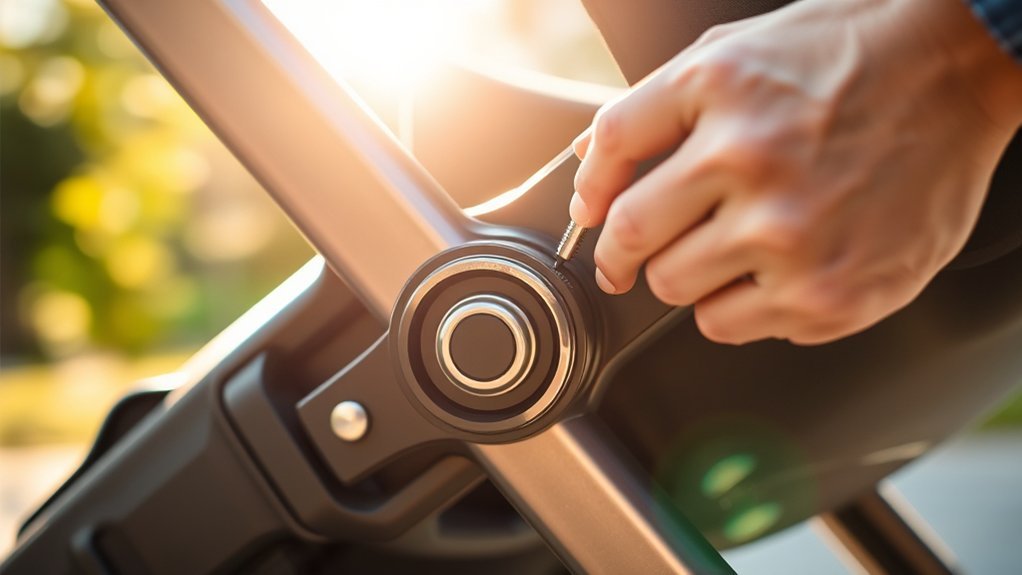
Start by finding the exact part that will not move. A fold latch keeps the stroller closed during storage. A frame lock keeps the stroller fully open during use. A wheel lock or parking brake keeps the stroller from rolling when parked.
The distinction matters because each part can stick for a different reason. A fold latch may jam when the frame is under pressure. A frame lock may miss its catch if the stroller is not fully unfolded. A parking brake may stop moving when dirt, grit, or a damaged brake tooth blocks its normal path.
Match the First Check to the Lock Type
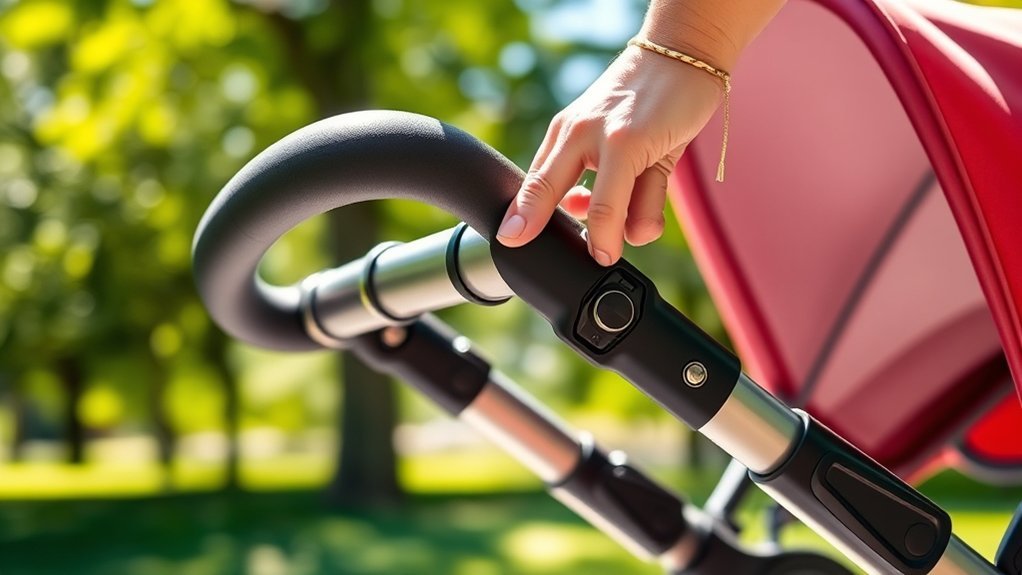
- Fold latch stuck closed: Empty the basket, remove accessories that pull on the frame, and gently shift the folded frame to release pressure while using the normal release control.
- Frame lock will not click open: Place the stroller on flat ground and unfold it exactly as the manual shows. Check for trapped fabric, straps, or a misaligned catch.
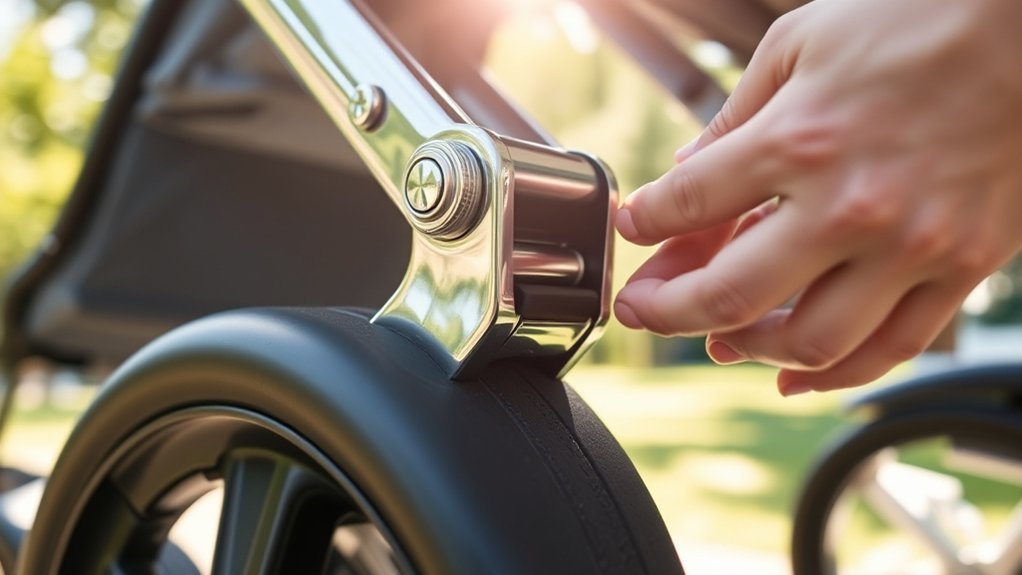
- Parking brake stuck on: Keep the stroller empty, clean around the pedal and brake teeth, and remove wheel pressure only in the way the manual permits.
- Parking brake will not engage: Stop using the stroller for child transport until the brake is inspected. Do not rely on holding the handle as a substitute.
| Likely cause | What you may notice | Safe first action |
|---|---|---|
| Dirt, sand, or crumbs | The lock moves partway, feels gritty, or clicks unevenly | Brush and wipe the area before testing again |
| Frame misalignment | The latch does not line up with its catch | Fully unfold or refold the stroller on level ground |
| Pressure on the fold lock | The latch became stuck after storage or loading the basket | Remove items and gently shift the frame to release tension |
| Dry or corroded metal pivot | A metal part squeaks, resists, or returns slowly | Check the manual before applying anything to the pivot |
| Damaged spring, catch, or brake tooth | The lock feels loose, pops open, or will not hold | Stop using the stroller and contact the manufacturer |
| Recall or product defect | The lock or brake fails despite correct use and cleaning | Check the model and manufacture date against current recalls |
Find the brand, model name, model number, and manufacture date on the stroller label. Then review the manual for that exact model. If the problem involves a frame lock or brake, check the CPSC recalls database and the manufacturer’s recall page before forcing, lubricating, or modifying the part.
Note: A stuck brake can be a product defect rather than a cleaning problem. In a November 7, 2024 recall, CPSC said certain Guava Roam stroller brakes could fail to engage or could unexpectedly disengage. The remedy was to stop using affected strollers and obtain the approved repair.
Initial Troubleshooting Steps
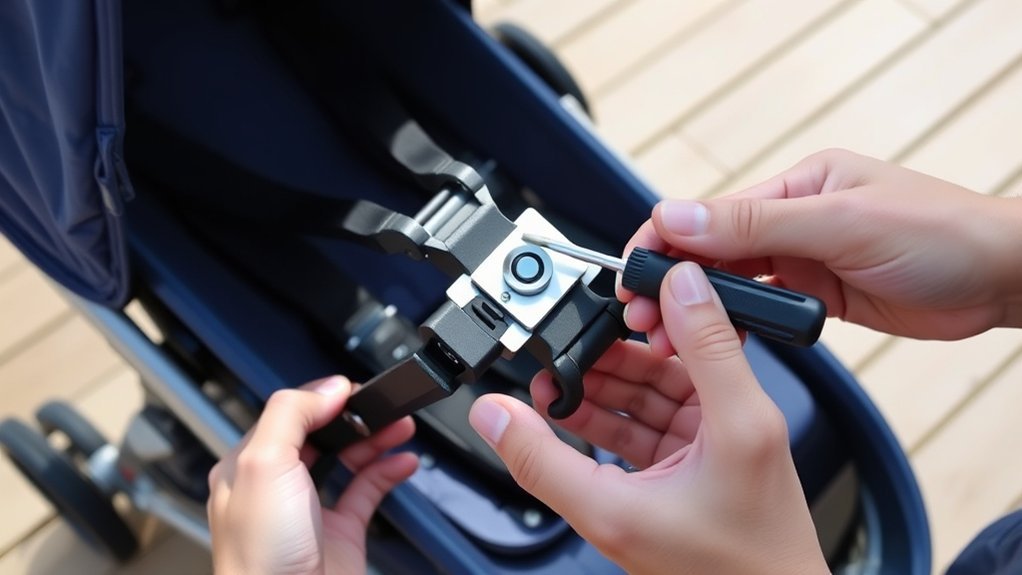
Work slowly and keep your child out of the stroller while you troubleshoot. A stuck part may release suddenly, and a frame lock that appears fixed may still fail during testing.
- Set the stroller on flat ground: Uneven ground can twist the frame and make the latch harder to align.
- Remove pressure: Empty the storage basket, remove heavy accessories, unlock travel clips, and check whether fabric or straps are caught in a hinge.
- Follow the normal release sequence: Some models require two buttons, a safety tab, or a specific handle movement. Use the manual rather than guessing.
- Check alignment: Fold and unfold the stroller slowly, then look for a latch and catch that do not line up.
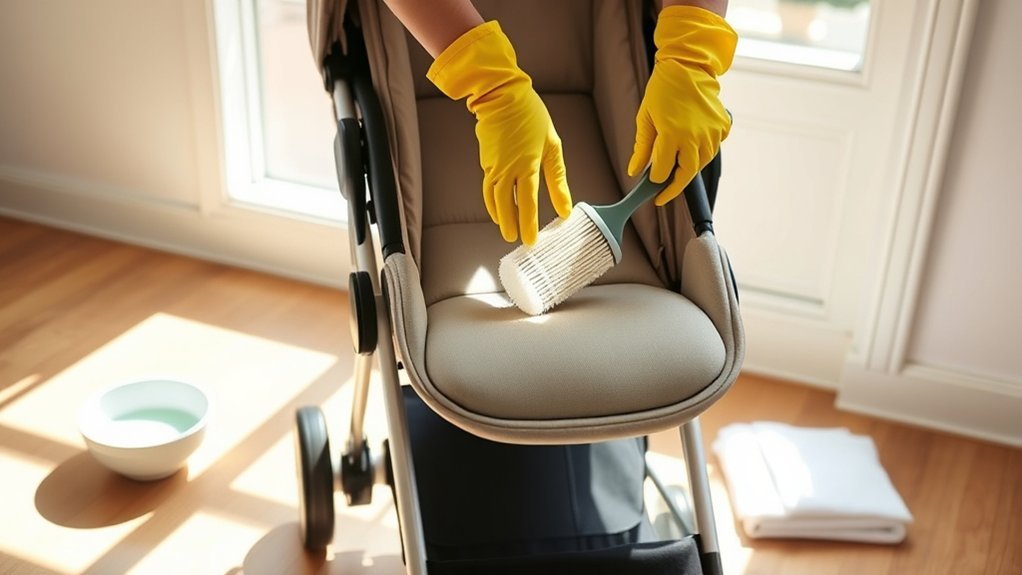
- Clean the mechanism: Use a dry soft brush, cloth, or cotton swab to remove grit from the lock, hinge, or brake teeth.
- Test without force: Move the lock only through its normal range. Stop if you hear cracking, see bending, or feel a spring stop returning.
Pro Tip: Use a flashlight and take a close photo before cleaning. The photo can help you spot a trapped strap, bent catch, missing spring, or uneven gap and can help the manufacturer understand the problem.
If the lock still will not engage or release, do not pry it with a screwdriver unless the model manual gives that exact instruction. Prying can bend the catch, crack a housing, weaken the frame, or hide a defect that needs an approved replacement part.
What Not to Do With a Stuck Stroller Lock
- Do not force the release: Extra pressure can bend a latch or break a hidden spring.
- Do not bypass the safety lock: Tape, cords, zip ties, or improvised clips are not safe substitutes for the original mechanism.
- Do not spray the whole assembly: Overspray can reach brake surfaces, tires, fabric, harness straps, or plastics that may not be compatible with the product.
- Do not test with your child seated: Test an empty stroller first, then follow the manufacturer’s instructions before returning it to use.
- Do not ignore an intermittent failure: A lock that works on one attempt and fails on the next needs repair or replacement.
When Lubricant Is Appropriate
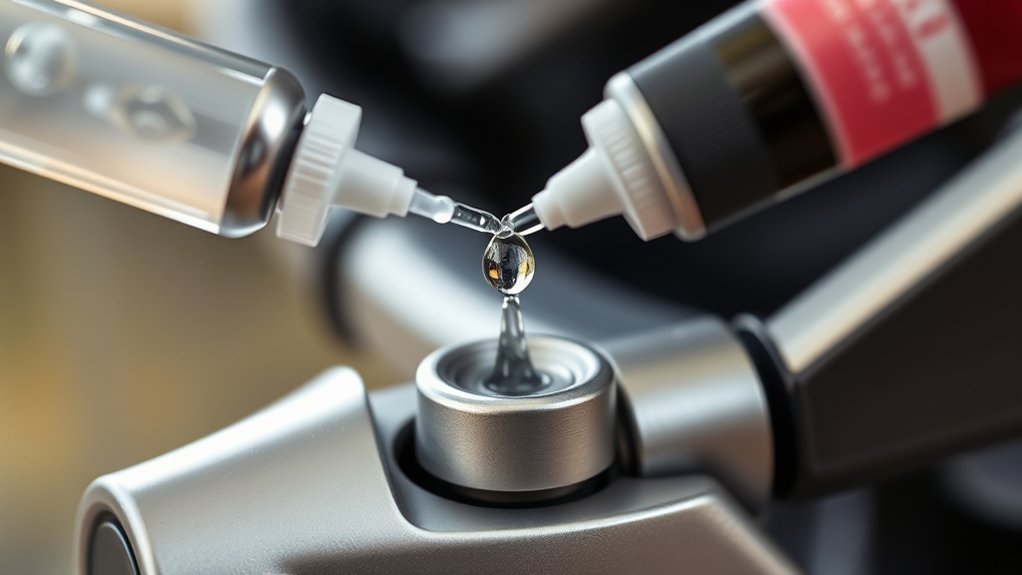
Use lubricant only after cleaning the area and checking the model manual. Stroller mechanisms often combine metal, plastic, coatings, fabric, tires, and brake surfaces. A product that is suitable for one exposed metal pivot may be unsuitable for another part.
If the manual approves lubrication, use only the product and location it specifies. Apply the smallest practical amount to the approved point, shield nearby fabric and wheels with a cloth, move the mechanism gently, and wipe away all visible residue.
Warning: Never apply lubricant to brake pads, brake teeth unless the manual specifically directs it, tire tread, wheel contact surfaces, harness straps, seat fabric, or any child-contact area.
For a key-style lock, use dry graphite only when the lock or stroller maker recommends it. For a metal hinge or pivot, use silicone-based lubricant only when the stroller manual approves it. Do not mix products, because residue can collect more dust and grit.
Testing the Lock After Cleaning or Lubrication
Test the empty stroller before putting your child back in it. Easier movement does not prove that the lock is secure.
- Cycle the lock: Engage and disengage it through several complete cycles. It should return fully each time without sticking or needing extra force.
- Check full engagement: A frame lock should enter its catch completely, with no visible half-latched position or unusual gap.
- Test the hold: Engage the frame lock, then apply light forward, backward, and downward pressure to the empty stroller on level ground.
- Check the brake separately: Apply the parking brake and confirm every wheel it is designed to hold remains locked when you gently try to roll the empty stroller.
- Watch for repeat failure: Any slip, pop, unexpected release, or incomplete engagement means the stroller has not passed the test.
If a frame lock or parking brake does not hold every time, treat it as a safety problem rather than a minor maintenance issue.
Preventive Maintenance Tips for Stroller Locks
Regular inspection and cleaning can reduce small problems caused by grit, moisture, and caught fabric. Follow your manual first, then adjust the check frequency for how often and where you use the stroller.
Regular Cleaning and Inspection Schedule
- After sand, mud, rain, or snow: Wipe the lock, hinge, wheel area, and brake teeth before storage.
- Monthly for frequent outdoor use: Inspect locks, folding joints, brake pedals, and wheel locks for grit, wear, looseness, or damage.
- Every few months for light use: Clean moving parts and test each safety lock before a longer outing.
- Before travel: Fold and unfold the stroller fully, then test the frame lock and parking brake.
Store the stroller dry and in the position recommended by its manual. Damp storage can encourage corrosion, while pressure from tightly packed gear can strain a folding latch.
Inspect the Lock Mechanism
Look for cracks, bent catches, loose screws, missing springs, worn brake teeth, damaged cables, or a lock that no longer clicks. These signs point to an inspection or replacement part, not more lubricant.
Also consider whether the stroller was dropped, forced closed, gate-checked, overloaded, or twisted while stored. An impact can move a fold latch or frame lock out of alignment even when the damage is not obvious.
When to Seek Professional Help
Contact the stroller manufacturer, an authorized repair center, or the retailer if the lock still sticks after safe cleaning and alignment checks. Stop using the stroller for child transport when any of these conditions apply:
- The stroller is under warranty: Ask for the approved repair path before opening, drilling, bending, or replacing a safety part.
- The frame lock will not click fully: A stroller that does not lock open may fold during use.
- The parking brake will not hold: An unreliable brake can allow the stroller to roll unexpectedly.
- You see damaged parts: Cracks, bent metal, missing teeth, loose rivets, or broken cables need professional inspection or approved replacement.
- The problem keeps returning: Repeated sticking after cleaning may point to wear, misalignment, or an internal defect.
- A recall may apply: Stop using the stroller until the manufacturer confirms the model is not affected or completes the recall remedy.
U.S. stroller requirements are set out in 16 CFR Part 1227. The regulation requires covered carriages and strollers to comply with the applicable provisions of ASTM F833-21. A stuck lock does not automatically mean a stroller is recalled, but a frame lock or brake that will not hold needs careful handling.
Frequently Asked Questions
Can I use WD-40 on my stroller lock?
Use WD-40 only when the manual for your exact stroller approves that product on that specific part. Do not treat it as a universal stroller lubricant. Keep it away from brake contact surfaces, tires, fabric, straps, and child-contact areas, then wipe away residue and repeat-test the empty stroller.
What lubricant is safe for a stroller lock?
The safest choice is the lubricant named in the stroller manual or confirmed by the manufacturer. Silicone lubricant or dry graphite may suit certain approved metal pivots or key-style locks, but neither is safe for every stroller part. Never lubricate a brake surface unless the manufacturer specifically instructs you to do so.
How often should I lubricate my stroller lock?
Do not lubricate on a fixed schedule unless the manual says to. Inspect and clean the lock monthly for frequent outdoor use or every few months for light use. Clean it promptly after sand, mud, rain, beach trips, or winter slush. Apply lubricant only when the approved maintenance instructions call for it.
Is it safe to force a stroller lock if it is stuck?
No. Forcing a stuck lock can bend the latch, crack a housing, damage a spring, or hide a brake defect. Remove your child, clean the area, release frame pressure, follow the normal release sequence, and check alignment. Contact the manufacturer if the lock still will not move normally.
Why will my stroller frame lock not click into place?
Common causes include trapped fabric, an overloaded basket, incomplete unfolding, a misaligned catch, dirt in the mechanism, or a worn part. Empty the stroller, place it on level ground, follow the manual’s unfolding sequence, and clean visible grit. Do not use the stroller if the frame still will not lock fully.
How do I check whether my stroller has been recalled?
Find the brand, model number, and manufacture date on the frame label. Search those details in the CPSC recall database and on the manufacturer’s recall page. If the model may be affected, stop using it and follow the official remedy instead of attempting an unapproved repair.
What should I do if the stroller lock breaks completely?
Stop using the stroller until the broken lock is repaired or replaced. Record the model number and manufacture date, check recalls, and contact the manufacturer for the correct part and repair method. Do not carry your child in a stroller with a broken frame lock or unreliable parking brake.
Conclusion
A stuck stroller lock often traces to grit, trapped fabric, frame pressure, misalignment, corrosion, or a worn part. Start with the safest checks: remove your child, work on level ground, clean visible debris, follow the manual’s release sequence, and test the empty stroller without force.
Use lubricant only when the manual approves it for that exact location. If the frame lock will not engage fully, the brake slips, a part is damaged, or a recall may apply, stop using the stroller and contact the manufacturer before your next outing.
Sources
- Electronic Code of Federal Regulations: 16 CFR Part 1227 — current U.S. safety standard for carriages and strollers and incorporation of ASTM F833-21.
- U.S. Consumer Product Safety Commission: Recalls & Product Safety Warnings — official recall search for stroller brands, models, and manufacture dates.
- CPSC: Guava Family Recalls Roam Strollers Due to Fall and Injury Hazards — official example of a stroller brake defect that required consumers to stop use and obtain a repair.