Disclosure: As an Amazon Associate, we earn from qualifying purchases. If you click a link on this page and make a purchase, we may receive a small commission at no extra cost to you.
Torch Heat Deflector Shield Review
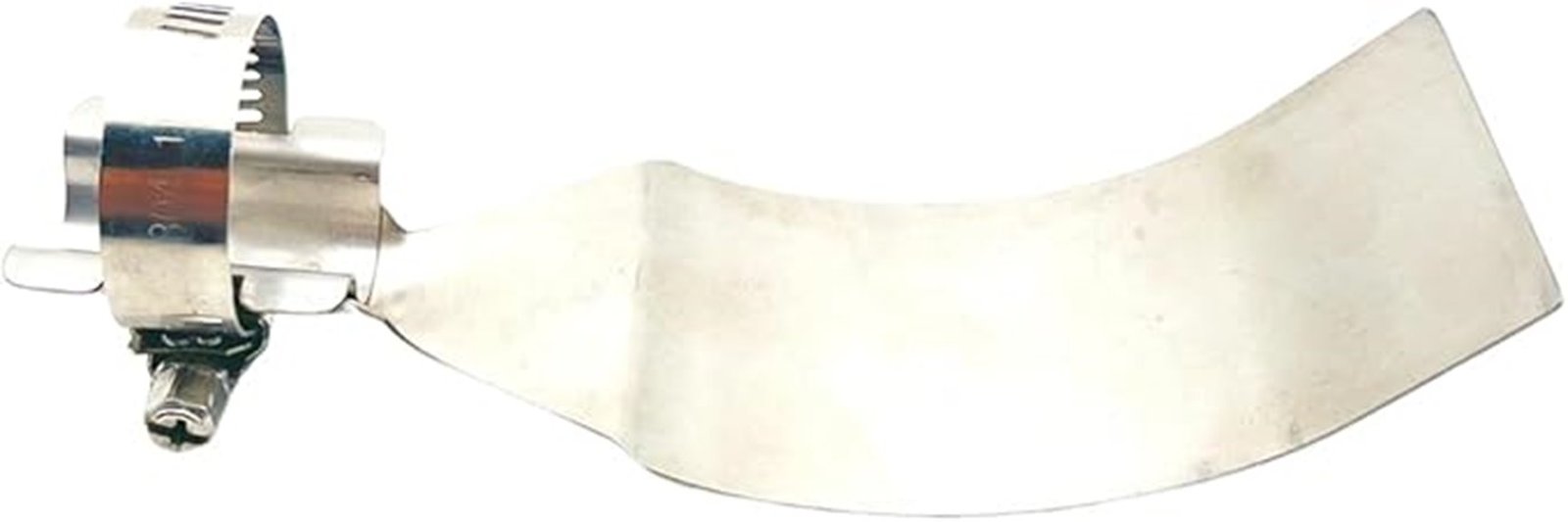
Working a torch near walls, skirting boards, insulation, or tight pipe runs can turn a small soldering job into a scorch-risk problem. The Torch Heat Deflector Shield gives you a compact 2-inch by 4-inch barrier that mounts near the flame path and helps block heat from nearby surfaces.
This review looks at whether the small size, 304 stainless-steel build, 12.5 mm mounting diameter, and included clamp make it useful for plumbing, HVAC, and refrigeration work. You will also see where the compact design helps, where it limits coverage, and whether this shield is worth adding to your torch kit.
Our Verdict
Rating: 7.5/10
Best For: Plumbers, HVAC techs, and refrigeration workers who need a small heat guard for tight soldering or brazing access.
Bottom Line: You get a lightweight stainless-steel shield that helps protect nearby surfaces during focused torch work. You give up broad coverage, so larger open-wall jobs may still need a bigger welding blanket or heat pad.
| Specification | Detail |
|---|---|
| Product Name | Torch Heat Deflector Shield |
| Brand | Generic on Amazon, manufacturer listed as SUPRDSD |
| Model | Y25SKHSFFJSK |
| Material | 304 stainless steel |
| Shield Size | 2 inches wide by 4 inches high |
| Torch Mounting Diameter | 12.5 mm |
| Weight | 2.39 ounces |
| Package Dimensions | 6.18 x 2.24 x 1.46 inches |
| Included Accessories | Torch flame protector and clamp |
| Batteries | No batteries required |
| Compatibility | Designed for torches that can work with a 12.5 mm mount and clamp setup. Verify your torch diameter before buying. |
| Warranty / Returns | Amazon return support is shown on the listing. Manufacturer warranty terms are not clearly stated in the captured listing details. |
Key Takeaways
- The 2-inch by 4-inch shield gives you focused heat protection for tight pipe areas, not full-wall coverage.
- 304 stainless steel helps the shield resist corrosion and repeated exposure to high-heat work areas.
- The 12.5 mm torch mounting diameter and included clamp make fit the main thing to verify before purchase.
- At 2.39 ounces, it should not add much hand fatigue during short soldering, brazing, or refrigeration jobs.
- The best use case is close-quarter work near skirting boards, walls, valves, and other nearby materials.
Product Overview and Key Features
What Is the Torch Heat Deflector Shield?
The Torch Heat Deflector Shield is a compact flame guard for torch work around pipes, valves, fittings, and nearby surfaces. It is listed as a 304 stainless-steel shield with a 2-inch width, 4-inch height, and 12.5 mm torch mounting diameter.
Its main purpose is simple: block or redirect heat where a bare flame could scorch walls, skirting boards, insulation, or other nearby materials. That makes it most useful for plumbing, HVAC, and refrigeration tasks where the joint is close to a finished surface.
The package includes the torch flame protector and a clamp. That small parts list keeps setup simple, but it also means you should check your torch diameter and workspace clearance before you count on a perfect fit.
Who It’s For
- Plumbers soldering copper pipe close to wall trim, baseboards, or finished surfaces.
- HVAC and refrigeration techs brazing near compressors, liquid dryers, valves, or tight pipe clusters.
- Technicians who want a reusable 2.39-ounce stainless-steel guard instead of relying only on disposable barriers.
Who Should Skip It
- Users who need broad protection across studs, drywall, cabinets, or large open wall sections.
- Anyone whose torch cannot safely fit a 12.5 mm mount or clamp-style accessory.
- Beginners looking for full heat protection from one product. You may still need a welding blanket, heat pad, or wet rag depending on the job.
Design, Material, and Fit
The standout design detail is the small 2-inch by 4-inch shield face. That size is easy to maneuver behind pipework, but it also creates a clear tradeoff. You get better access in cramped areas, while larger surfaces remain exposed unless you add another heat barrier.
The 304 stainless-steel construction is a practical choice for a torch accessory because it resists corrosion and handles repeated heating better than mild steel. It is not a magic safety wall, but it is durable enough for routine shop, plumbing, and refrigeration use when inspected regularly.
The 12.5 mm mounting diameter is the most important fit number. Before buying, measure the part of your torch where the shield would sit and confirm that the clamp can hold without interfering with the flame, hose, valve, or your hand position.
Clamp Setup and Torch Compatibility
The included clamp is meant to secure the flame guard to different torch sizes, but that does not make it universal. Clamp tension, torch shape, tip angle, and nearby obstacles all affect whether the shield stays in the best position.
For quick setup, place the shield between the flame path and the surface you want to protect, then tighten the clamp enough to stop movement. After that, test your working angle before lighting the torch. You should still have a clear view of the joint and the flame.
The listing does not verify fuel-specific compatibility for every propane, MAP-Pro, oxygen-acetylene, or air-acetylene setup. Treat the 12.5 mm mount as your starting point, then verify your torch body size and safe operating clearance.
Heat Control and Surface Protection
The shield works best when the risk area is close to the pipe and roughly matches the 2-inch by 4-inch coverage zone. In that situation, it can help reduce scorching on walls, skirting boards, and nearby materials while keeping heat concentrated around the pipe joint.
Because the shield is small, placement matters more than brute coverage. If your flame angle changes during the job, the protected area changes with it. That is why it fits careful soldering or brazing better than broad demolition, cutting, or open-flame work across a large surface.
You should also avoid treating it as a substitute for normal fire safety. Keep flammable materials away, use the right heat pad where needed, inspect the area after the job, and follow the safety rules for your torch and fuel type.
Performance and User Experience
How It Performs in Real Use
On Tight Plumbing Repairs
For a copper pipe close to a baseboard or wall, the 2-inch by 4-inch shield gives you a focused barrier right where the flame would otherwise hit trim or drywall. The small face makes it easier to fit behind a pipe than a large pad, especially when there is not much room to move your torch.
For HVAC and Refrigeration Work
Refrigeration jobs often put fittings, valves, and lines near parts you do not want to overheat. The shield’s 12.5 mm mount and clamp setup can help you position a stainless-steel barrier close to the torch head while you work around compressors, liquid dryers, or tight equipment bays.
Near Finished Surfaces
When you are working around skirting boards, painted surfaces, or nearby wall material, the shield can reduce direct flame exposure in a small zone. It is most useful as a precision guard. For cabinets, insulation, or broad wall areas, pair it with a larger welding blanket or heat-resistant pad.
Pros and Cons
Pros
- 2-inch by 4-inch shield size fits tight pipe areas better than bulky heat pads.
- 304 stainless-steel construction gives you reusable heat protection and corrosion resistance.
- 2.39-ounce weight keeps the accessory light enough for short torch sessions.
- 12.5 mm mounting diameter gives you a clear fit measurement to check before buying.
- Included clamp means you do not need a separate mounting part for basic setup.
Cons
- Small 2-inch by 4-inch coverage area is not enough for broad wall or cabinet protection.
- Fit depends on your torch body, clamp tension, and working angle.
- Manufacturer warranty terms are not clearly stated in the captured listing details.
Buying Guide and Specifications
Is It Worth the Price?
The Torch Heat Deflector Shield makes the most sense as a low-bulk specialty tool, not as your only heat-protection solution. Its value comes from the 304 stainless-steel build, compact 2-inch by 4-inch shape, and clamp-on convenience.
For plumbers and HVAC techs who regularly work close to trim, skirting boards, valves, and refrigeration components, it can be a smart buy for everyday use. You save setup time compared with placing and repositioning a larger blanket for every small joint.
For occasional DIY work, the value depends on your project. If you only need broad surface protection once, a larger welding blanket or brazing pad may be more useful. If you often need a small shield right at the torch head, this product is more compelling.
What to Check Before Buying
- Torch diameter: Confirm your torch can work with a 12.5 mm mounting diameter and clamp-style shield.
- Clearance: Make sure the 4-inch height will not block your view or hit nearby fittings.
- Coverage needs: Choose this for focused flame blocking, not whole-wall protection.
- Work material: Use extra care around plastic-lined pipe, insulation, paint, and combustible materials.
- Clamp access: Check that you can tighten and remove the clamp in your typical work area.
How It Compares to Alternatives
If you want flexible coverage over a larger area, a 12-inch by 12-inch welding blanket or carbon-felt soldering pad is usually a better fit. Those products cover more wall or cabinet space, but they can be harder to position behind a tight pipe.
If you want a torch-mounted reflector, the ROFIRE Flame Reflector is a more direct alternative. The Torch Heat Deflector Shield remains the better choice when your priority is a small stainless-steel guard with 2-inch by 4-inch coverage and a very light 2.39-ounce build.
Frequently Asked Questions
Is the shield compatible with oxygen-acetylene and propane torches?
The listing verifies a 12.5 mm torch mounting diameter and a clamp for securing the shield to different torch sizes. It does not clearly verify every oxygen-acetylene, propane, MAP-Pro, or air-acetylene torch, so measure your torch before buying.
Can the deflector be used on insulated or plastic-lined pipes?
Use caution around insulated or plastic-lined pipe. The shield can help block direct flame in a small area, but it does not change the heat limits of insulation, plastic, paint, or nearby combustible material.
Does the shield require maintenance or periodic replacement?
It should need only basic maintenance for normal use. Let it cool, wipe off residue, and inspect the 304 stainless-steel shield and clamp for warping, deep corrosion, or loose fit before the next job.
Is the clamp safe for high-pressure torch setups?
The captured listing does not provide a pressure rating for the clamp. Do not assume it is approved for every high-pressure setup. Confirm fit with your torch manufacturer and stop using the shield if the clamp shifts during dry positioning.
Are replacement parts or accessories available from the manufacturer?
The captured product details verify that the package includes a torch flame protector and clamp. Replacement parts were not clearly confirmed, so contact the seller or manufacturer before purchase if long-term parts availability matters to you.
Does the 2-inch by 4-inch shield replace a welding blanket?
No. The 2-inch by 4-inch size is best for focused protection near a pipe or fitting. For large surfaces, cabinets, studs, or broad drywall areas, use a larger heat-resistant blanket or pad along with proper fire-safety checks.
The Bottom Line
The Torch Heat Deflector Shield earns a 7.5/10 because it solves a real problem in a compact, affordable-feeling format: focused flame protection around tight pipe work. Its 304 stainless-steel construction, 2-inch by 4-inch shield face, 12.5 mm mount, and included clamp make it useful for plumbers, HVAC techs, and refrigeration work.
You should skip it if you need broad coverage, verified universal torch compatibility, or clearly stated manufacturer warranty terms. For tight soldering and brazing jobs where a large blanket gets in the way, it is a practical tool to keep in your kit.
Ready to Buy?