Disclosure: As an Amazon Associate, we earn from qualifying purchases. If you click a link on this page and make a purchase, we may receive a small commission at no extra cost to you.
Small TIG joints and close-up metalwork can be hard to see through a welding helmet, especially when your near vision needs help. The TRQWH welding helmet magnifying lens offers a simple way to bring the work into clearer focus. The linked Amazon listing is for two +1.0-diopter inserts, not a set of mixed strengths. This review covers fit, useful working distance, safety, and the limits you should check before buying.
TRQWH Welding Helmet Magnifying Lens: Quick Review
Quick Verdict
Editorial Rating: 8/10, based on the listed features and fit limitations, not hands-on testing
Best For: Welders who need mild near-focus help and have a helmet with a holder that accepts a 2 x 4.25-inch magnifying insert.
Bottom Line: The two-pack gives you a spare passive lens and a simple way to improve close-up focus. It is less useful if +1.0 is too weak for your eyes or your helmet cannot hold this lens size.
| Specification | Detail |
|---|---|
| Brand | TRQWH |
| Listed model | KTS-MagnifyingGlass |
| Amazon item | B0C3VGG169 |
| Product type | Passive welding helmet magnifying insert, also called a cheater lens |
| Selected strength | +1.0 diopter on the linked Amazon item |
| Other listed strengths | +1.5, +2.0, +2.5, and +3.0 as separate choices |
| Lens dimensions | Approximately 2 x 4.25 inches |
| Lens thickness | Approximately 0.16 inch |
| Material | Polycarbonate, described as high-hardness by the seller |
| Pack quantity | Two lenses of the selected strength |
| Helmet fit | Listed for TRQWH KTS-J series and other compatible cheater-lens holders; verify dimensions |
| Power | No battery or power needed |
| Primary use | Closer focus on a weld joint or workpiece through a compatible helmet |
| Safety role | Optical aid only; not a replacement for the welding filter, cover lens, or required safety eyewear |
What Is the TRQWH Welding Helmet Magnifying Lens?
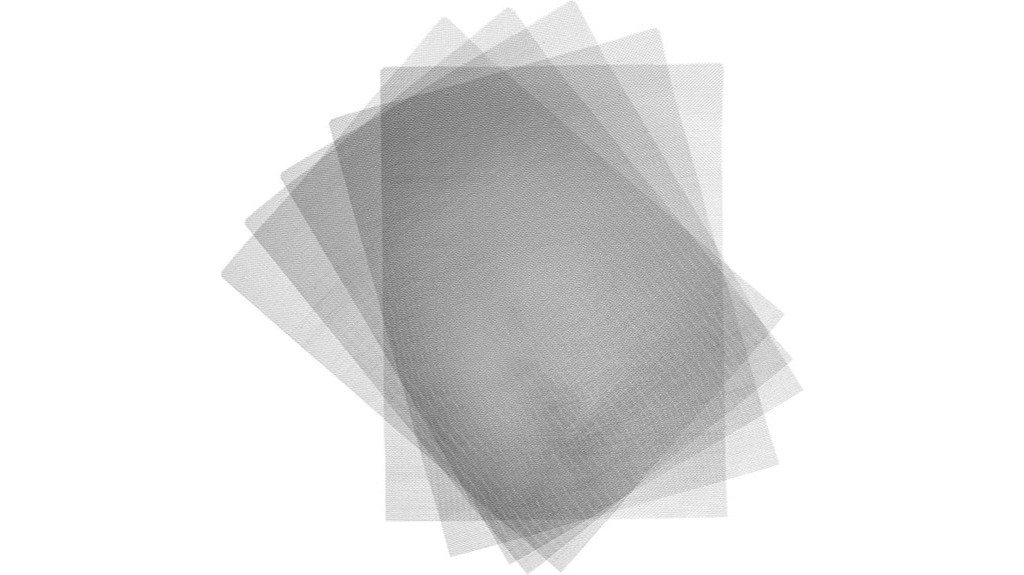
This TRQWH accessory is a clear insert that adds near-focus correction inside a welding helmet. It is not another auto-darkening filter. Instead, it sits in the helmet’s dedicated magnifier holder, where you look through it and the protective filter while welding.
The linked version is a +1.0-diopter two-pack. Each lens is about 2 inches tall and 4.25 inches wide. TRQWH also lists stronger versions, but the existing Amazon link selects +1.0. Both lenses in this pack are the same strength, so it is a spare set rather than a strength-selection kit.
Because the insert is passive, there is nothing to charge or switch on. The value comes down to three things: whether +1.0 matches your near vision, whether your helmet holds it securely, and whether its focus suits the distance at which you work.
Who Should Buy It?
Best For
- Welders whose close-up view needs mild help rather than strong magnification.
- Owners of TRQWH KTS-J helmets with a suitable lens holder.
- People who want one installed lens plus a matching spare for later.
Skip If
- Your helmet has no magnifier holder or uses a different insert size.
- You already know you need stronger reading correction than +1.0.
- You expect a cheater lens to replace protective eyewear or fix poor helmet visibility.
Before You Buy: This Amazon link selects the +1.0-diopter, two-lens pack. It does not include five different strengths. Check your helmet’s insert-holder dimensions and your preferred working distance before ordering.
Design, Materials, and Optical Clarity
Polycarbonate Build and Lens Size
TRQWH describes the lenses as high-hardness polycarbonate. This keeps them suitable for a small, removable optical insert, but the listing does not provide a verified scratch-resistance test. A marked, dirty, or warped surface may make close work harder to see, so condition matters more than a broad durability claim.
The listed size is about 2 x 4.25 inches, with a thickness near 0.16 inch. These are lens dimensions, not package measurements. Compare both height and width with the insert that your helmet accepts. A lens that is almost the right size can still slip or fail to seat in the holder.
What +1.0 Diopter Actually Means
Diopters describe lens power, not a simple one-to-one image enlargement rate. A +1.0 lens provides mild near-focus assistance. It may make a close weld joint easier to resolve if the strength matches your eyes, but it will not help everyone equally.
TRQWH lists +1.0, +1.5, +2.0, +2.5, and +3.0 as available choices. Higher strengths change the distance where you see most clearly. Too much power can force you to move your head or workpiece closer than you want. You should choose the strength for your usual working distance, not just the smallest details you can imagine.
Compatibility and Installation
Will It Fit Your Welding Helmet?
TRQWH names its KTS-J series as compatible and markets the lens for other helmets with a magnifier mount. That does not mean every welding hood will accept it. Some holders are designed for 2 x 4-inch inserts, while other designs use a different frame or clip.
Before ordering, check the helmet manual or inspect the existing magnifier holder. Confirm the required width, height, mounting method, and space behind the filter cartridge. If the helmet manufacturer does not allow an insert, do not improvise with glue or tape.
How to Install the Lens
- Turn off or remove the helmet from use and follow its manual for accessing the magnifier holder.
- Check that the lens and holder are clean and free from damage.
- Place one +1.0 insert in the designated holder behind the welding filter, using the orientation specified for your helmet.
- Make sure it sits flat and cannot fall out when you tilt your head.
- Confirm the protective filter, cover lenses, and sensors remain clear and correctly installed. Test normal helmet function before welding.
Installation may be tool-free if your helmet has a slide-in holder. The lens itself does not provide a mount, so setup depends on your helmet design.
Pro Tip: Hold a small piece of scrap at your normal weld distance before starting an arc. If the joint looks sharper only when you lean much closer, the diopter strength may not suit your normal working position.
How It Performs in Real Use
The following are practical use cases based on the lens design and listed specifications. They are not results of a hands-on welding test.
Precision TIG Welding
When you are lining up thin sheet metal or following a small joint, a suitable cheater lens can make edges easier to focus on. The +1.0 version is worth considering if you need only mild correction. It will not automatically improve weld quality, and it cannot make up for poor lighting or the wrong helmet shade.
Small Parts and Bench Fabrication
Close-up fit-up work often involves checking gaps, tack locations, and alignment. With the lens mounted securely, you can keep the helmet in place while focusing on the part. If you move often between near bench work and more distant tasks, you may prefer a different lens power or no insert for some jobs.
Grinding and Weld Inspection
Extra near-focus help may be useful when you look for small surface marks after a weld. The insert does not replace a proper inspection method, and magnification cannot reliably prove the absence of internal defects. For grinding, use the correct rated eye and face protection and follow the equipment instructions.
Longer Work Sessions
A passive insert does not need charging, which removes one thing to manage during a long day. Comfort is still individual. The wrong focal distance may lead you to crane your neck or lean toward the work, so assess your working posture before using it for a full shift.
Safety, Visibility, and Lens Care
A magnifying insert is not protective welding glass. Keep the approved auto-darkening or fixed-shade filter in place, along with the required cover lenses and safety glasses or goggles. Follow your helmet maker’s guidance for shade selection and safe use. The OSHA welding eye-protection guidance explains the need for suitable filter lenses and separate eye protection.
Do not place the insert over an arc sensor or force it into the filter cartridge. A cheater lens changes what your eyes focus on, not how the auto-darkening electronics detect an arc. If the fitted insert blocks a sensor or interferes with helmet operation, remove it and use the helmet as designed.
To clean the polycarbonate surface, follow TRQWH’s care directions where available and your helmet manufacturer’s cleaning guidance. Start with a clean, soft cloth and avoid harsh solvents or abrasive wiping. Store the second insert where it will not rub against tools or metal dust. Replace a lens that becomes scratched enough to affect your view.
Pros and Cons
Pros
- Two matching lenses give you a spare without another order.
- +1.0 power is a practical choice when only mild near-focus help is needed.
- Approximately 2 x 4.25-inch size is clearly stated for fit checks.
- Passive design means no batteries, controls, or charging.
- Other strengths are listed in the TRQWH range if +1.0 does not suit your eyes.
Cons
- The linked pack contains only +1.0 lenses, not mixed strengths.
- Fit is not assured on helmets without a compatible holder.
- Optical comfort and scratch life are not backed by independent test data here.
Is It Worth the Price?
TRQWH positions this as a simple, budget-oriented welding accessory. Getting two +1.0 inserts is useful if you expect to keep one as a backup. There is no added electrical system to pay for or maintain.
Its value is strongest when you already have a compatible helmet and know that mild near-focus correction suits you. You may save little by choosing the two-pack if you need a stronger lens, a different size, or a new holder as well.
We could not establish a stable current Amazon selling price from the listing check, so compare the final offer and selected strength before checkout. Avoid treating a low accessory price as proof of optical quality or universal compatibility.
How It Compares to Alternatives
Miller magnifying lenses offer multiple strengths and a 2 x 4-inch format for Miller helmets with compatible holders. ESAB magnifying lenses also come in several diopter strengths, with fit specified for supported ESAB helmet models. Neither is a universal drop-in replacement for the TRQWH size.
Choose TRQWH if its 2 x 4.25-inch dimensions and +1.0 power match your setup and you value a spare. Choose a helmet-specific Miller or ESAB lens when the manufacturer’s approved fit matters more than matching this particular two-pack.
Frequently Asked Questions
Which diopter strength comes with the linked TRQWH lens?
The Amazon ASIN linked in this review selects +1.0 diopter. TRQWH lists stronger versions, but they are separate choices rather than lenses included with this order.
Does this order contain one lens or two?
The listing specifies two magnifying inserts. Both are the selected +1.0 strength, so you can use one and keep the other as a spare.
Will the TRQWH lens fit a non-TRQWH welding helmet?
It may fit other helmets with a matching magnifier holder. Compare the stated 2 x 4.25-inch lens size and mounting style with your helmet manual; brand claims of broad fit do not guarantee a secure fit.
Does a cheater lens replace the auto-darkening filter or safety glasses?
No. It is a near-focus aid, not an arc filter or impact-rated protective lens. Keep all required welding filters, cover lenses, and approved eye protection in place.
Can this insert interfere with the helmet’s auto-darkening sensors?
The lens has no electronics, but incorrect placement could obstruct helmet components. Install it only in the designated holder, leave sensors clear, and check helmet operation before striking an arc.
How do I know if +1.0 diopter is enough?
It gives mild near-focus help, but the right power depends on your eyesight and work distance. If you already use reading correction, compare your normal working distance and ask an eye-care professional for guidance if you are unsure.
How should I clean and store the polycarbonate lenses?
Use the manufacturer’s recommended cleaning method and a clean, soft cloth. Keep abrasive dust and harsh solvents away from the surface, and store the spare lens in a protective sleeve or clean container.
Should I buy this lens if I mostly weld at arm’s length?
Not automatically. A magnifying insert is most useful when its focal power suits your viewing distance. If you frequently switch between near and distant work, test the view and consider whether using a removable insert is practical.
The Bottom Line
The TRQWH two-pack is worth considering when a +1.0-diopter, 2 x 4.25-inch cheater lens fits your welding helmet and your near-vision needs. It earns a cautious 8/10 editorial assessment for its simple design and spare lens, but skip it if you need a different power or cannot confirm secure mounting.
Ready to Buy?
Check the selected +1.0 strength, current seller offer, and helmet fit before ordering.