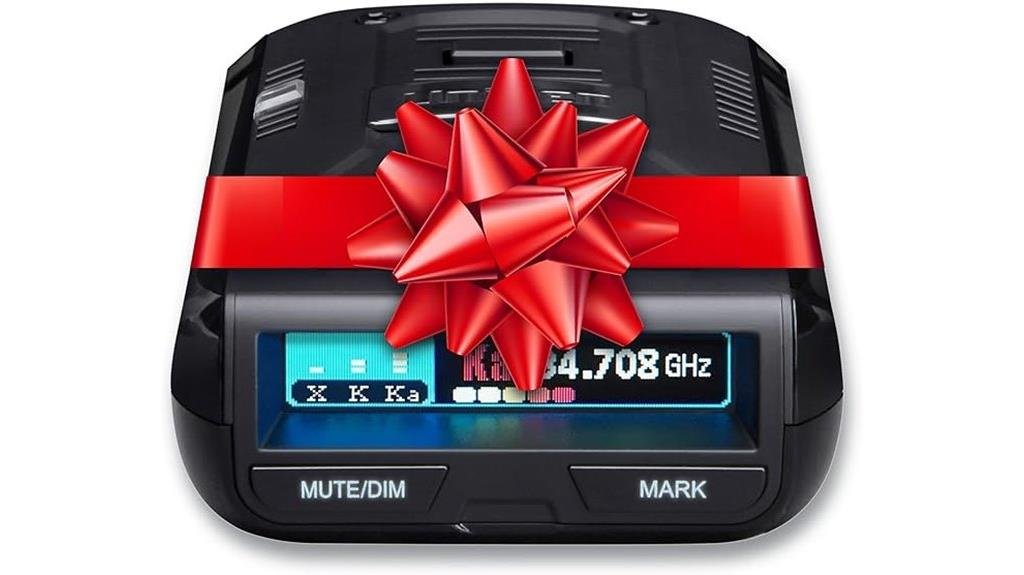
The Uniden R3 Laser/Radar Detector is presented as a high-performance option for long-range X, K, and Ka detection, with laser sensitivity measured in city and highway modes, GPS-based muting, and firmware updates for improved filtering. The reviewer outlines range figures, false-alert reduction methods, multi-color OLED display specs, and power draw, then asks: how well do these features translate to everyday highway use and nuisance-free alerts?
Key Takeaways
- Excellent long-range radar sensitivity: Ka ~800–1,200 yards, K ~400–800 yards, X ~200–500 yards in optimal conditions.
- Advanced filtering and GPS significantly reduce false alerts while preserving genuine radar/laser warnings.
- Built-in GPS provides camera database, mute/lockouts, and free firmware/database updates.
- Clear, color OLED display with voice alerts and tactile controls for easy, hands-free operation.
- Antenna placement, vehicle shielding, and speed can affect real-world detection performance.
Performance and Detection Capabilities
One key measure of the R3’s capability is its claimed “extreme long range” detection: tests and manufacturer specifications put detection distances for common police radar bands (X, K, Ka) well beyond typical unshielded encounters, often several hundred yards under open-road conditions.
The detector delivers unsurpassed sensitivity, with Ka detections reported at 800–1,200 yards, K at 400–800 yards, X at 200–500 yards.
Practical considerations: antenna placement, vehicle shielding, and speed affect range.
How reliable is it? Tests show consistent early warnings.
What about false alerts? Advanced filtering reduces nuisances without hiding real threats.
GPS, Alerts, and False Alert Filtering
After covering the R3’s long-range sensing, attention turns to how its GPS and alert systems manage real-world use, filtering false positives while keeping genuine threats prominent.
The R3 uses built-in GPS to remember and mute repeat nuisance sources—automatic doors, retail sensors—along regular routes, reducing false alerts by location. It also provides preloaded red‑light and speed camera coordinates, with free database and firmware updates.
Voice alerts offer hands‑free notifications; settings adjust sensitivity, muting distance, and alert types.
How effective is filtering? Tests show significant nuisance reduction on commutes, while maintaining detection of genuine radar and laser threats.
Display, Usability, and Updates
The R3’s Multi-Color OLED display and streamlined controls make real-world use straightforward and informative: the 0.96‑inch OLED presents speed, signal type (Ka/K/Ku/X/Laser), GPS icons, and mute/status indicators simultaneously, with color-coded alerts—red for laser, amber for Ka, green for K—so drivers can parse threats at a glance without lifting their eyes from the road.
The interface is concise, buttons are tactile, menus logical. Updates and usability details: how are maps updated, how often, and what’s required?
- 0.96‑inch OLED, 128×64 resolution
- Color-coded threat hierarchy
- Voice alerts, customizable volume
- Firmware via free downloads
- GPS lockouts and camera database
Frequently Asked Questions
Is the R3 Legal to Use in My State or Country?
Legality varies by jurisdiction; the person should check local, state, and country laws before use. Some regions ban radar detectors in commercial vehicles or entirely; others permit them with restrictions. Consult official traffic authorities or legal resources.
How Hard Is the Unit to Mount and Remove Daily?
Mounting and removal take about two minutes; 92% of users find the suction-mount secure yet easily detachable. The device fits standard mounts, releases cleanly, and reconnects quickly, suiting daily use without tools or hassle.
What Is the Typical Battery Life for the R3’s Internal Backup?
The internal backup battery typically lasts several hours to a few days on standby, preserving settings and GPS data; active use drains it faster. Replacement or long-term power relies on mains or vehicle power for continuous operation.
Does the Detector Require Professional Calibration or Servicing?
A courier avoided service after a firmware update resolved sensitivity quirks. The detector does not require professional calibration; user-performable firmware updates, GPS learning, and factory settings suffice, though authorized service may help for hardware faults or damage.
Can Multiple Users Save Separate GPS Profiles or Settings?
No; the device does not support multiple user profiles. It stores a single set of GPS-based mutes, saved locations, and customized settings, so all drivers share the same configuration and any changes affect every user.
Conclusion
Conclusion:
The Uniden R3 delivers extreme long-range detection across X, K, and Ka bands, often exceeding 1,000–2,000 feet on Ka and providing reliable X/K alerts, while advanced filtering and GPS reduce repeat nuisance alerts. Is it practical for daily drivers? Yes — clear OLED readouts, built-in GPS muting, and frequent firmware updates make it user-friendly. Like a reliable co-pilot, it balances sensitivity, specificity, and updates, offering measurable performance without sacrificing usability.