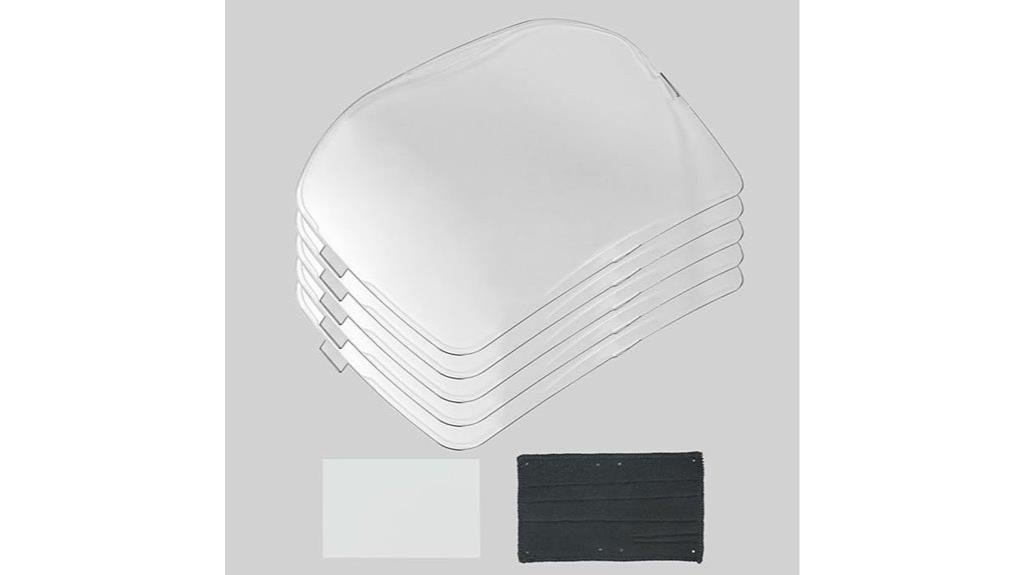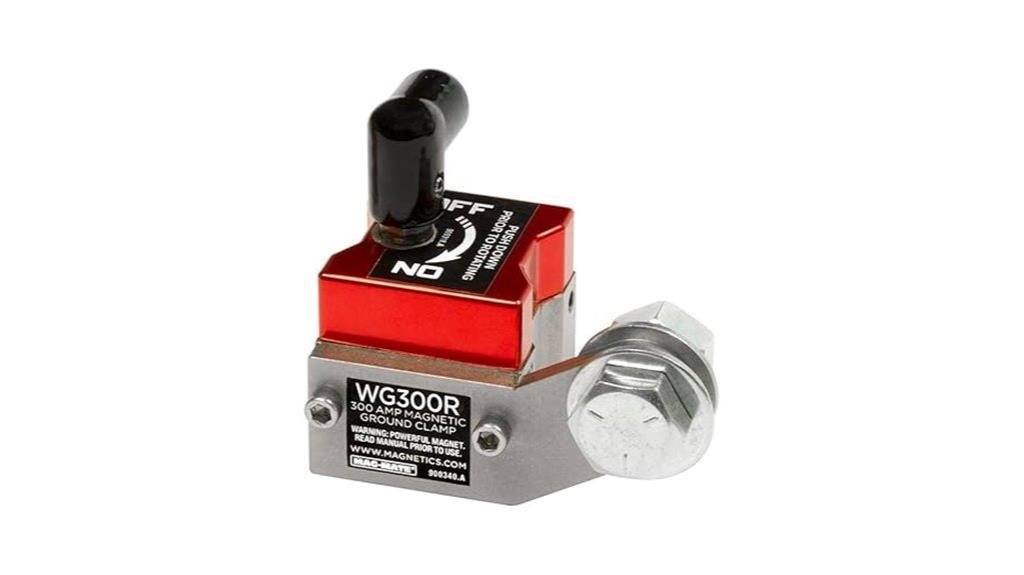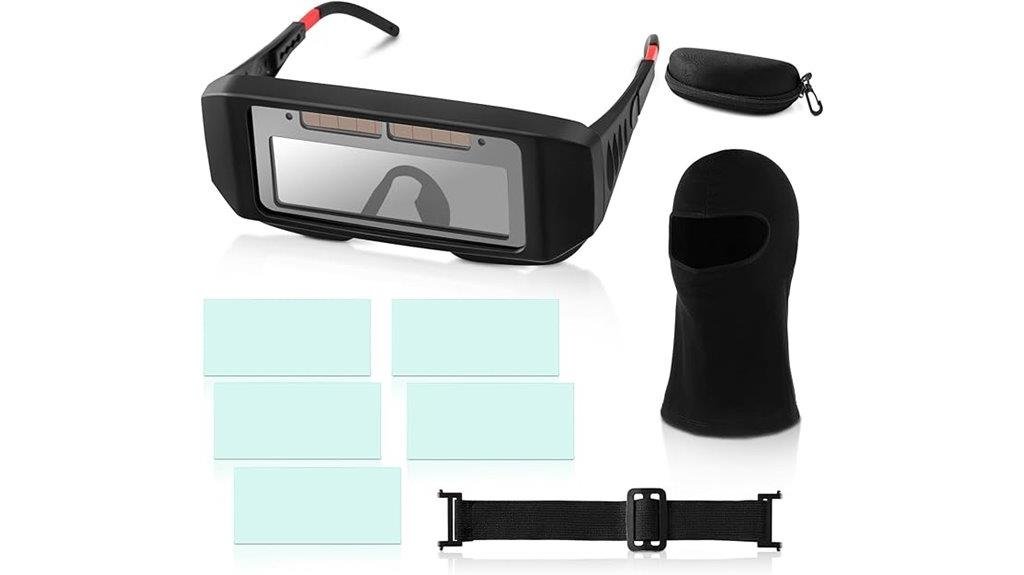
Welding goggles are a practical, often overlooked necessity for safe metalwork. They block UV/IR rays with shade ratings typically from 8 to 13, meet ANSI Z87.1 impact standards when specified, and fit with adjustable bands, 50–70 mm lens widths, and lightweight frames under 150 g for comfort. Which features matter most—filter shade, lens material, seal, or replacement parts—and how do they match a given process?
Key Takeaways
- Choose filters rated shade 8–13 (or variable auto-darkening 9–13) appropriate to your welding process to protect against arc flash.
- Verify ANSI Z87.1 (or equivalent) certification and lenses that block 99% UV/IR for certified impact and radiation protection.
- Prefer polycarbonate or PC+ABS frames with 50–70 mm lens coverage and foam seals to resist heat, sparks, and flying debris.
- Ensure a secure, adjustable fit (elastic strap 30–60 cm) and comfortable padding for prolonged use without compromising safety.
- Look for replaceable lenses and parts, good peripheral vision, and lightweight design for maintenance and long-term usability.
Why Proper Eye Protection Matters for Welders
Because welding exposes the eyes to intense light and flying debris, proper eye protection is a non-negotiable safety measure for anyone working with arc or gas processes.
The reader learns that eye injuries from welding hazards can be immediate, like flash burn, or cumulative, like retinal damage from infrared.
What basic protection is required? Use filters rated to shade 8–13 for common arc tasks, ANSI Z87.1-compliant frames, and lenses blocking 99% UV/IR.
Consider fit: adjustable bands, 50–60 mm lens coverage, and foam seals.
How to assess risk: task, duration, distance, and reflective surfaces determine needed protection level.
Features to Look for in Welding Goggles and Helmets
When choosing welding goggles and helmets, prioritize features that directly affect protection, comfort, and usability: filter shade (shade 8–13 for common arc work), ANSI Z87.1 or equivalent certification, UV/IR blockage of at least 99%, and robust materials such as PC+ABS for impact and heat resistance. The reviewer notes lens compatibility, adjustable fit, and replaceable parts matter for liberation from unsafe gear.
| Feature | Benefit | Spec |
|---|---|---|
| Filter Shade | Eye protection | 8–13 |
| Certification | Safety standard | ANSI Z87.1 |
| Material | Durability | PC+ABS |
| Fit | Comfort | Adjustable fit |
Q: What to measure? A: Head circumference, lens size.
Choosing the Right Goggles for Your Welding Process
Having reviewed the key features—filter shade, ANSI Z87.1 equivalency, PC+ABS construction, adjustable fit—it helps to next match goggles to the specific welding process being performed.
Which goggle types suit which tasks? TIG demands shade 8–12, clear peripheral vision, lightweight frames; MIG and MMA often use shade 10–13, tougher faceshields.
What about plasma or auto-dimming work? Use variable shade lenses, 9–13 range, responsive sensors.
Consider lens materials: polycarbonate for impact resistance, glass for optical clarity, coated filters for UV/IR blocking.
Measurements: lens size 50–70 mm, strap adjustability 30–60 cm.
Prioritize comfort, protection, and freedom to work safely.
Frequently Asked Questions
How Often Should Replacement Lenses Be Changed?
Replacement lenses should be checked regularly; lens durability dictates replacement frequency. When scratches, clouding, or reduced visibility appear or after heavy use (every few months for daily welders), swap lenses to maintain clear, liberating eye protection.
Can These Goggles Be Worn Over Prescription Glasses?
Yes — like a sheltering cloak, they fit over prescription glasses. The goggle comfort and lens compatibility allow roomy clearance, adjustable band, and ergonomic temples, empowering liberated welders to protect vision without sacrificing prescription wear.
Are the Goggles Safe for Grinding and Cutting Tasks?
Yes. The goggles provide grinding safety and cutting protection, blocking 99% harmful light with sturdy PC+ABS construction. They free the user to work boldly, offering secure fit, comfort, and reliable eye defense during tasks.
How Do I Clean and Maintain the Goggles and Helmet?
Clean with a soft cloth and mild soap, respecting goggle materials and lens coatings; avoid solvents. Inspect seals and straps, replace damaged parts, store in the case; periodic lens replacement preserves clarity, empowering safe, liberated welding practice.
What Warranty or Return Policy Is Included With the Set?
The set includes standard warranty details covering manufacturing defects for a limited period; return options allow refunds or exchanges within the retailer’s return window. The liberatory-minded buyer is empowered to claim remedies swiftly and confidently.
Conclusion
In conclusion, the welder is advised to treat eye protection as a nonnegotiable workplace companion. Proper goggles, with filter shades between 8–13, ANSI Z87.1-rated lenses, and adjustable bands, reduce UV/IR exposure and debris risk. Consider weight (under 150 g for comfort), replaceable lenses, and fit—measure temple width and head circumference—before purchase. Which style suits the process? Match shade, ventilation, and seal to welding type to guarantee safe, sustained work.