Disclosure: As an Amazon Associate, we earn from qualifying purchases. If you click a link on this page and make a purchase, we may receive a small commission at no extra cost to you.
Burning through thin sheet metal can turn a small repair into a much bigger job. The scottchen PRO Copper Welding Spoon Welders Helper (TBHD-01) gives you a copper backing surface to support small MIG welds and help draw heat away from the repair area. Its three interchangeable 3 mm copper paddles let you work behind flat panels, curves, and awkward corners. This review explains where the tool helps, how to use it safely, and when a larger or simpler backing tool may be a better choice.
Quick Verdict
Rating: Recommended with caveats
Best For: Automotive body repairs, motorcycle restoration, and small MIG welding jobs on thin steel sheet metal.
Bottom Line: The three paddle shapes and adjustable handle make this a useful option for backing small weld holes in hard-to-reach areas. However, it cannot prevent every burn-through, and you need access behind the panel to use it correctly.
Key Takeaways
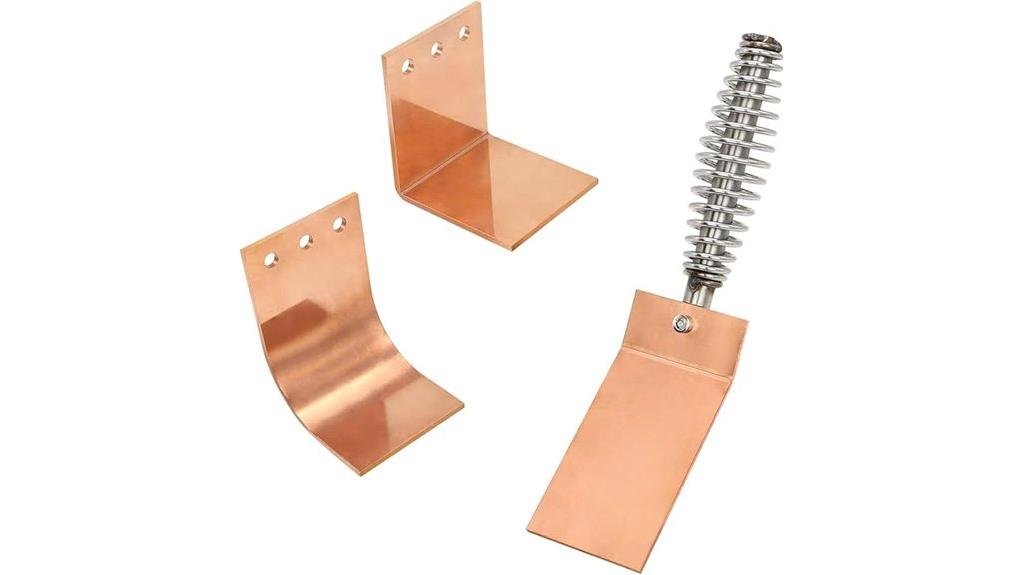
- Three copper paddles: Flat, curved, and 90-degree shapes help you support welds on different panel surfaces.
- 3 mm copper construction: Copper conducts heat away from the immediate weld area and provides backing for small holes.
- Adjustable positioning: The offset screw and dimpled handle help you position the selected paddle in awkward spaces.
- Automotive applications: Useful for suitable sheet-metal hole repairs, body restoration, and motorcycle panel work.
- Complete basic set: The selected one-pack version includes one handle, three angled copper paddles, and one bolt.
- Important limitation: Proper machine settings, panel preparation, rear access, and heat control remain essential.
Key Specifications
| Specification | Detail |
|---|---|
| Brand | scottchen PRO |
| Model | TBHD-01 |
| Product type | Copper welding spoon and backing paddle set |
| Material | Copper paddles |
| Paddle thickness | 3 mm |
| Paddle designs | Flat, curved, and 90-degree angled |
| Handle | Dimpled grip with adjustable offset screw connection |
| Listed item weight | 2.05 lb |
| Package dimensions | 5.94 x 4.65 x 3.43 inches |
| Selected package | 1 pack |
| Listed contents | 1 handle, 3 copper paddles, 1 bolt |
| Primary application | MIG welding support for small holes in sheet metal |
| Other listing variant | 2-pack option listed separately |
| ASIN | B0BDK43NJ7 |
Specification note: The listed dimensions describe the package, not the working size of an individual paddle. Exact paddle face measurements are not provided in the verified product details. The listed weight should also not be treated as a measured weight for one paddle.
What Is the scottchen PRO Copper Welding Spoon?
The scottchen PRO TBHD-01 is a manually positioned copper backing tool designed mainly for MIG welding repairs on thin sheet metal. You place a copper paddle behind a hole or small gap while making a weld from the opposite side.
The copper provides a temporary backing surface for molten weld metal. It also conducts heat away from the local repair area. This can make small hole repairs easier than welding across an unsupported opening, especially when working with thin automotive steel.
The set uses three paddle shapes that attach to a single handle. Unlike a fixed flat copper plate, you can select a shape that better matches the panel and adjust its position. It is a welding accessory, not a welding machine, clamp, filler material, or substitute for correct welding technique.
Who Should Buy It?
Best For
- Automotive body repairers filling suitable small holes in accessible steel panels.
- Motorcycle restorers working behind curved guards and thin metal parts.
- DIY metalworkers and fabricators who want several backing shapes instead of one flat copper block.
Skip If
- You cannot safely reach the back of the area being welded.
- You mainly work on large openings, thick structural parts, or jobs needing a full backing bar.
- You need documented approval for a specific aluminum or structural repair procedure.
Before You Buy: Check that you can reach behind your repair area and that the selected paddle can contact the metal securely. This tool does not guarantee a burn-through-free weld. The listing also does not establish a certified working hole-size range, so large openings may need another repair method.
Design and Build Quality
3 mm Copper Backing Paddles
The most important construction detail is the 3 mm copper paddle thickness. Copper is widely used as a welding backing material because it conducts heat well and can support molten weld metal during suitable repairs.
The paddle must contact the back of the workpiece for effective heat transfer. Poor contact, a large gap, or excessive welding heat can limit its benefit.
The product listing acknowledges that some surface oxidation may be present on the copper. Light discoloration is not necessarily a defect, but heavy buildup or damage that prevents good contact should be addressed before use.
Three Paddle Shapes
Each included paddle serves a different positioning need:
- Flat paddle: Best suited to relatively flat sheet-metal surfaces and accessible repair holes.
- Curved paddle: Designed to provide a more suitable contact shape behind curved sheet-metal areas.
- 90-degree paddle: Helps position the backing surface near corners and other awkward locations.
The three shapes make the kit more adaptable than a single straight paddle. Still, no one shape is suitable for every curve, seam, or hole.
Dimpled Handle and Adjustable Offset
The handle has a dimpled grip and an adjustable offset screw connection. This gives you a way to change the paddle angle and position before placing it against the workpiece.
The handle design includes features intended to help dissipate heat. However, copper transfers heat efficiently, so you should never assume the handle stays cool during repeated welding.
For longer repair sessions, allow the assembly to cool as needed. Inspect the screw connection before each use and avoid touching heated metal with bare hands.
How It Works and When to Use It
The scottchen PRO Copper Welding Spoon works as a temporary backing surface and heat sink. When positioned behind a small hole, the copper supports the weld area and conducts away some of the heat produced by the arc.
This can be useful during small MIG hole-filling repairs on thin steel panels. It does not replace correct current, wire-feed settings, shielding, surface preparation, or control of welding time.
How to Use the Copper Welding Spoon
- Inspect the work area. Confirm the panel material, repair procedure, and safe access behind the hole. Remove nearby fire hazards and check for hidden wiring, fuel lines, coatings, or trim.
- Select the paddle. Choose the flat, curved, or 90-degree shape that offers the best contact behind the repair location.
- Adjust the connection. Position the offset and secure the attachment screw before welding.
- Prepare the metal. Clean the repair area as required by the welding procedure and verify that the paddle can make close contact.
- Position the backing. Hold or securely position the copper behind the hole, keeping your hands away from the arc and heated metal.
- Make the weld. Follow the welding machine instructions and the appropriate procedure for the panel. Use controlled heat input rather than trying to fill the opening in one uncontrolled pass.
- Inspect after cooling. Allow the assembly to cool before moving or cleaning it, then inspect the repaired area for defects.
Pro Tip: Practice on scrap metal of the same type and thickness before repairing a visible panel. Check how closely the paddle contacts the back of the hole, then adjust your welding settings and technique as needed. This helps you judge whether the backing tool is suitable for the actual repair.
How It Performs in Real Use
The main benefit of this welding spoon is its combination of copper backing and selectable paddle shapes. Its effectiveness depends on the panel, hole size, weld settings, and how well the copper contacts the workpiece.
The following are practical applications based on the tool’s design and intended use. They are not claims of independent hands-on testing.
1. Automotive Sheet-Metal Hole Repairs
Small unwanted holes in a steel body panel can be difficult to fill without supporting the weld from behind. The flat copper paddle can provide a temporary backing surface that helps contain the weld pool.
This approach is most useful where the rear of the panel is accessible and the repair procedure permits welding. You still need to control heat to limit distortion.
2. Motorcycle Panel Restoration
Motorcycle guards and other shaped steel panels may have curved areas that are awkward to back with a flat metal block. The curved paddle offers another contact option for suitable repairs.
The advantage is flexibility, not guaranteed fit. The actual curve, hole position, and available clearance determine whether the paddle sits against the workpiece properly.
3. Tight Corners and Restricted Spaces
The 90-degree paddle and adjustable offset connection can help when a straight backing plate is difficult to position. Examples include accessible sheet-metal corners and confined repair areas.
You should still check that the handle, your hands, and nearby parts remain clear of the welding arc and heated workpiece.
4. Repeated Small Repairs in a Workshop
When you regularly fill small holes in sheet metal, a dedicated copper backing tool may be more convenient than cutting or positioning an improvised backing piece for each repair.
Repeated use also exposes the copper to heat cycles and surface oxidation. Long-term durability has not been established by independent testing for this review, so routine inspection remains important.
Compatibility, Materials, and Safety
The manufacturer presents this set primarily as a MIG welding accessory for sheet-metal repair. Its main role is to back a small opening, not to join heavy structural components or replace an approved vehicle repair process.
Thin Steel Panels
Thin steel sheet metal is the clearest application for this tool. A copper backing surface can help reduce the risk of molten weld metal falling through a hole, but it cannot eliminate overheating, warping, or poor fusion.
The listing does not publish a tested minimum or maximum steel thickness for this specific kit. Use your welding procedure and sample welds rather than assuming that every thin panel will behave the same way.
Aluminum and Other Metals
Copper backing materials can be used in some specialized welding procedures, but the product listing does not establish specific aluminum compatibility or performance limits for this set.
If your project involves aluminum, coated metal, or an unfamiliar alloy, confirm the correct procedure with a qualified welding professional or the relevant equipment manufacturer before using this backing tool.
Heat, Fire, and Personal Protection
- Wear appropriate welding eye, face, hand, and body protection.
- Use suitable ventilation and fume controls for the material and process.
- Keep flammable materials away from the welding area.
- Never assume the copper paddle or handle is cool after welding.
- Do not hold the backing tool with unprotected hands close to the arc.
- Inspect the attachment screw and paddle condition before welding.
- Follow your welder’s operating manual and applicable workshop safety procedures.
For automotive structural repairs, follow the vehicle manufacturer’s repair instructions. A copper backing tool does not establish whether a particular weld is approved or structurally sound.
Pros and Cons
Pros
- Three paddle shapes support different sheet-metal surfaces.
- 3 mm copper paddles provide heat-conductive backing.
- Adjustable offset helps with positioning in awkward areas.
- Dimpled handle offers a defined gripping surface.
- One-pack set includes the handle, three paddles, and attachment bolt.
Cons
- Requires access behind the repair area and close paddle contact.
- Not a complete solution for large holes or every panel shape.
- Copper and handle components can become hot during use.
The Amazon listing provides product specifications and customer feedback, but the performance conclusions in this review are based on the tool’s stated design and general welding principles rather than a documented hands-on test of this specific sample.
Care, Maintenance, and Warranty Information
Cleaning the Copper Paddles
Clean the paddles after they have cooled fully. Remove loose dirt and welding residue using a soft brush or cloth. For grease, use a suitable mild cleaner and dry the copper afterward.
If oxidation affects contact with the workpiece, light cleaning of the contact area may help. Avoid aggressive grinding that could damage or reshape the 3 mm paddle.
Checking the Handle and Fastener
Inspect the attachment screw and handle for loosening, cracks, or visible damage before each welding session. A loose connection may make it harder to keep the paddle firmly positioned behind the hole.
Store the kit clean and dry. Copper can discolor over time, and damp storage may encourage further surface corrosion.
Replacement Parts and Warranty
The verified listing identifies the model as TBHD-01, but it does not clearly establish a separate replacement-paddle program or extended manufacturer warranty for this product.
Amazon displayed a 30-day refund or replacement policy when the listing was checked. This is a return policy, not proof of a separate manufacturer warranty. Review the current seller terms and eligibility before ordering.
Is It Worth the Price?
The scottchen PRO Copper Welding Spoon is worth considering if you regularly perform small sheet-metal repairs and want a dedicated backing accessory with three paddle shapes. Its value comes from the adjustable positioning and the ability to choose a shape that suits the job.
For an occasional repair on a simple flat surface, a basic copper backing plate may offer enough support without the added pieces. The scottchen PRO set becomes more appealing when you need different shapes for curves and corners.
Compare the current Amazon price with basic copper backing bars and similar multi-paddle tools. Since individual paddle dimensions and long-term service life are not fully documented, those are sensible details to check before you decide.
How It Compares to Alternatives
A plain copper backing bar can be a simpler option for flat, accessible welding areas. A magnetic copper backing tool may help hold backing material in place on suitable ferrous surfaces, though its usefulness depends on the panel and tool design.
Welding backing clamps or spot-weld pliers are another option when the repair needs a more secure holding method. The scottchen PRO TBHD-01 makes the most sense when you want a manually positioned copper spoon with flat, curved, and angled contact options rather than a single fixed backing shape.
Frequently Asked Questions
Is This Copper Welding Spoon Suitable for Aluminum Panels?
The manufacturer’s main stated application is MIG welding support for sheet-metal repair. Specific aluminum compatibility has not been confirmed for the TBHD-01. Check the required welding process and seek qualified guidance before using it on aluminum.
Can It Be Used With TIG Welding Equipment?
Copper backing is used in some TIG welding applications, but the scottchen PRO listing specifically emphasizes MIG repairs. TIG suitability for a given project depends on the material, setup, and welding procedure. Do not assume the manufacturer has validated every TIG application.
Does Heat Transfer From the Copper Paddle to the Handle?
Yes. Copper conducts heat efficiently, so heat can spread through the paddle and connected components. The handle has heat-dissipation features, but you should still treat the assembly as potentially hot during and after welding.
Can You Buy Replacement Copper Paddles Separately?
Separate replacement paddles are not clearly confirmed in the verified product listing. The standard one-pack includes three shapes, one handle, and one bolt. Contact the seller or manufacturer to confirm spare-part availability before relying on future replacements.
Does the Spoon Need Sterilization for Educational Workshops?
This is a workshop welding tool, not a sterile instrument. Normal cleaning and inspection are more relevant to routine training use. No validated autoclave or medical sterilization procedure is provided, so follow the workshop’s tool-cleaning and safety policies.
How Many Copper Paddles Are Included in One Pack?
The selected one-pack version includes three copper paddles: flat, curved, and 90-degree angled. The listed contents also include one handle and one bolt. Amazon separately lists a two-pack variant, so check your selected option before ordering.
Will a Copper Welding Spoon Completely Prevent Burn-Through?
No. Copper backing can help support the weld and remove some heat, but poor settings, excessive heat input, panel gaps, and incorrect technique can still cause defects. Practice on matching scrap metal and follow the appropriate welding procedure.
What Hole Sizes and Metal Thicknesses Can It Handle?
The manufacturer does not publish a confirmed working hole-size range or panel-thickness rating for this specific set. It is presented for small sheet-metal welding repairs. Large holes, unsupported gaps, and structural repairs may require different backing tools or approved repair methods.
The Bottom Line
The scottchen PRO Copper Welding Spoon TBHD-01 is a sensible choice for sheet-metal repairers who need a compact copper backing tool with three paddle shapes and adjustable positioning. It is less suitable for large openings, repairs without rear access, or work that requires documented approval for a specific material or structural joint. For small, accessible MIG repair holes, its versatility makes it worth considering, provided you use correct welding techniques and take proper heat precautions.