🚗 First impressions: design that punches above its price
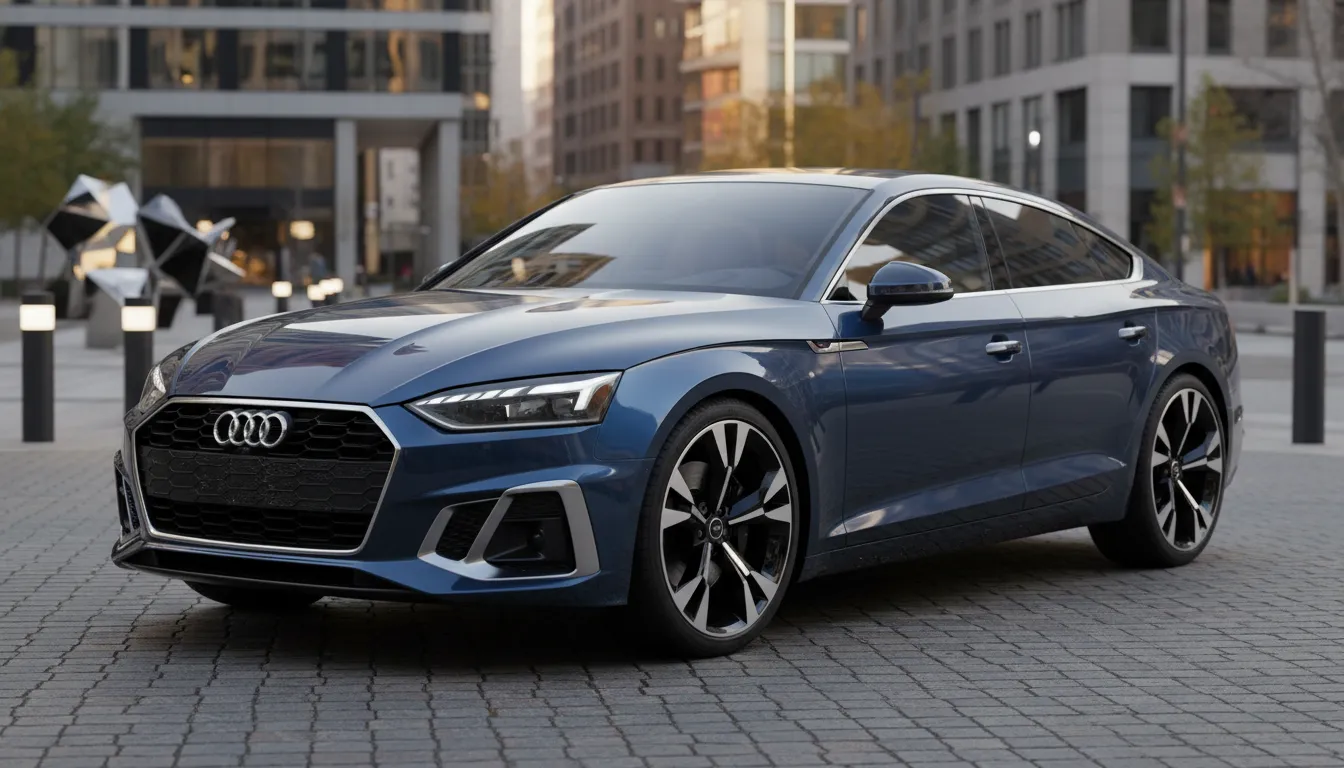
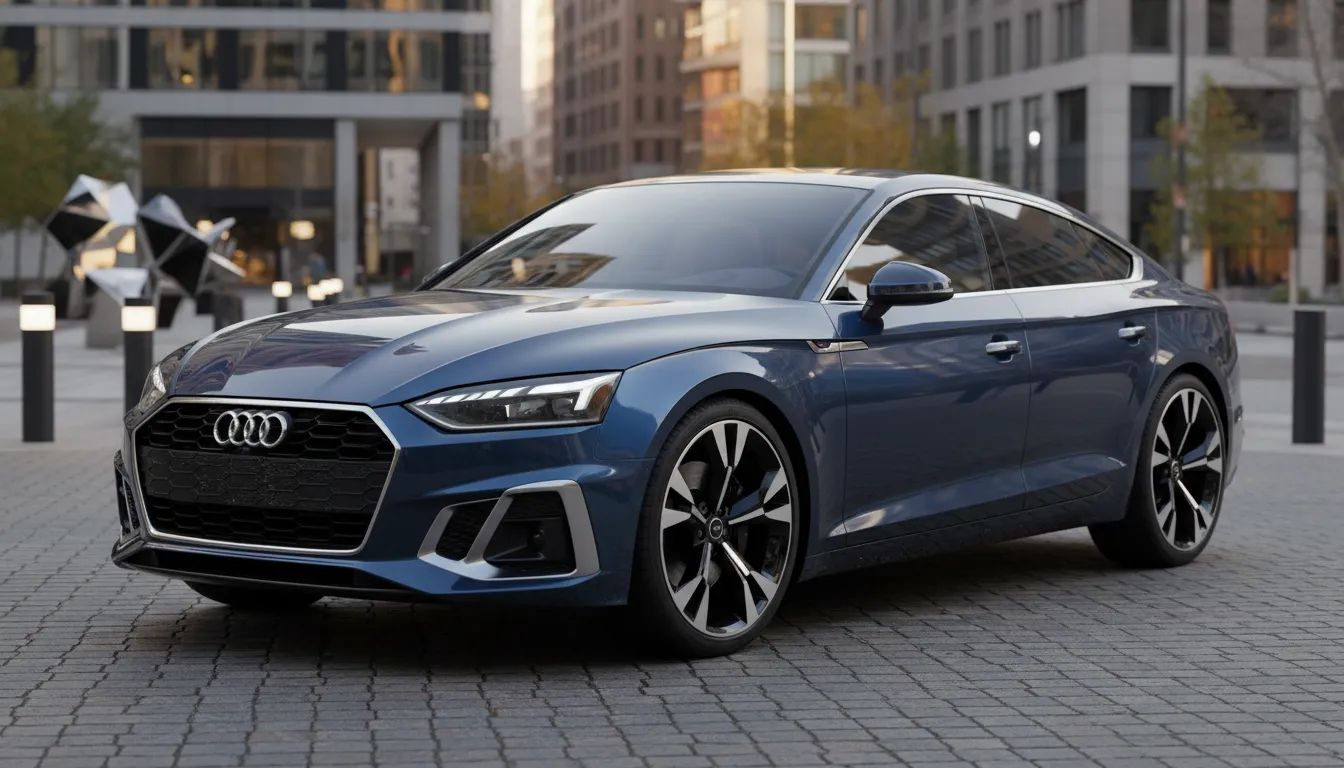
This A5 lands in that sweet spot: looks and luxury cues without the six-figure sticker. The new hood and headlight treatment give the front end a sharper, more futuristic feel. Details like the chrome window trim, body-colored mirror caps and electronic flush door handles lift the overall presence without feeling overdone.
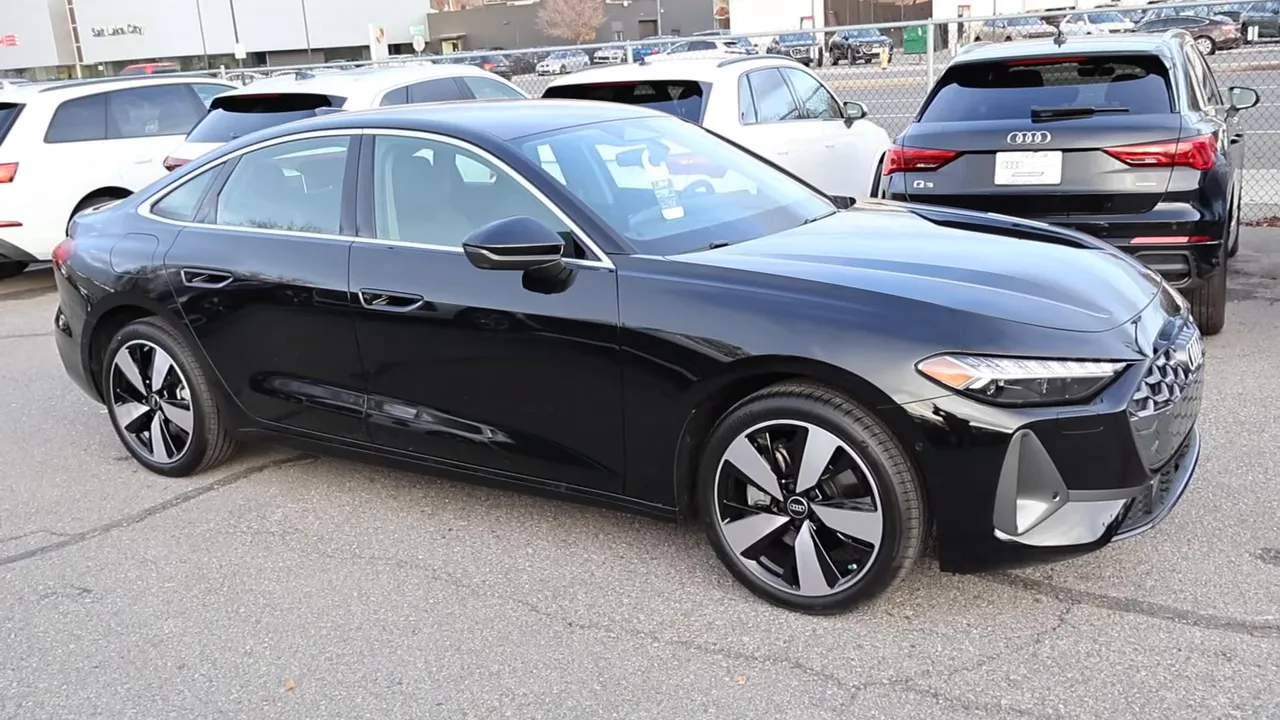
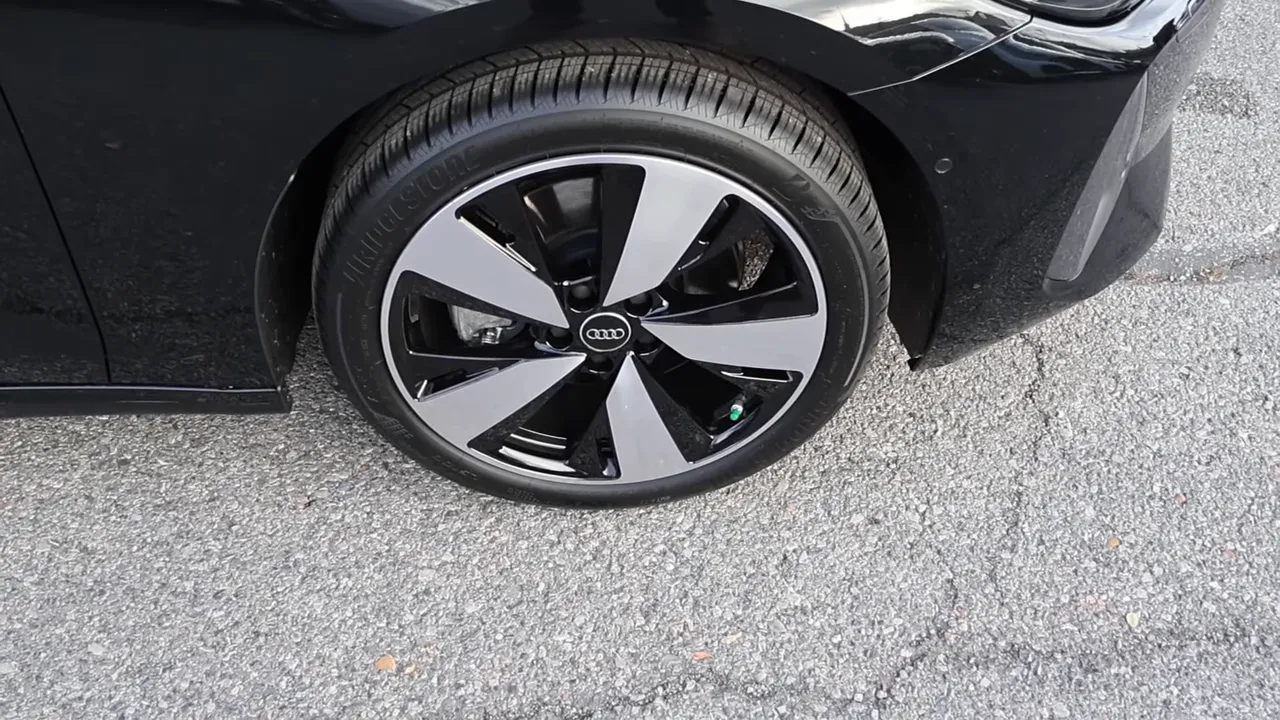
The wheel and tire setup reads sporty—245/40R19 wrapped on a two-tone design with blacked-out centers that almost look like blades slicing through the side profile. At the rear, a broad light bar and aggressive exhaust tip covers finish the look cleanly.
🔑 Form meets function: hatchback practicality and small luxuries
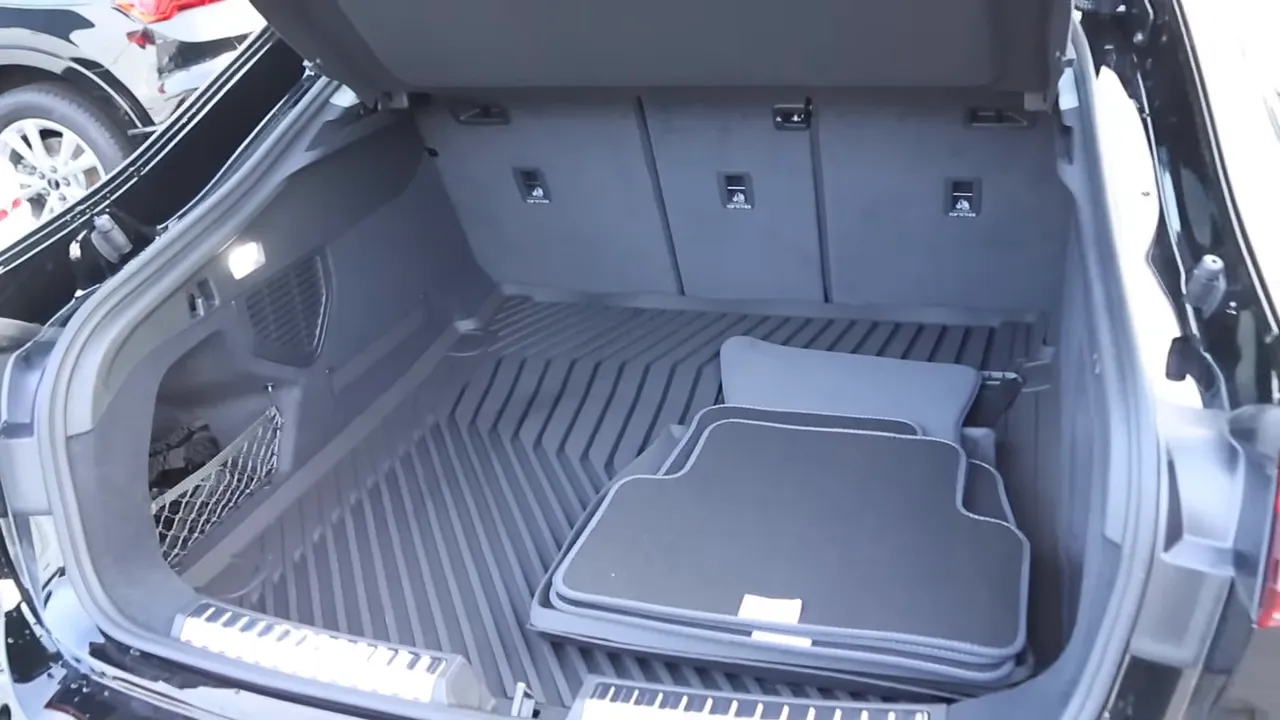
Under the stylish exterior is a practical sportback layout. The hatch is genuine cargo utility with a factory cargo cover and a power-close button for convenience. Floor mats and stitched trim feel high quality, which is one place Audi generally does well.
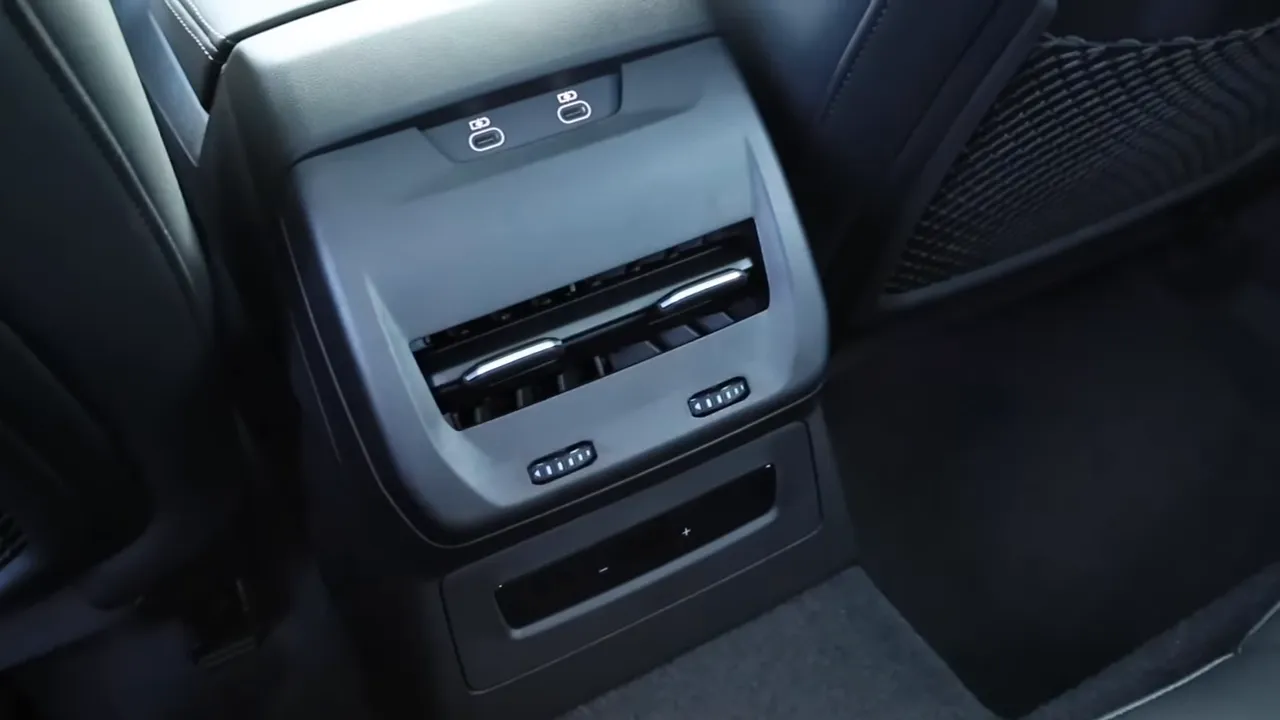
Rear space is sensible: legroom is good, headroom is fair given the sloping roofline, and you get vents, USB ports and a small rear sunshade. It’s not a cavern, but it’s comfortable for everyday use.
🪑 Interior: material upgrades and a massive single-screen center
The cabin mixes soft-touch surfaces with a clean layout. Seats are perforated and stitched, and the front seats offer power adjustments and lumbar support. The steering wheel is a two-spoke design with practical controls and paddles for the seven-speed automatic.
The instrument cluster is fully digital and there’s a heads-up display for key info. A 360-degree camera system provides crisp views for parking and tight maneuvering.
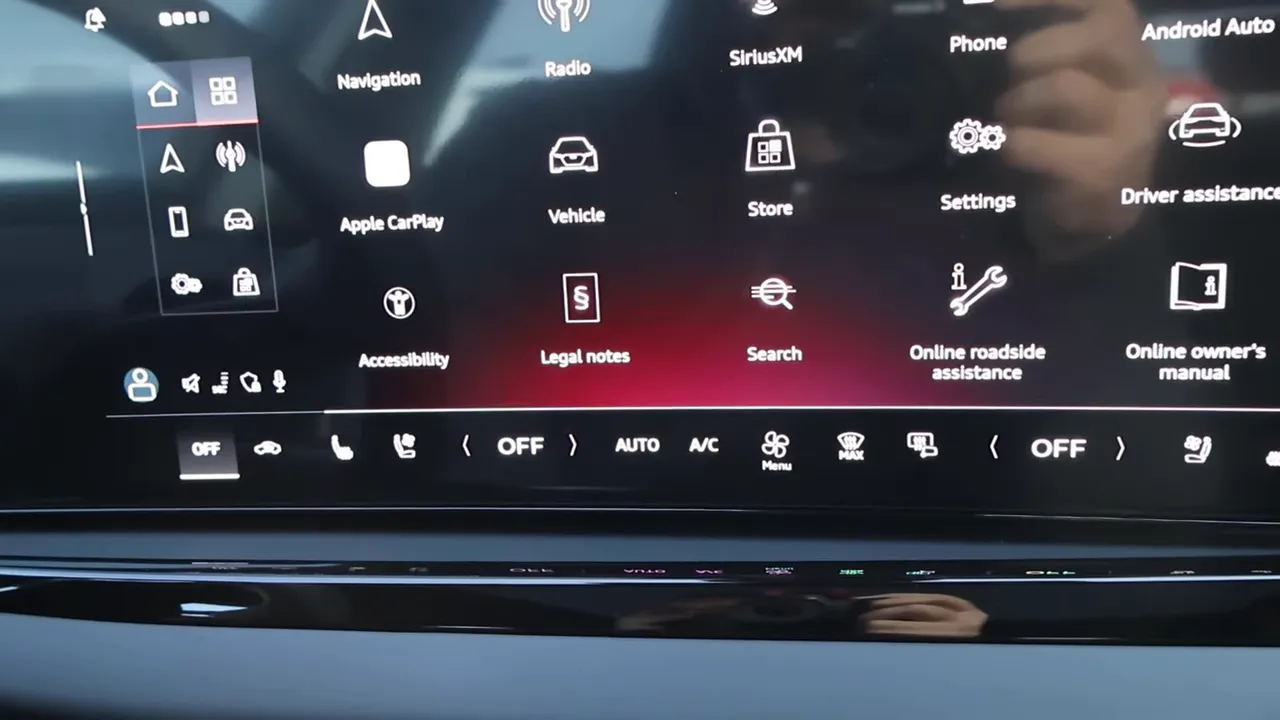
One notable pivot for Audi: a consolidated center interface. Instead of two stacked screens, Audi rolled many functions into one large touchscreen with a shortcut bar, Apple CarPlay and Android Auto integration, and climate controls at the bottom of the display. It’s responsive, but it trades tactile feedback for a sleeker look.
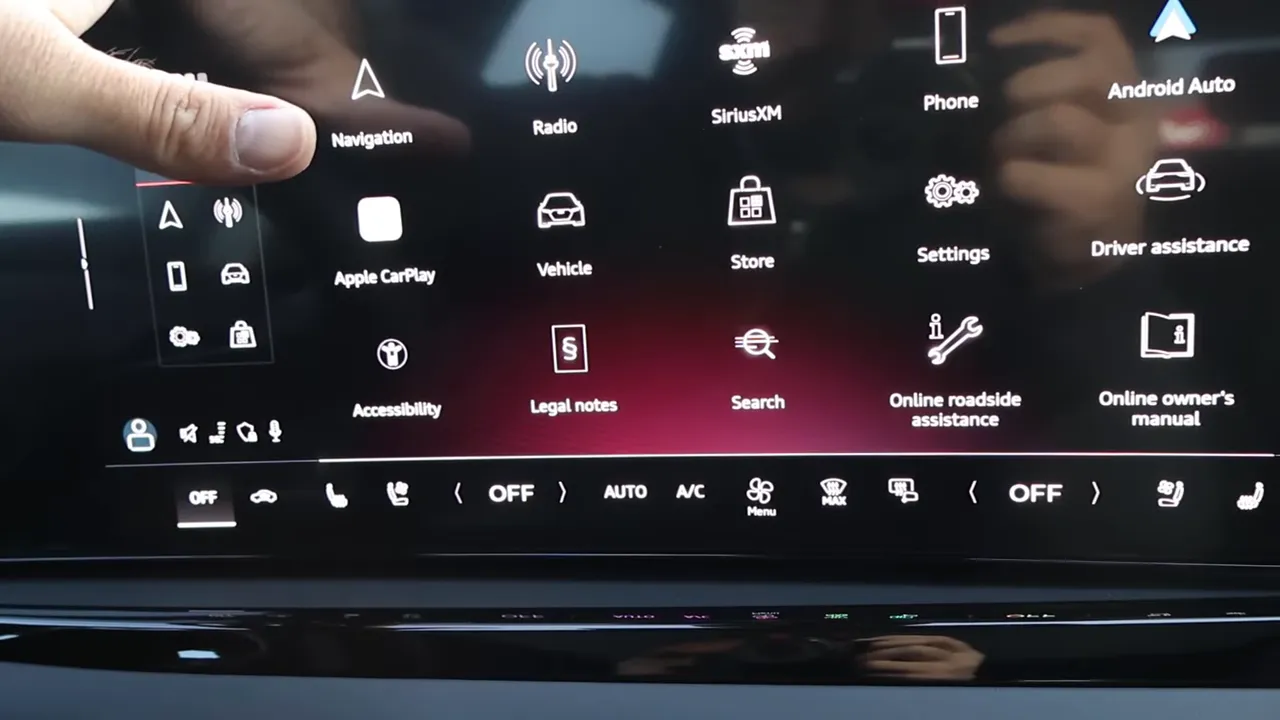
Small but useful touches include a wireless charging pad, a tiny volume knob, drive-mode selector, and a locking center console. There’s also a cool privacy feature that can make a section of the cabin glass go opaque or transparent at a button press.

🔧 Powertrain and specs
- Engine: 2.0-liter 4-cylinder
- Transmission: 7-speed automatic
- Power: 268 horsepower
- Torque: 295 lb-ft
- Fuel economy: ~22 mpg city / 31 mpg highway
- MSRP (as-tested): $56,775
🛣️ On the road: comfortable, composed, not flashy
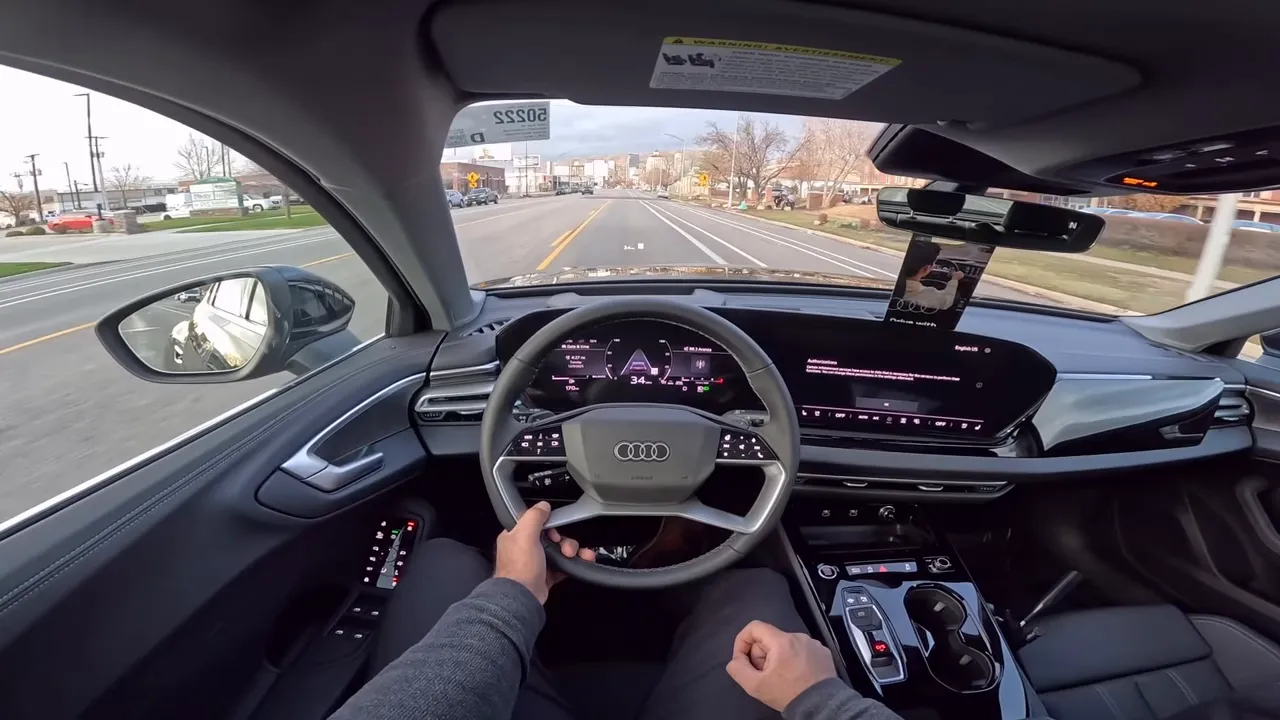
Driving the A5 feels like driving a balanced luxury cruiser. The suspension soaks up bumps well, it’s quiet, and the ride is comfortable without feeling numb. The power delivery is even—unlike the more aggressive RS3, this A5 isn’t torque-steer heavy. It’s meant to be polished and approachable rather than neck-snapping fast.
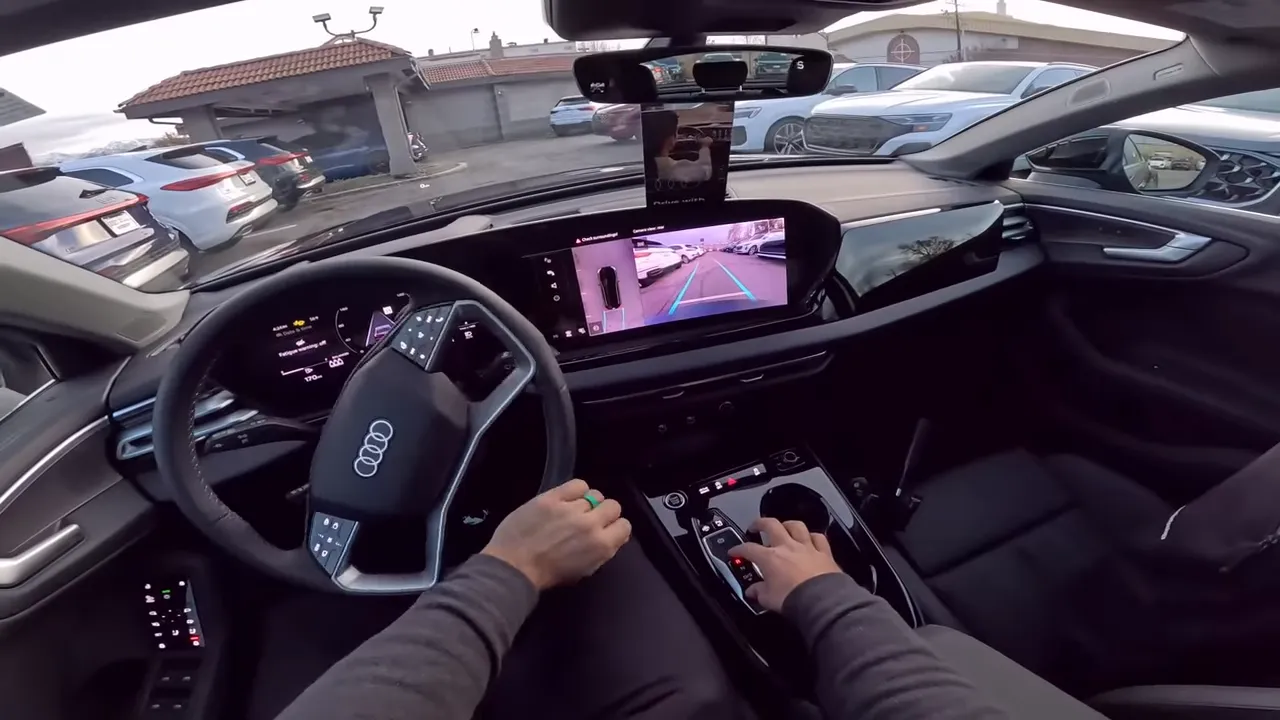
Comparing it to higher-trim siblings, the interior and seats don’t match an S5’s level of sportiness or bolstering. But for a mid-50s price point, the A5 gives a lot of desirable traits: presence, comfort, and refinement.
🤔 The gimmick debate: when tech impresses and when it annoys
Audi adds a few showy elements—wraparound speaker treatments, big screens and privacy glass. Those features can be fun because luxury often means a bit of theater. At the same time, consolidating physical controls into touch-only interactions introduces a trade-off: cleaner aesthetics in exchange for extra glances at the screen.
Physical knobs and buttons let you reach without looking. Touch menus demand attention. If you prioritize a tactile driving environment, this move toward screen-based controls may feel like a step back. If you want a modern, minimalist cabin that wows passengers, it will probably hit the mark.
✅ Final takeaways: who this A5 is for
- Buy this if you want a stylish, comfortable luxury sportback with practical cargo space and modern tech.
- Expect refined daily driving, decent efficiency, and an interior that leans more toward comfort than hardcore sportiness.
- Skip it if you need the fastest performance variants or prefer lots of physical controls instead of touch interfaces.