

The 2026 Ford Expedition Max Platinum and 2026 Chevrolet Suburban High Country are two of the largest, most luxurious family SUVs you can buy. Both offer three usable rows, generous cargo space, strong towing capability, and available hands-free highway assistance. Your better choice depends on the exact options fitted and whether you prefer Ford’s turbocharged torque and split tailgate or Chevrolet’s V8 character, larger cargo measurements, and available air suspension.
Quick Answer
Choose the Expedition Max Platinum if you want the Ford Split Gate, a wide digital cockpit, standard BlueCruise equipment, and up to 440 horsepower with the optional high-output engine. Choose the Suburban High Country if you prefer a standard 6.2-liter V8, more measured cargo room, familiar controls, and available Super Cruise and air suspension.
Key Takeaways
- The Expedition Max Platinum makes 400 horsepower and 480 pound-feet of torque in standard form. Its available high-output V6 raises that to 440 horsepower and 510 pound-feet.
- The Suburban High Country includes a 420-horsepower, 6.2-liter V8 and offers Magnetic Ride Control with available Four-Corner Air Ride Adaptive Suspension.
- Chevrolet lists 41.5 cubic feet behind the third row and 144.5 cubic feet with the rear rows folded. Ford lists 37.4 cubic feet behind the third row in Expedition MAX models.
- Both brands offer hands-free highway assistance. Ford equips Platinum models with BlueCruise, while Chevrolet offers Super Cruise on High Country.
- Exact towing, payload, fuel economy, wheels, and driver-assist subscriptions depend on drivetrain, packages, passengers, and the individual vehicle’s labels.
Configuration note: This comparison focuses on highly equipped long-wheelbase models similar to the vehicles shown in the embedded video. Ford and Chevrolet sell several drivetrain and package combinations, so equipment on a dealer vehicle may differ from the examples discussed below.
Exterior size and road presence
Both SUVs are long, wide, body-on-frame vehicles that demand extra space in garages and parking lots. The Expedition has a squared-off shape, a broad grille, and Ford’s newer lighting treatment. The Suburban uses Chevrolet’s split-light design and keeps a more traditional large-SUV appearance.
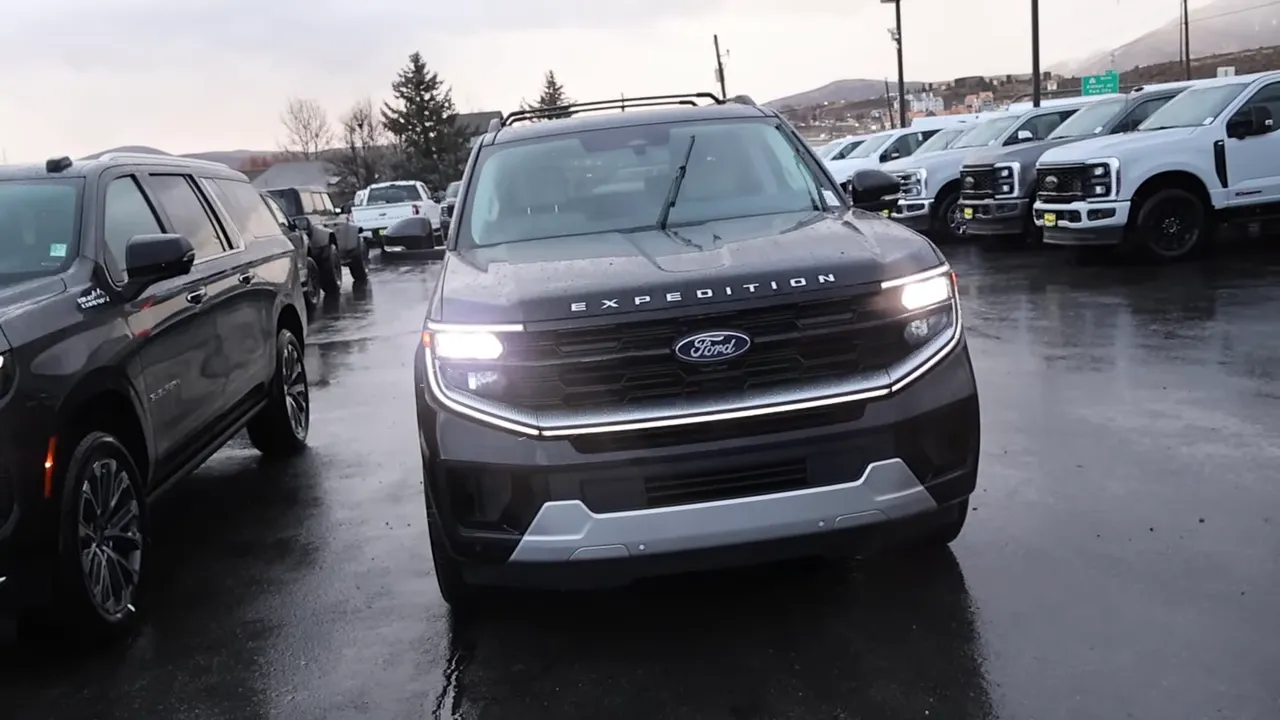
The vehicles shown use large wheel-and-tire packages. The Ford test vehicle appears to have 24-inch wheels with 285/40R24 tires, while the Chevrolet example uses 22-inch wheels with 275/50R22 tires. Those details are configuration-specific. The 2026 Expedition Max Platinum lists 20-inch wheels as standard, and larger wheels come through optional packages. Chevrolet also offers larger wheels on the High Country.
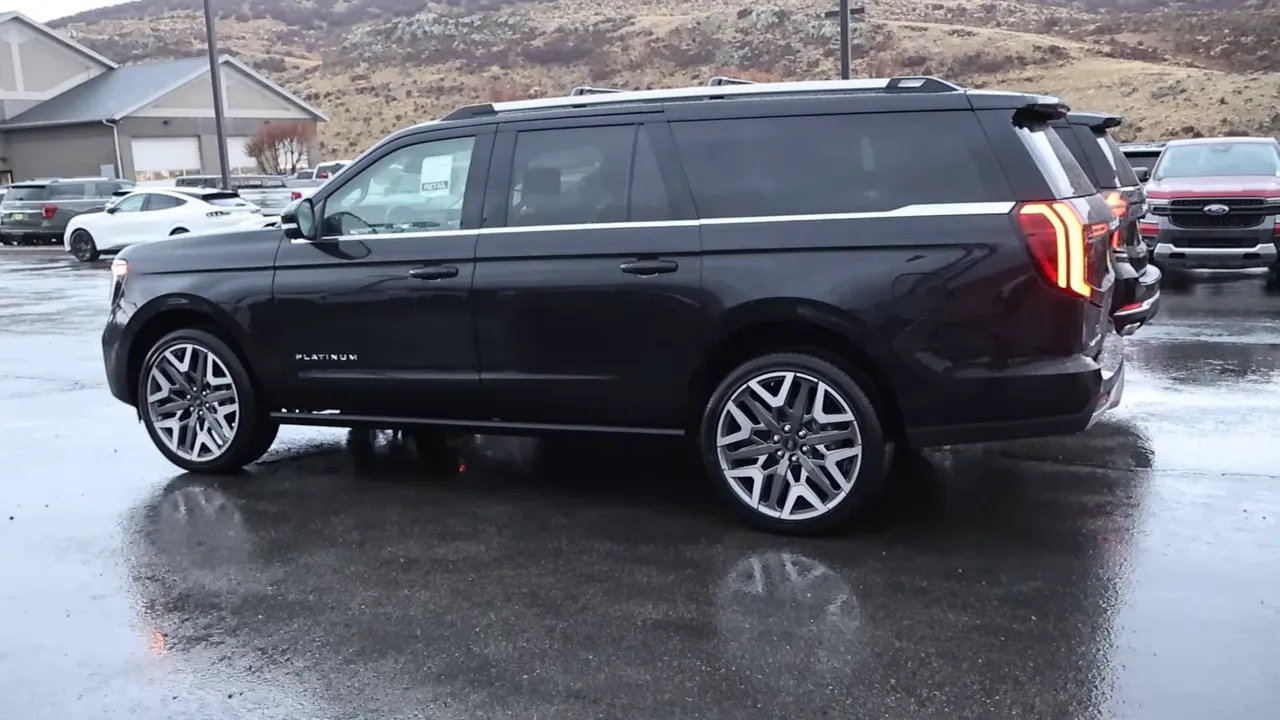
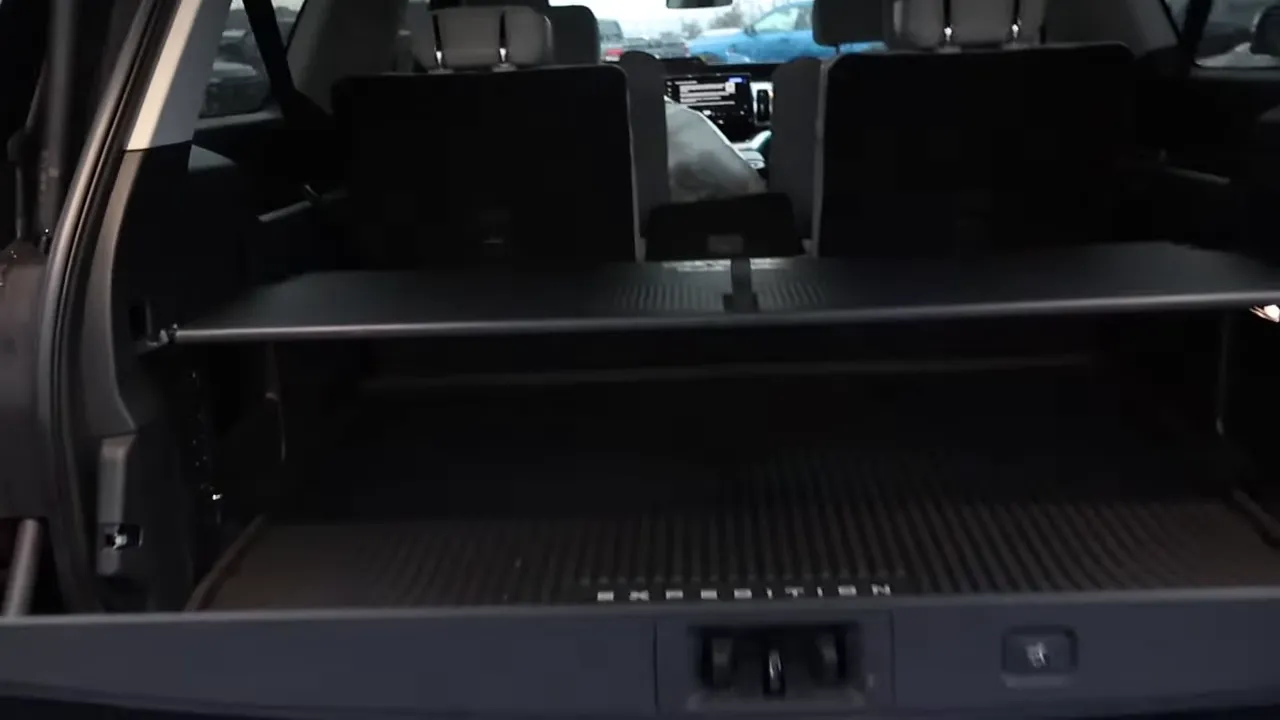
Power running boards or side steps can make entry easier, but they also add moving parts and reduce clearance in some situations. Ford’s more distinctive utility feature is the Ford Split Gate. Its powered upper and lower sections can improve loading access, and the lower section can serve as a seat or loading platform when used within Ford’s limits. The Suburban uses a conventional powered liftgate, which is simpler and familiar.
Pro Tip: Bring both SUVs home before buying if the dealer allows it. Check garage depth, door clearance, driveway slope, power-step clearance, and how far the liftgate or split gate extends when open.
Passenger space and cargo practicality
Both cabins can carry adults in all three rows more comfortably than most midsize SUVs. High-end configurations commonly use second-row captain’s chairs, reducing seating capacity but improving aisle access. The Suburban High Country adds upscale materials, heated and ventilated front seats, available rear entertainment, and dedicated rear climate controls.

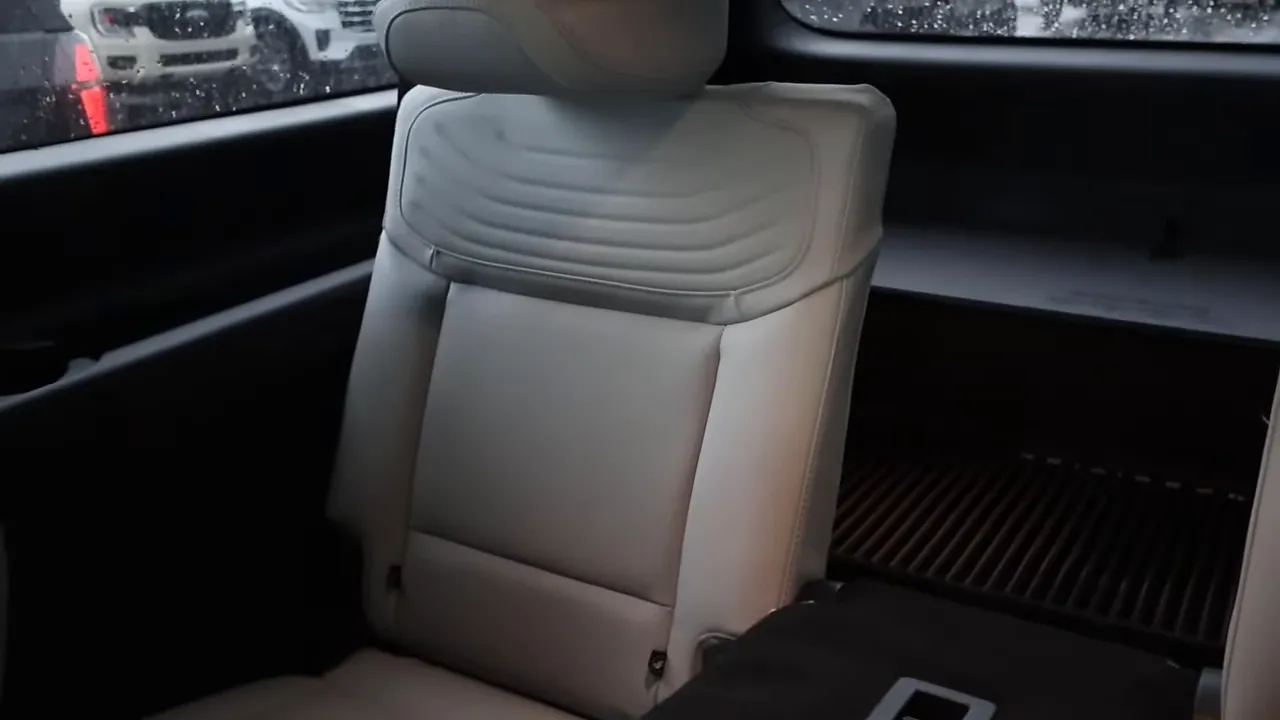
The Expedition Max Platinum also provides heated second-row captain’s chairs, abundant cup holders, multiple USB ports, and power-folding rear seats. Ford’s available flexible third-row arrangement can fold the narrow center section separately, which helps when you need to carry a long item while keeping outboard third-row seats available.
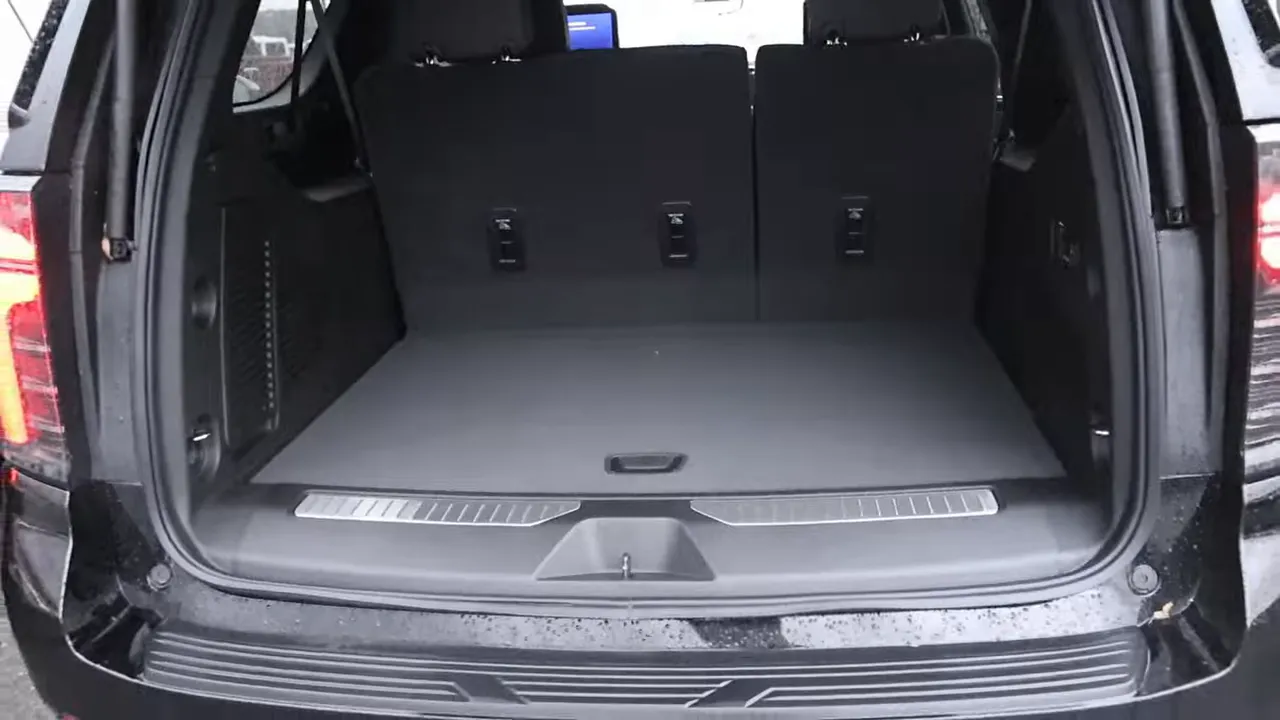
Published cargo measurements favor the Chevrolet. Chevrolet lists 41.5 cubic feet behind the third row, 93.8 cubic feet behind the second row, and 144.5 cubic feet behind the first row. Ford lists 37.4 cubic feet behind the third row for Expedition MAX models. Measurement methods can differ, so test your own stroller, luggage, coolers, or sports equipment instead of relying only on the largest number.
The payload stickers shown in the video were roughly 1,360 pounds for the Ford and about 1,395 pounds for the Chevrolet. Those values apply only to those individual vehicles. Factory options can change payload substantially, so use the yellow Tire and Loading Information label on the exact SUV you plan to buy.
Note: Payload includes passengers, luggage, accessories, and trailer tongue weight. A full cabin can reduce the remaining capacity available for towing much faster than the headline tow rating suggests.
Engines, performance, and fuel economy
The two brands use different approaches. Ford relies on a twin-turbocharged V6, while Chevrolet keeps a naturally aspirated V8 as the standard High Country gasoline engine.
- 2026 Ford Expedition Max Platinum: A 3.5-liter EcoBoost V6 and 10-speed automatic are standard. Ford lists 400 horsepower and 480 pound-feet of torque. The available high-output V6 raises output to 440 horsepower and 510 pound-feet.
- 2026 Chevrolet Suburban High Country: A 6.2-liter EcoTec3 V8 and 10-speed automatic are standard, producing 420 horsepower and 460 pound-feet of torque.
The Ford’s extra torque with the high-output engine can make merging and passing feel effortless. Turbocharged torque also suits heavy loads and steep grades, although throttle response and sound differ from a large V8. The Chevrolet’s 6.2-liter engine delivers linear response, familiar V8 sound, and smooth power at higher engine speeds.
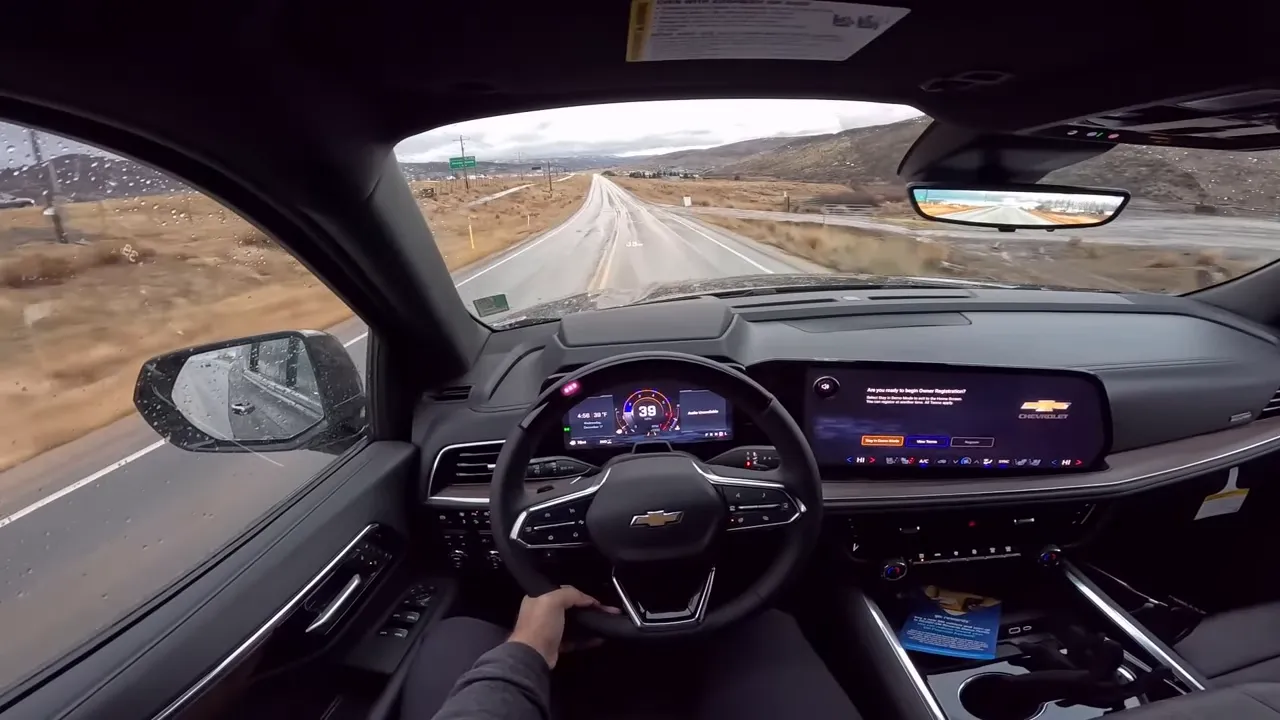
Ford lists 15 mpg city and 22 mpg highway for several 3.5-liter Expedition configurations, including high-output applications. The video cites 14 mpg city and 18 mpg highway for the tested Suburban 6.2-liter 4WD. Check the Monroney window sticker because drivetrain, wheel size, and packages can change the final rating.
Fuel cost may also differ because Chevrolet recommends 91-octane premium fuel for the 6.2-liter V8. Real-world consumption will depend on speed, weather, cargo, towing, idling, and how often you use the available power.
At a Glance
| Engine output | Ford: 400 hp/480 lb-ft standard, or 440 hp/510 lb-ft available. Chevrolet: 420 hp/460 lb-ft standard. |
| Maximum towing | Expedition MAX: up to 9,000 lb when properly equipped. Suburban lineup: up to 8,200 lb when properly equipped. |
| Cargo behind third row | Expedition MAX: 37.4 cu. ft. Suburban: 41.5 cu. ft. |
| Hands-free highway system | BlueCruise is equipped on Expedition Platinum models. Super Cruise is available on Suburban High Country. |
| Standout utility feature | Ford Split Gate versus Chevrolet’s larger published cargo volume and available Four-Corner Air Ride Adaptive Suspension. |
Towing capability and load limits
The Expedition has the higher published ceiling in this long-wheelbase comparison. Ford lists up to 9,000 pounds for a properly equipped Expedition MAX 4×4 with the Heavy-Duty Trailer Tow Package. The 9,600-pound Ford figure applies to certain standard-wheelbase Expedition 4×4 configurations, not the MAX model.
Chevrolet lists up to 8,200 pounds for the 2026 Suburban lineup when properly equipped. The exact High Country rating can be lower depending on drivetrain, axle ratio, wheels, passengers, and options. Neither maximum should be treated as the amount every vehicle can tow in every situation.
Warning: Use the exact vehicle’s trailering guide, door-jamb payload label, hitch rating, gross combined weight rating, and trailer tongue weight. Do not choose a tow vehicle from one maximum marketing number alone.
Ride, steering, and everyday maneuverability
Both SUVs use independent rear suspension, which improves third-row space and ride control compared with older solid-axle designs. Their long wheelbases help settle highway motion, but large wheels and low-profile tires can transmit sharper impacts over broken pavement.
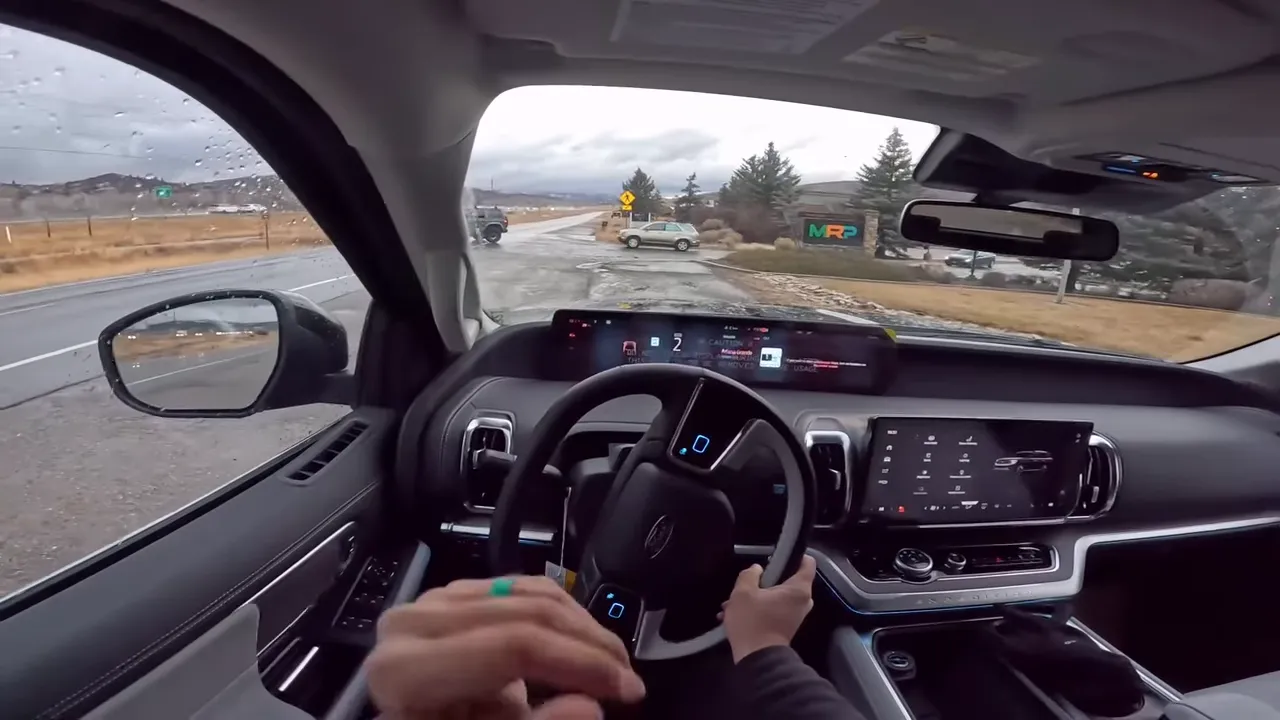
The Expedition uses a flattened, non-circular steering wheel. Some drivers may like the clearer view of the wide display, while others may need time to adjust during tight turns and parking maneuvers. Steering feel is light and filtered, which suits relaxed highway driving but may not satisfy drivers who want strong road feedback.
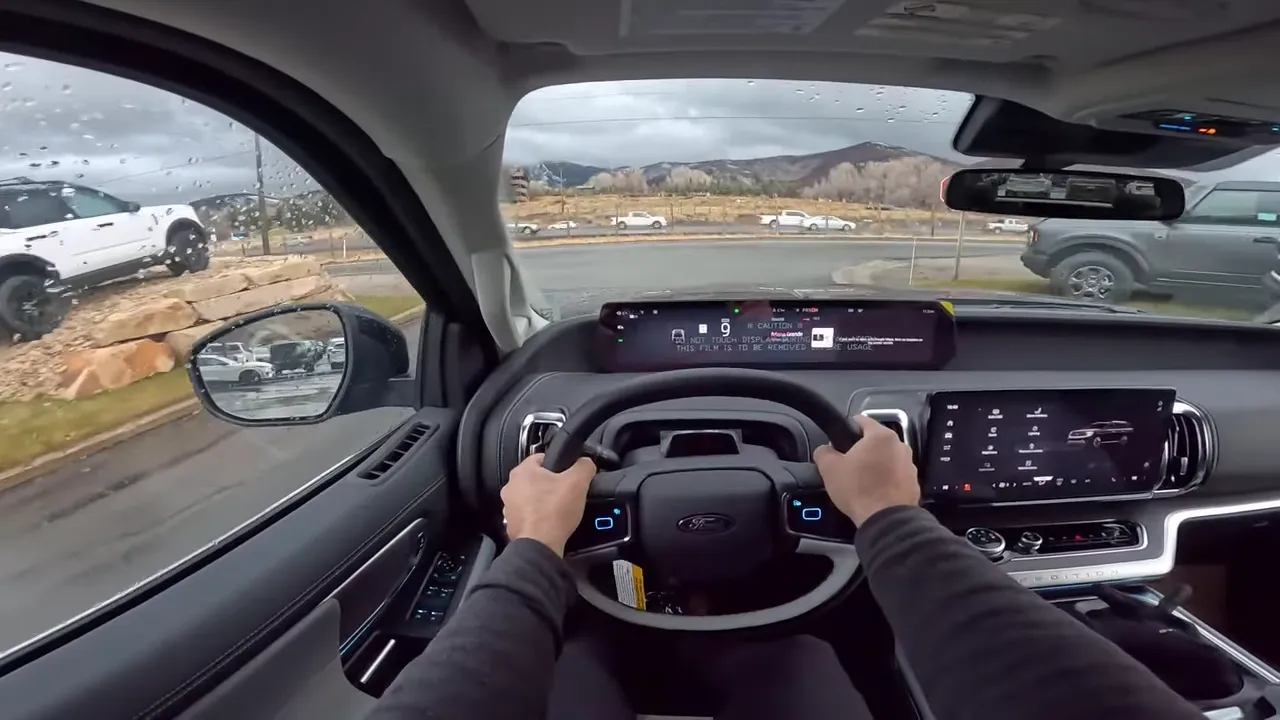
The Suburban High Country includes Magnetic Ride Control and offers Four-Corner Air Ride Adaptive Suspension. The air system can adjust ride height for entry, loading, aerodynamics, and additional clearance. It is optional, so confirm it on the window sticker rather than assuming every High Country includes it.
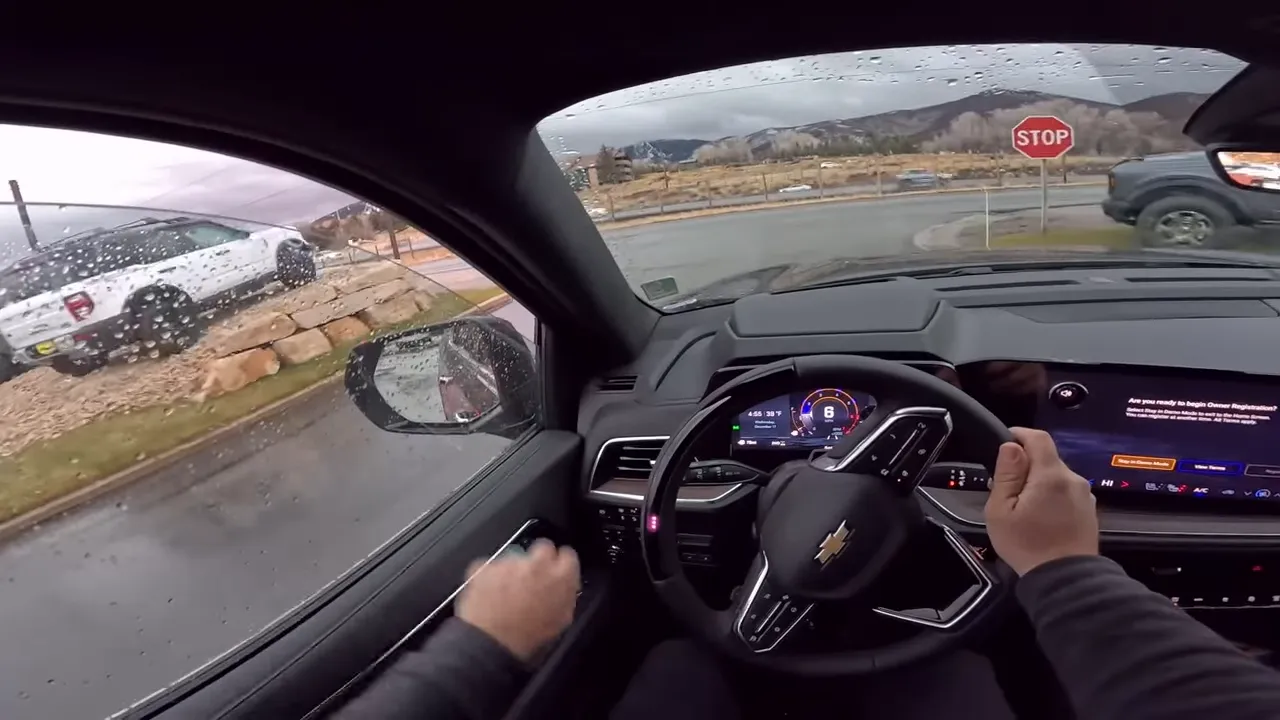
Neither SUV hides its size. Tight ramps, older parking garages, drive-through lanes, and narrow streets require planning. Surround-view cameras, parking sensors, and clear mirrors reduce stress, but they do not shorten the vehicle or eliminate blind spots.
Warning: A short dealership loop is not enough. Test both SUVs on rough pavement, at highway speed, in a tight parking lot, and on the steepest driveway or ramp you use regularly.
Technology, controls, and driver assistance
The Expedition uses a 24-inch panoramic display positioned near the base of the windshield plus a 13.2-inch center touchscreen. The layout looks modern and keeps important information high in the driver’s view, but several functions depend on touch menus. Spend time changing climate, audio, camera, and driver-assist settings before deciding that the interface works for you.
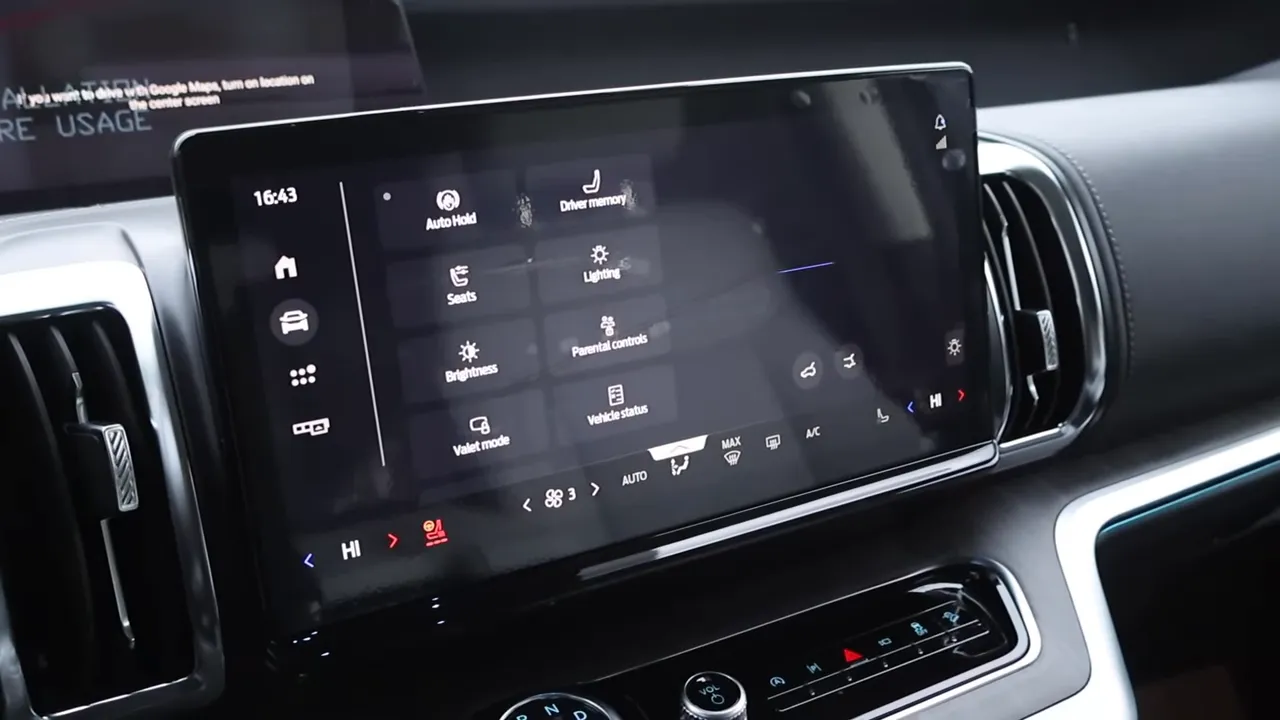
The Suburban uses a 17.7-inch center touchscreen and an 11-inch driver display, with more visible physical controls for common climate and vehicle functions. That arrangement may feel easier to learn, especially for drivers moving from an older truck or SUV.
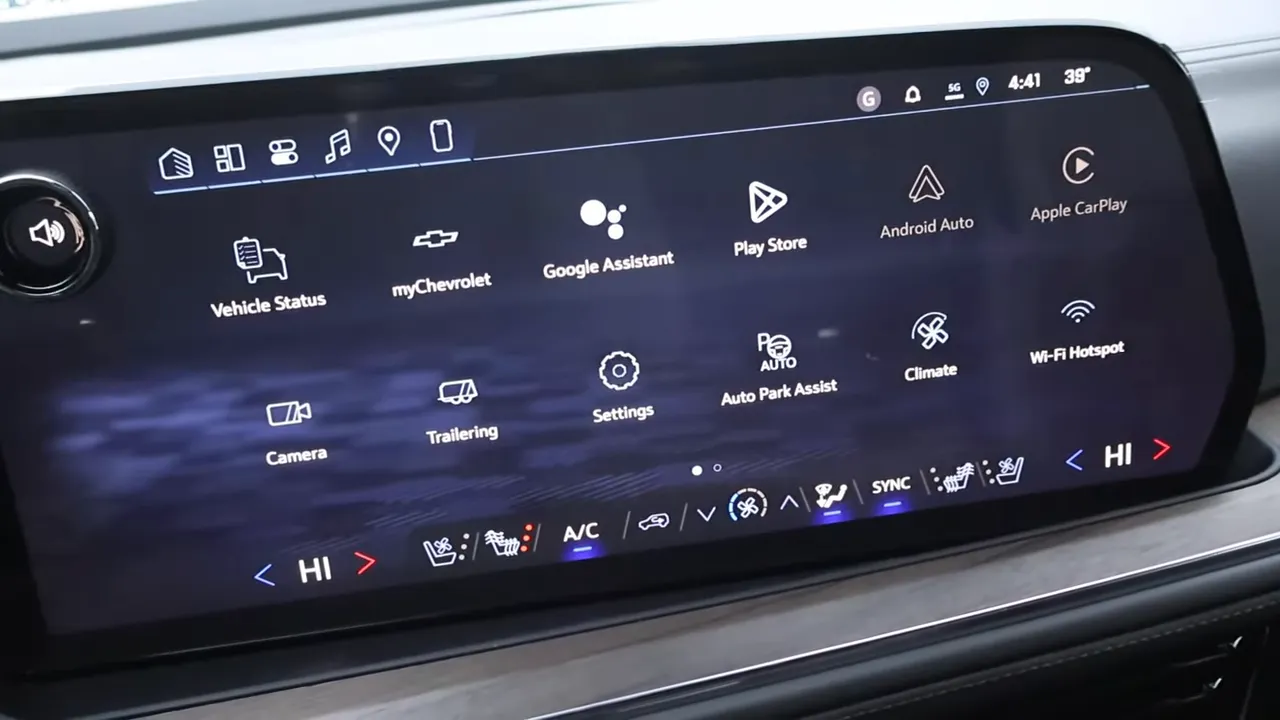
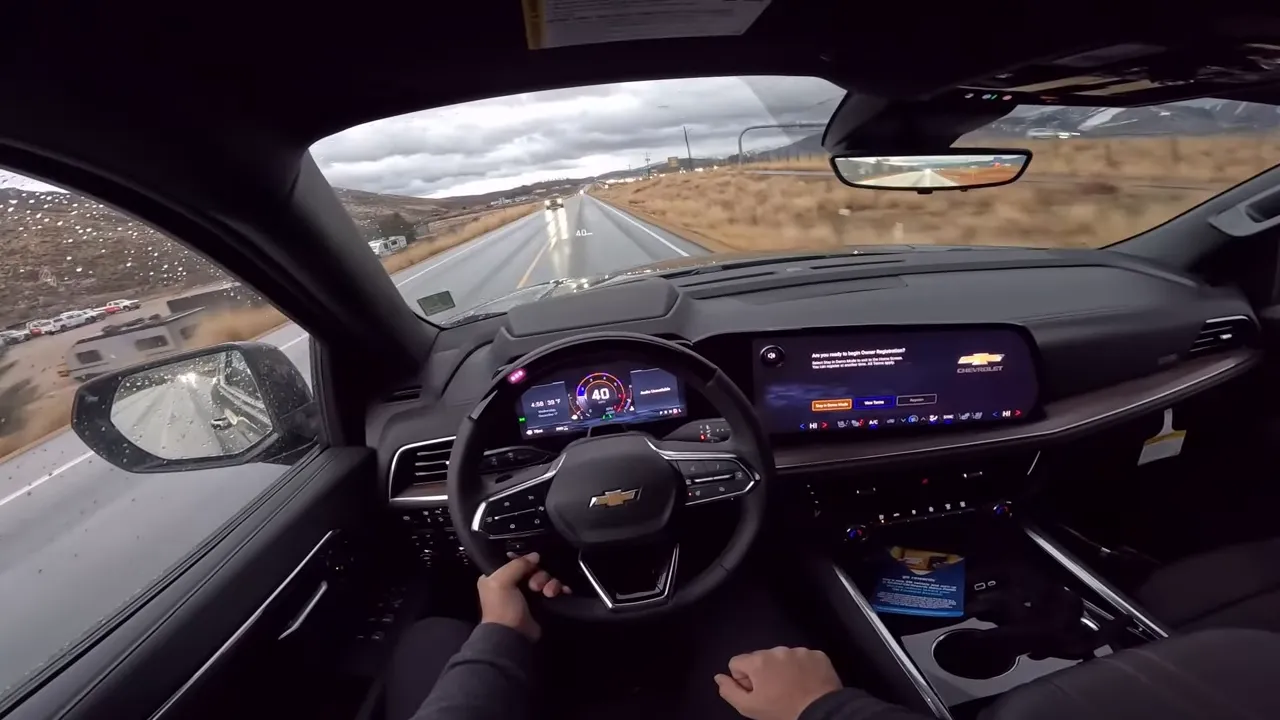
The original comparison gave Chevrolet a clear highway-assist advantage, but both SUVs deserve consideration. Expedition Platinum models are equipped with Ford BlueCruise, while Suburban High Country offers Chevrolet Super Cruise. Both are hands-free driver-assistance systems for compatible roads, and both require the driver to remain attentive.
Super Cruise can support automatic or driver-requested lane changes on compatible roads, depending on the version and vehicle configuration. BlueCruise can also assist with hands-free lane changes on supported roads. Coverage, subscription terms, towing support, and included trial periods can change, so compare the exact software plan attached to each vehicle.
Practical features that may decide the comparison
- Ford Split Gate: The powered upper and lower sections offer flexible loading and a useful place to sit when parked.
- Chevrolet suspension choices: Magnetic Ride Control is paired with available Four-Corner Air Ride Adaptive Suspension on High Country.
- Power-folding rear seats: Both vehicles make it easier to switch between passenger and cargo layouts from the rear area.
- Cabin insulation: The Ford test vehicle appeared to use laminated or double-pane glass in multiple positions. Glass specifications vary by package, so confirm the exact build rather than generalizing from one unit.
- Camera systems: Both offer surround-view camera technology, which is especially useful when parking or aligning a trailer.
- Rear passenger technology: Chevrolet offers rear-seat screens, while Ford emphasizes device connectivity, USB access, and its wide front display system.
Price, ownership costs, and value
These vehicles can approach or exceed six figures after destination charges, premium paint, large wheels, towing equipment, suspension upgrades, entertainment systems, and appearance packages. The video examples were priced in the mid-to-high $90,000 range, but dealer inventory and current incentives can change quickly.
The Expedition may offer stronger value if you prioritize the split gate, the available high-output engine, BlueCruise equipment, and the higher MAX tow ceiling. The Suburban may justify its cost through the standard 6.2-liter V8, larger published cargo measurements, more traditional controls, and available suspension and Super Cruise technology.
Long-term costs extend beyond the purchase price. Large tires, premium fuel for the Chevrolet 6.2-liter, insurance, brakes, towing-related wear, driver-assist subscriptions, and complex suspension or electronics can all affect ownership expenses. Compare tire replacement prices and warranty coverage for the exact builds before signing.
The Expedition Max is the stronger utility and torque play when properly optioned, while the Suburban High Country counters with more measured cargo room, a standard V8, and a familiar premium-SUV experience.
Who should choose the Expedition Max Platinum?
Choose the Ford if the split gate will improve how you load gear, you prefer the panoramic display layout, or you want the available 440-horsepower V6. It also makes sense when the higher 9,000-pound MAX tow ceiling matters and the exact configuration has enough payload for your passengers and trailer tongue weight.
Who should choose the Suburban High Country?
Choose the Chevrolet if you want a standard 6.2-liter V8, larger published cargo volume, more visible physical controls, or the combination of Magnetic Ride Control and available air suspension. Super Cruise may also be a deciding feature if its compatible-road coverage and subscription plan suit your regular routes.
Quick pros and cons at a glance
Ford Expedition Max Platinum
- Pros: Strong standard torque, available 440-horsepower engine, Ford Split Gate, 37.4 cubic feet behind the third row, BlueCruise equipment, and up to 9,000 pounds of MAX towing when properly equipped.
- Cons: High-output power and some luxury features require packages, the touchscreen-heavy interface may distract some drivers, and the flattened steering wheel can require adjustment.
Chevrolet Suburban High Country
- Pros: Standard 420-horsepower V8, 41.5 cubic feet behind the third row, familiar controls, Magnetic Ride Control, available air suspension, and available Super Cruise.
- Cons: Lower maximum tow rating than Expedition MAX, premium fuel is recommended for the 6.2-liter V8, and desirable technology or suspension features may be optional.
Decision guide: what to test during a comparison drive
- Compare ride comfort on broken pavement with the actual wheel packages you plan to buy.
- Accelerate onto a highway with passengers aboard to judge throttle response and transmission behavior.
- Use the climate, audio, seat, camera, and navigation controls without help from a salesperson.
- Fold every rear seat and load the bulky items you carry most often.
- Try the Ford Split Gate and the Chevrolet liftgate in a garage-sized space.
- Test BlueCruise and Super Cruise only where the dealer confirms legal, compatible operation.
- Park both vehicles in a tight lot and compare camera clarity, turning effort, and outward visibility.
- Check third-row knee room, headroom, USB access, cup holders, and entry with real passengers.
- Read the payload label and towing information on each exact vehicle, not a generic brochure.
- Compare the window stickers for optional packages, subscription terms, wheel sizes, and fuel-economy ratings.
Final thoughts
The 2026 Expedition Max Platinum and 2026 Suburban High Country solve the same family-hauling problem with different personalities. Ford emphasizes turbocharged torque, a wide digital cockpit, BlueCruise, and the versatile Split Gate. Chevrolet emphasizes a standard V8, larger published cargo capacity, familiar controls, and available Super Cruise and air suspension.
The Expedition is the better fit when towing headroom, flexible rear access, and modern Ford technology lead your list. The Suburban is the better fit when V8 response, cargo measurements, and Chevrolet’s control layout matter more. The final decision should come from the exact window stickers, payload labels, and a realistic test drive because options can change the comparison significantly.
Frequently Asked Questions
Which SUV has more horsepower and torque?
The Suburban High Country’s standard 6.2-liter V8 makes 420 horsepower and 460 pound-feet of torque. The Expedition Max Platinum’s standard V6 makes 400 horsepower and 480 pound-feet. Ford’s optional high-output V6 leads the comparison with 440 horsepower and 510 pound-feet.
Which SUV has more cargo space?
Chevrolet lists 41.5 cubic feet behind the third row and 144.5 cubic feet behind the first row. Ford lists 37.4 cubic feet behind the third row in Expedition MAX models. The Suburban has the larger published measurements, although your own cargo may fit differently because of floor shape and seat design.
Which one can tow more?
Ford lists up to 9,000 pounds for a properly equipped Expedition MAX 4×4. Chevrolet lists up to 8,200 pounds for the Suburban lineup. Actual capacity depends on the exact vehicle, passengers, payload, hitch equipment, and trailer tongue weight.
Does the Expedition Max Platinum always have 440 horsepower?
No. The 2026 Expedition Max Platinum lists a 400-horsepower V6 as standard. The 440-horsepower, 510-pound-foot high-output V6 is available through selected packages, so confirm the engine on the window sticker.
Does the Suburban High Country always include air suspension?
No. High Country includes Magnetic Ride Control, while Four-Corner Air Ride Adaptive Suspension is available. Check the options list or window sticker before assuming a specific vehicle has it.
Does Ford offer a hands-free system like Super Cruise?
Yes. Expedition Platinum models are equipped with Ford BlueCruise. Both BlueCruise and Chevrolet Super Cruise provide hands-free driver assistance on compatible roads, but coverage, functions, towing support, and subscription terms differ.
Which SUV is better for families?
Both work well for large families. The Expedition favors flexible rear access, strong torque, and a panoramic display. The Suburban offers larger published cargo measurements, a standard V8, and more traditional controls. Test third-row access, child-seat placement, luggage fit, and payload with your normal passenger count.
Sources
- Ford: 2026 Expedition — official engine, display, cargo, towing, model, and feature information.
- Ford BlueCruise — official hands-free driver-assistance details and limitations.
- Chevrolet: 2026 Suburban — official engine, cargo, towing, trim, and technology information.
- Chevrolet Super Cruise — official compatible-road and hands-free feature information.
- Chevrolet Air Ride Adaptive Suspension — official explanation of ride-height functions.