
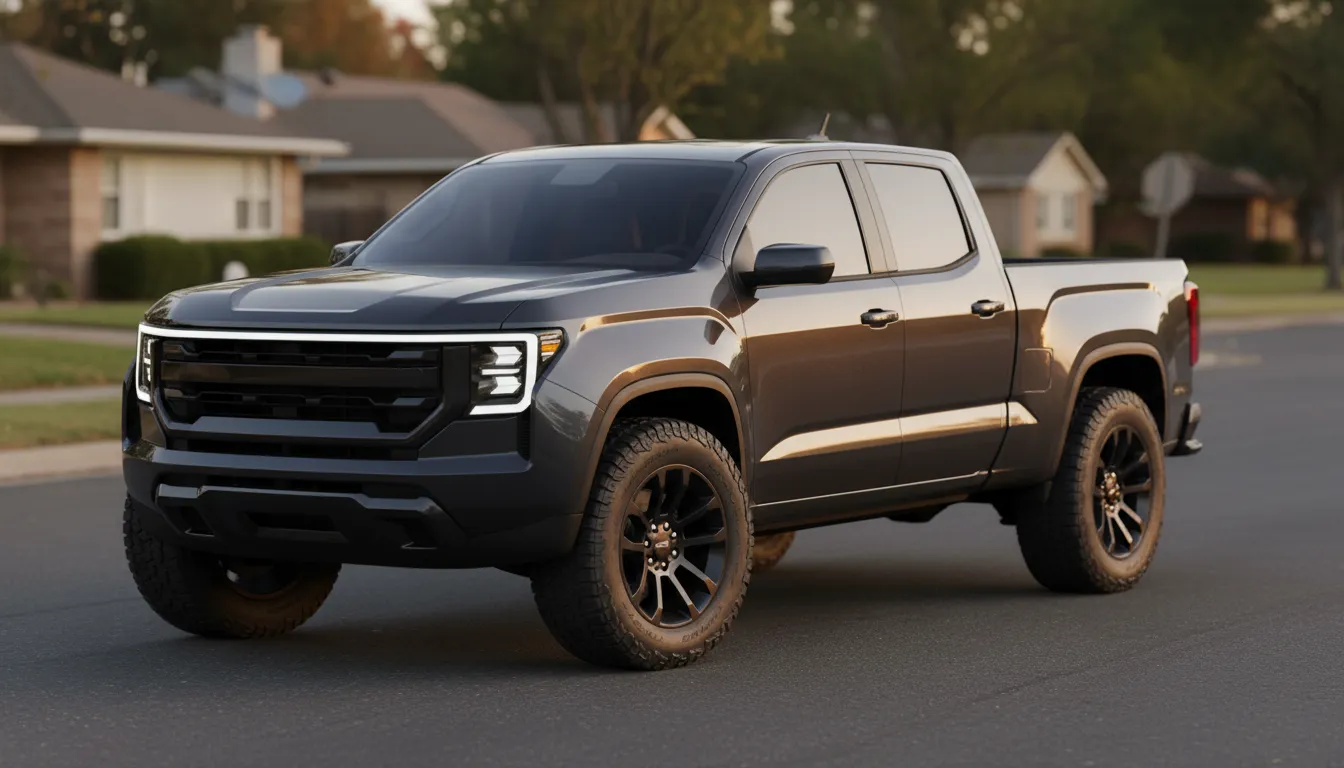
The 2026 GMC Canyon Elevation lands in a sweet spot: a mid-size pickup that feels premium enough to wear the GMC badge while keeping a price and practicality that make sense for everyday use. It’s not trying to be the most off-road-capable or the most luxurious truck on the market. Instead it leans into value, thoughtful packaging, and a driving experience that surprises for a vehicle in this class.
🚘 Why the Canyon Elevation Makes Sense
If you want a capable mid-size truck without paying through the nose for options you won’t use, the Canyon Elevation deserves a hard look. It pairs a turbocharged 2.7 liter four-cylinder with an 8-speed automatic transmission, delivering 310 horsepower and a healthy 430 pound-feet of torque. That torque figure is especially notable — it’s the kind of low-end shove that makes everyday driving and hauling effortless.
Fuel economy is reasonable for the segment, roughly in the mid-teens city and low twenties highway, depending on how you drive. A 21.4 gallon tank gives you decent range between fill-ups. All told, the Canyon Elevation is optimized for real-world ownership: good performance, decent efficiency, and a value-forward sticker price.
🔧 Exterior: Rugged Looks, Practical Details
The Elevation styling is boxy in a way that suits a pickup — straight hood lines and a split lighting design that gives the front end some attitude. Those split headlights might cost a little more to replace if you ever need them, but they give the truck a distinctive face that works.
Key exterior takeaways:
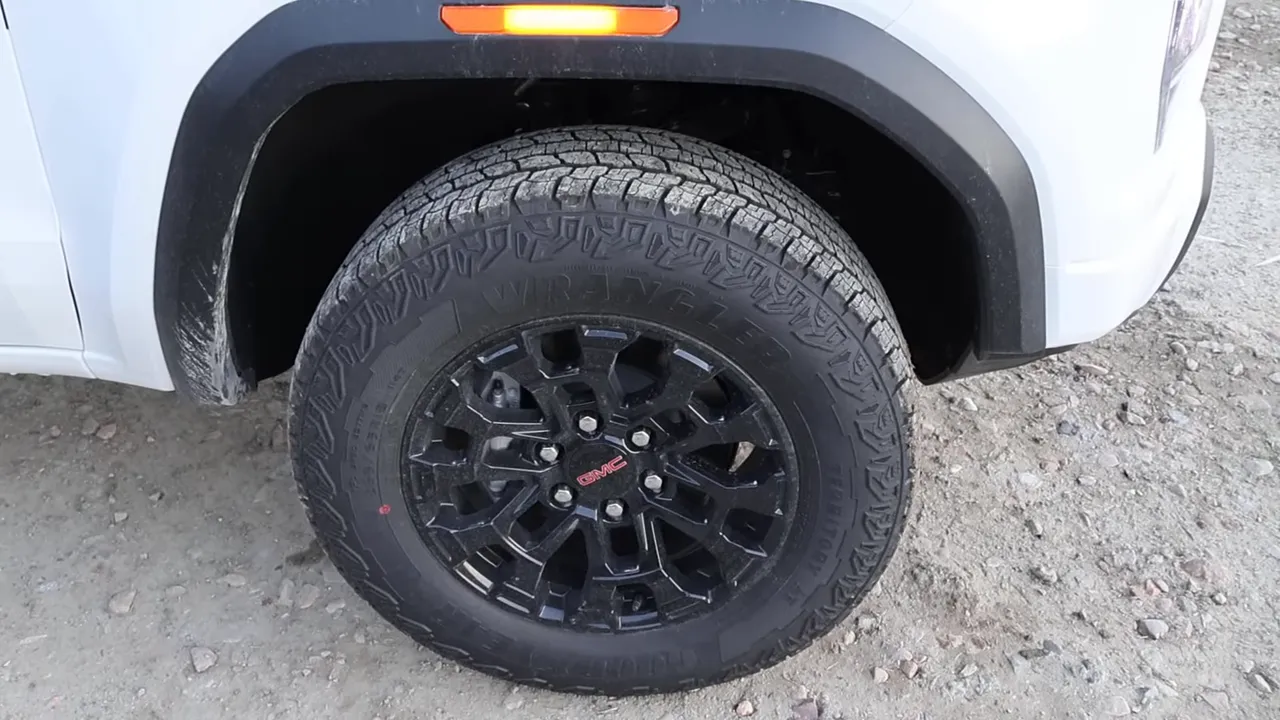
- Tire and wheel setup: 265/65 R18 all-terrain tires that provide a chunky, capable stance.
- Fender flares: Substantial flares that protect the body and add to the off-road aesthetic.
- Recovery points: Present at the lower front — a practical touch for light-duty recovery situations.
- Tailgate: Lightweight but not dampened, so it drops manually; the tailgate is easy to lift back up.
- Bed: No factory bed liner or drainable storage on the tested unit, but those are easy aftermarket additions.
The spare tire is a reminder that GMC is thinking practically, though in the tested vehicle the spare didn’t match the all-terrain rubber on the truck. The Elevation badge and body-colored bumper give it a cleaner look than base trims while still being practical.
🪑 Interior: Functional Comfort with Smart Touches
Inside, the Canyon leans conservative but thoughtful. Expect cloth seats on lower trims, soft-touch plastics in the right places, and convenient storage solutions. Rear seating is workable rather than cavernous — typical for mid-size pickups — but the cabin layout focuses on functionality.

Notable interior features:
- Digital gauge cluster: A customizable full digital cluster is responsive and useful, especially for trailer-mode views and camera zoom-in for the hitch.
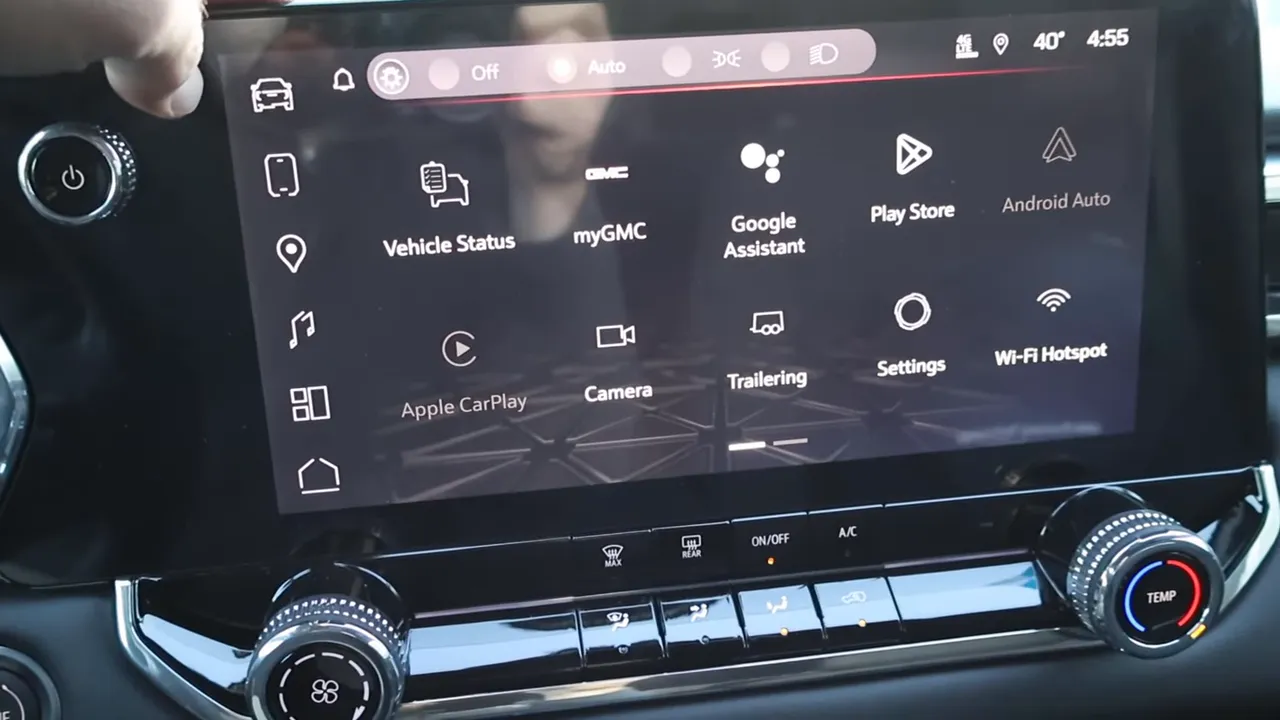
- Infotainment: Apple CarPlay and Android Auto are supported and the system responds quickly with a handy shortcut bar for vehicle functions.
- Climate controls: Physical buttons are present, but this base Elevation has a single-zone system without automatic climate control.
- Manual conveniences: The rear window opens manually, and the driver window is the only automatic window upfront.
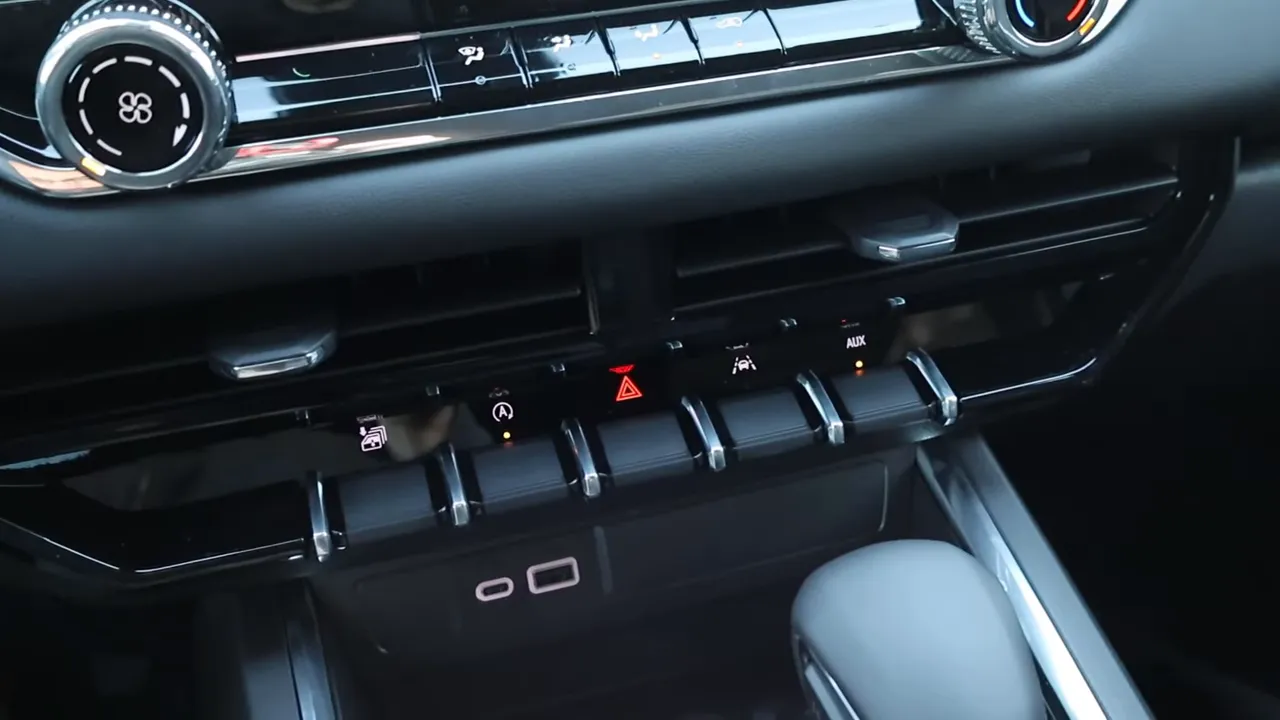
- Storage and ports: Auxiliary switches, multiple USB ports, cup holders, and a center console provide the expected utility a truck buyer wants.
The steering wheel feels nice with soft-touch material and stalk-mounted controls for cruise and voice commands. Manual seat adjustments save weight and cost without sacrificing comfort for everyday hauling or commuting.
⚙️ Powertrain and Driving Impressions
The 2.7 liter turbo-four and eight-speed automatic deliver an appealing blend of torque and horsepower. With 430 pound-feet of torque on tap, the Canyon feels strong from low rpm — almost diesel-like in its willingness to pull — but with the added benefit of gas-engine horsepower when you want to merge or pass quickly.
Driving the Canyon Elevation, two things stand out:
- Smooth torque delivery — The powertrain is refined, and the torque curve makes city driving and highway acceleration feel effortless.
- Comfortable ride — Despite a leaf-sprung, solid rear axle configuration, the suspension tuning is surprisingly settled. Potholes and rough pavement are absorbed without pitching the cabin into drama.
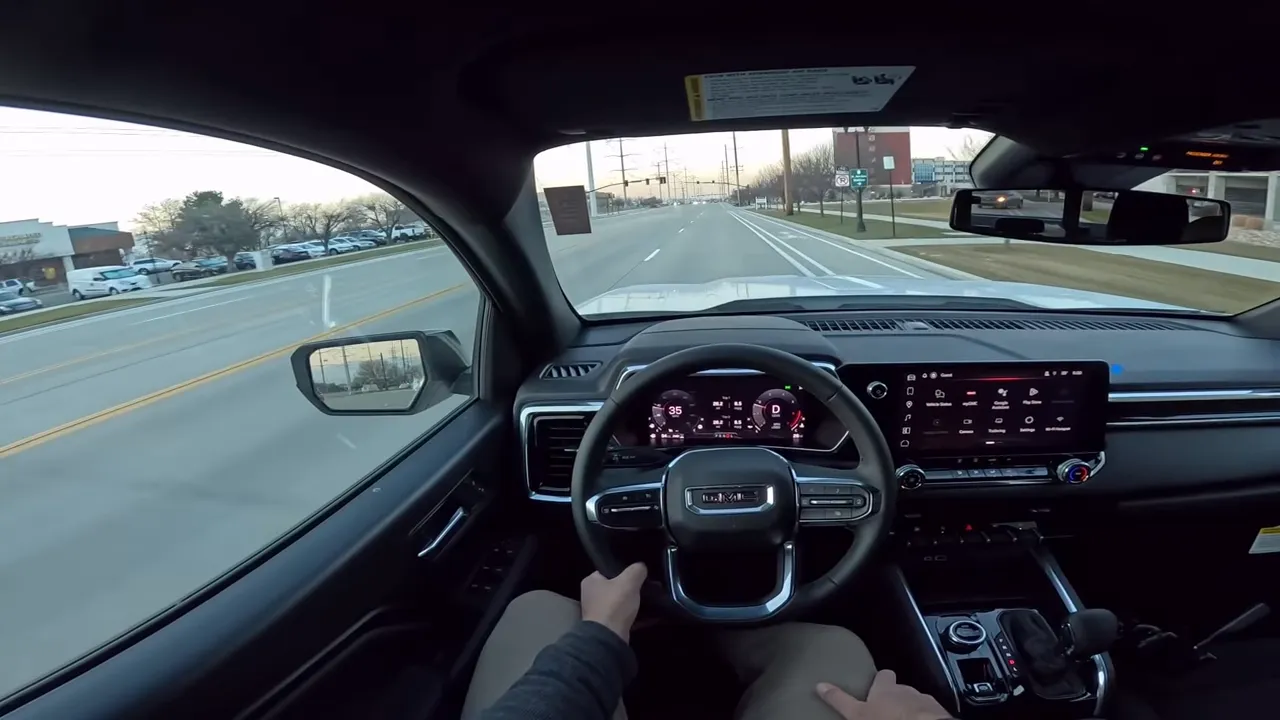
Braking is progressive and confidence-inspiring, and gear changes from the 8-speed are generally smooth. The shifter includes +/- toggles if you want more control over downshifts for towing scenarios or engine braking.
🛣️ On-Road Character
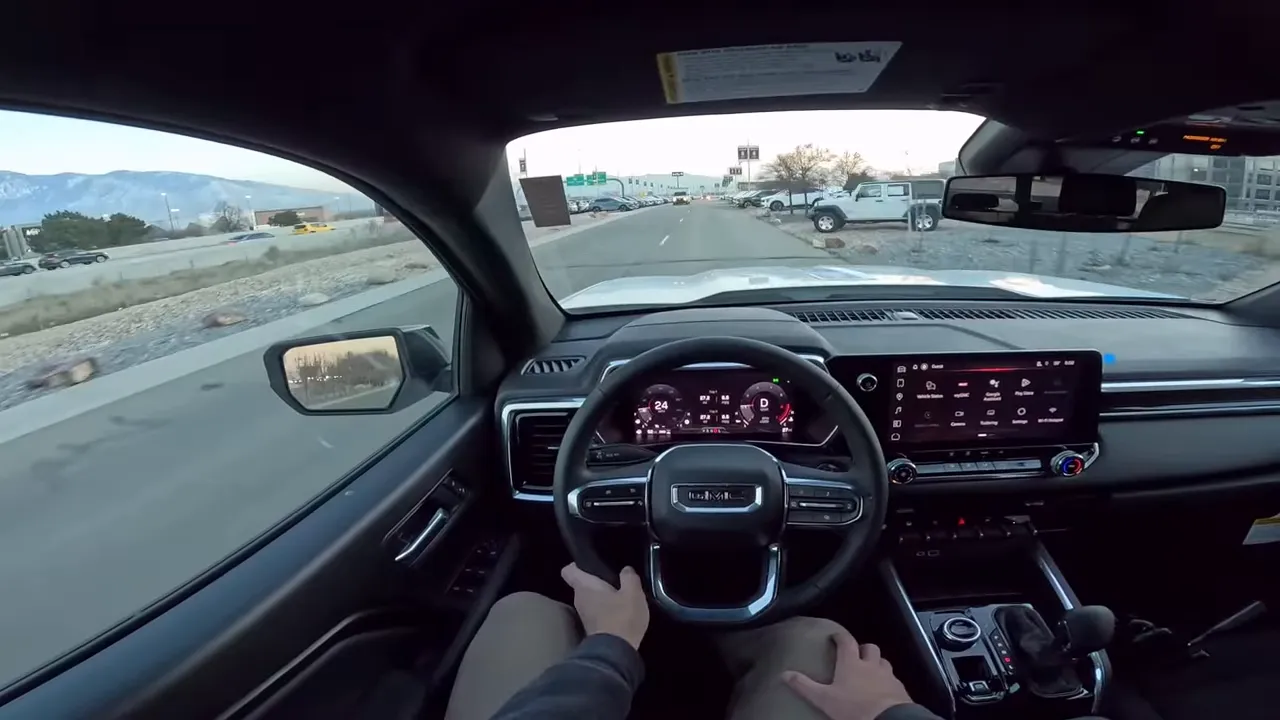
The Canyon drives best when treated like what it is: a practical work-capable truck that also feels enjoyable on a long drive. It doesn’t have double-pane windows or luxury-grade noise suppression on base trims, but the cabin is insulated enough for comfortable highway cruising.
🧭 Four-Wheel Drive and Off-Road Thoughts
This particular Canyon uses a part-time four-wheel-drive system with modes that include auto, high, and two-wheel drive. There is no two-speed transfer case and therefore no traditional four-wheel-drive low range.
That decision will disappoint some buyers who frequently tackle serious off-road obstacles or need extra torque multiplication for extreme low-speed climbs. But there are real-world benefits to this simpler system:
- Less maintenance hassle: Low-range systems typically need to be engaged periodically to stay functional. A simpler part-time system avoids that maintenance pitfall for owners who rarely use low range.
- Reliability for daily drivers: If you never use 4WD low, you won’t miss it, and you gain a system that’s straightforward and less likely to be neglected.
In short, if you plan moderate light off-roading, dirt roads, or snowy commutes, the part-time 4WD on the Elevation will work fine. For serious rock crawling or heavy-duty trails, consider trims and models with low-range capability.
📦 Payload and Towing
Payload capacity for this configuration is presented as 16.08 in the spec notes. That’s shorthand for roughly 1,608 pounds — a solid and practical number for a mid-size platform. Whether you’re hauling tools, a small trailer, or a weekend’s worth of gear, the Canyon’s payload gives you flexibility.
Towing capability will vary by equipment and axle ratio, but the torque advantage and eight-speed transmission make towing practical and confidence-inspiring for routine trailers and boats.
💰 Pricing and Value
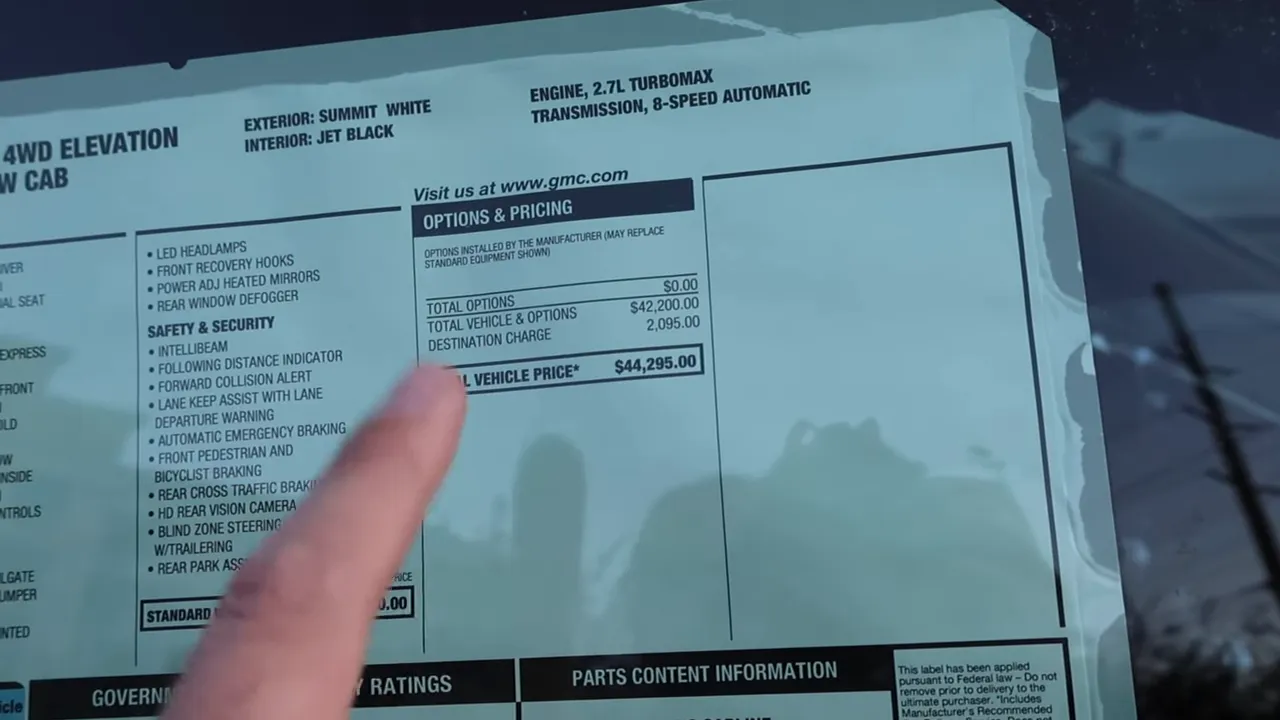
The Canyon Elevation positions itself above base-trim bargain pickups while staying substantially under full-size alternatives. A base MSRP around $42,000 is realistic for the Elevation before destination and a few fees. With destination added, examples can land in the mid-$44,000 range without options.
Value considerations:
- Compared to competitors: The Canyon’s cost sits in line with Toyota Tacoma SR5 trim pricing and above the Chevrolet Colorado base models, with GMC badge premiums reflected in materials and kit.
- Paying for what matters: The Elevation focuses spending on key items like the turbo engine, all-terrain tires, and a modern digital cluster rather than luxury add-ons you might not use.
🔁 How It Compares: Tacoma, Colorado, Ranger
Comparison points are straightforward:
- Toyota Tacoma: Tacoma has incredible resale and a strong off-road heritage. Pricing can be comparable at mid trims, but the Canyon offers more torque and modern tech at a similar price point.
- Chevy Colorado: Mechanically similar in many respects, Colorado generally comes in a little cheaper. GMC brings slightly higher trim finishes and styling differentiation for the premium-seeking buyer.
- Ford Ranger: Ranger competitive pricing can undercut the Canyon at base levels. The Canyon’s turbo-four torque figure and the interior tech can tip the scales for buyers who want strong on-road torque and up-to-date infotainment.
The bottom line: choose the Canyon if you want a balanced truck that’s pleasant to live with every day, with enough capability for weekend adventures and a touch of style that won’t break the bank.
👥 Who Should Buy the Canyon Elevation?
The Elevation is ideal for buyers who want:
- A mid-size truck that feels refined but not overly complicated.
- Strong low-end torque without stepping up to diesel ownership and maintenance.
- Good payload for work tasks and flexible everyday driving comfort.
- A vehicle that balances capability and value rather than chasing extremes.
If you regularly need four-wheel-drive low for steep technical trails, rock crawling, or heavy-duty off-road work, consider other options or higher-spec off-road-oriented trims. If your use case is commuting, hauling periodically, towing a small trailer, and having fun on dirt roads now and then, the Elevation is a smart choice.
✅ Final Thoughts
The 2026 GMC Canyon Elevation is a practical, wallet-friendly mid-size pickup that brings a lot to the table without asking for a premium that changes ownership math. It’s comfortable, torquey, and thoughtfully equipped for modern life. There are trade-offs — no low-range transfer case and fewer luxury touches on the base Elevation — but those trade-offs are deliberate and play well to buyers who prioritize usability, value, and driving dynamics.
If you want a truck that pulls hard when you need it, rides smoothly over imperfect pavement, and keeps running costs reasonable, the Canyon Elevation is worth a test drive.



[…] flying every time you hit a pothole — but that’s exactly what happens with the wrong mount. Ford Ranger drivers deal with windshield glare, narrow vent blades, and rough off-road terrain that most generic […]
[…] fits many GM models, but the fit type remains vehicle-specific. Use Amazon fitment, your owner’s manual, or a parts […]