2026 Hyundai Santa Cruz XRT Review: A Small Truck with Big Everyday Appeal
By Staff Writer | Last updated: June 16, 2026
The Hyundai Santa Cruz XRT is a compact unibody pickup for drivers who want truck utility without the size and feel of a traditional pickup. It blends crossover comfort, a useful open bed, rugged XRT styling, and a turbocharged engine into a city-friendly package.
This review looks at what the Santa Cruz XRT does well, where it falls short, and who should consider it over a midsize body-on-frame truck.
Verdict
The Santa Cruz XRT makes the most sense for drivers who want a comfortable daily vehicle with a practical bed, useful tech, and light adventure capability. It is not the best choice for heavy towing, hard off-roading, or shoppers who want maximum truck capability for the money.
Key Specs
| Specification | Detail |
|---|---|
| Vehicle | Hyundai Santa Cruz XRT |
| Body Style | Compact unibody pickup |
| Engine | Turbocharged 2.5L four-cylinder |
| Power | 281 horsepower |
| Torque | 311 lb-ft |
| Transmission | 8-speed automatic with manual mode and paddle shifters |
| Fuel Economy | Roughly 18 mpg city and 25 mpg highway, depending on driving conditions |
| XRT Tires / Wheels | 245/60R18 all-terrain tires |
| Notable Features | 360-degree camera, wireless charging pad, dual-zone climate, in-bed trunk, bumper steps |
| Warranty | 10-year / 100,000-mile powertrain coverage from Hyundai |
What Is the Hyundai Santa Cruz XRT?
The Santa Cruz XRT is Hyundai‘s compact unibody pickup. It is built for drivers who want a useful truck bed, but do not want the size, ride height, or driving feel of a traditional truck.
The XRT trim adds a more rugged look, all-terrain tires, chunky fender flares, visible recovery points, and styling details that separate it from the standard Santa Cruz.
Who It Is For
- City commuters who want pickup utility without a large truck footprint.
- Weekend users who need space for bikes, camping gear, boards, or home-project supplies.
- Drivers who value comfort and want crossover-like handling with an open bed.
- Buyers who like distinctive styling and want a compact pickup that looks more adventurous than a standard crossover.
Who Should Skip It
- Drivers who need heavy towing or maximum payload capacity.
- Shoppers who want the most truck capability for the money.
- Off-road buyers who need a true trail-focused body-on-frame truck or SUV.
- Rear-seat passengers who regularly need generous legroom.
Exterior: Rugged Styling with Practical Details
Hyundai leaned into the mini-truck identity with bold styling cues. The XRT trim adds chunky fender flares, all-terrain tires, and silver-accented wheels that give the Santa Cruz a tougher look than the standard model.
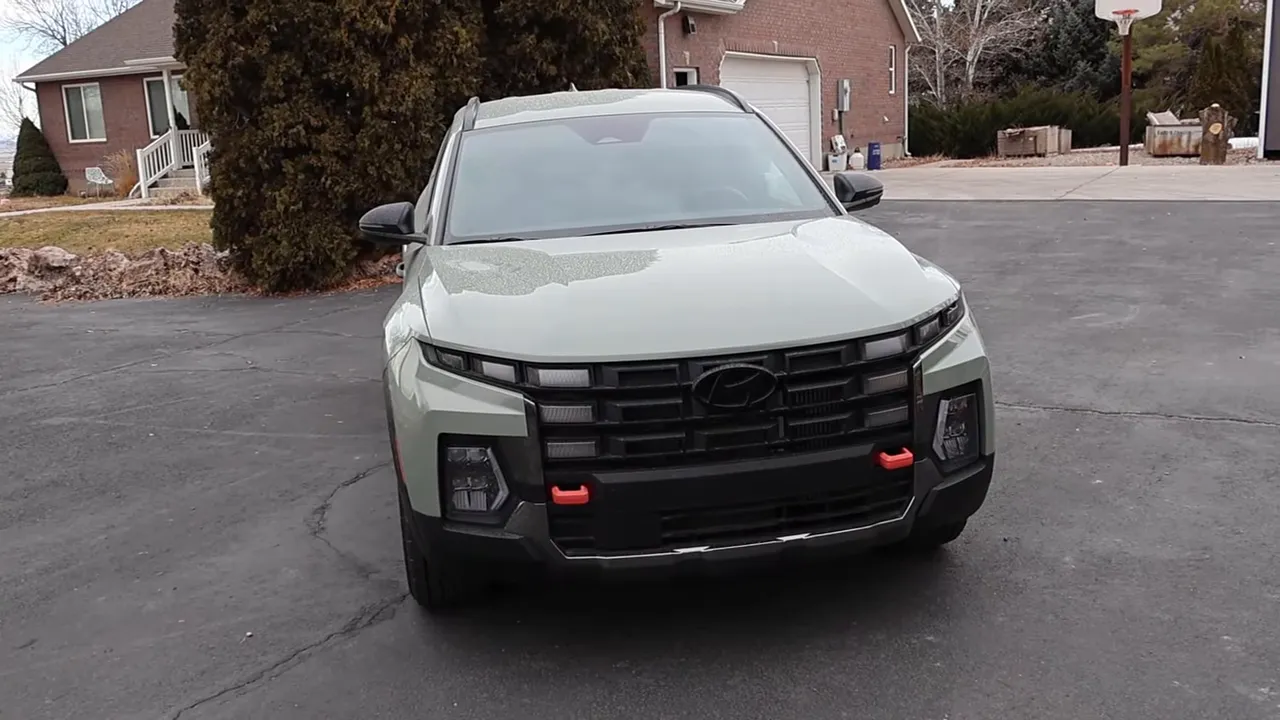
The lighting design is neatly integrated. Trim pieces and grille accents match the lighting elements, which helps the front end look more deliberate and upscale than many compact pickups.
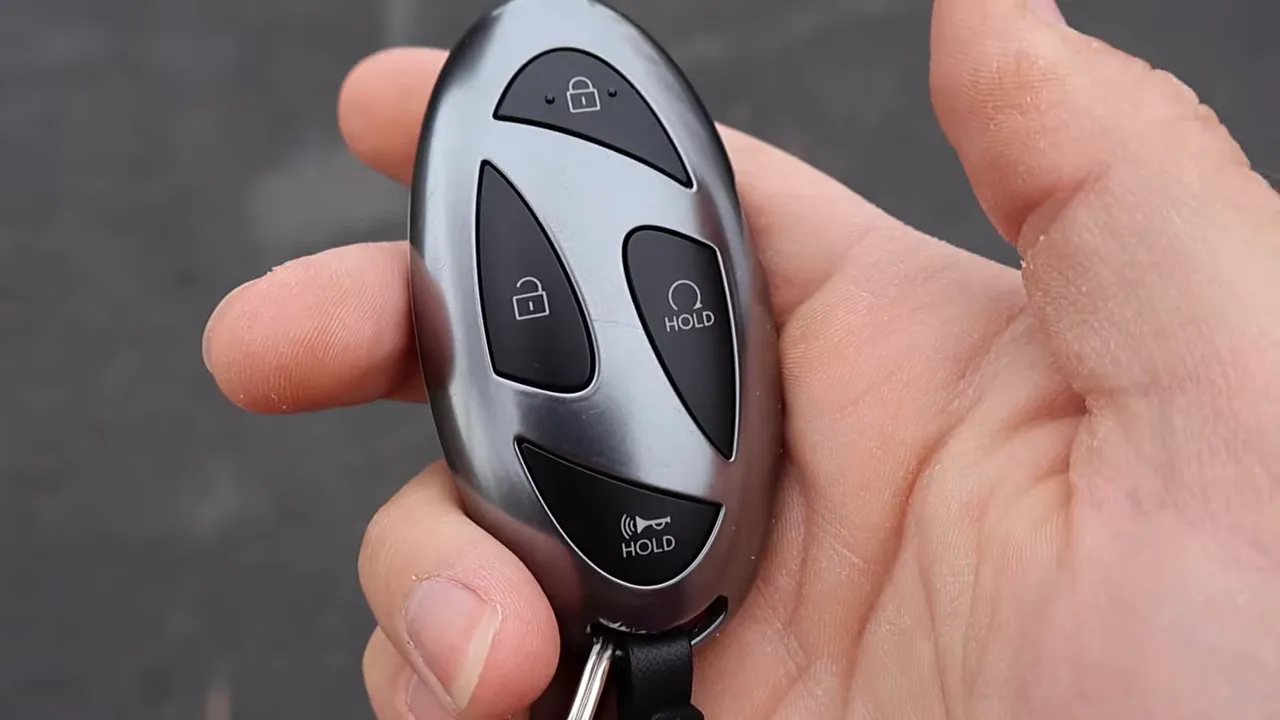
The key fob includes lock, unlock, remote start, and a one-touch tailgate release. The tailgate uses a soft-close style popper and a push-latch system that feels refined for this class.
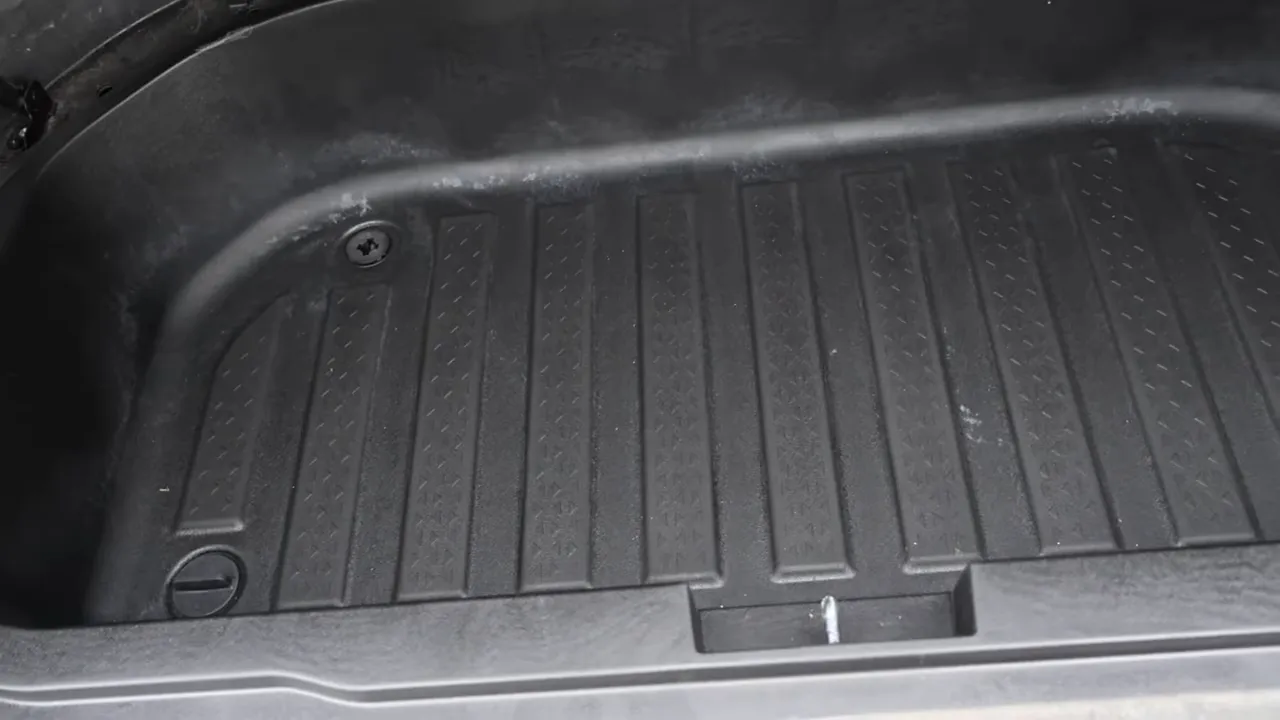
Bed utility is one of the Santa Cruz’s strongest points. Cargo tie-downs are included, and the bed footprint is useful for city errands, outdoor gear, and weekend tasks. Hyundai also included a lockable in-bed trunk similar in concept to the Ridgeline’s, giving owners a more secure place to store smaller cargo.
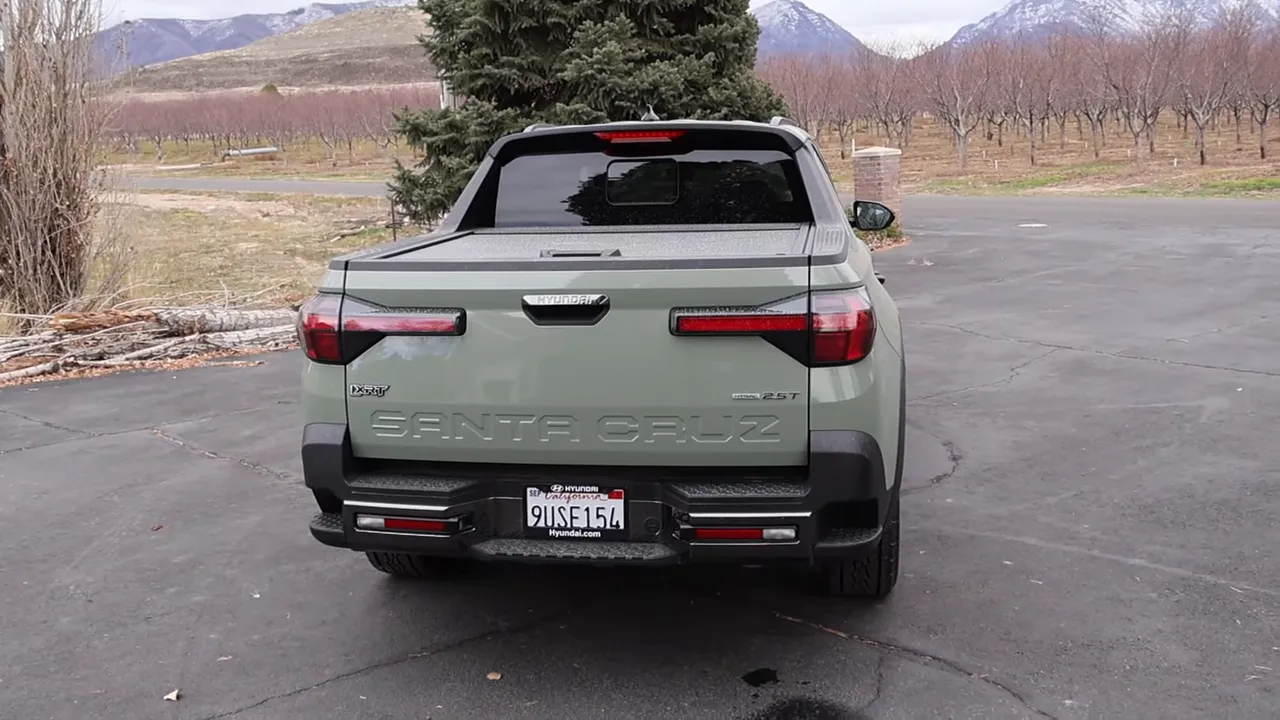
Small practical touches matter here. The lower bumper steps make it easier to reach into the bed, and the visible recovery points fit the XRT trim’s light-adventure mission.
Interior: Carlike Comfort, Compact Practicality
Inside, the Santa Cruz feels more like a crossover than a work truck. Common touchpoints are soft, the front seats are supportive, and the driver gets power adjustments with lumbar support. The passenger seat remains manually adjusted.
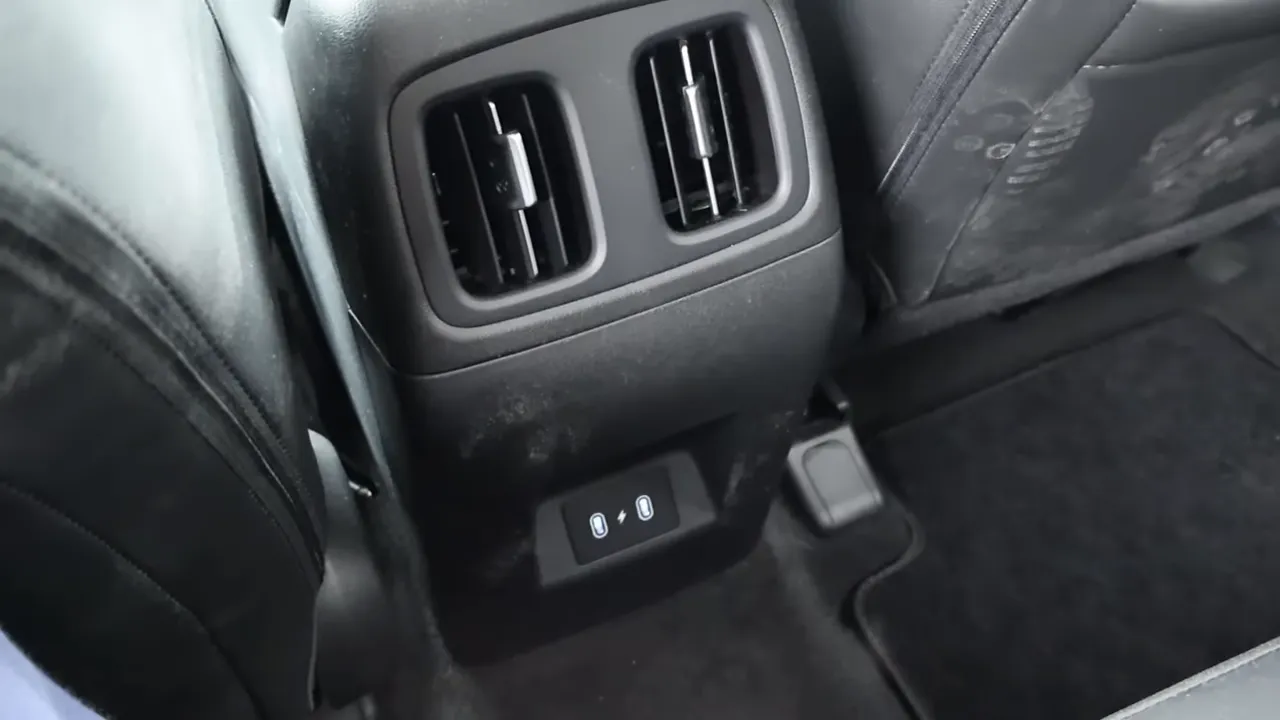
Rear space is tight, which is expected in a compact vehicle with a pickup bed. Hyundai still gives rear passengers helpful features, including air vents, USB ports, and an opening rear window.
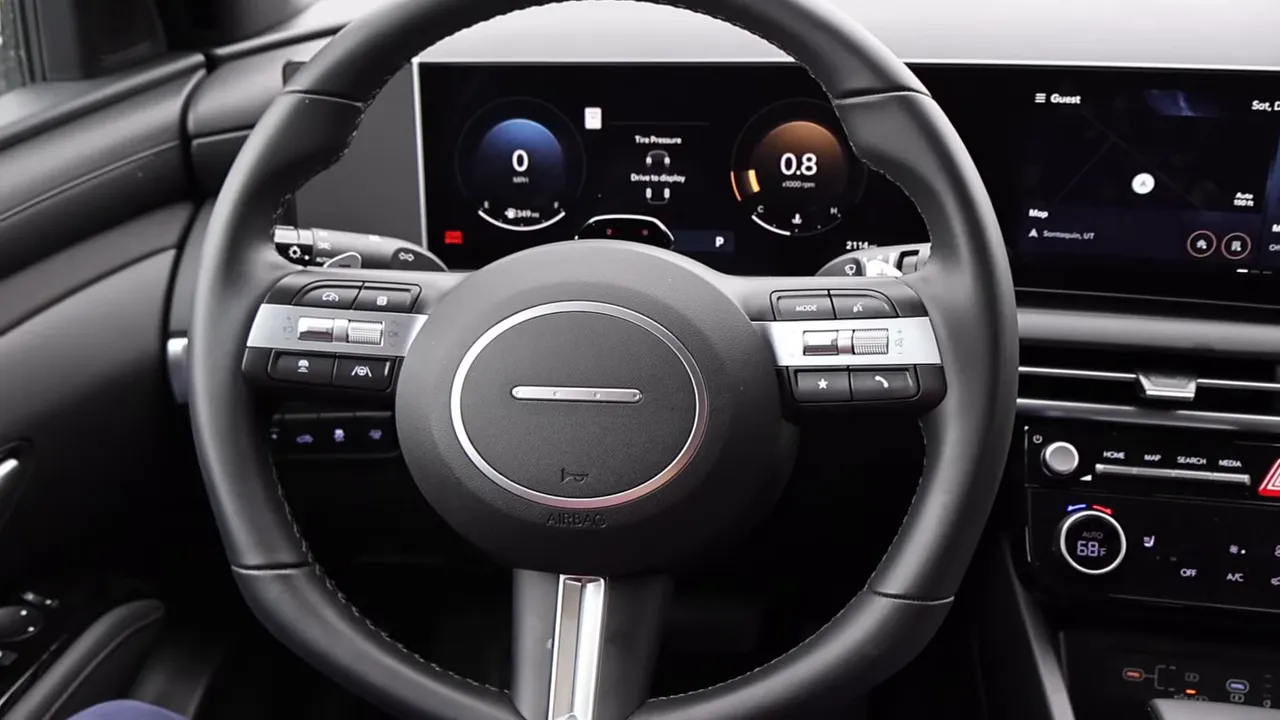
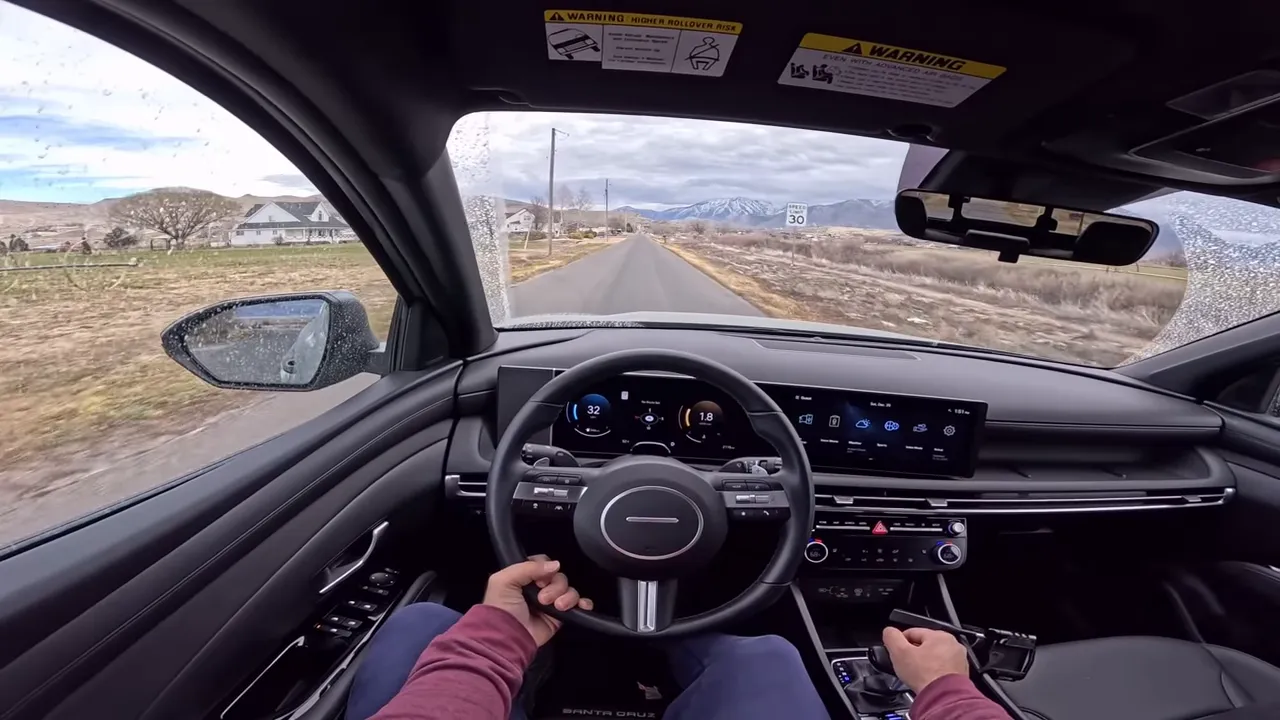
The steering wheel includes paddle shifters for the 8-speed automatic. Volume, voice control, adaptive cruise, and lane-centering controls are arranged in a simple, logical layout.
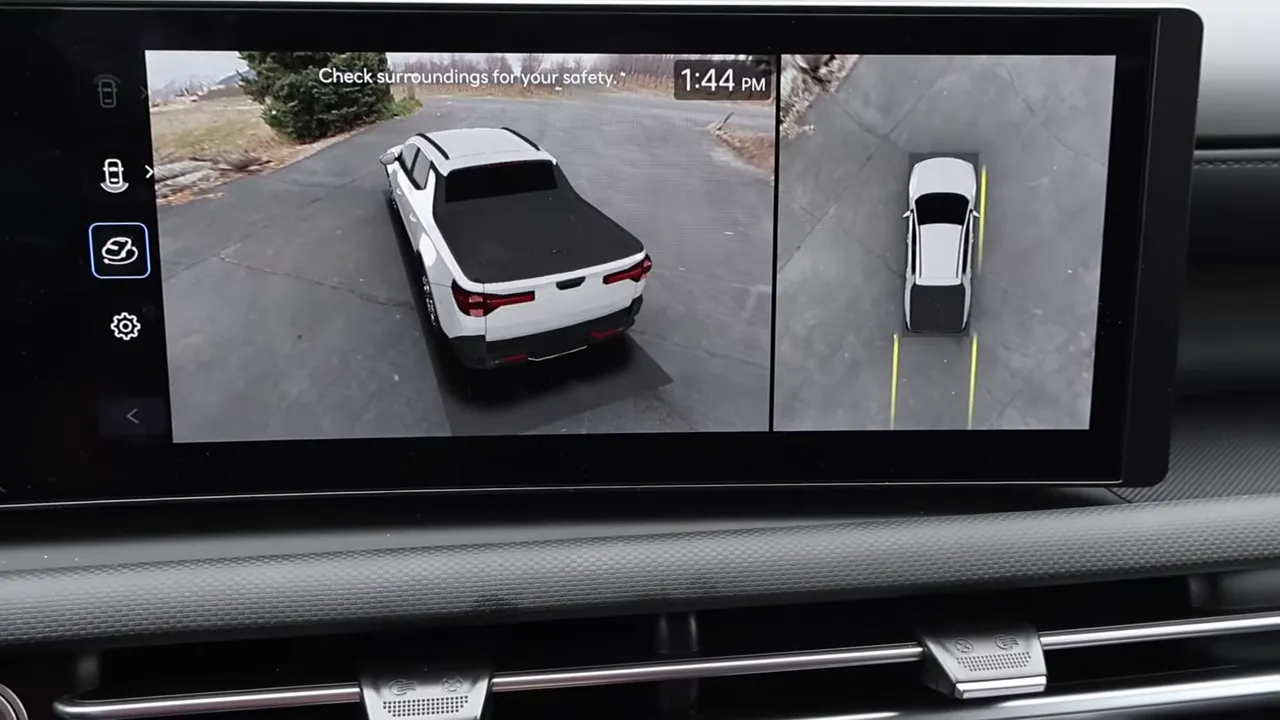
Technology is a strong point. The digital gauge cluster is configurable, and the 360-degree camera gives a clear exterior view when parking, maneuvering, or lining up near cargo. The center infotainment screen responds quickly, and the physical climate and radio buttons make common adjustments easier while driving.
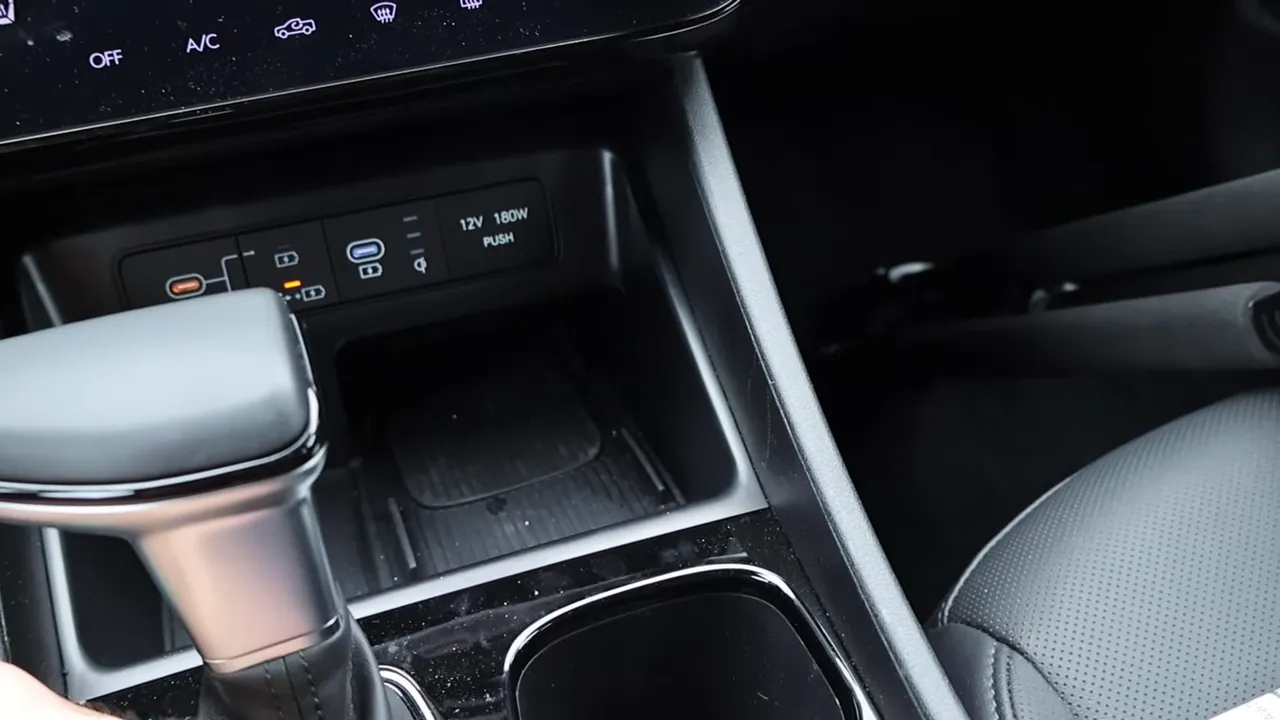
Charging options include multiple USB ports, a wireless phone charging pad, and a 12V outlet. Dual-zone climate control and heated seats add useful comfort for daily driving.
Powertrain and Driving Impressions
The Santa Cruz XRT uses Hyundai’s turbocharged 2.5L four-cylinder engine with 281 horsepower and 311 lb-ft of torque. It is paired with an 8-speed automatic transmission.
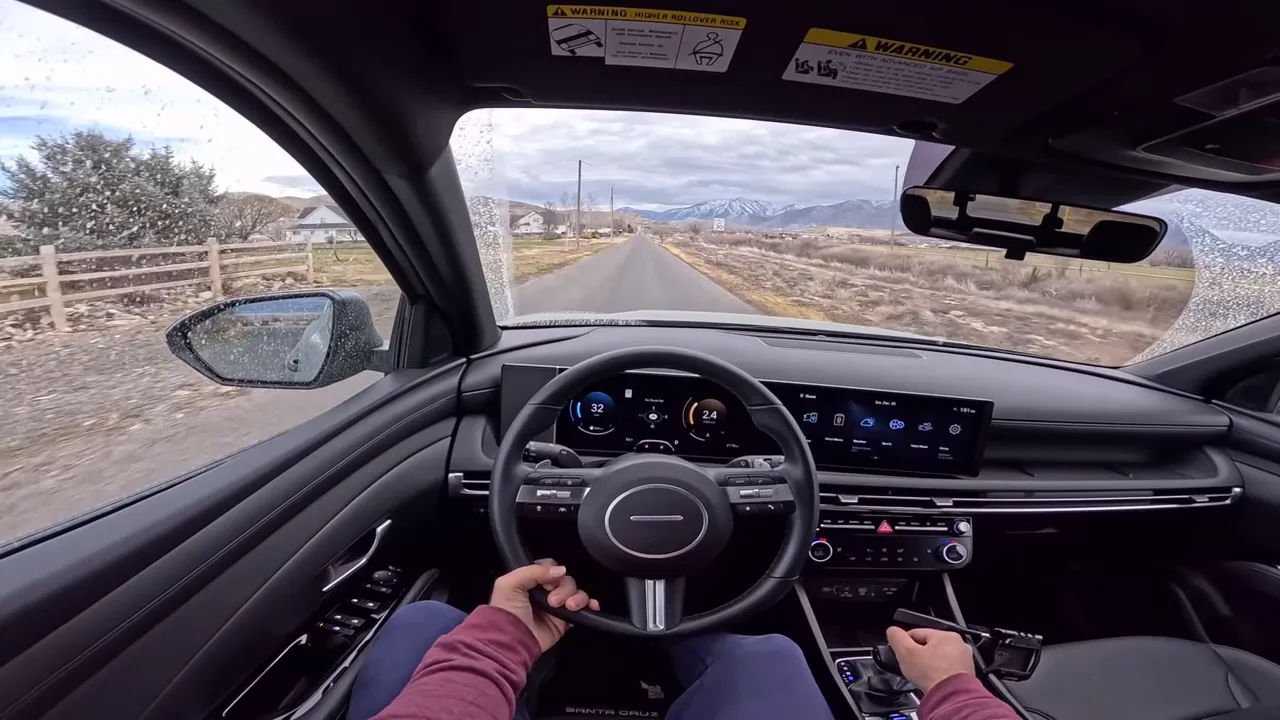
The powertrain feels capable for daily driving and highway merging. There can be a small amount of turbo lag, but the engine delivers strong torque once it is moving. Fuel economy is reasonable for the class, but it is not a standout for buyers focused on maximum efficiency.
The unibody platform is the main reason the Santa Cruz feels different from traditional trucks. It rides lower, uses independent suspension, and handles more like a crossover. That makes it easy to drive in town and more comfortable as a commuter. The all-terrain tires add some road noise, but it is not excessive.
Off-Road Capability and the XRT Package
The XRT package gives the Santa Cruz a more adventure-ready look and adds a few useful off-road-minded details. The all-terrain tires, fender flares, and recovery points support light trail use, gravel roads, campsites, and seasonal backroads.
This is not a rock crawler. Drivers who need serious trail hardware, high clearance, low-range gearing, or heavy-duty durability should look at a more focused body-on-frame truck or SUV.
Real-World Use
For normal life, the Santa Cruz XRT is easy to understand. It works well for commuting, errands, outdoor hobbies, and light hauling. The bed is not large, but it is useful for items that would be dirty, awkward, or hard to fit inside a crossover.
The in-bed trunk adds secure storage, the bumper steps make the bed easier to access, and the compact size makes parking simpler than it would be in a midsize or full-size truck.
Pricing, Value, and the Main Critique
The tested XRT example shows a sticker around $43,335. That places it close enough to traditional midsize pickups that buyers will naturally compare it with body-on-frame trucks like the Ranger, Tacoma, and Colorado.

That price is the Santa Cruz’s biggest challenge. A unibody pickup costs money to engineer because the bed, cab, ride quality, and structure all need to work together. The benefit is a smoother, more carlike vehicle. The tradeoff is that shoppers may expect more towing, payload, or off-road hardware when the price gets close to larger trucks.
These unibody pickup trucks are too expensive.
Hyundai’s 10-year / 100,000-mile powertrain warranty helps the value case. Still, the Santa Cruz makes the strongest argument when the buyer cares more about comfort, size, and everyday usability than traditional truck capability.
Key Features
- Turbocharged 2.5L engine with strong torque for daily driving.
- 8-speed automatic transmission with paddle shifters.
- All-terrain tires and rugged XRT exterior styling.
- Compact bed with tie-downs and a lockable in-bed trunk.
- Soft-close style tailgate function and bumper steps.
- Configurable digital gauge cluster.
- High-resolution 360-degree camera system.
- Wireless charging pad, USB ports, and dual-zone climate control.
Pros and Cons
Pros
- Crossover-like ride and handling make it easy to drive every day
- Useful bed features include tie-downs, bumper steps, and a lockable in-bed trunk
- Turbocharged engine provides strong torque for city and highway use
- 360-degree camera, wireless charging, and physical controls improve daily convenience
Cons
- Rear-seat space is tight compared with larger pickups
- Pricing can overlap with more capable midsize body-on-frame trucks
- Not intended for serious off-road driving
- Fuel economy is reasonable, but not exceptional for a compact vehicle
Is It Worth the Price?
The Santa Cruz XRT is worth considering if you want a compact pickup that feels refined, easy to park, and comfortable in daily driving. Its value comes from convenience, size, warranty coverage, and flexible cargo use.
It is less compelling if you judge value mainly by towing, payload, or rugged truck capability. In that case, a traditional midsize pickup may be a better fit.
Alternatives to Consider
Ford Maverick: Another compact unibody pickup with a practical footprint and strong everyday appeal.
Honda Ridgeline: A larger unibody pickup with a more spacious cabin and a useful in-bed trunk layout.
Toyota Tacoma: A traditional midsize body-on-frame pickup for buyers who want more truck-focused capability.
What’s New for 2026
Hyundai refined the Santa Cruz with updated styling, a more purposeful XRT identity, and improved interior details. The infotainment system and camera features remain major strengths, while the rugged trim helps the Santa Cruz stand apart from ordinary compact crossovers.
Small convenience features, including the soft-drop tailgate, in-bed trunk, and bumper steps, make the Santa Cruz more useful in daily ownership.
Final Verdict
The Hyundai Santa Cruz XRT succeeds as a compact pickup for people who do not really want a traditional truck. It is comfortable, easy to drive, nicely equipped, and useful for weekend gear, light hauling, and city life.
The main concern is price. Once the Santa Cruz moves near midsize pickup territory, shoppers have to decide whether they value comfort and compact size more than towing, payload, and off-road capability.
If the goal is a nimble, city-friendly pickup with a useful bed and strong warranty coverage, the Santa Cruz XRT is a smart fit. If the goal is maximum truck capability, look at a traditional midsize pickup instead.
Frequently Asked Questions
How much power does the Hyundai Santa Cruz XRT have?
What kind of fuel economy can I expect?
Is the Santa Cruz XRT good for off-roading?
How practical is the Santa Cruz bed?
What is the Hyundai Santa Cruz warranty coverage?
Should I buy a Santa Cruz or a midsize body-on-frame truck?