🚙 The matchup in one line
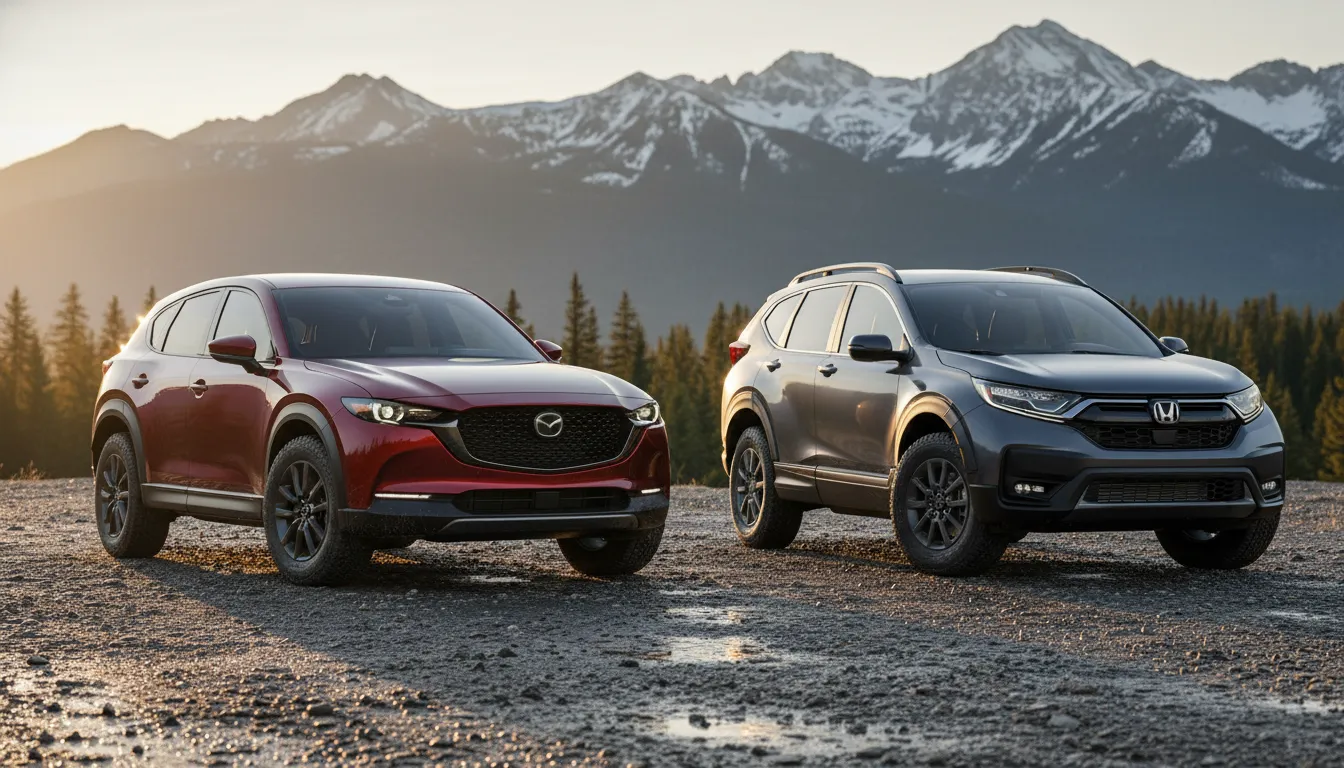
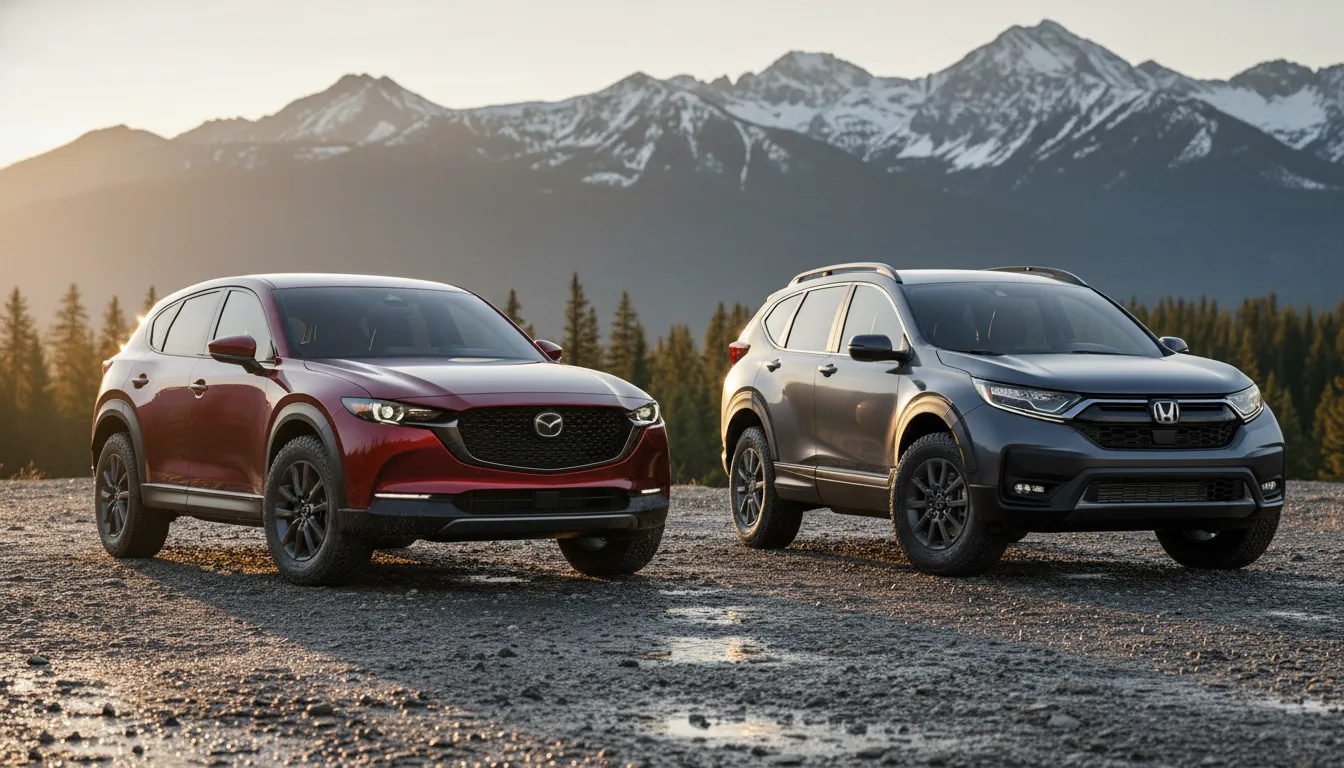
Two very different answers to the same question: how do you make a mainstream crossover feel a little more rugged? The Mazda CX‑50 Meridian leans into premium materials and a turbocharged shove, while the Honda CR‑V TrailSport turns efficiency and practicality into its off‑road persona. Both wear all‑terrain tires and badges that say adventure, but the way they deliver that promise is where the decision gets interesting.
🔎 Exterior: attitude, stance, and the all‑terrain look
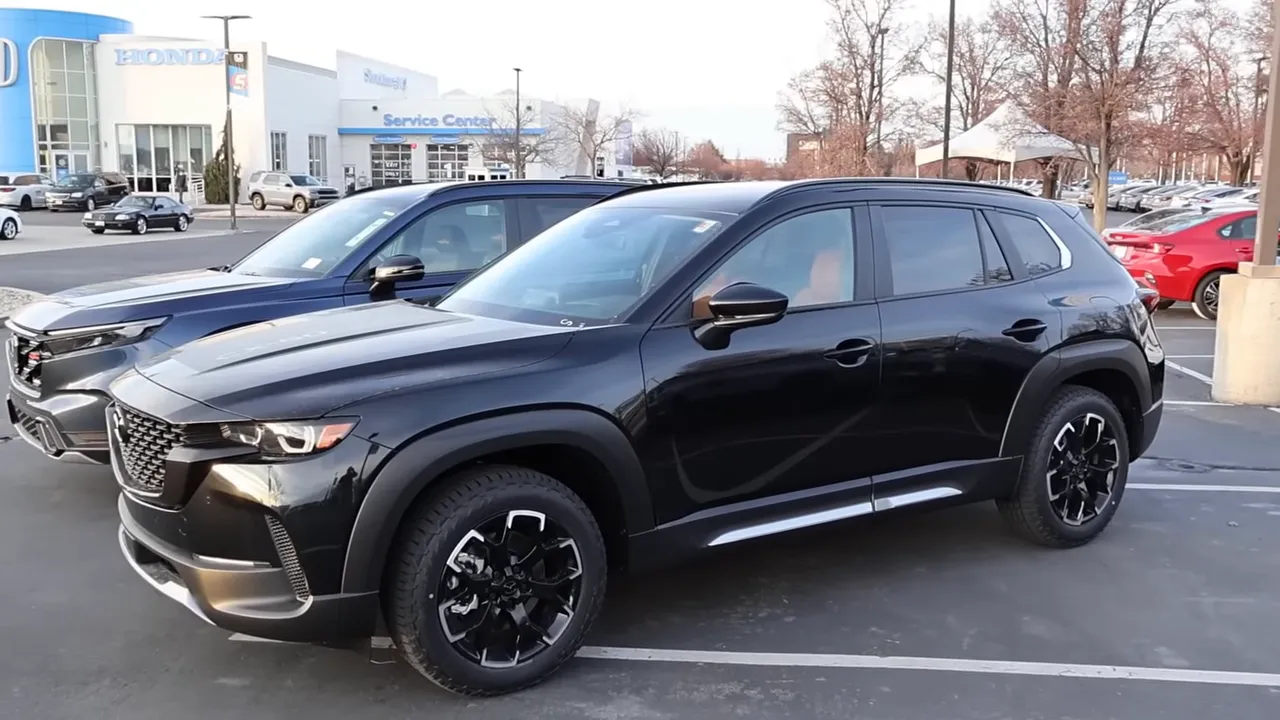
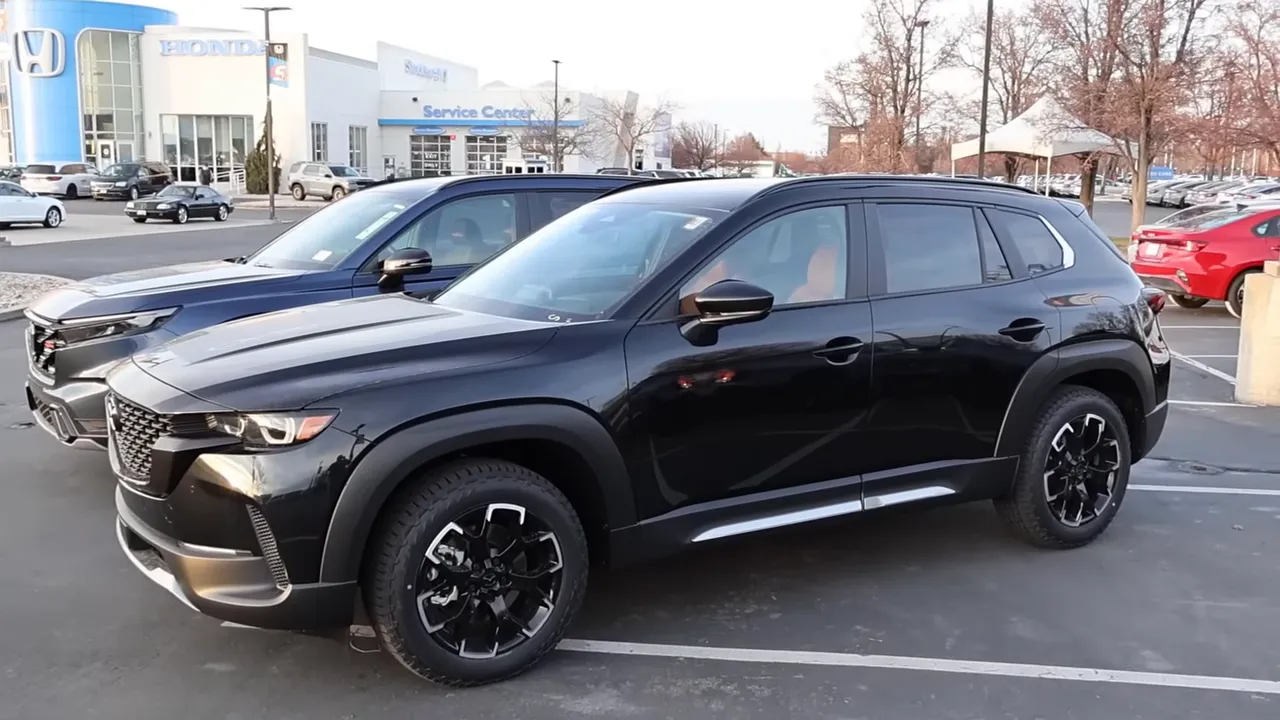
Both cars want to look tougher than your average grocery run, but they go about it differently. The CX‑50 Meridian plays the wide, low, sleek card. With 225/60R18 tires on its setup, the wheels and flares make it feel planted and sporty — the body looks broader, the stance looks lower, and there’s a hint of aggression to Mazda’s design language that reads premium and purposeful.
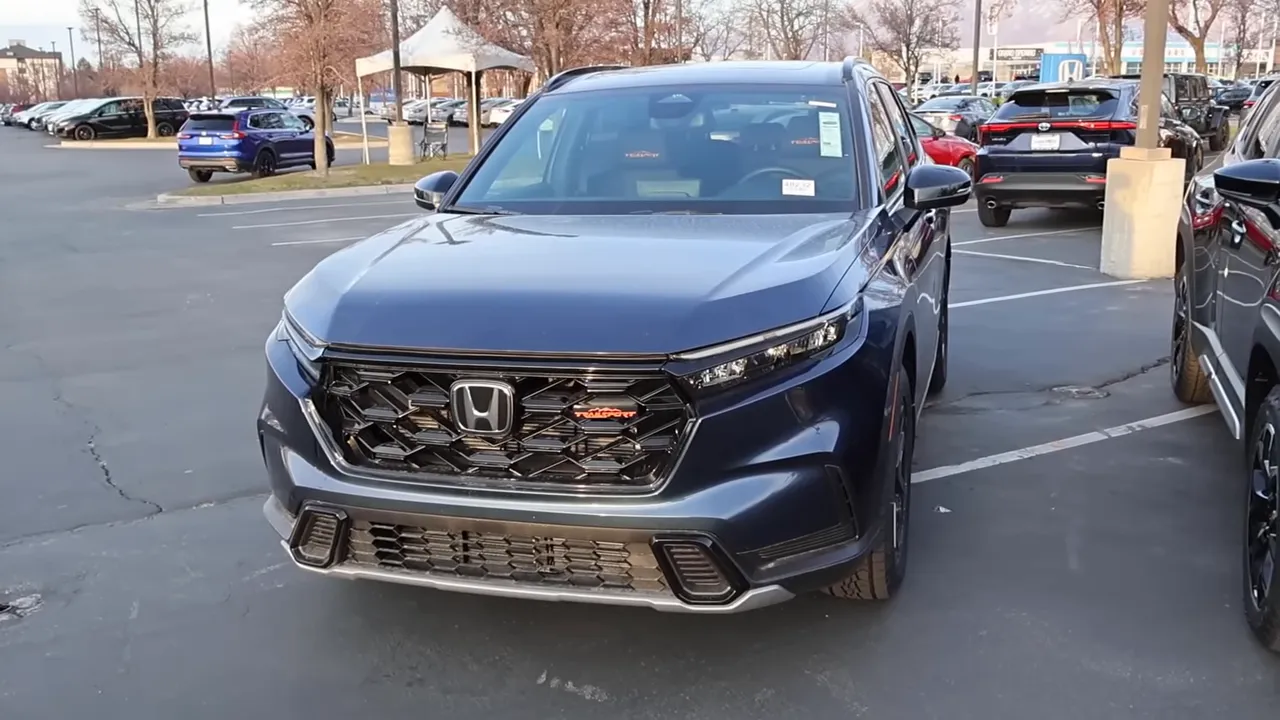
The CR‑V TrailSport opts for a more upright, classic SUV look with slightly taller 235/60R18 tires. It’s narrower visually and a bit more “I’ll go anywhere” in its presentation. The TrailSport badge in the grille is unapologetic about what it is, and the orange stitching and cloth/soft‑touch accents give it a clear identity: practical, trail‑ready, and not trying to be premium for premium’s sake.
📦 Cargo and rear seats: practical details that matter
Cargo space and how seats fold are things people forget to check until they need to load something awkward. The CR‑V provides a large, practical cargo area and sensible rear‑seat room. You get vents, USB ports, and a generally tall roofline that helps with headroom. The downside: the second‑row seats don’t fold perfectly flat — there’s a small hump and you have to pull tabs, which slows down loading awkward items.

On the Mazda side, the rear seats do fold flat and there’s additional storage under the load floor. That makes the CX‑50 slightly more flexible if you frequently carry longer or flatter loads. The tradeoff is a shorter roofline, which eats into vertical cargo space. For weekenders who want a flat load floor for bikes, boards, or a quick DIY run, that feature is meaningful.

🪑 Rear passenger comfort: space, materials, and tech
Both brands know rear passengers want vents and chargers. The CR‑V delivers generous legroom, rear vents, and handy USB ports. It’s more upright, which gives it great headroom and a comfy feel for taller passengers. The TrailSport also uses orange stitching and cloth seats with accenting that fits the off‑road personality.
Mazda’s rear cabin leans a little more premium. Seats are perforated with strong trim and the materials feel nicer to the touch, though knee room is slightly less generous compared to the Honda. Mazda compensates with heated rear seats and a slightly more upscale trim treatment. If rear passenger polish matters more than absolute space, Mazda wins here.
🧭 Interior layout and infotainment: two philosophies
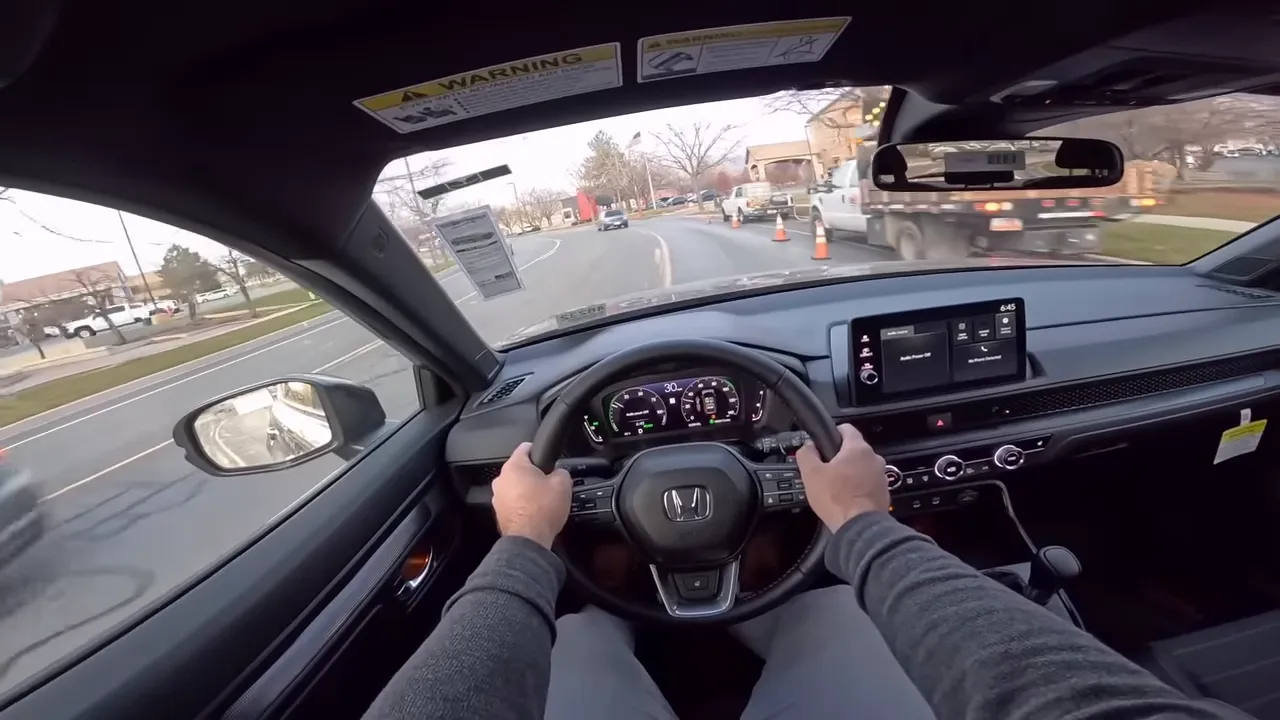
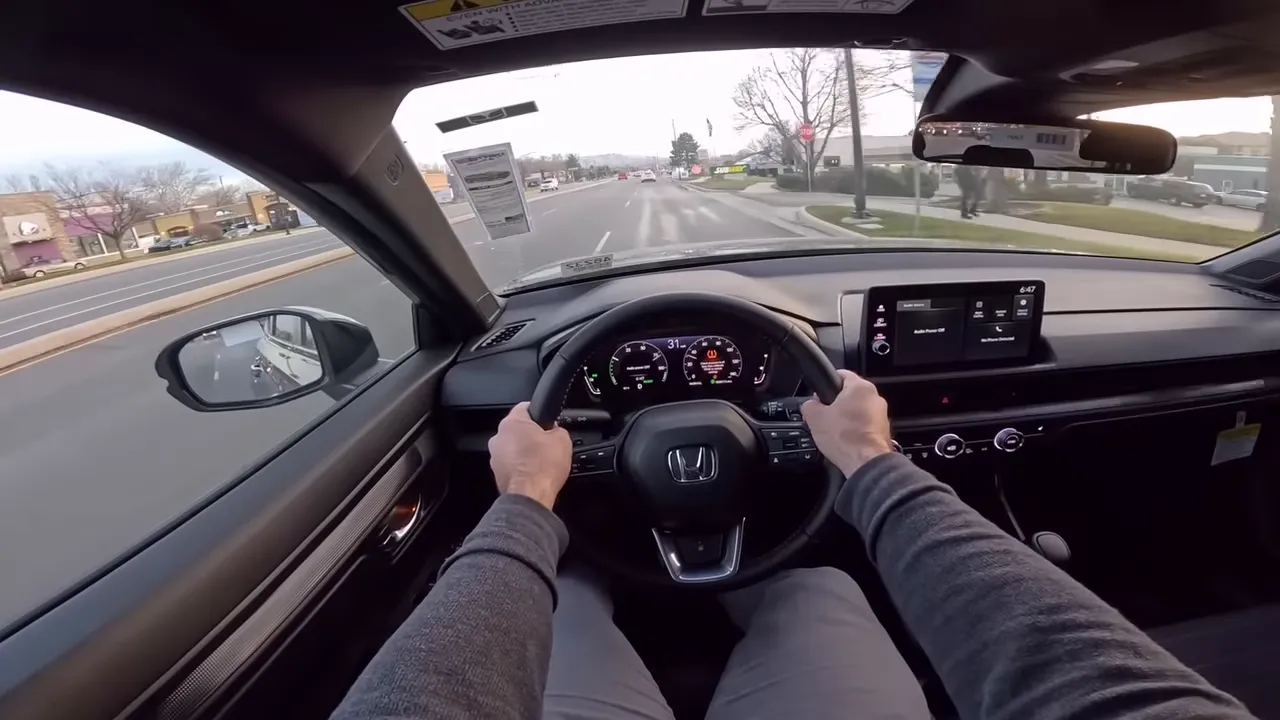
Honda keeps things simple and modern with a touchscreen that supports Apple CarPlay and Android Auto and quick response times. Climate controls are clear, and ergonomics are sensible: heated steering wheel controls sit on the wheel, drive mode selection is within reach, and the overall console layout is functional.
Mazda takes a premium approach. There’s lots of soft touch, a tactile control dial for the infotainment instead of a touchscreen, and a more traditional gauge stack that emphasizes driver focus. Mazda keeps some physical controls for climate and driving modes, and offers dual‑zone climate, heated and ventilated front seats, and a panoramic roof on certain trims. If cabin materials and a more luxurious atmosphere matter, Mazda emphasizes that in the CX‑50 Meridian.
⚙️ Powertrains: turbo torque vs hybrid efficiency
This is where the cars truly diverge and where buyer priorities decide the winner.
- Mazda CX‑50 Meridian: Turbocharged 2.5L four‑cylinder feeding a six‑speed automatic. Official outputs: roughly 227 hp and 310 lb‑ft of torque. Fuel economy around 23 mpg city and 29 mpg highway. The turbo version is visceral — it feels diesel‑like with strong low‑end shove. The transmission tends to short‑shift to stay in the torque band, which makes the car feel punchy at partial throttle.
- Honda CR‑V TrailSport: 2.0L hybrid four‑cylinder system. Combined output about 204 hp and 247 lb‑ft of torque. Fuel economy is significantly better: about 38 mpg city and 33 mpg highway. The hybrid gives smooth transitions and allows regen paddles on the steering wheel for one‑pedal style driving.
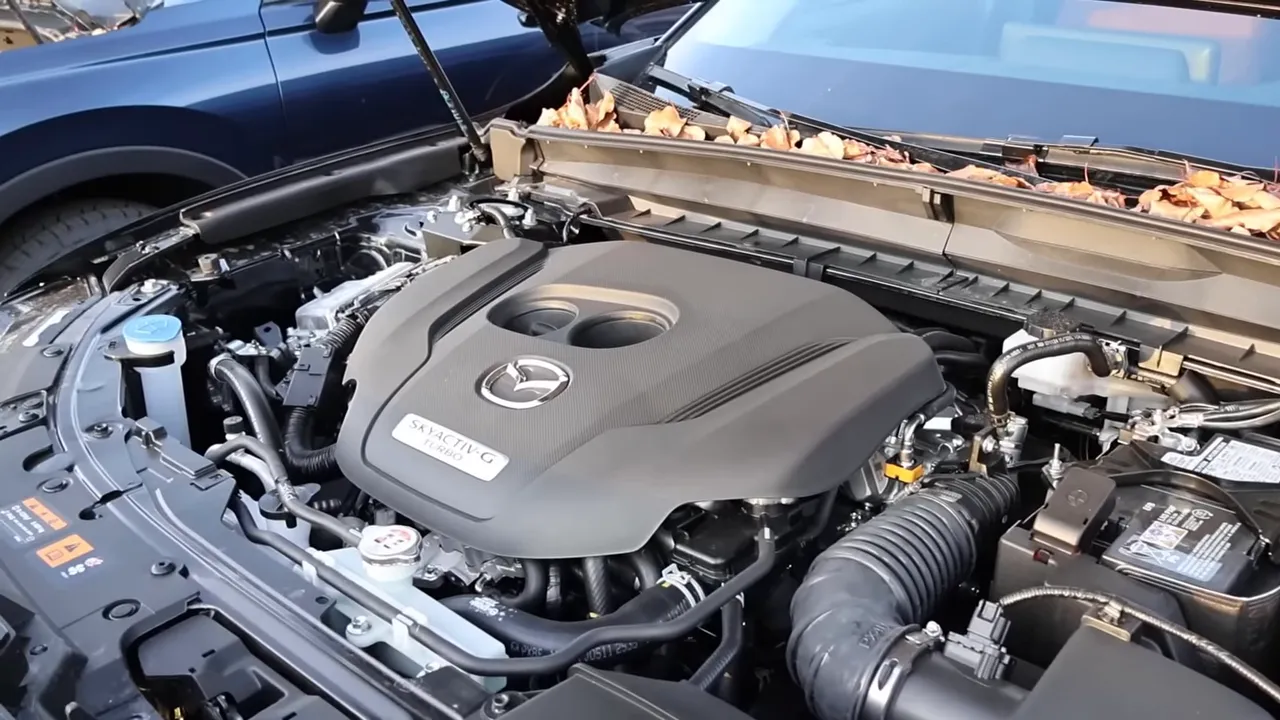
Driving impressions matter more than sheet numbers. The Mazda’s turbo gives immediate shove — it launches with authority and adds character with turbo noises and a noticeable blow‑off sound under load. It’s a vehicle that makes everyday passes feel satisfying. The steering and chassis tuning are Mazda‑typical: sharp, responsive, and engaging.

Honda’s hybrid is quieter and more refined in daily use. It doesn’t have the torque punch the Mazda offers, and that is noticeable if you want rapid, low‑end acceleration. But the CR‑V feels composed, handles corners well, and the hybrid transitions are smooth. People who prize fuel economy or expect a lot of city driving will appreciate the CR‑V’s efficiency.
🔧 Off‑road capability: badges vs systems
Both cars wear off‑road trim, but neither is a hardcore off‑roader. The Mazda Meridian and Honda TrailSport are examples of the “soft roader” trend: cosmetic and small mechanical tweaks designed to give a more adventurous image without extensive off‑road hardware.
Mazda’s approach is mostly visual with an off‑road package and all‑terrain tires. It could benefit from more advanced traction control settings or a dedicated off‑road mode to match the look. Honda packs a similar recipe into TrailSport: style cues, protective cladding, and capability for light dirt roads or gravel. For serious trail work, neither really competes with true off‑road focused SUVs, but for occasional fun and rugged looks they both do the job.
💸 Pricing and value: what $2,000 gets you
There’s roughly a $2,000 price gap in the examples here — Mazda around $42,000, Honda about $40,000. That delta buys specific things on the Mazda: a greener interior, cooled seats, panoramic roof, and a stronger turbo engine. For many buyers the Mazda feels like the better value because those perks often matter more than a slight fuel economy edge.
But value is subjective. If saving at the pump matters and the majority of driving is urban commuting, the CR‑V’s hybrid powertrain is a strong argument. If daily driving includes highway cruising and you prioritize interior quality and a fun driving character, Mazda’s turbo tilt will be more appealing.

🧭 Which should you choose? A simple selection guide
If you prefer a driving experience that feels sporty and upscale, select the Mazda CX‑50 Meridian. Its turbo engine and premium cabin make day‑to‑day driving more engaging and enjoyable. The Meridian also provides useful cargo innovations like the under‑floor storage and flat‑folding rear seats.
If you prioritize fuel economy, practical cargo height, and a straightforward, efficient package for daily commuting, the Honda CR‑V TrailSport is the better pick. It’s sensible, comfortable, and has Honda’s reputation for reliability and efficient hybrids.
🔎 Quick comparison highlights
- Performance: Mazda wins for torque and engaging drive.
- Fuel economy: Honda wins by a wide margin due to the hybrid system.
- Interior quality: Mazda feels more premium overall.
- Practicality: Honda offers taller cargo space and strong rear‑seat room.
- Off‑road credibility: Both are soft roader packages; neither is a serious off‑roader.
- Price: About $2,000 separates the two in this comparison; Mazda packs more features per dollar in this example.
🧾 Real‑world recommendation and final thoughts
There’s a growing herd of off‑road‑styled crossovers on the market, and both Mazda and Honda offer sensible takes on that trend. The CX‑50 Meridian is the pick if driving feel and interior ambience are priorities. It’s the more emotional buy: you’ll smile at the torque and appreciate the nicer materials.
The CR‑V TrailSport is the pick if daily efficiency, maximum rear‑seat space, and straightforward functionality matter most. It’s quieter, more fuel‑efficient, and checks a lot of sensible boxes without trying to be premium.
Both are good options. The decision comes down to whether you want a little excitement in your daily drive or a more wallet‑friendly commute with practical hauling chops.