The 2026 Toyota 4Runner TRD Off-Road lands in a surprising place: it keeps the rugged DNA that made previous generations popular while adding modern comforts and a torque-rich hybrid option that changes how this truck feels on- and off-road. Below I break down what matters most — exterior details, interior usability, how it drives, and whether the hybrid is worth the tradeoffs.
Exterior and Design Highlights 🚙
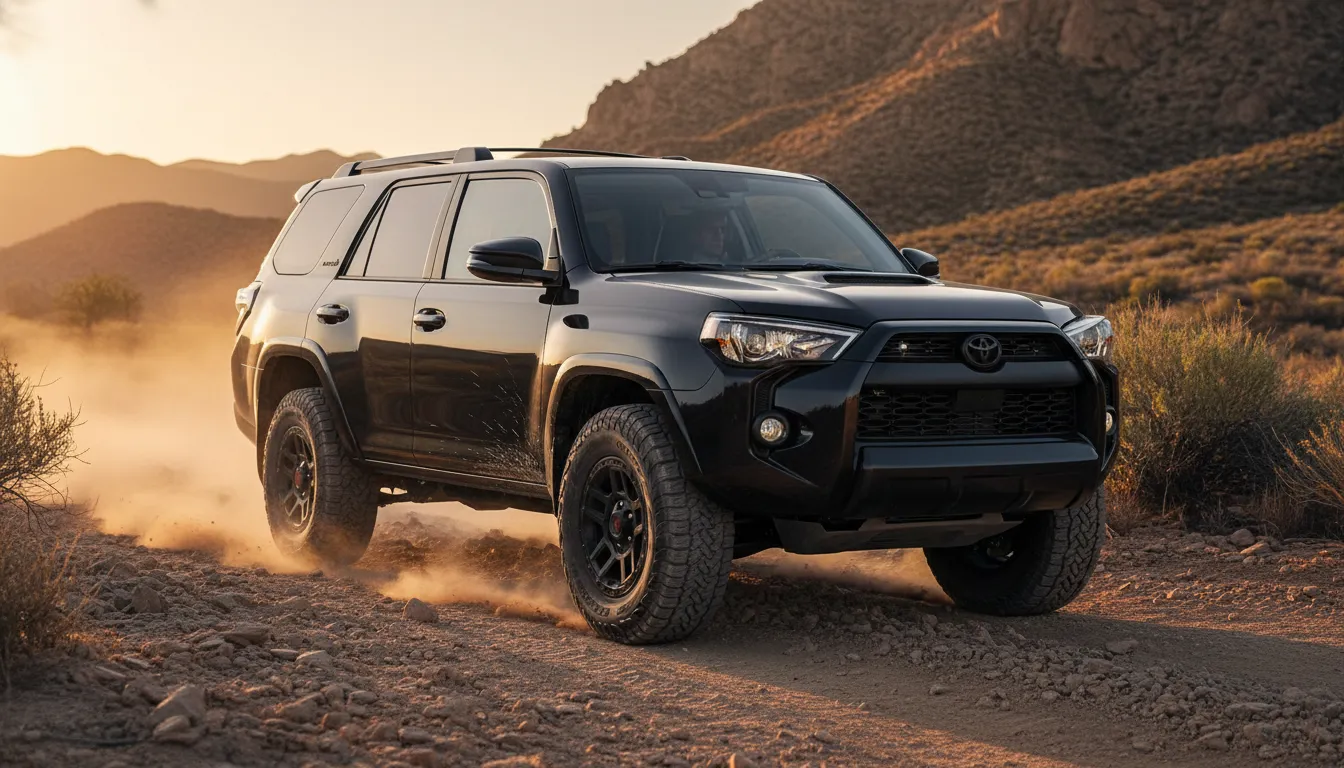
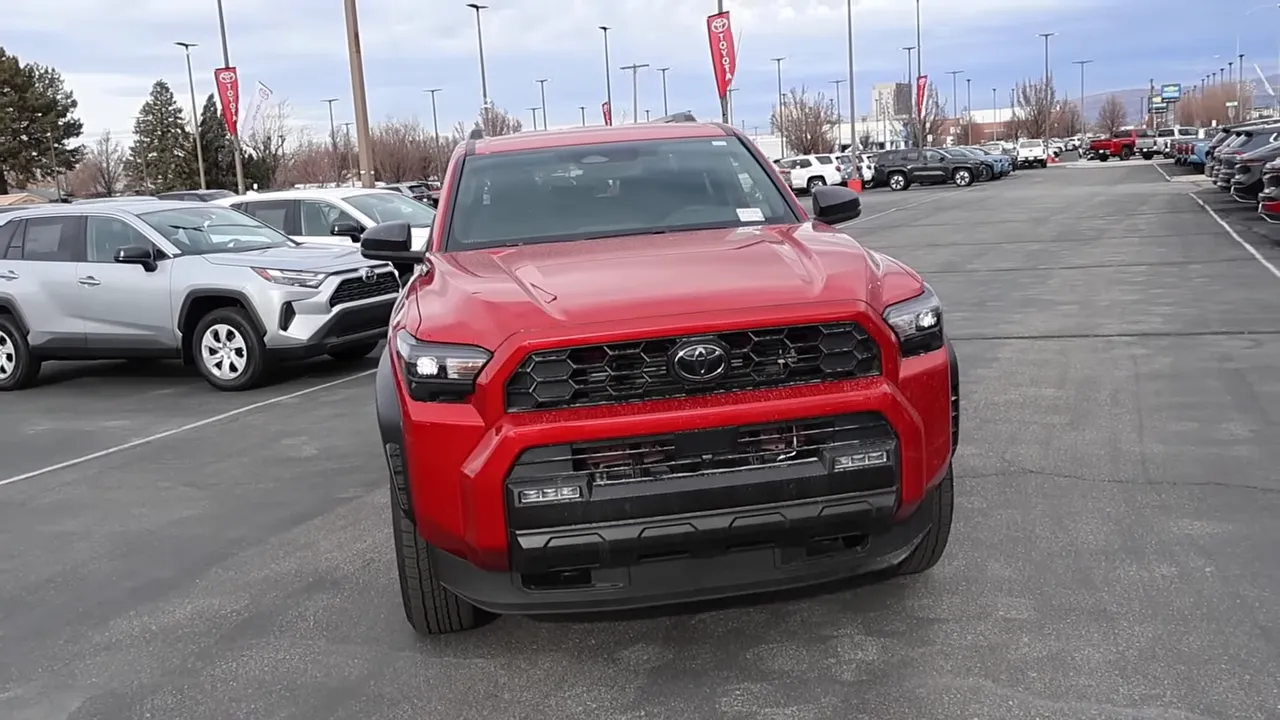
The TRD Off-Road shows Toyota leaning into a darker, tougher aesthetic. Look for a darker headlight bezel across the lineup, rugged fender flares, and the TRD Off-Road badge in a blacked-out treatment on this trim. The factory air dam is present on many new 4Runners; it’s easy to remove if you prefer a cleaner, lifted look for larger tires.
Wheel and tire setup on this example is 265/70R18, which balances off-road capability with manageable on-road fuel economy. You can fit larger tires under those chunky flares, but expect to lose mpg when you do.
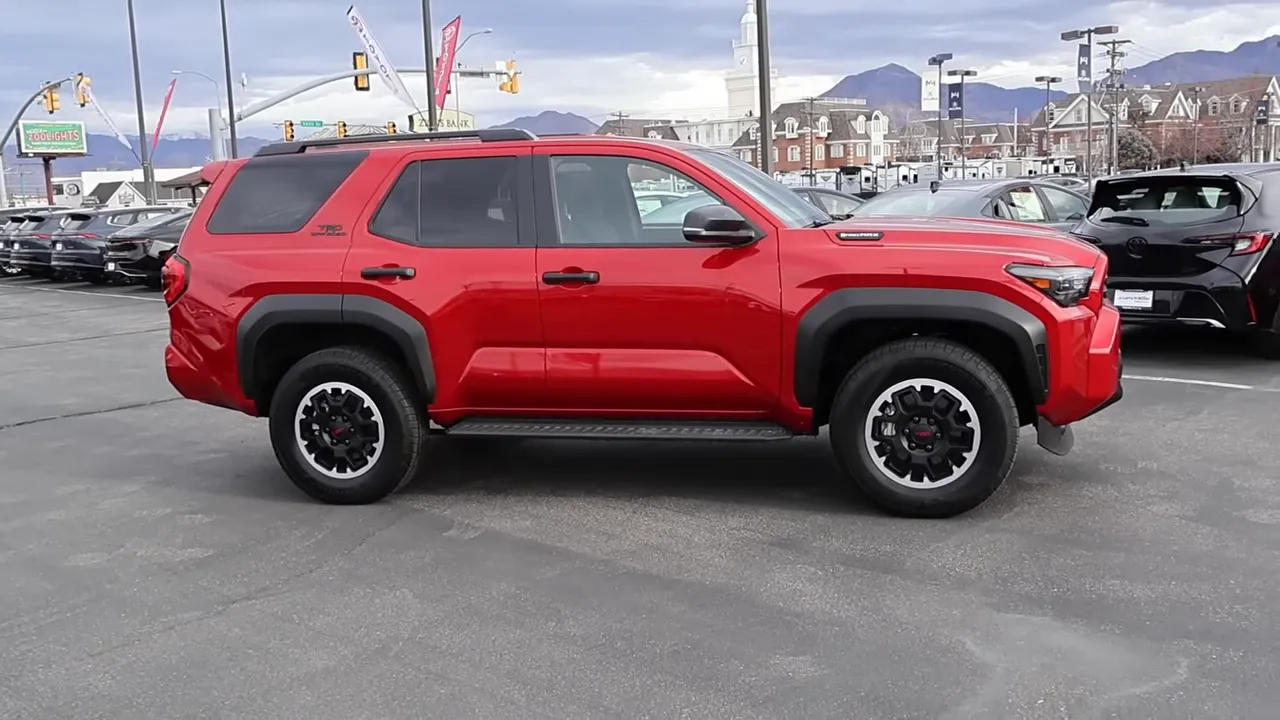
Practical additions remain in place: exposed recovery points, a rear receiver hitch, and a spare tire under the tail. If you prefer the profile without the front air dam, it’s simple to remove — which changes the visual stance significantly.
Interior: Rugged Comfort with Useful Tech 🛋️
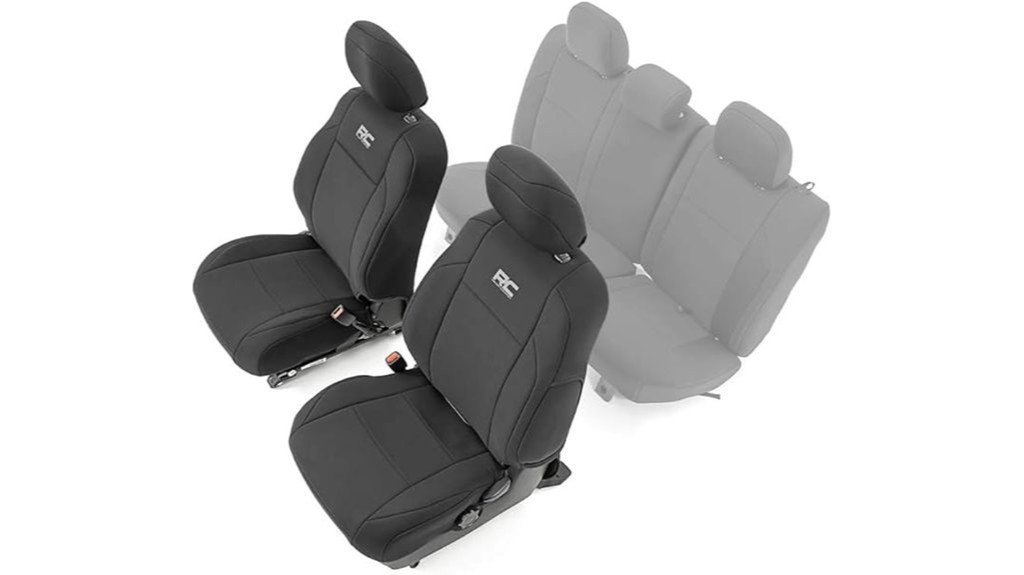
Inside, the sixth-generation 4Runner moves upmarket in feel. Soft-touch trims are more common, and the seat materials have a durable, rugged character that feels better than the previous generation’s cloth. Rear legroom is solid and the load floor rises slightly on hybrid models due to the battery pack, but overall cargo space remains practical for most needs.
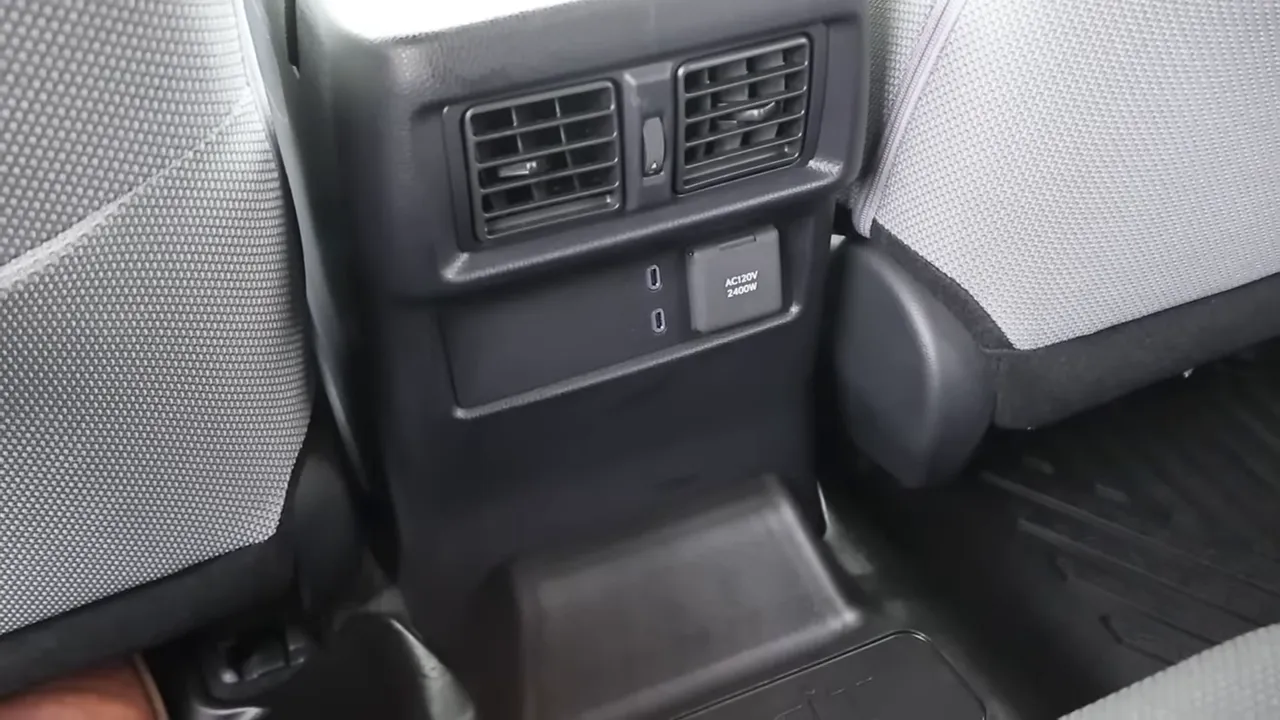
Notable interior features on the TRD Off-Road trim:
- Heated seats and heated steering wheel
- Phone charging pad
- 2,400 watt inverter and a 120V outlet
- Rear vents and multiple USB ports
- Customizable digital gauge cluster with three presets

The infotainment is responsive and straightforward. Expect single-zone climate control on this trim and practical center storage with very large cup holders. Payload is rated around 895 pounds on this configuration — not massive, but reasonable for a lifestyle off-roader.
How It Drives: Torque-First Performance ⚙️
The hybrid powertrain is the headline here: a turbocharged 2.4-liter paired with an electric assist through an 8-speed automatic yields about 326 horsepower and 465 lb-ft of torque. That torque figure transforms how the 4Runner moves, especially given its weight in the mid-5,000-pound range.
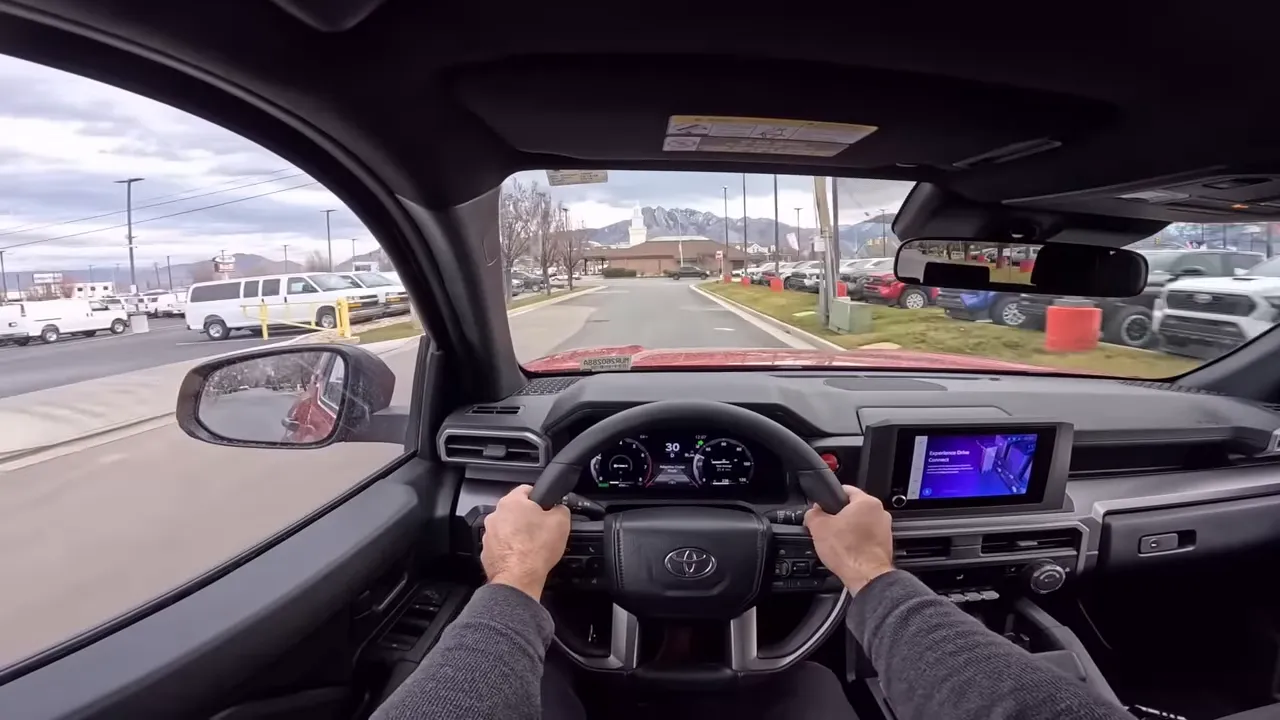
Driving the hybrid feels more like driving a torquey diesel — effortless, low-end shove rather than high-rev theatrics. If you modulate throttle like you would in an older 4Runner — light inputs and letting torque do the work — the experience is surprisingly rewarding. The engine also shuts off at stops to save fuel, which helps city mpg compared with non-hybrid counterparts.
Real-world fuel economy is typically in the high teens to low 20s mpg depending on tire choice and driving style. Keep everything stock and you can see numbers north of 20 mpg on a mixed cycle.
Hybrid Tradeoffs: Performance vs Packaging 🔁
The hybrid is a bit of a love-hate situation. On the plus side it dramatically improves real-world performance and low-end torque, making towing and on-road merging easier and more confident. On the minus side the hybrid battery raises the load floor and slightly reduces cargo flexibility compared with non-hybrid models.
If you value power and smoother around-town driving, the hybrid is a strong choice. If you prioritize maximum cargo volume or want the simplest packaging for aftermarket modifications, a non-hybrid model might still be preferable.
Trim Strategy: Where the Value Lives 💡
My take on the lineup: the TRD Off-Road (the mid-level option) is the new sweet spot. It brings features that many owners of older 4Runners only had on higher trims — heated seats, solid infotainment, and meaningful off-road capability — but at a more reasonable price point. Expect an MSRP in the mid-$50,000 range for a well-equipped TRD Off-Road.
Instead of comparing trim-to-trim by name, compare feature-to-feature. A previous-generation 4Runner in a high trim often maps to the new generation’s TRD Off-Road when it comes to creature comforts and capability. That makes it a compelling upgrade for folks who want modernity without jumping to a top-tier trim.
Practical Tips and Quick Notes 📝
- Noise insulation: Double-pane windows help keep wind and road noise down, even on windy days.
- Brakes: New Toyotas can develop squeaks if dust gets in the brakes after off-road use. Cleaning usually fixes it.
- Driving style: Treat the hybrid like a torque vehicle rather than an engine-revving performance car — partial throttle and low-end torque are the sweet spot.
- Customization: Air dams and steps are easy to remove or swap depending on your aesthetic or lift plans.