The 2026 Toyota Sequoia Limited walks a familiar line: massive SUV capability wrapped in a package that feels modern, comfortable, and—controversially—expensive. Under the sheetmetal it’s classic body-on-frame architecture with a modern hybridized twist. Under the sticker shock it’s the same question most buyers are asking: is this level of price inflation justified? Below I break down what this specific Sequoia brings to the table, how it drives, where Toyota leaned into modern tech and where the old-school underpinnings still show, and whether the Limited’s near-$80,000 price makes sense.
🚙 Exterior: Muscular, Familiar, Slightly Tweaked
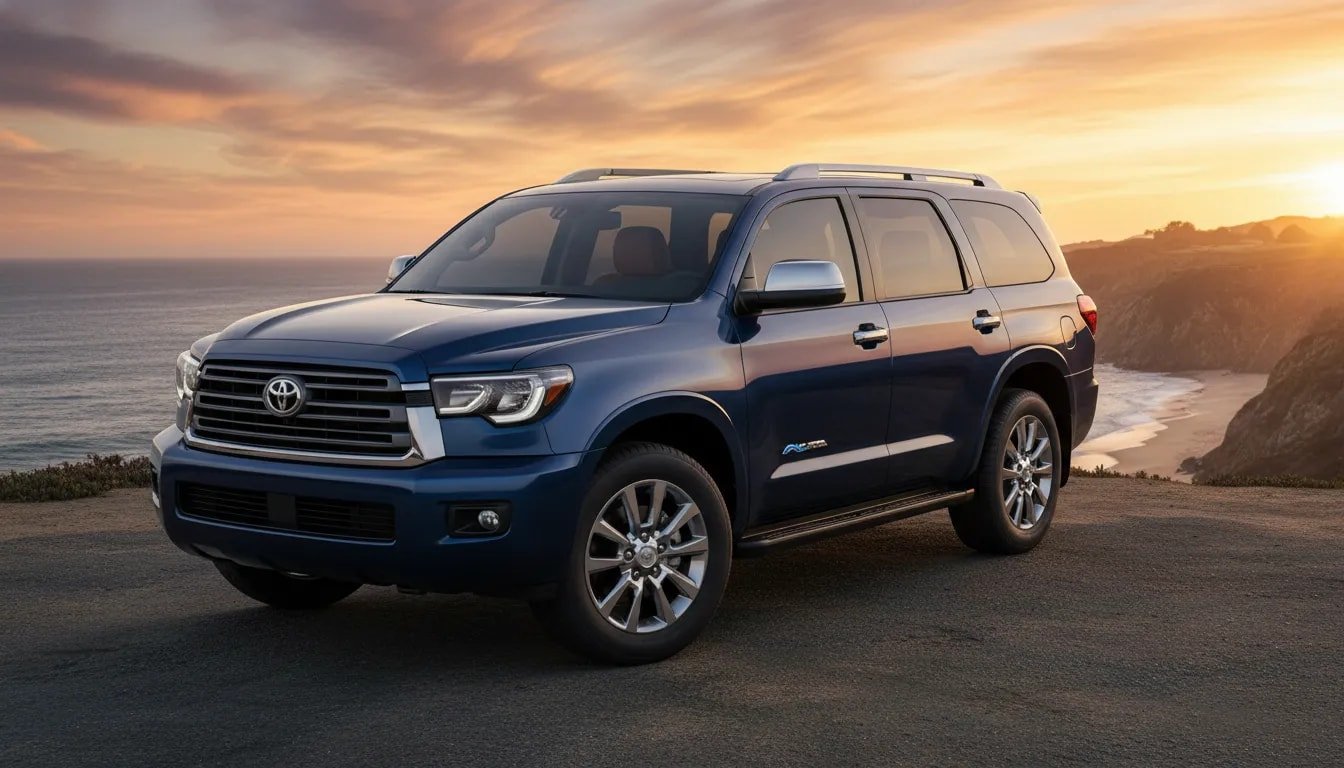
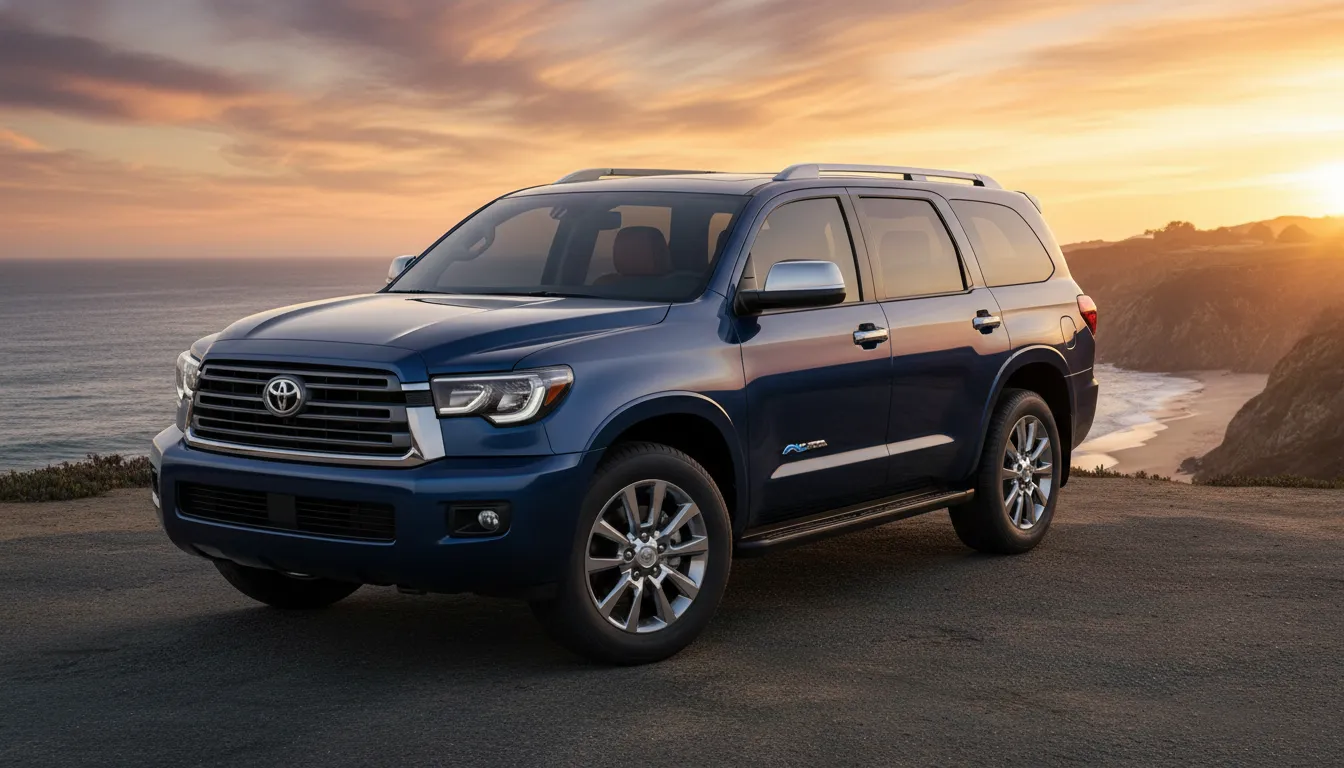
On first glance the Sequoia shares DNA with its Tundra sibling but has its own identity. The hood is boxy with raised sections down the sides. The grille is a touch smaller than the Tundra’s, and the teardrop-style headlights give the front end a slightly softer expression.
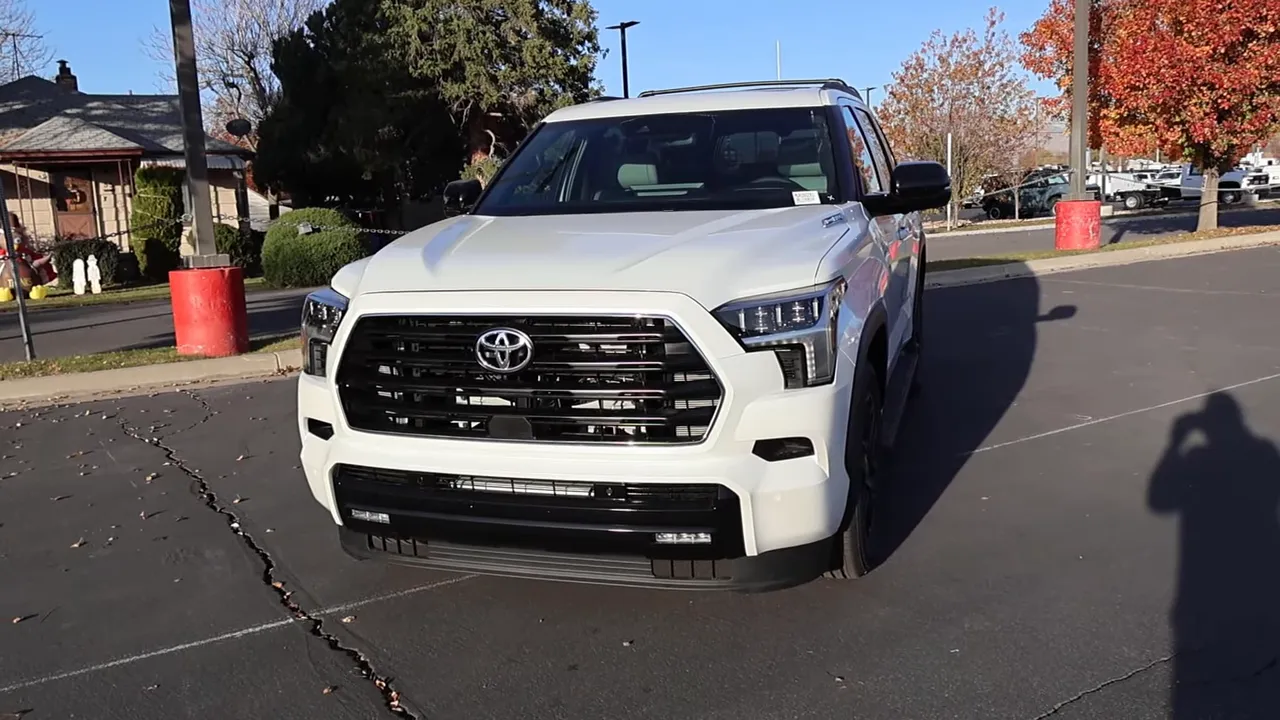
Wheels are 20-inch with a 265/60 profile and finished in black. Fender flares are unpainted on this example, which looks intentional but will be a polarizing detail for some buyers. Fixed side steps and a Limited badge finish the profile. Despite modern styling cues, don’t forget: this is a body-on-frame SUV—independent front suspension with a solid rear axle.
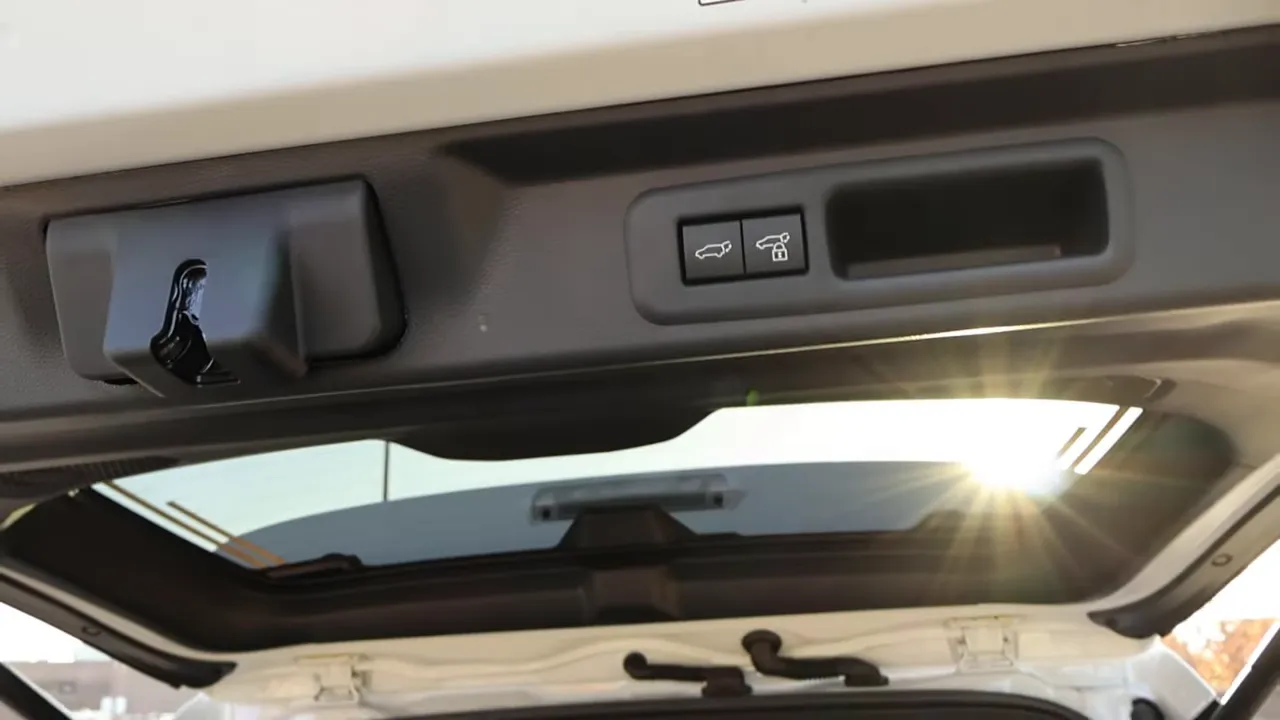
Practical touches include a pop-open rear window, a neat arcing taillight design, and convenient rear hatch buttons for raising and lowering the third row. There’s also a 400 watt outlet in the cargo area, which is one of those features that sounds niche until you actually need it.
🪑 Interior and Practicality: Comfortable but Third-Row Compromises
The interior makes a credible case for the price with soft-touch materials, perforated leather seats, and a surprisingly upscale feel in the front and second row. The second row is genuinely spacious with its own climate zone and plenty of USB ports. Headroom is decent, though the panoramic sunroof introduces a little hump that eats into roof space for taller passengers.
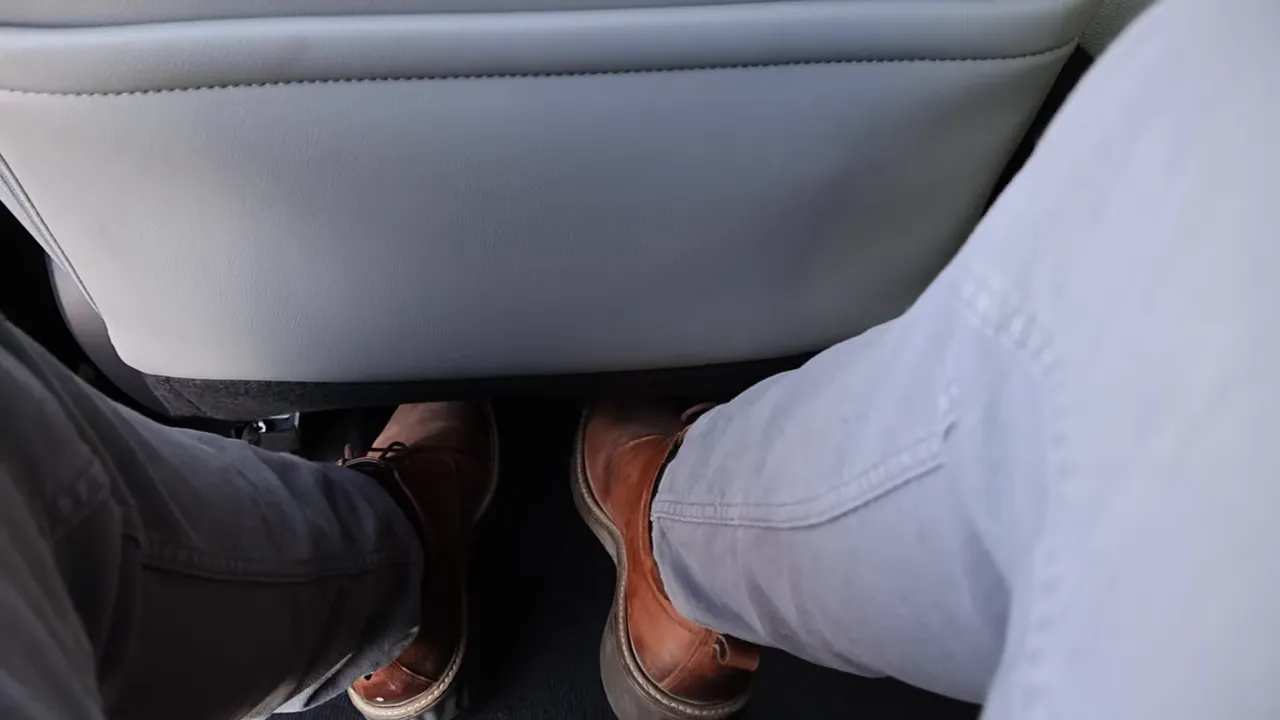
The third row is the usual full-size-SUV compromise. Because the Sequoia still carries the battery and other packaging under the load floor, the third row sits higher and legroom is limited. Toyota did provide power buttons to raise and lower the third-row seats and even added a recline function, which helps for longer trips—but anyone expecting stretch-out comfort back there will be disappointed.
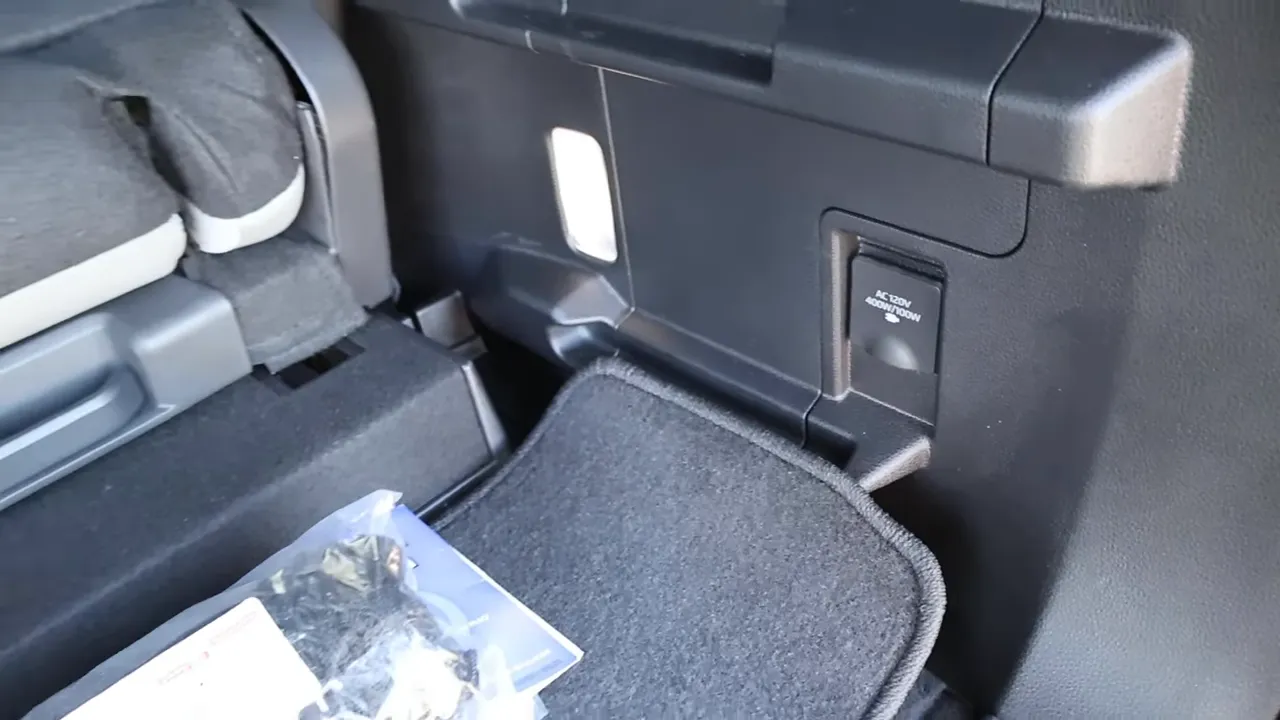
Storage is sensible overall, and there are modern conveniences sprinkled throughout: a panoramic center window control, phone charging pad, multiple USB ports, and a camera-equipped rearview mirror. Payload capacity is rated at 1,380 pounds—respectable for the segment, and useful to keep in mind if you’re hauling people and gear regularly.
🔧 Powertrain and Performance: Twin-Turbo Hybrid Torque Machine
Under the hood sits Toyota’s twin-turbo 3.4 liter V6 coupled with a hybrid system and routed through a 10-speed automatic. The combined output is strong: roughly 437 horsepower and a hefty 583 lb-ft of torque. Fuel economy is quoted at about 19 mpg around town and 22 mpg on the highway—good for a vehicle this size, but not transformative.
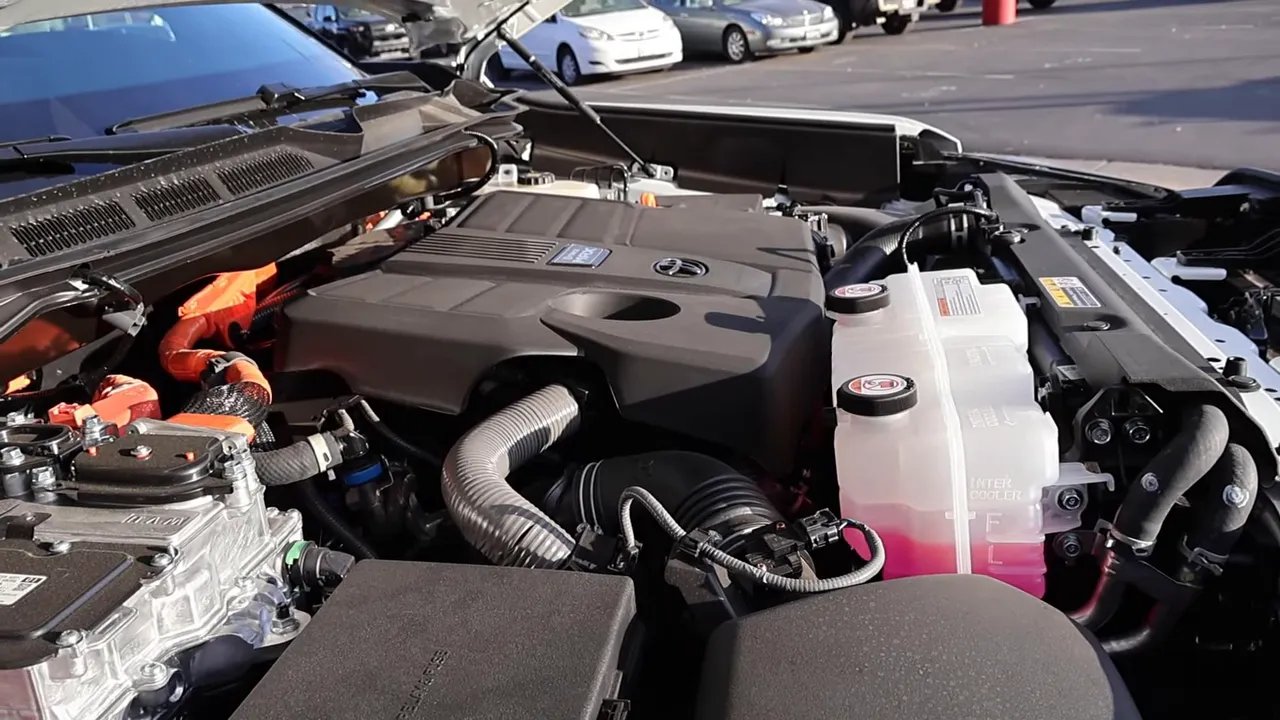
What you feel behind the wheel is solid low-end torque and smooth power delivery. The hybrid system helps with both power and refinement. There’s an EV mode that lets the vehicle run on electric assist at low speeds, and the transitions to and from engine-on are mostly seamless. Occasionally there’s a noticeable lag when the engine restarts, but it’s mild.
Towing and trail-ready features are present: part-time 4WD with a two-speed transfer case, drive mode select, and a tow-haul setting. If towing large loads is a must, those mechanicals are right where you want them from a capability standpoint.
🛠 Ride Comfort: Comfortable… Until a Bump Says Otherwise
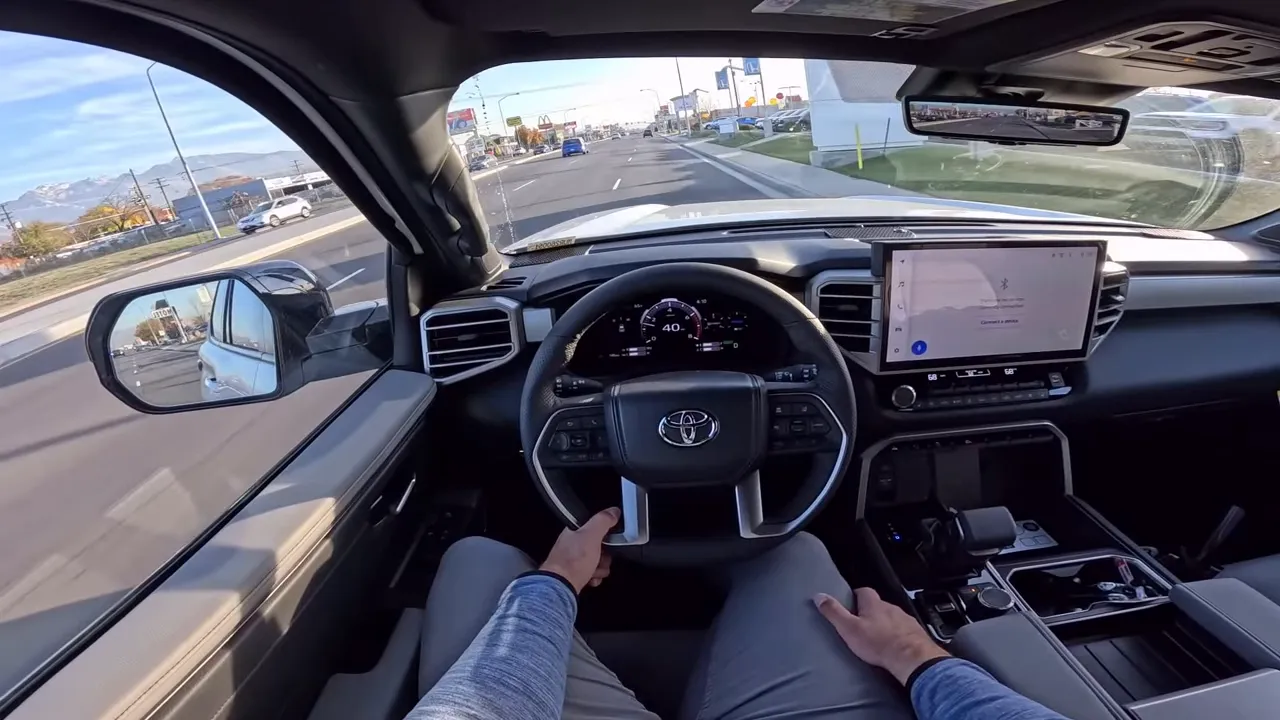
One of the surprises is how comfortable the Sequoia generally is. Toyota has dialed in a compliant ride that isolates a lot of road noise even without acoustic glass. That said, this is still a body-on-frame vehicle. Over certain bumps the chassis can exhibit a shuddery reaction that makes the whole cabin feel less refined for a moment. It’s the kind of quirk that reminds you the architecture is traditional, not unibody luxury-sedan-level supple.
📱 Tech and Safety: Massive Screen, 360 Camera, and Plenty of Assist
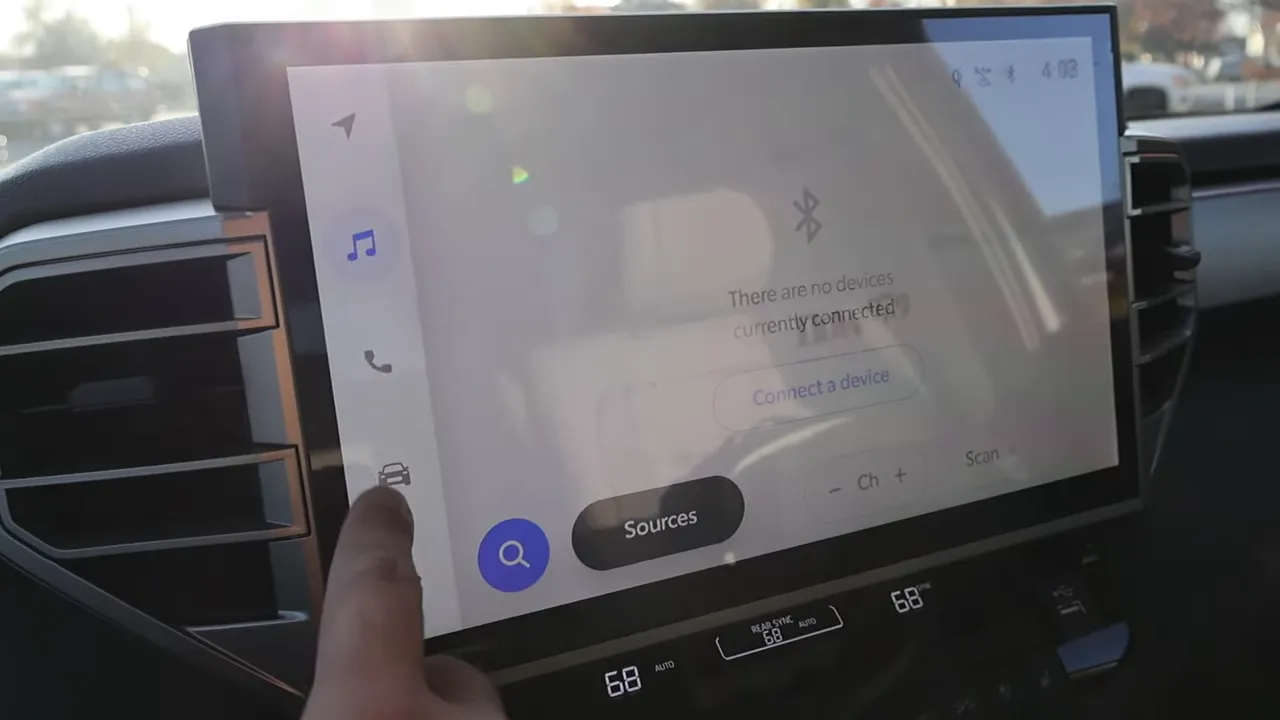
The infotainment interface is large and responsive with a satisfying click when using it. A full digital gauge cluster gives customizable themes and drive mode info, though some of the on-screen menus show mild lag. The Sequoia comes with a 360-degree camera system and a suite of driver assists: adaptive cruise control, lane keep help, and blind-spot monitoring integrated into the mirrors.
Other notable features include heated and ventilated front seats, a heated steering wheel, power folding mirrors, memory seats, and the usual stability and trailer backup assists. For folks who want modern convenience and tech mixed with old-school vehicle architecture, Toyota has packaged a lot of capability into this Limited trim.
💸 Pricing and Value: The $80,000 Question
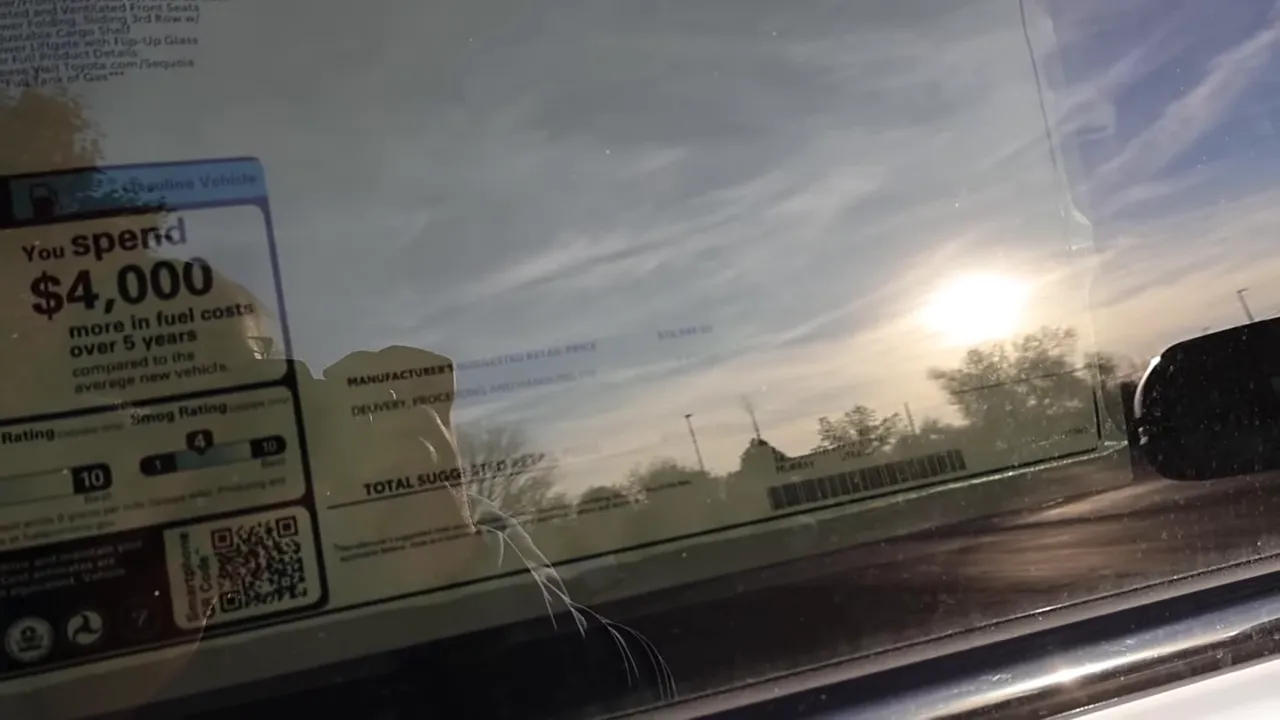
This particular Sequoia Limited with added options comes in at roughly $79,083—commonly rounded to an $80,000 sticker. Toyota’s base pricing for full-size SUVs is now in the mid-60s for many models, and fully optioned rigs like this push toward $80,000 or higher. For buyers comparing to pickup trucks—where a base work truck can start in the low 40s—full-size SUVs feel expensive.
Why the jump? A full cab is more complex to engineer and assemble than a bed-only pickup, and manufacturers justify higher pricing on feature content and perceived value. Still, from a buyer’s perspective there’s a sense that prices should be lower. A reasonable expectation might be base full-size SUVs starting near $50,000, with fully loaded examples closer to $65,000 to $70,000—leaving the top-tier luxury variants to command the extra premium.
Call it market positioning, call it inflation, call it pricing strategy. Toyota and several Japanese automakers raised prices across 2025 and 2026, and that increase hits buyers in this segment. You’re paying for capability, perceived durability, and a brand that carries long-term value—but you are also paying for a market that has shifted prices upward substantially in recent years.
👍 Pros and 👎 Cons
- Pros: Strong twin-turbo V6 hybrid torque, comfortable cabin for front and second row, modern infotainment and safety tech, practical features like power third row and 400W outlet.
- Cons: Steep price when options are added, third-row legroom compromised by packaging, occasional body-on-frame shudder over bumps, some small build-quality nitpicks like unpainted fender flares.
🎯 Who This Sequoia Is For
If you need full-size capability—regular towing, multi-passenger hauling, and rugged utility—while wanting modern interior tech and creature comforts, the Sequoia Limited is a sensible pick. It’s not for buyers who want sedan-like ride refinement in every situation or those who prioritize the lowest possible purchase price.
Buyers who put a premium on long-term reliability, resale value, and hybrid-enhanced torque will appreciate what the Sequoia brings. If your priority is maximum interior space for the third row or the smoothest, unibody-like ride possible, a different platform may suit you better.
🔍 Final Take
The 2026 Sequoia Limited is a capable, well-spec’d full-size SUV that blends modern hybrid power and tech with traditional body-on-frame robustness. It drives comfortably most of the time, provides strong torque and towing ability, and includes thoughtful features for families and weekend warriors alike.
Where it stings is price. At nearly $80,000 this Limited trim feels ambitiously priced for what it is. The package justifies much of its content—but not always the top-dollar premium compared to competitors and simpler pickups. Put differently: you get a lot for your money, but you are paying a market-driven premium that seems out of proportion for what remains a fairly conventional SUV underneath.
❓ Frequently Asked Questions
What engine and hybrid setup does the 2026 Sequoia Limited use?
What fuel economy can I expect?
How many people does the Sequoia seat and how comfortable is the third row?
Is the Sequoia Limited a good towing vehicle?
Why does the Sequoia feel so expensive compared to pickups?
Does the hybrid actually improve efficiency or is it mainly for power?
What are the main trade-offs of buying this Sequoia Limited?
📌 Quick Reference Specs
- Engine: Twin-turbo 3.4L V6 with hybrid assist
- Transmission: 10-speed automatic
- Power: ~437 hp and 583 lb-ft torque
- Fuel Economy: ~19 mpg city / 22 mpg highway
- Payload: 1,380 pounds
- Wheels: 20 inch (265/60/20)
- Price (this example): Approximately $79,083 (options included)
🔁 Final Thoughts
If capability, reliability, and modern tech wrapped in a traditional SUV body are your priorities, the Sequoia Limited delivers. If you’re sensitive to price or want maximum third-row comfort and silent, sedan-like ride quality, compare alternatives carefully. The Sequoia sits at a crossroads: it’s both a competent modern SUV and a reminder that high prices are now part of the equation when buying big vehicles.