Why the 5th‑generation 4Runner market is finally making sense 📉
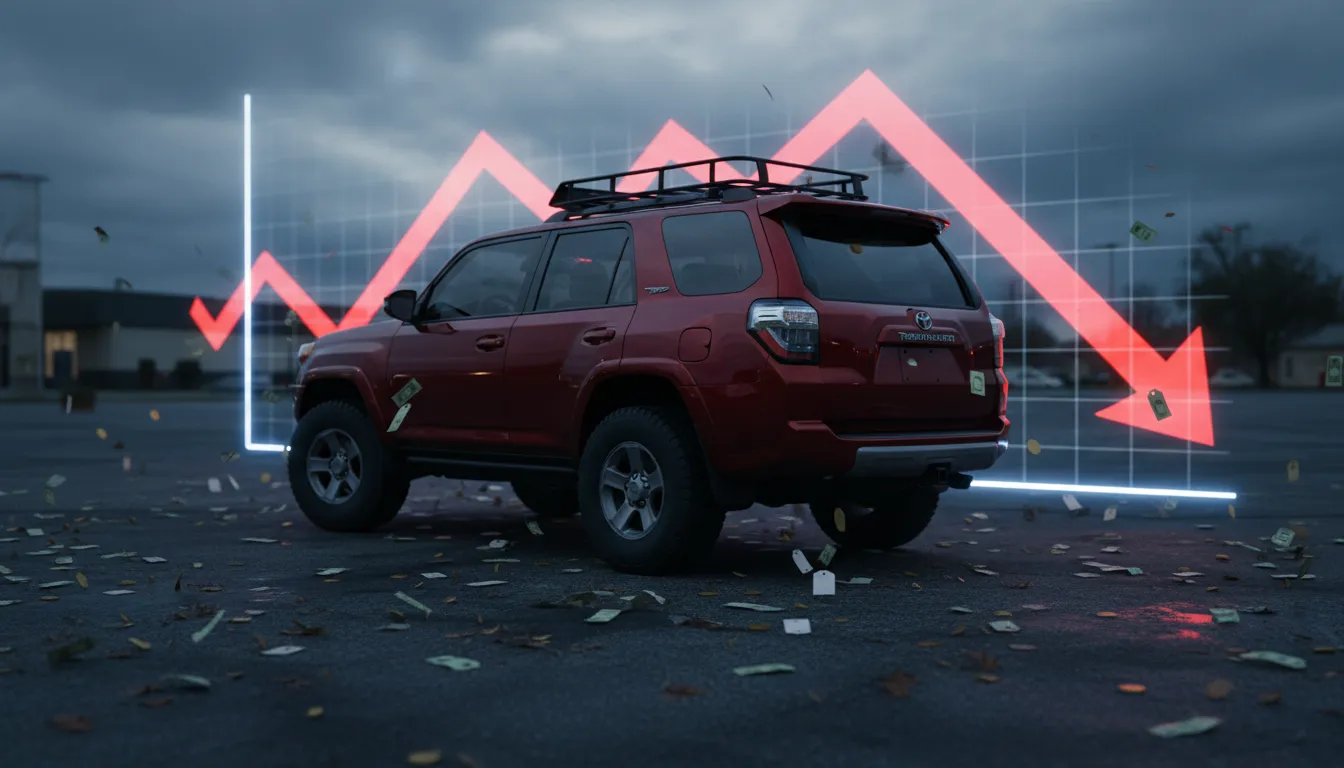
For a while the market for 5th‑generation 4Runners felt unmoored. These trucks were trading for unusually high sums — $60,000 to $70,000 for late‑model examples, especially TRD Pro trims — and that pushed a lot of people into asking whether the price matched the value. The current shift is less a crash and more a market correction: prices have relaxed back toward the mid‑$50,000 range and, depending on mileage and spec, will slide further into the $40s and even $30s.

Several forces pushed the earlier price spike and are now nudging values downward:
- Perceived reliability — the 4.0L naturally aspirated V6 and a simple 5‑speed automatic built a reputation for bulletproof longevity.
- Design and desirability — the 5th‑gen looks timeless and utilitarian, which kept demand strong even as newer models arrived.
- Fear of the new — early questions about the long‑term reliability and complexity of newer models (turbo V6s, hybrids and new electronics) drove some buyers toward the proven older trucks.
- Alternative options surfaced — as prices peaked, buyers started comparing other capable choices such as GX460, 200‑series Land Cruisers, even things like the Ineos Grenadier or well‑spec’d Tacomas and Hilux derivatives.
The upshot: the 5th‑gen 4Runner remains desirable and will hold value relative to its original MSRP, but it is no longer immune to typical automotive market forces. If you’re shopping now, you’ll find much more reasonable pricing and a clearer cost‑benefit story.
What makes the 5th‑gen 4Runner stand out 🧱
There are a few concrete reasons why people have chased these trucks so hard.
- Simple, proven powertrain: the 4.0L V6 with a 5‑speed automatic might not set any speed records — roughly 270 hp and 278 lb‑ft — but it’s durable, easy to work on, and familiar to most independent shops.
- Body‑on‑frame construction: that rugged platform gives it long‑term appeal for buyers who value durability, towing capability, and off‑road upgrades.
- Utilitarian interior that ages well: physical knobs, manual seat latches, chunky climate controls and a simple four‑wheel‑drive shifter make for an interior that tolerates miles and life better than delicate, heavily digital cabins.
- Practicality: folding seats that lie almost flat, a roomy cargo area, and features such as sliding rear glass create genuine utility for camping, overlanding or multi‑use life.
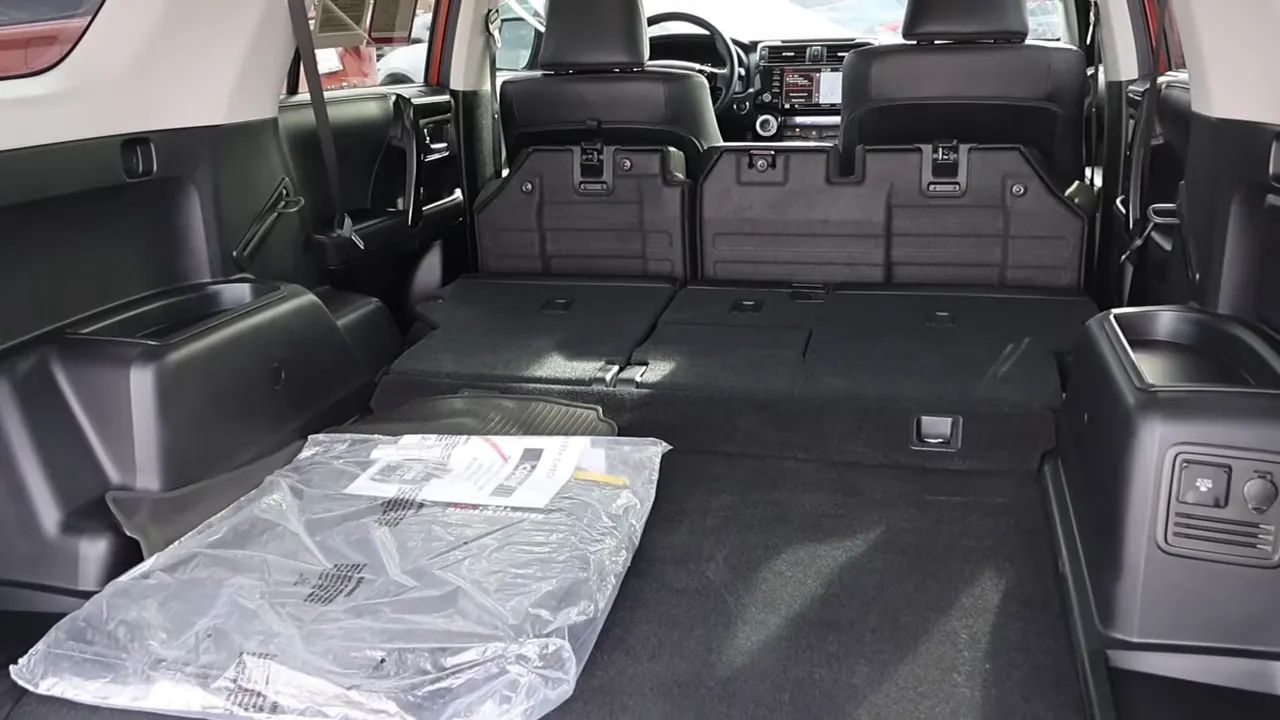
That marriage of mechanical simplicity and practical design is a big part of why the 4Runner held value as long as it did. It’s not about being the fastest or the quietest; it’s about being a reliable, straightforward truck you can modify and rely on.
Interior, controls, and everyday usability 🔧
Step inside and the 4Runner’s ethos is obvious: tactile controls, physical toggles and straightforward interfaces. Heated seats with physical sliders, chunky climate knobs, an old‑school part‑time 4WD shifter and actual diff‑lock controls all make the driving experience feel durable and intentional.
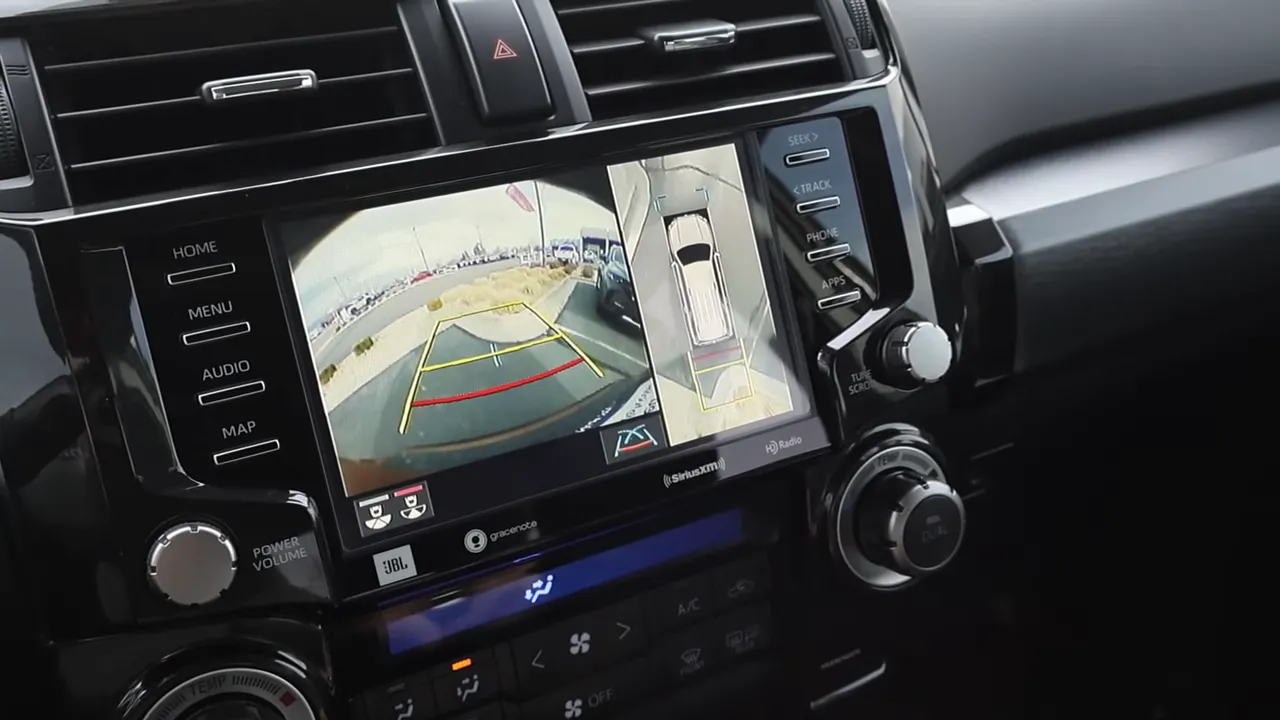
There are modern touches — blind‑spot monitoring, a center infotainment screen and a 360‑degree camera setup — but the main triumph here is the cabin’s resilience. These seats and surfaces don’t just look good when new; they stay looking good after lots of miles and real life use.
Driving impressions: character over outright speed 🚗
If you value steering feel and mechanical feedback, the 5th‑gen delivers. Hydraulic steering offers more feedback than many modern electronic systems, and because the 4Runner uses a part‑time four‑wheel‑drive system, the steering often feels more direct compared with heavier, full‑time drivetrains.
But there are tradeoffs. This truck is not quick. On the highway you’ll find yourself “ringing out” the V6 to get passing power. It’s responsive and enjoyable in its own way, but it requires revs to make progress — and that can be tiring for long, fast interstate hauls.
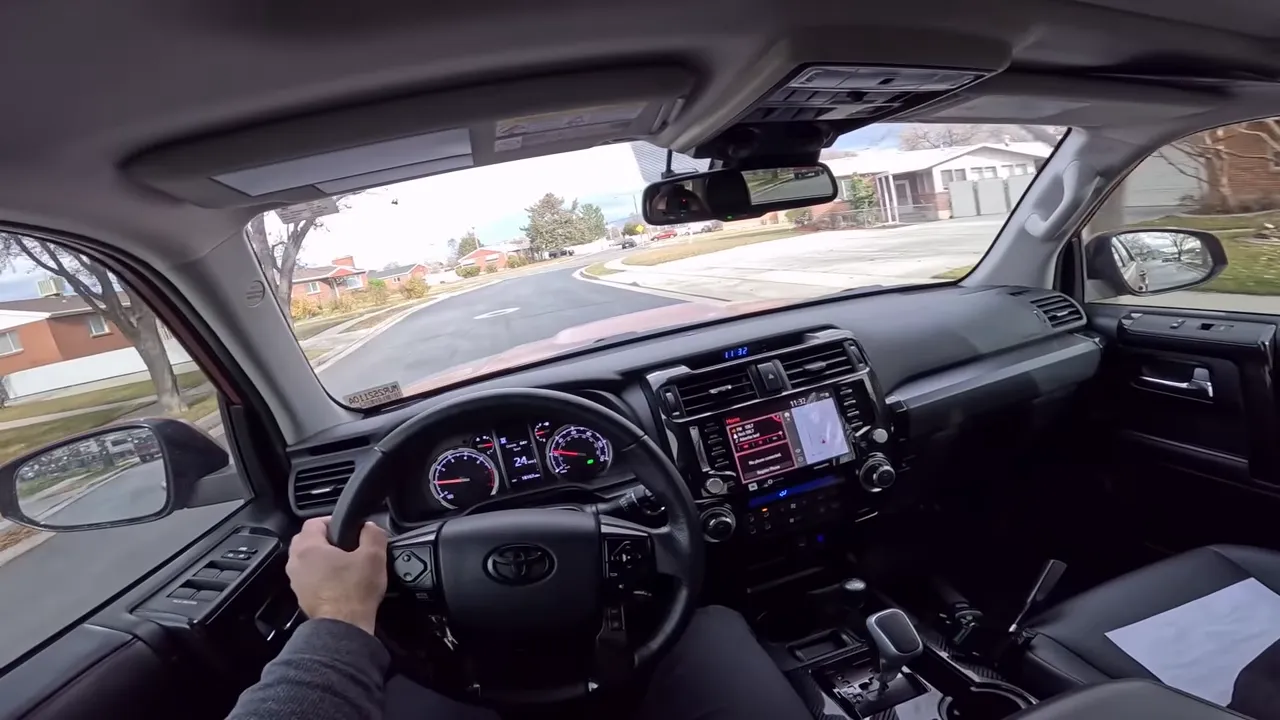
Weight matters too. The 5th‑gen sits just over 5,000 pounds, noticeably lighter than some of the newer mid‑5000s vehicles. That contributes to its agility and helps the old V6 feel reasonably peppy under normal driving conditions. Still, if you’re expecting Land Cruiser levels of torque and low‑end shove, this is a different animal — a light‑duty, reliable off‑roader rather than a commercial‑grade hauler.
Pricing reality: where things stand and where they’re heading 💸
When 2024 examples were trading north of $60,000 and even into the $70,000 range for TRD Pro rigs, the market looked overheated. Now, mid‑$50,000s is more common for well‑spec’d low‑mileage examples. Expect the following bands depending on mileage and trim:
- Low mileage, mid‑spec to high‑spec: mid‑$50,000s
- Higher mileage or lower trim: $40,000s
- Highly used TRD Pro or high miles: potentially low‑$30,000s
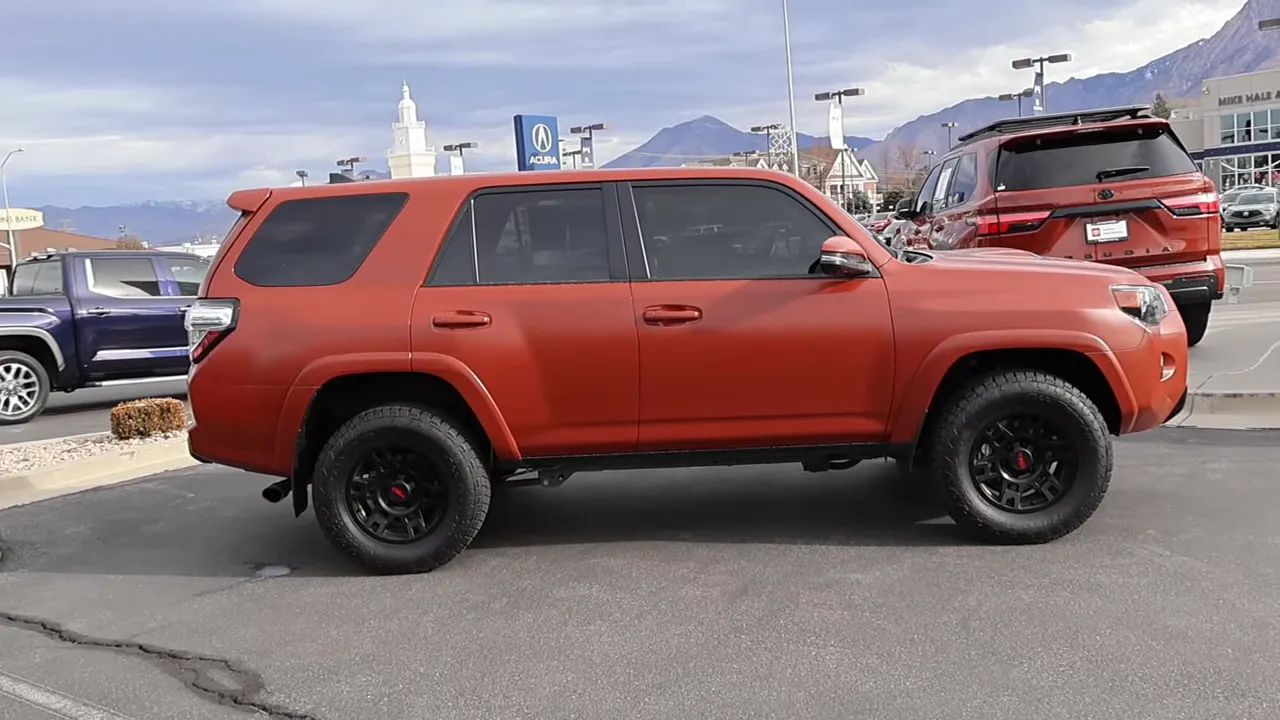
Keep in mind depreciation curves differ by package and original MSRP. A TRD Pro will maintain a floor higher than a base SR5, but lifetime value is still buoyed by the robust platform and the truck’s reputation for longevity.
Why the shift happened: buyers reacted and the market adjusted 🔁
A couple of buyer behaviors helped push prices back down to earth:
- When prices got extreme, shoppers widened their search. They compared GX460s, older Land Cruisers, new hybrids and even niche off‑roaders like the Grenadier.
- As new models proved themselves, some of the initial skepticism about the newer turbo engines and electronics faded, making fresh‑off‑the‑lot options more attractive.
- Owners who love the 5th‑gen sometimes discover they want more passing power or smoother highway manners after ownership and decide to swap, adding supply to the used market.
That balancing act between demand, alternative options and real‑world ownership feedback is what brought prices into a more rational range.
How to decide if a 5th‑gen 4Runner belongs on your short list ✅
The 4Runner shines if you want a mechanically simple, durable, easily serviceable body‑on‑frame SUV that’s built for light off‑roading, overlanding, and everyday utility. It is not the best choice if you need big highway passing power or a truck optimized for long high‑speed interstate driving.
Use these quick checks when comparing options:
- Match vehicle to mission — if your trips are camping, overlanding or weekend trails, the 4Runner is a strong contender.
- Compare total cost of ownership — look at insurance, fuel, likely maintenance and resale in your market before committing.
- Shop alternatives — Lexus GX460, older 200‑series Land Cruisers, newer Toyota 4Runner 400 series or hybrids, and even other off‑road focused trucks could make more sense depending on your needs and budget.
- Don’t overpay for features you don’t need — the 5th‑gen’s charm is its simplicity. You might not need every premium option to get what you want out of the truck.

Trim talk: which 4Runner should you chase? 🏷️
TRD Pro is the halo variant and will typically command the highest prices. Its off‑road hardware, roof rack and unique styling are desirable, but the factory TRD Pro exhaust and certain durability quirks can affect long‑term owner satisfaction.
If you want the balance of capability and value, consider SR5 and TRD Off‑Road trims. They usually include the essentials for off‑pavement work without the top‑tier premium. For a garage queen with low miles, a TRD Pro can be a fun buy if you’re comfortable paying up for the name and equipment.
Maintenance and longevity: what to expect under the hood 🛠️
The 4.0L V6 and 5‑speed automatic are predictable to service. Parts are common and many independent shops know the platform well. That reduces surprises and keeps long‑term ownership predictable.
Still, nothing is bulletproof. Regular maintenance matters. Suspension components, transfer case service and routine clutch/gearbox checks can save you money down the road. The point of buying a 4Runner is to get a vehicle that tolerates real life, but like any vehicle, it still needs attention.
Comparing the 5th‑gen to the new 400 series and other competitors ⚖️
Newer models bring features and technologies that the 5th‑gen lacks: turbocharged engines, more insulation, double‑pane glass, hybrid options and longer wheelbases for improved ride comfort. Those attributes come with increased complexity and weight.
When you weigh options, use these guideposts:
- Want simplicity and easier DIY work? 5th‑gen 4Runner.
- Want creature comforts, modern safety tech and quieter highway cruises? Newer 400 series or hybrid models.
- Need heavy‑duty, long‑distance off‑road capability and higher towing — consider Land Cruiser family or high‑end alternatives.
How to shop: practical tips to make the best purchase 🔎
Look beyond sticker price. Check:
- Service history — consistent maintenance lists are a big plus.
- Rust and chassis condition — body‑on‑frame rigs are forgiving, but neglected frames and underbodies can be costly to restore.
- Modifications and usage — lift kits, aftermarket bumpers and big tires aren’t deal breakers, but they change the vehicle’s wear pattern.
- Realistic performance expectations — if you need frequent highway overtakes with heavy loads, factor that into the decision.
Key takeaways: the market, the truck, and the right mindset 🧭
The 5th‑generation 4Runner remains a compelling choice for those after a reliable body‑on‑frame SUV with straightforward mechanics, practical interior design and proven off‑road chops. Market prices have cooled to more reasonable levels, making them a legitimate contender rather than an overpriced collectible.
Remember: this truck is a light‑duty off‑roader, not a Land Cruiser. If you measure it by that standard — durability, simplicity and utility — its value proposition looks a lot more sensible today than it did when prices peaked.