2026 Mitsubishi Outlander Trail Edition Review
You may like the Outlander Trail Edition’s rugged look, but the buying decision comes down to what sits behind the styling. The 2026 Mitsubishi Outlander Trail Edition combines a seven-seat cabin, a turbo mild-hybrid powertrain, road-surface drive modes and Trail-specific trim. It works best as a comfortable family crossover for pavement, snow, gravel and maintained access roads. This review explains its verified strengths, its light-trail limits and the features you should confirm on the exact vehicle before you buy.
Verification note: Product and trim details were checked against Mitsubishi’s current 2026 Trail Edition listing, current trim information and published road-test data. Equipment can still vary by market, production date and dealer-installed accessories.
Quick Verdict
Rating: 7.5/10, recommended with caveats
Best For: Families who want three-row flexibility, distinctive styling and added confidence on snow, gravel and maintained dirt roads.
Bottom Line: The Trail Edition gives you a comfortable, well-equipped Outlander with useful drive modes and a tougher appearance. Its stock all-season tires, modest performance and small third row keep it from replacing a true off-road SUV.
Key Specifications
| Specification | Detail |
|---|---|
| Brand | Mitsubishi |
| Model | 2026 Outlander Trail Edition |
| Vehicle type | Compact three-row crossover SUV |
| Powertrain | Turbocharged 1.5-liter four-cylinder with mild-hybrid assistance |
| Output | Published road-test data lists 174 hp and 206 lb-ft of torque |
| Transmission | Continuously variable transmission with simulated steps and paddle shifters |
| Seating | Seven seats; third row is best for children or short trips |
| Infotainment | 12.3-inch Smartphone-link Display Audio Navigation system |
| Audio | Eight-speaker Dynamic Sound Yamaha Premium system |
| Cabin highlights | Synthetic leather and suede seating surfaces, heated front seats and panoramic sunroof |
| Driver assistance | MI-PILOT Assist with Navi-link adaptive cruise control, lane-keeping support, lane-departure prevention and traffic-sign recognition |
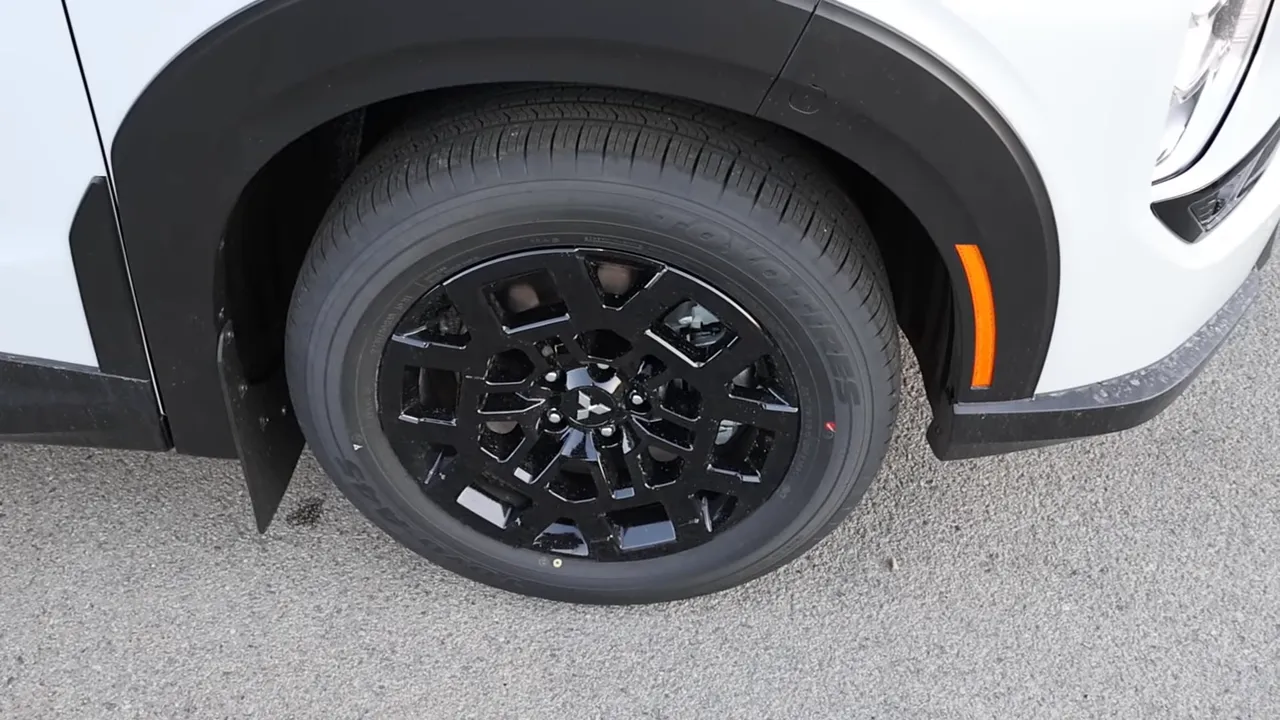
| Wheels and tires | 18-inch black alloy wheels with P235/60R18 all-season tires |
| Drive modes | Tarmac, Gravel, Snow, Normal and Eco |
| Trail-specific design | Hood decal, black roof rails, dark exterior trim, fender protectors, side protectors and Trail Edition badging |
| Starting MSRP | Mitsubishi listed $39,645 as of July 2026, before destination, options, taxes and dealer charges |
| Best use | Daily driving, family trips, winter roads, gravel and maintained campsite access |
What Is the Mitsubishi Outlander Trail Edition?
The Trail Edition is Mitsubishi’s adventure-styled version of the Outlander. The package first appeared for the 2025 model year, while the 2026 version becomes a dedicated trim in the updated lineup. You get Trail-specific exterior pieces, a panoramic sunroof, upgraded cabin materials, a Yamaha audio system and the practical three-row layout found across the Outlander range.
The main selling point is balance rather than extreme capability. You can use it as a normal family vehicle during the week, then carry outdoor gear or drive down a maintained forest road on the weekend. You should still view it as a crossover, not as a substitute for a body-on-frame off-road SUV.
Who Should Buy It?
Best For
- Families who need occasional third-row seating and flexible cargo space.
- Drivers who face snow, gravel, wet roads or maintained campsite access.
- Buyers who value distinctive styling, a large display and strong standard comfort features.
Skip If
- You need adult-friendly third-row space for regular long trips.
- You want quick acceleration or a sporty powertrain.
- You plan to drive through deep mud, large rocks or heavily rutted trails.
Exterior Design and Trail-Specific Details
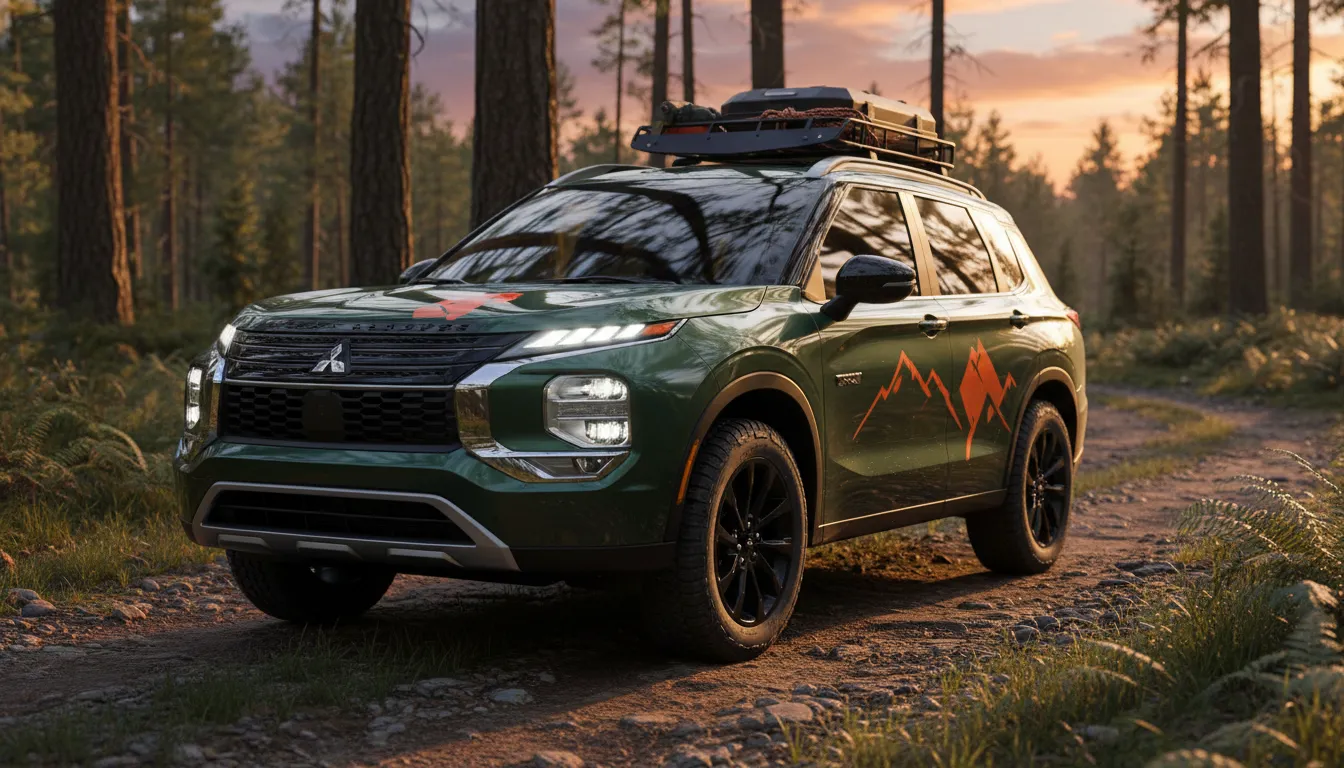
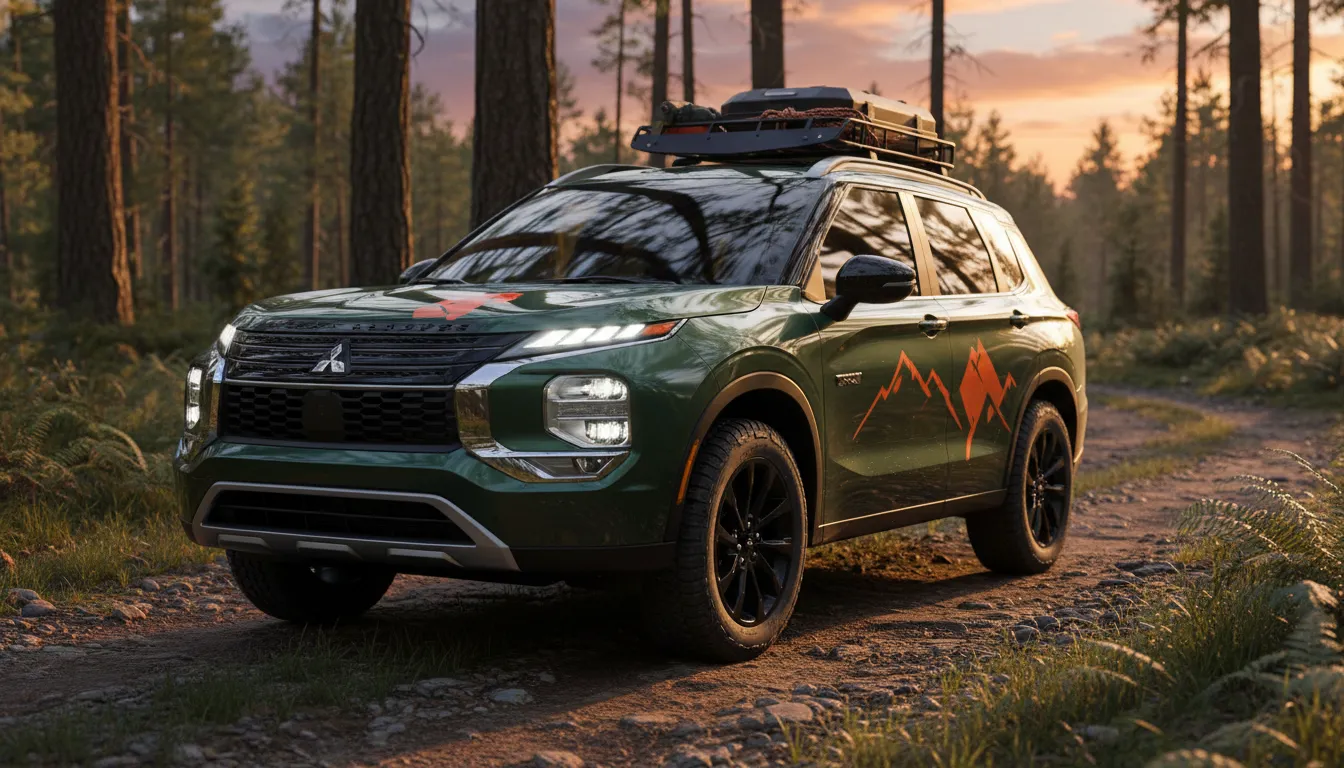
The Trail Edition looks more purposeful than a standard family crossover. Its hood decal, black Dynamic Shield trim, dark window trim, black roof rails and protective-looking exterior pieces give it a stronger outdoor theme. The design is convincing without making the vehicle difficult to live with in a parking garage or narrow driveway.
The roof rails help support travel accessories, but rails alone do not tell you the safe load limit. Check the owner manual and the accessory instructions before adding a rack, cargo basket or rooftop carrier. The limit can change depending on whether the vehicle is parked or moving.
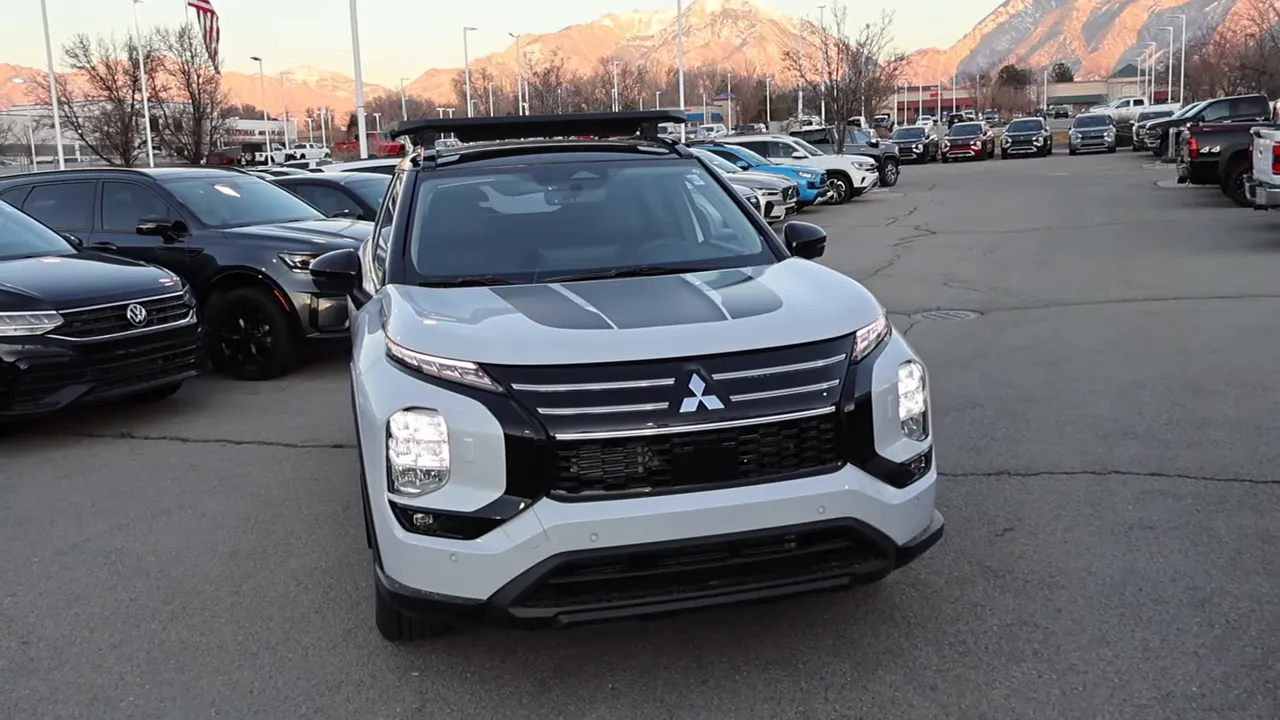
The stock setup uses 18-inch wheels with P235/60R18 all-season tires. That corrects a key point in the earlier article: Mitsubishi does not list aggressive all-terrain tires as the standard tire package. Dealer-installed off-highway tires may be available, but they should not be confused with the stock equipment.
Pro Tip: Check the sidewall on the exact vehicle before signing. A display vehicle may have dealer-installed all-terrain tires that are not included in the advertised base price.
Cargo, Seating and Family Practicality
The Outlander earns attention because it gives you three rows in a footprint that remains easy to manage. The second row uses a 40:20:40 split, which lets you balance passengers and long items. With the rear rows folded, you gain a broad cargo floor for luggage, camping bins, sports equipment or household purchases.
The third row is the compromise. It can solve an occasional seating problem, but adults may find legroom and access tight. Test it with the passengers who will actually use it, especially when child seats occupy the second row.
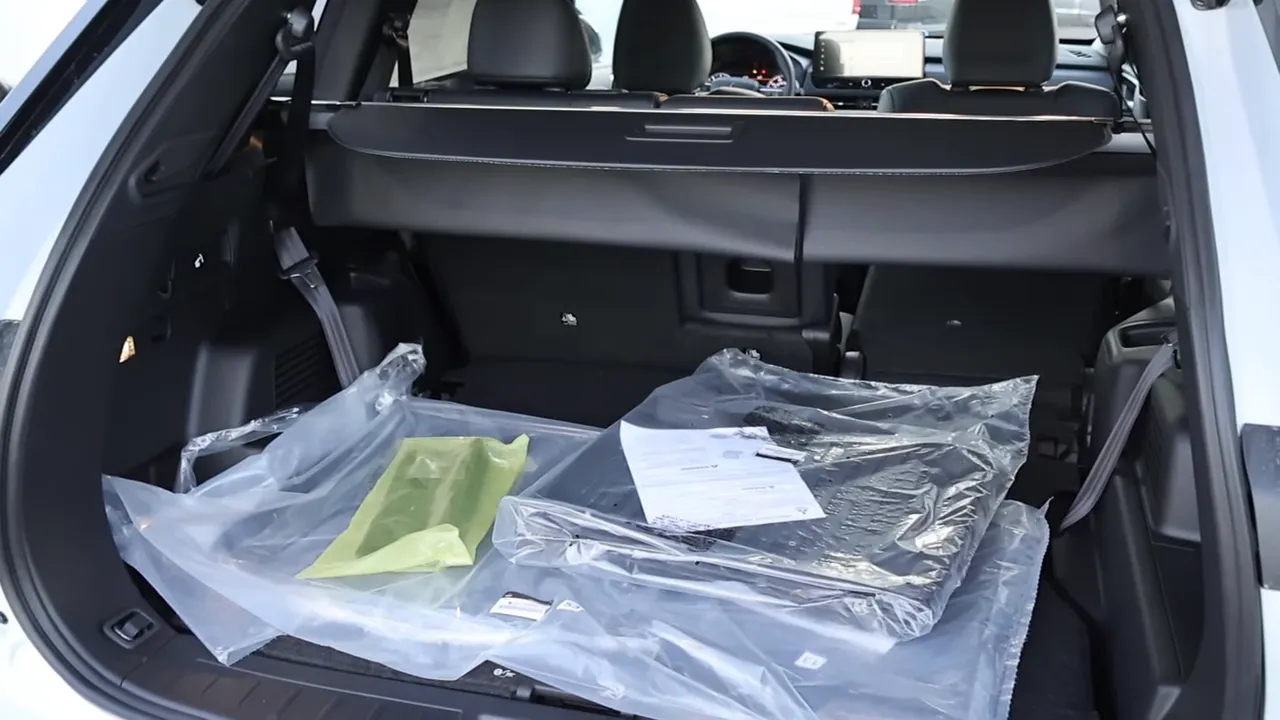
Small practical details matter during family use. Rear air vents, seatback storage and a cargo cover can keep daily clutter under control. Before a long trip, load the vehicle once at home so you know whether the third row and your luggage can be used at the same time.
Interior Comfort and Materials
The Trail Edition’s cabin is one of its strongest areas. Mitsubishi lists synthetic leather and suede seating surfaces, heated front seats, power lumbar support and a panoramic sunroof. These features give the interior a more premium feel than the exterior theme alone might suggest.
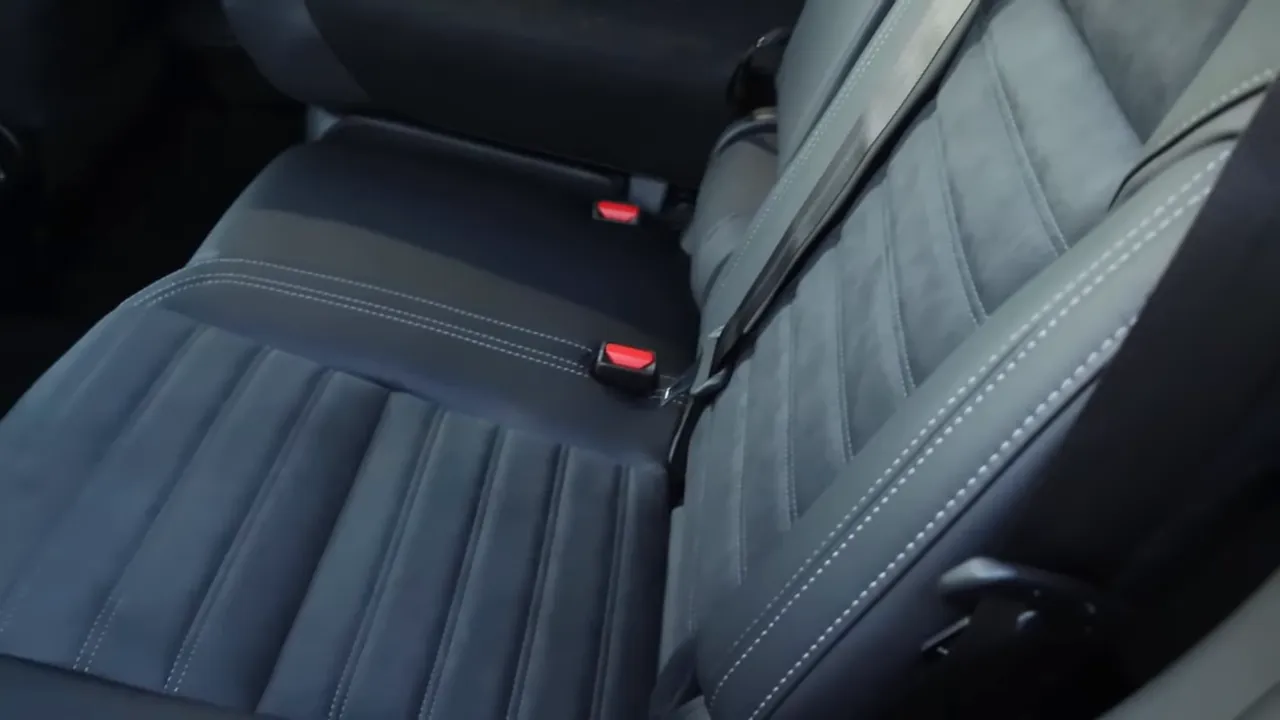
The soft surfaces and supportive front seats suit commuting and longer drives. Suede inserts can require more careful cleaning than plain vinyl, so blot spills quickly and follow the care instructions in the owner manual. You should also check the cabin in direct sunlight because the panoramic glass can increase heat when the shade is open.
Technology and Driver Assistance
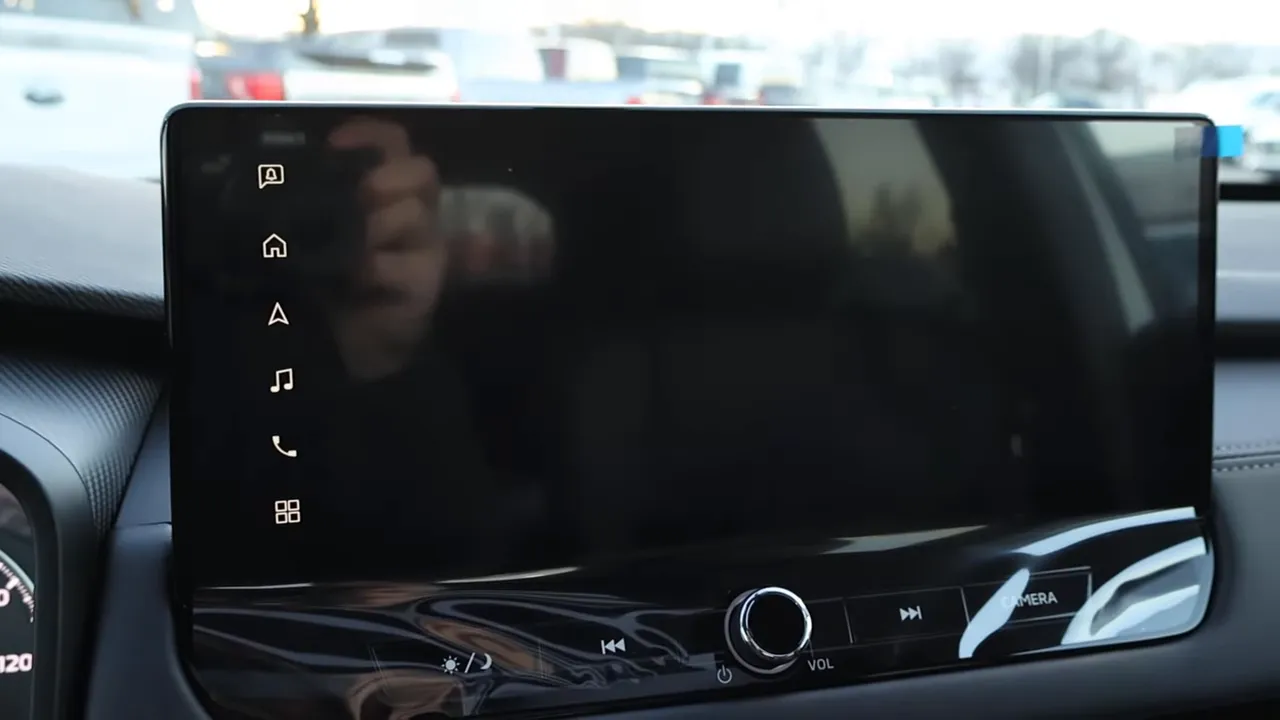
A 12.3-inch Smartphone-link Display Audio Navigation system gives you a large central interface. The Trail Edition also lists an eight-speaker Dynamic Sound Yamaha Premium audio system. Physical controls around the screen remain useful because you can adjust common functions without searching through several menus.
MI-PILOT Assist combines Navi-link adaptive cruise control with stop-and-go capability, lane-keeping support, lane-departure prevention and traffic-sign recognition. These systems can reduce workload, but they do not replace your attention or control. Camera coverage and some convenience features may vary, so confirm the Monroney label and test every function on the vehicle you plan to buy.
Powertrain and On-Road Driving
The 2026 Outlander moves to a turbocharged 1.5-liter four-cylinder with mild-hybrid assistance. Published road-test data lists 174 horsepower and 206 lb-ft of torque, paired with a continuously variable transmission. The system focuses on smooth response and efficiency rather than strong acceleration.
For commuting, the power should feel adequate once you are moving. Passing with a full passenger load may require more planning, and harder throttle inputs can make the CVT more noticeable. Paddle shifters give you added control over simulated ratios, but they do not turn the Outlander into a performance SUV.
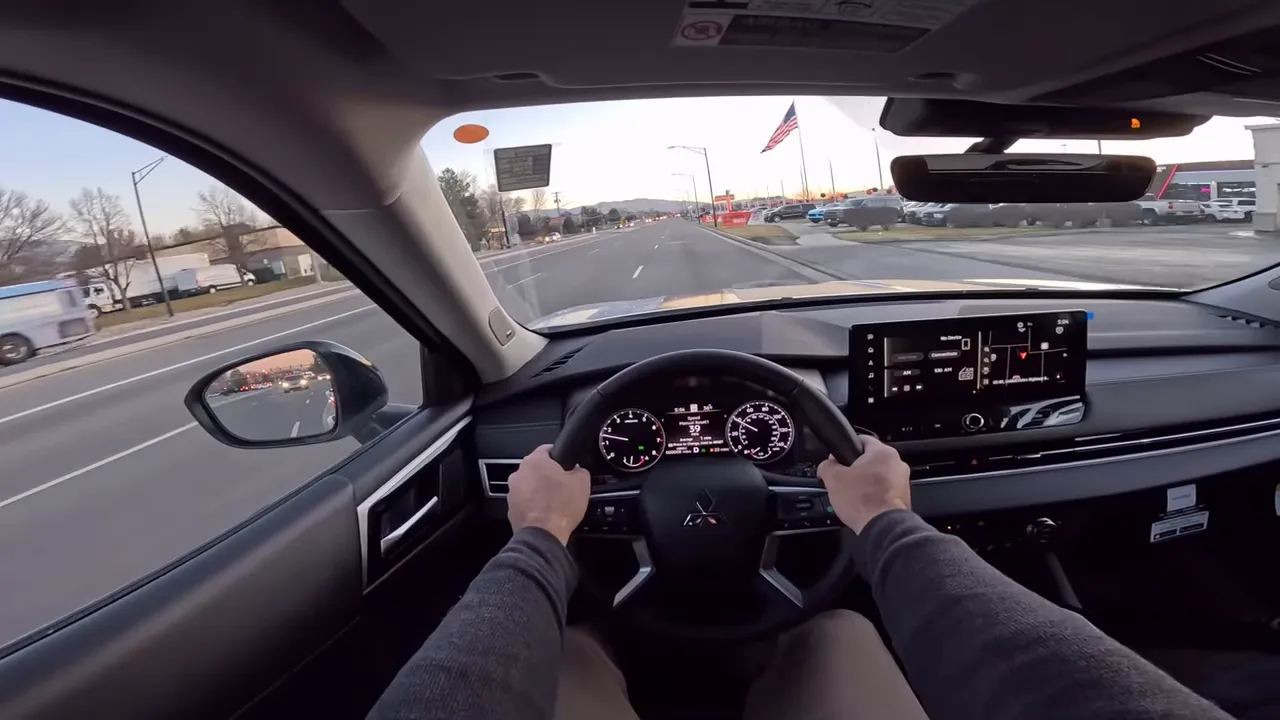
The suspension and unibody structure favor comfort on pavement. That is an advantage over a stiffer trail-focused vehicle when you spend most of your time on city streets and highways. Take a test drive over broken pavement and at highway speed because tire noise and ride quality can change with dealer-installed tires.
Light-Trail Capability and Safety Limits
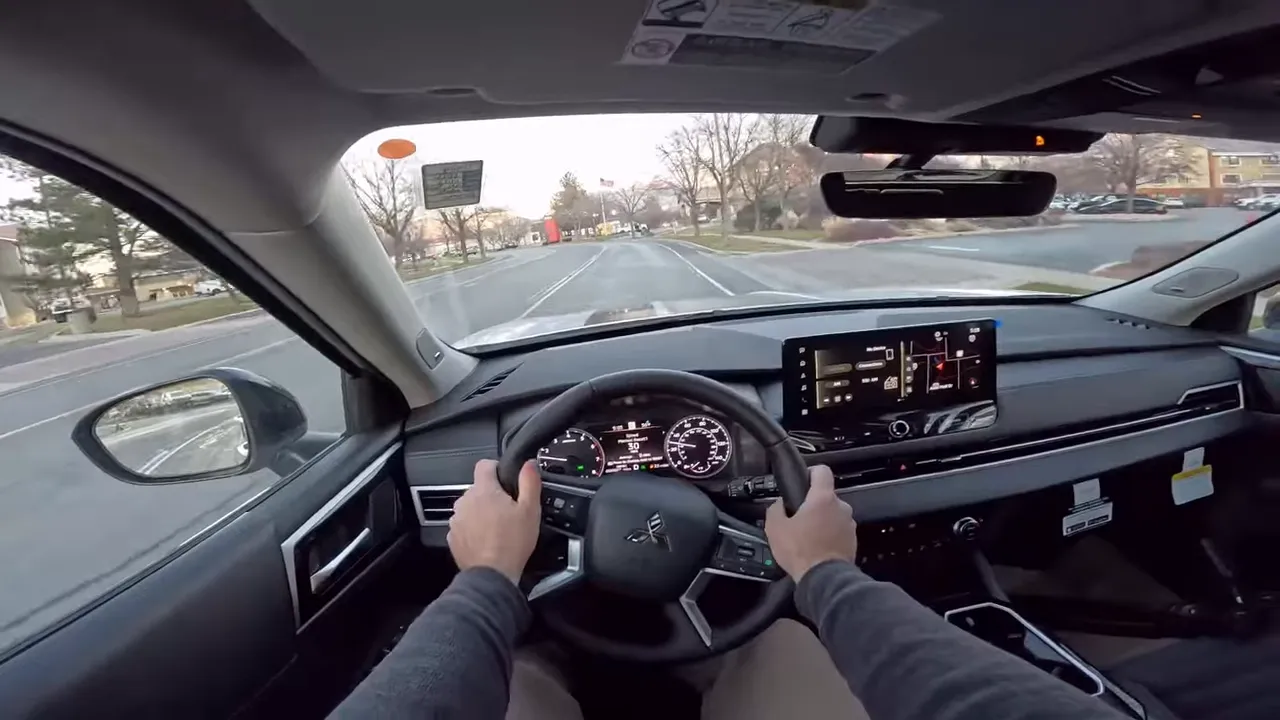
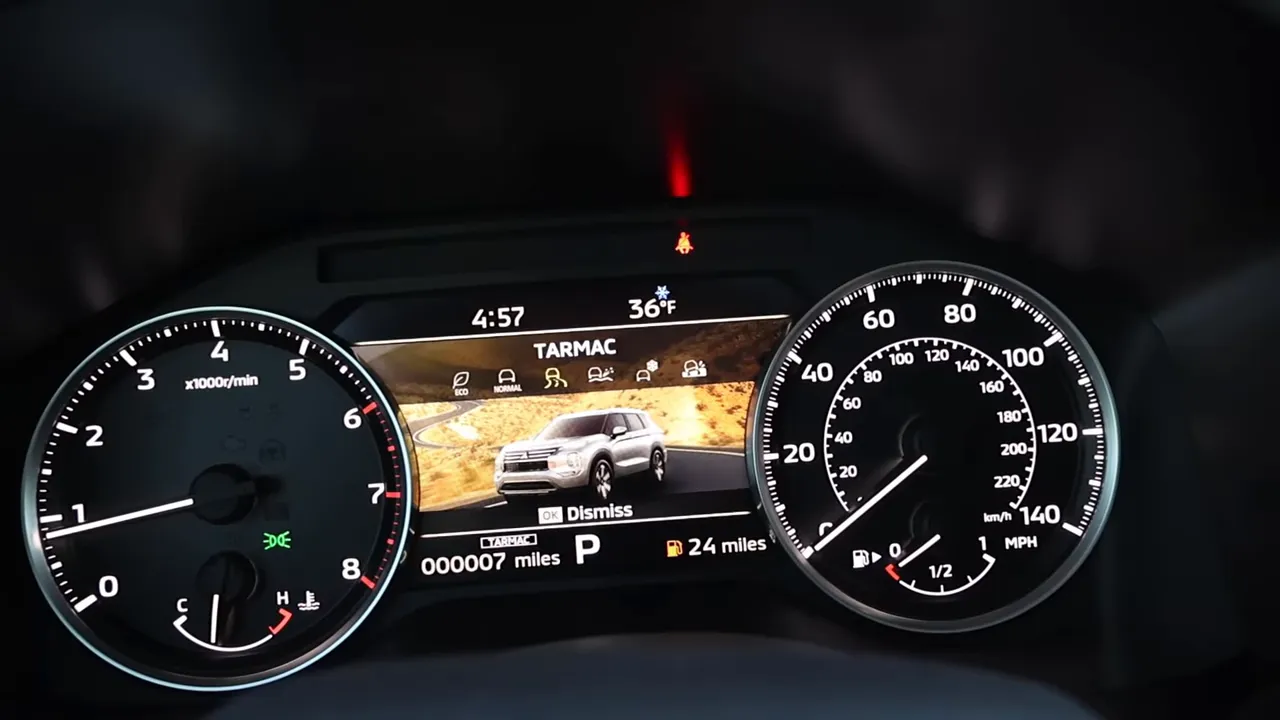
The verified drive modes are Tarmac, Gravel, Snow, Normal and Eco. Gravel and Snow modes can help the vehicle manage changing grip, while Tarmac sharpens its road-focused response. The earlier article’s Mud mode and hill-descent-control claims were not supported by Mitsubishi’s current 2026 feature information, so you should not treat those features as standard.
The Trail Edition remains best suited to maintained dirt roads, gravel, wet grass, snow and campsite access. Stock all-season tires, crossover clearance and road-focused bodywork limit its ability in deep mud, large rocks and severe ruts. Mitsubishi also advises owners to read the manual before off-road driving and to keep within vehicle and accessory load limits.
Before You Buy: Do not assume the Trail Edition includes every accessory shown in promotional photos. Confirm the tires, roof equipment, camera system and other dealer-installed items on the window sticker and purchase agreement.
How It Performs in Real Use
For Daily Commuting
You get a comfortable driving position, helpful physical controls and driver-assistance features that suit traffic and highway travel. The compact footprint is easier to park than many larger three-row SUVs. The tradeoff is modest acceleration when you ask for quick passing power.
For Family Trips
The second row and flexible cargo layout work well for luggage, strollers and sports equipment. The third row gives you backup seating, but using it reduces the room available behind it. Plan your passenger and cargo arrangement before a long road trip.
For Snow and Gravel
Snow and Gravel modes give you settings matched to low-grip surfaces, and the all-season tires support normal year-round use. Tires still determine much of your stopping and cornering grip. Dedicated winter tires may be the better choice where local conditions regularly include ice or heavy snow.
For Campsites and Outdoor Weekends
The roof rails, foldable seating and protective exterior pieces make the Trail Edition useful for outdoor gear. It can handle maintained access roads more confidently than its styling-free appearance might suggest. Avoid routes that require high clearance, rock protection or recovery equipment.
Buying and Ownership Tips
- Inspect the tire sidewalls: Confirm whether the vehicle has the standard all-season tires or dealer-installed off-highway tires.
- Test the third row: Have the intended passengers enter, sit and exit before you decide that seven seats meet your needs.
- Check the window sticker: Verify the camera package, audio system, driver aids, roof accessories and added dealer charges.
- Review load limits: Follow the owner manual for passenger, cargo, roof and accessory limits.
- Compare insurance and tire costs: Large wheels, advanced sensors and specialty tires can affect ownership expenses.
Build Quality and Competitor Context
The Outlander’s cabin materials, solid controls and Trail-specific trim help it feel more distinctive than a basic crossover. Long-term durability cannot be judged from a short review, so service history, warranty terms and local dealer support should remain part of your decision. Mitsubishi’s warranty coverage adds value, but you should read the terms because some powertrain coverage applies only to the original owner.
The Outlander shares architecture with the Nissan Rogue, yet the Mitsubishi gives you a small third row and its own interior, tuning and Trail Edition identity. Your best choice depends on whether you value occasional seven-seat capacity more than performance, second-row space or stronger off-road hardware.
Pros and Cons
Pros
- Seven-seat flexibility in a manageable crossover footprint
- Comfortable cabin with synthetic leather, suede and heated front seats
- 12.3-inch display and Yamaha eight-speaker audio system
- Useful Tarmac, Gravel and Snow drive modes
- Distinct Trail-specific styling without harsh on-road manners
Cons
- Third row is tight for adults and reduces cargo room when raised
- 174-hp powertrain may feel slow with passengers and luggage
- Stock all-season tires limit serious trail grip
- Promotional accessories may cost extra
- Feature content must be checked on the exact vehicle
Is the 2026 Outlander Trail Edition Worth It?
Mitsubishi listed the Trail Edition from $39,645 as of July 2026, before destination fees, options, taxes and dealer charges. At that level, its value comes from the combination of three-row flexibility, cabin features, distinctive styling, drive modes and warranty coverage. The price makes less sense when dealer accessories push it close to larger or more capable SUVs.
It is a good fit when you want one vehicle for commuting, school runs, highway trips and occasional gravel-road travel. You should skip it when performance, adult-sized third-row space or severe off-road ability sits at the top of your list.
How It Compares to Alternatives
Nissan Rogue: Compare it when you want a related compact-crossover platform but do not need a third row or Trail Edition styling. Check current trims and equipment because feature packaging differs.
Subaru Forester: Consider it when visibility, all-weather confidence and a two-row cabin matter more than occasional seven-seat capacity.
Toyota RAV4 Adventure or similar rugged trims: Compare current availability when you want established outdoor-focused styling and a broad ownership network. The Outlander’s main advantage remains its compact third row and generous feature package.
Frequently Asked Questions
The Bottom Line
The 2026 Mitsubishi Outlander Trail Edition is a practical family crossover with a tougher appearance, useful road-surface modes and a feature-rich cabin. Its seven-seat layout, panoramic sunroof, large display and Yamaha audio system give you clear everyday benefits.
Buy it for commuting, family travel, winter roads and light outdoor access. Do not buy it expecting the tires, clearance or power of a dedicated off-road SUV. Before you sign, verify the exact tire package, camera equipment, accessories, final price and warranty terms on the vehicle in front of you.