If you’re shopping for all-season tires for a 2015 Honda Pilot, correct fitment should come before brand, price, or performance claims. The 2015 Pilot commonly uses either 17-inch or 18-inch wheel-and-tire configurations, so a tire that works for one trim may be completely wrong for another.
This guide now focuses on the listed option that clearly matches a common 2015 Honda Pilot fitment: the Hankook Kinergy ST H735 in 235/65R17 104H. Before ordering, check the tire-size label on the driver’s door jamb and compare it with the size printed on your current tire sidewall.
Affiliate disclosure: This article contains Amazon affiliate links. If you buy through one of these links, we may earn a commission at no extra cost to you.
Quick Verdict
Best fit for 235/65R17-equipped Pilots: The Hankook Kinergy ST H735 is a standard touring all-season tire designed around everyday comfort, predictable handling, wet-road performance, and long tread life.
Important fitment note: If your Pilot’s tire placard says 235/60R18, do not order this 235/65R17 tire. A 17-inch tire cannot be mounted on an 18-inch wheel.
Hankook Kinergy ST H735 All-Season Radial Tire – 235/65R17 104H
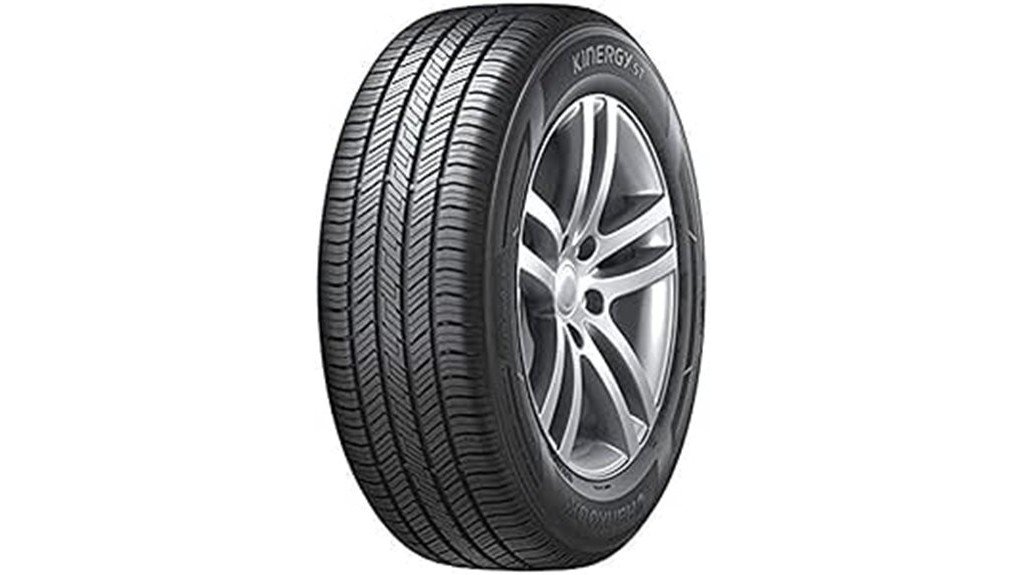
If your 2015 Honda Pilot is equipped for 235/65R17 tires, the Hankook Kinergy ST H735 is the strongest match among the products reviewed here. It is a standard touring all-season tire designed for drivers who prioritize comfortable daily use, predictable handling, wet-road traction, and long-term mileage.
Hankook uses optimized tread-block stiffness to support even wear and handling, while its sipe design and tread pattern are intended to improve grip across dry, wet, and light-snow conditions. A solid center rib helps steering response and braking feel, and the tread design is also engineered to limit excessive road noise.
The 235/65R17 version carries a 104H service description, is M+S rated, and is backed by Hankook’s limited treadwear warranty for the Kinergy ST line. It is not a 3PMSF severe-snow tire, so drivers who regularly encounter deep snow, packed snow, or ice should consider dedicated winter or severe-snow-rated tires instead.
Best For: 2015 Honda Pilot owners whose vehicle placard specifies 235/65R17 and who want a comfort-focused all-season tire for commuting, highway driving, rain, and occasional light winter conditions.
Why You’ll Like It: It combines a Pilot-appropriate 17-inch size with touring-oriented comfort, respectable wet-weather design, a long mileage warranty, and an H speed rating.
Who Should Avoid It: Drivers whose Pilot uses 235/60R18 tires, owners with a different wheel conversion, or drivers who routinely need severe-snow and ice performance.
Pros:
- 235/65R17 sizing matches a common factory-size configuration for the 2015 Honda Pilot.
- Optimized tread blocks, sipes, and center-rib design support stable everyday handling.
- Touring-focused construction aims to balance road comfort and lower noise.
- M+S all-season design provides useful traction for dry roads, rain, and light snow.
- Backed by a 70,000-mile limited treadwear warranty, subject to Hankook’s warranty terms and eligibility requirements.
Cons:
- Does not fit Pilots equipped with 18-inch wheels and 235/60R18 tires.
- It is not 3PMSF rated, so it should not be treated as a dedicated severe-winter tire.
- A standard touring tire will not provide the same sharp steering response as a performance-oriented tire.
Before You Buy: Confirm Your 2015 Honda Pilot Tire Size
A tire can have excellent reviews and still be the wrong choice if its dimensions do not match your vehicle. Before buying tires for a 2015 Honda Pilot, check the driver-side door-jamb tire placard and the numbers printed on the sidewall of the tires currently installed.
| Size You Find | What to Do |
|---|---|
| 235/65R17 | The Hankook Kinergy ST H735 reviewed above is the correct dimensional size to consider. Still verify the required load and speed ratings on your vehicle placard before ordering. |
| 235/60R18 | Do not buy the 17-inch Hankook above. Shop specifically for a 235/60R18 tire that meets your vehicle’s required load and speed ratings. |
| Any other size | Your Pilot may have replacement or aftermarket wheels. Confirm the wheel-and-tire setup with the vehicle placard and a qualified tire installer before purchasing. |
Fitment tip: Do not choose a tire simply because an online listing mentions “Honda Pilot.” Match the full tire size, wheel diameter, load requirement, and appropriate speed rating for your specific vehicle.
Factors to Consider When Choosing All-Season Tires for a 2015 Honda Pilot
The right tire should match your Pilot physically while also fitting the way you drive. Pay particular attention to size, load capacity, wet traction, winter capability, ride comfort, noise, tread life, and warranty coverage.
Correct Size and Wheel Diameter
Start with the tire size printed on your vehicle placard. The final number in a tire size is the required wheel diameter, so a 235/65R17 tire is made for a 17-inch wheel and a 235/60R18 tire is made for an 18-inch wheel. They are not interchangeable on the same wheel.
If your Pilot has aftermarket wheels, do not assume the original tire size still applies. Have the complete wheel-and-tire package checked for proper clearance, load capacity, overall diameter, and safe installation.
Load Index and Speed Rating
Size alone is not enough. The replacement tire also needs an appropriate load index and speed rating. Never select a lower load capacity simply because the tire is cheaper or easier to find. Compare the service description with your door-jamb placard or have a qualified installer verify it.
Wet Traction Needs
A midsize SUV used for family trips and highway driving benefits from tires that evacuate water effectively. Look for circumferential or lateral grooves, useful siping, and a tread compound designed for all-season wet grip. Good water evacuation helps maintain contact with the road and reduces hydroplaning risk in heavy rain.
Tire condition matters too. Even a well-designed wet-weather tire loses capability as tread wears, so monitor tread depth and maintain proper inflation.
Winter Performance Tradeoffs
All-season tires provide year-round convenience, but not every all-season tire offers the same winter capability. An M+S marking is not the same as the Three-Peak Mountain Snowflake (3PMSF) severe-snow rating.
If you regularly drive through heavy snow, prolonged freezing temperatures, or icy roads, a dedicated winter tire or an appropriate severe-snow-rated tire may provide better braking and traction than a conventional touring all-season model.
Ride Comfort & Noise
For daily Pilot use, road noise and ride quality can matter as much as sharp handling. Touring all-season tires often use pitch sequencing, tread-block tuning, and comfort-oriented construction to reduce repetitive tire noise and harshness.
Drivers who spend hours on highways may prefer a touring design, while drivers who value quicker steering response may accept a firmer or noisier ride from a more performance-focused tire.
Treadwear & Warranty
Treadwear warranties can help compare products, but they should not be treated as a guarantee that every driver will achieve the full advertised mileage. Driving habits, road surfaces, alignment, tire pressure, rotation intervals, and vehicle loading all affect tread life.
Follow the tire manufacturer’s maintenance requirements if you want to preserve warranty eligibility. Keep records of rotations and alignment service where required.
Maintenance and Tire Pressure
Check tire pressure regularly with an accurate gauge rather than relying only on the TPMS warning light. Rotate tires at the recommended interval, inspect for uneven wear, and correct alignment problems early. These simple steps can improve handling, tread life, and wet-road performance.
Frequently Asked Questions
What Size Tires Fit a 2015 Honda Pilot?
Common U.S.-market configurations use 235/65R17 or 235/60R18, depending on trim and wheel setup. Always use the tire placard on your specific Pilot as the final fitment reference because wheels may have been replaced since the vehicle was new.
Can I Put a 235/65R17 Tire on an 18-Inch Wheel?
No. The “17” in 235/65R17 means the tire is designed for a 17-inch wheel. An 18-inch wheel requires a tire with an 18-inch rim-diameter designation, such as the appropriate 235/60R18 setup when specified for the vehicle.
Is the Hankook Kinergy ST H735 a Winter Tire?
No. The Kinergy ST H735 is a standard touring all-season tire with an M+S designation. It is not a 3PMSF severe-snow tire. It can handle normal all-season use and light winter conditions, but drivers who routinely face heavy snow or ice should consider a more winter-focused option.
Do Tires Come With TPMS Sensors?
A tire by itself normally does not include a TPMS sensor. The sensor is mounted at the wheel. A retailer selling a complete mounted wheel-and-tire package may offer sensors separately or as part of the package, so check exactly what is included before ordering.
Should I Replace All Four Tires at Once?
Replacing all four with matching tires helps maintain consistent traction, handling, and tread characteristics. If you are replacing fewer than four, have a tire professional check tread-depth differences and drivetrain requirements, particularly on a four-wheel-drive Pilot.
Conclusion
For a 2015 Honda Pilot equipped with 235/65R17 tires, the Hankook Kinergy ST H735 235/65R17 104H is a sensible all-season choice for drivers who value everyday comfort, predictable wet-weather performance, and long treadwear coverage.
The most important step is still fitment. If your Pilot’s placard shows 235/60R18, do not order this 17-inch model; choose a properly rated tire in the correct 18-inch size instead. Confirm the door-jamb label, current wheel size, load requirement, and speed rating before buying so the tire matches your specific Pilot safely and correctly.