Disclosure: This article contains affiliate links. We may earn a commission from qualifying purchases at no additional cost to you.
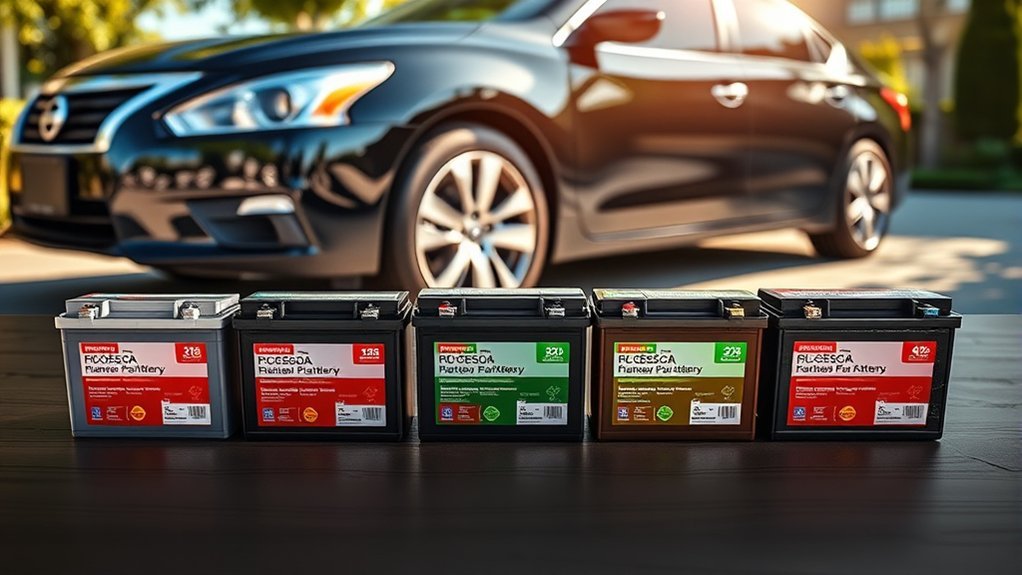
For most 2013 Nissan Altima configurations, BCI Group 35 is the most consistently listed replacement-battery size. Among the products originally evaluated for this guide, the OPTIMA REDTOP 35 AGM battery is the only option with a clearly matching Group 35 format. It provides 720 cold-cranking amps and a 90-minute reserve capacity for strong starting performance, but you should still confirm the group size, terminal orientation, hold-down fit, and clearance against your current battery or a VIN-based fitment tool before ordering.
Quick Verdict
The OPTIMA REDTOP 35 is the best verified option from the supplied product list for a stock 2013 Nissan Altima that needs a dedicated starting battery. Its main strengths are high cranking output, maintenance-free AGM construction, relatively low weight, and vibration resistance. Drivers with large aftermarket stereos, dash cameras that operate while parked, or other heavy key-off electrical loads should first determine whether a dual-purpose battery would better suit their usage.
Compatibility note updated August 2026: Vehicle databases can show different alternatives for particular trims, engines, production dates, or previously modified battery trays. Match the BCI group, case dimensions, positive-terminal position, cable reach, and hold-down system before purchase. A higher CCA number cannot compensate for an incorrect physical fit.
| OPTIMA High Performance 35 RedTop AGM Car Battery | Best Verified Fit | Group Size: BCI Group 35 | Cold Cranking Amps: 720 CCA | Reserve Capacity: 90 minutes | CHECK PRODUCT DETAILS | Read Our Analysis |
More Details on Our Verified Pick
OPTIMA High Performance 35 RedTop AGM Car Battery
The OPTIMA REDTOP 35 is a maintenance-free AGM starting battery in the Group 35 format commonly specified for the 2013 Nissan Altima. Its 720-CCA rating provides a comfortable starting-power margin for cold mornings, while its 90-minute reserve capacity offers useful electrical endurance if the charging system develops a problem.
Why you may like it: The sealed AGM construction immobilizes the electrolyte, reduces routine maintenance, and provides better vibration resistance than a typical conventional battery design. At approximately 31.7 pounds, it is also lighter than many flat-plate AGM batteries with similar cranking output.
Best for: Drivers with a mostly stock Altima who want a premium starting battery, live in an area with demanding temperatures, or value a sealed and vibration-resistant design.
Who should avoid it: Drivers who regularly power substantial aftermarket electronics while the engine is off should not choose a starting battery based only on CCA. Those applications may need a properly fitted dual-purpose battery and an evaluation of the alternator, wiring, and parasitic draw.
Before purchasing: Confirm that your Altima currently accepts a Group 35 top-post battery and that the positive terminal, hold-down hardware, cable length, and hood clearance match. Warranty coverage can also depend on the seller, purchase documentation, and current manufacturer terms, so verify eligibility before checkout.
- Type:AGM Starting Battery
- BCI Group Size:35
- Voltage:12V
- Cold Cranking Amps:720 CCA
- Reserve Capacity:90 minutes
- C20 Capacity:44Ah
- Weight:Approximately 31.7 pounds
- Dimensions:Approximately 9.38 x 6.75 x 7.69 inches
- Battery Technology:Sealed, maintenance-free AGM
- Primary Use:Engine starting in stock or lightly accessorized vehicles
- Warranty:Confirm current terms and seller eligibility before purchase
- Additional Feature:SpiralCell construction
Why Battery Fitment Matters
A battery must do more than supply enough voltage and cold-cranking amps. It must sit securely in the battery tray, connect without stretching or crossing the cables, remain clear of the hood, and work with the factory hold-down system. A battery with impressive electrical specifications can still be unsuitable if its case or terminal arrangement differs from the original configuration.
The Group 35 designation standardizes key physical characteristics, but small differences can still exist between manufacturers. Measure the current battery and inspect how it is secured before ordering online. If the battery tray, cables, or hold-down hardware have been modified, have the installation checked by a qualified technician.
Factors to Consider When Choosing a Battery for a 2013 Nissan Altima
Verify the BCI Group Size
Start with the group number printed on the existing battery. For most 2013 Nissan Altima applications, Group 35 is the most consistently documented fitment. However, production differences, trim variations, previous repairs, or a modified battery tray can affect what is currently installed. Confirm the specification with your VIN whenever possible.
Do not substitute another case group simply because it has the same 12-volt rating or a higher CCA number. Differences in length, height, terminal position, case lip, and hold-down design can prevent a safe installation.
Check Terminal Orientation
Battery cables should reach their terminals naturally without being stretched, twisted, crossed, or routed near moving and hot components. Confirm which side holds the positive terminal when the posts are closest to you. Reversed terminal placement can make an otherwise similar battery unusable.
Cold Cranking Amps
Cold Cranking Amps measure how much current a battery can deliver at 0°F for 30 seconds while maintaining the required voltage. A replacement should meet or exceed the vehicle’s original cranking requirement, but more CCA does not automatically mean a better purchase.
The OPTIMA REDTOP 35 is rated at 720 CCA, which provides substantial starting output. Battery condition, cable resistance, starter condition, oil viscosity, temperature, and charging-system health will still influence how reliably the engine starts.
Reserve Capacity
Reserve Capacity indicates how many minutes a fully charged battery can deliver a standardized 25-amp load before reaching its discharge threshold. It gives buyers a useful way to compare electrical endurance, particularly if the alternator fails or accessories are used with the engine off.
The REDTOP 35 carries a 90-minute reserve-capacity rating. That does not mean it is intended for repeated deep discharges. Regularly running a dedicated starting battery low can shorten its service life.
AGM Versus a Flooded Battery
A properly fitted conventional flooded battery can be suitable when it meets the vehicle’s requirements. An AGM battery is an upgrade rather than an automatic requirement for every 2013 Altima.
AGM construction can offer improved vibration resistance, lower self-discharge, faster charge acceptance, and a sealed maintenance-free design. The charging system must still operate correctly. Installing a premium AGM battery will not solve an alternator fault, corroded cable, failing starter, or parasitic electrical drain.
Starting Versus Deep-Cycle Use
The OPTIMA REDTOP is designed primarily for starting duty. It supplies a strong burst of current to crank the engine and is then recharged by the alternator. This is appropriate for a stock daily driver with normal electrical loads.
A vehicle with a high-powered audio system, parking-mode camera, inverter, auxiliary lighting, or other accessories that operate for long periods with the engine off may subject the battery to deeper cycling. In that situation, seek professional advice about a correctly fitted dual-purpose battery, alternator capacity, cable sizing, and low-voltage protection.
Battery Age and Storage
Check the manufacturing date or date code before installation. Lead-acid batteries gradually self-discharge in storage, and poorly maintained inventory may arrive partially discharged. A new battery should be tested and fully charged according to the manufacturer’s instructions before being placed into service when necessary.
Warranty and Seller Eligibility
Separate the retailer’s return window from the manufacturer’s battery warranty. Review who sold and shipped the battery, what documentation must be retained, where a claim can be handled, whether shipping is covered, and whether the warranty is free-replacement or prorated.
Online marketplace warranty eligibility can vary by seller. Save the invoice, photograph the date code, and confirm the warranty process before discarding the packaging.
Installation and Safety
Wear eye and hand protection, keep flames and sparks away, remove metal jewelry, and avoid placing tools across the terminals. Turn the vehicle off and keep the key away from the car before beginning.
During removal, disconnect the negative terminal first and the positive terminal second. During installation, connect the positive terminal first and the negative terminal last. Secure the battery with the factory hold-down and confirm that it cannot move before closing the hood.
If the old battery is swollen, leaking, frozen, unusually hot, hissing, or physically damaged, do not continue with a routine DIY replacement. Keep clear of it and contact a qualified battery or automotive service provider.
Before You Buy Checklist
- Confirm the year, body style, engine, trim, and VIN in a reliable fitment tool.
- Read the group number and specifications on the current battery.
- Compare the battery’s length, width, height, and terminal orientation.
- Confirm the factory hold-down will secure the replacement case.
- Choose CCA that meets or exceeds the vehicle’s original requirement.
- Compare reserve capacity based on your climate and electrical usage.
- Decide whether you need a starting battery or a dual-purpose design.
- Check the manufacturing date and condition upon delivery.
- Verify warranty eligibility for the exact online seller.
- Arrange lawful recycling or a core return for the old battery.
Frequently Asked Questions
What Battery Size Does a 2013 Nissan Altima Use?
BCI Group 35 is the most consistently listed replacement size for the standard 2013 Nissan Altima engines. Because databases can show alternatives for specific configurations, verify the group number on the current battery and check the VIN before purchasing.
Does the OPTIMA REDTOP 35 Fit a 2013 Nissan Altima?
Its Group 35 format aligns with the most common fitment listed for the 2013 Altima. Final compatibility still depends on the terminal orientation, cable reach, tray, hold-down, and available clearance in the individual vehicle.
How Many Cold Cranking Amps Does the Altima Need?
Choose a replacement that meets or exceeds the original specification shown by a reliable VIN-based catalog or the current battery label. The OPTIMA REDTOP 35 provides 720 CCA, but case fitment and terminal placement remain just as important as cranking output.
Is an AGM Battery Required?
Not necessarily. A correctly sized conventional flooded battery may be suitable if it meets the vehicle’s specifications. AGM can be a useful upgrade for buyers who value a sealed design, vibration resistance, lower self-discharge, and stronger charge acceptance.
Can I Install a Different Battery Group if It Has Higher CCA?
Do not assume so. Another group can have adequate voltage and CCA but still be too long, too short, too tall, or incompatible with the terminal and hold-down arrangement. Use only a fitment that can be secured exactly as required.
How Do I Install the New Battery?
Turn the vehicle off, disconnect the negative cable first, disconnect the positive cable, remove the hold-down, and lift out the old battery safely. Clean the tray and terminals as needed. Install the replacement, secure the hold-down, connect positive first, and connect negative last.
How Long Should a Car Battery Last?
Many automotive batteries last roughly three to five years, but heat, cold, infrequent driving, short trips, deep discharges, charging faults, and parasitic drains can shorten that period. Test the battery and charging system when starting performance changes.
What Are the Signs of a Failing Battery?
Common signs include slow cranking, repeated clicking, dim lights during starting, electronic resets, a battery warning related to charging problems, corrosion, or a case that is swollen or leaking. Similar symptoms can also come from the starter, alternator, cables, or parasitic draw, so testing is preferable to guessing.
Will Replacing the Battery Reset Vehicle Settings?
Disconnecting the battery can reset the clock, radio presets, automatic window functions, idle adaptations, and stored diagnostic information. Review the owner documentation before disconnecting power, and do not use an improvised memory-saving device unless you understand the electrical and safety risks.
Final Recommendation
Best verified option from the reviewed list: OPTIMA REDTOP 35
Choose it when your 2013 Nissan Altima is confirmed to accept a Group 35 top-post battery and you want a premium AGM starting battery with 720 CCA, a 90-minute reserve capacity, sealed construction, and strong vibration resistance. Confirm physical fit and seller warranty eligibility before ordering.
The safest battery purchase is based on verified fitment rather than the highest advertised output. Check the current battery, match the case and terminals, secure it with the original hold-down, and test the charging system if the old battery failed prematurely. Those steps reduce installation problems and help the replacement deliver its expected service life.