
Disclosure: As an Amazon Associate, we earn from qualifying purchases. If you click a link on this page and make a purchase, we may receive a small commission at no extra cost to you.
ESAB Sentinel A60 Welding Helmet Review
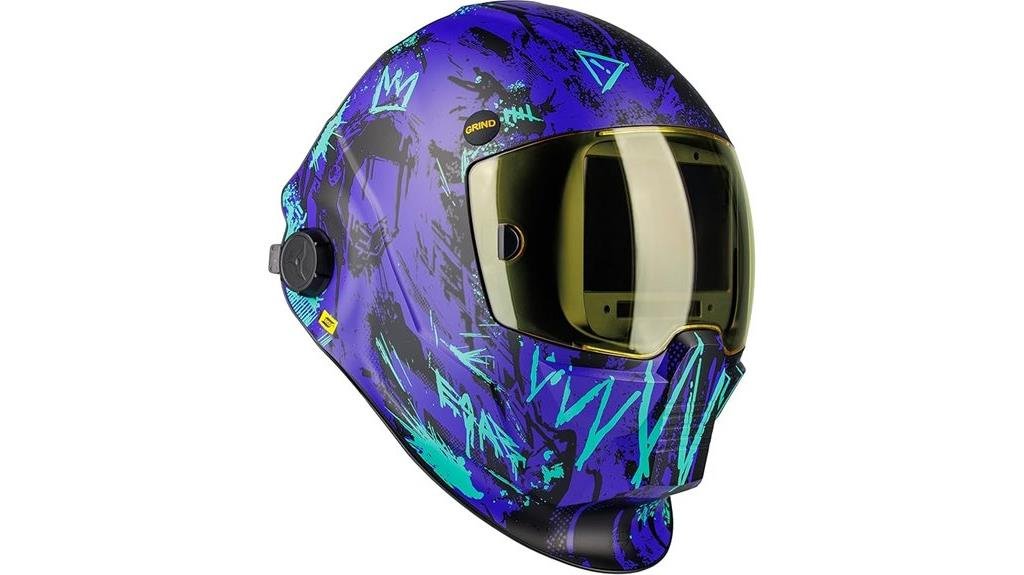
Long welding sessions can strain your eyes, neck, and patience if your helmet feels heavy or shows a narrow work area. The ESAB Sentinel A60 HAVOC Graphic aims to solve that with a wide 4.65 x 2.80 inch auto-darkening filter, true-color optics, and ESAB’s Halo headgear.
This review explains how the Sentinel A60 performs for TIG, MIG, stick welding, and plasma cutting. You’ll see where it feels strong, where you should slow down before buying, and whether this helmet is worth choosing over simpler auto-darkening options.
Our Verdict
Rating: 8.6/10
Best For: Welders who want a large true-color viewing area, fast auto-darkening response, and comfortable headgear for regular TIG, MIG, stick, or plasma work.
Bottom Line: The Sentinel A60 HAVOC gives you premium-style optics, a 4.65 x 2.80 inch ADF, nine memory settings, and secure Halo headgear. You should still confirm replacement lens cost, warranty terms, and the listed switching-time spec before you publish or buy.
| Specification | Detail |
|---|---|
| Brand | ESAB |
| Model | Sentinel A60 Auto-Darkening Welding Helmet, HAVOC Graphic |
| Viewing Area | 4.65 x 2.80 inches, also listed as 118 x 71 mm |
| Optical Clarity | 1/1/1/1 EN optical clarity rating |
| Lens Technology | ESAB OpTCS true-color lens technology |
| Shade Range | DIN 3/5–13 with 0.5 shade increments and shade-lock setting |
| Arc Sensors | 4 arc sensors |
| Switching Time | 0.08 ms listed on the Amazon-linked product data; confirm before publishing because some ESAB listings show a different figure |
| Power | Replaceable CR2450 battery with low-battery LED |
| Controls | Sensitivity, delay, shade adjustment, grind mode, shade-lock LED, and on-board memory for up to 9 settings |
| Headgear | ESAB Halo headgear with adjustable fit and cushioned nape support |
| Safety Standards | ANSI Z87.1 and EN379 are referenced in product information and should be confirmed against the exact seller listing before purchase |
What Is the ESAB Sentinel A60 HAVOC Graphic?
The ESAB Sentinel A60 HAVOC Graphic is an auto-darkening welding helmet built for serious shop, fabrication, and hobby welding work. It sits above basic entry-level helmets because it combines a large ADF viewing area, 1/1/1/1 optical clarity, true-color lens technology, and memory presets.
The main selling point is visibility. The 4.65 x 2.80 inch viewing area gives you more room to see your weld pool, joint, and surrounding workpiece without moving your head as much. The OpTCS true-color lens helps you read arc detail and workpiece contrast better than older green-tinted filters.
The HAVOC Graphic version adds a bold shell design while keeping the same practical A60 platform. You still get the Halo headgear, replaceable CR2450 battery, grind mode indicator, shade-lock LED, four arc sensors, and up to nine stored settings.
Key Takeaways
- The ESAB Sentinel A60 HAVOC Graphic uses a large 4.65 x 2.80 inch ADF that gives you a wider view of the weld area.
- Its 1/1/1/1 optical clarity rating and OpTCS true-color lens help reduce eye strain and improve contrast around the arc.
- The DIN 3/5–13 shade range, four arc sensors, and fast auto-darkening response support TIG, MIG, stick, and plasma cutting tasks.
- ESAB’s Halo headgear, adjustable straps, and cushioned nape pad help the helmet feel stable during longer work sessions.
- The helmet uses a replaceable CR2450 battery, low-battery LED, grind mode LED, shade-lock LED, and memory for up to nine settings.
Who It’s For and Who Should Skip It
Who It’s For
- Fabricators who want a 4.65 x 2.80 inch viewing area for bench welding, fixture work, and repeated joint setups.
- TIG, MIG, and stick welders who value true-color optics, DIN 3/5–13 shade control, and four arc sensors.
- Welders who switch between jobs and want up to nine memory settings instead of resetting shade, sensitivity, and delay each time.
Who Should Skip It
- Occasional users who only weld a few times each year and don’t need a large ADF, memory presets, or premium-style optics.
- Buyers who want the lowest possible helmet cost and can accept a smaller lens with fewer comfort features.
- Shoppers who need fully verified warranty terms, exact weight, and exact switching-time data before purchase, since seller listings may vary.
Design, Comfort, and Build Quality
Build quality and ergonomics are easy to notice when you handle the ESAB Sentinel A60 HAVOC Graphic helmet. The graphic shell gives the helmet a more distinctive look, while the low-profile design keeps the focus on protection, balance, and visibility.
The Halo headgear matters most during long sessions. Its adjustable straps and cushioned nape pad help spread pressure across your head instead of loading one spot. That fit can make a real difference when you weld, grind, reposition, and repeat for several hours.
The ADF viewing area measures 4.65 x 2.80 inches. That larger window helps you track the weld pool and nearby workpiece without exaggerated head movement. For tight fabrication jobs, the wider view also helps you see clamps, edges, and fit-up lines sooner.
The helmet includes practical daily-use features: a replaceable CR2450 battery, on-board memory for up to nine settings, grind mode, and external access to key controls. Those details help you spend less time adjusting the helmet and more time focused on clean welds.
Auto-Darkening Performance and Optics
The Sentinel A60’s auto-darkening system uses a 4.65 x 2.80 inch ADF, four arc sensors, and a DIN 3/5–13 shade range. That range gives you flexibility for lighter work, higher-amperage welding, and tasks where you need a clear starting view before the arc begins.
The 1/1/1/1 EN optical clarity rating is one of the helmet’s strongest points. It means the lens scores highly for optical class, light diffusion, luminous transmittance variation, and angular dependence. In plain terms, you get a cleaner view with less distortion across the lens.
ESAB’s OpTCS true-color lens technology helps reduce the harsh green tint many older welding helmets show. Better color recognition can help you judge puddle shape, workpiece edges, and surface changes more comfortably. That matters most when you weld for long periods or handle detailed TIG work.
The original product data lists a 0.08 ms switching time, and that is fast enough for serious welding use. A human editor should confirm this exact spec before publishing, because different ESAB or retailer pages may list a different switching-time figure for A60 variants.
Features, Controls, and Usability
The Sentinel A60 works best when you use its controls as part of your normal welding routine. You can adjust shade, sensitivity, and delay to match the process, arc brightness, surrounding light, and personal comfort level.
The helmet includes on-board memory for up to nine settings. That feature helps when you move between TIG, MIG, stick, and plasma cutting tasks. Instead of starting from zero each time, you can return to saved settings that fit common jobs.
Intuitive external buttons, a visible shade-lock LED, and on-board memory with nine presets help make job changes faster.
The grind mode and visible LED indicators reduce guesswork. You can confirm low battery status, grind mode, and shade lock more easily before you start. That matters because welding with the wrong mode or a weak battery can interrupt your work and reduce confidence.
The 4.65 x 2.80 inch viewing area also improves usability. You can line up a joint, check your torch angle, and watch surrounding material with less head movement. That wider view pairs well with the Halo headgear because the helmet feels more stable as you move.
Power, Sensors, and Reliability
The helmet uses a replaceable CR2450 battery and includes a low-battery LED. That setup gives you a clear maintenance path, since you can keep spare CR2450 cells in your toolbox instead of relying on a sealed power system.
The four arc sensors support reliable triggering across TIG, MIG, and stick welding. More sensors help the lens respond when your hand, torch angle, fixture, or workpiece blocks part of the arc. You should still keep the sensor area clean because dust and spatter can affect performance.
The DIN 3/5–13 shade range gives you enough adjustment for many common welding and cutting tasks. The 0.5 shade increments let you fine-tune comfort instead of jumping between wide shade steps. That helps when your eyes feel strained under a setting that is almost right but not quite comfortable.
For reliability, treat the ADF like a precision part. Keep the cover lens clean, replace scratched lenses when needed, store the helmet away from heavy impact, and check the battery indicator before long work sessions. These simple habits protect the durable build and help the helmet perform consistently.
How the ESAB Sentinel A60 Performs in Real Use
For TIG Welding
TIG work rewards clear optics because you need to watch the puddle, filler rod, tungsten position, and workpiece edges at the same time. The 1/1/1/1 lens rating and OpTCS true-color technology help you read those details with less eye fatigue. The DIN 3/5–13 range also gives you room to set the shade for lower or higher amperage work.
For MIG and Stick Welding
MIG and stick welding often create brighter arcs, spatter, and quick body movement. The Sentinel A60’s four arc sensors and fast auto-darkening response help the lens trigger reliably when your angle changes. The larger 4.65 x 2.80 inch view also helps you follow a bead without constantly shifting your neck.
For Plasma Cutting and Grinding
The helmet can support plasma cutting when you choose the right shade for the task. The grind mode is useful when you move from welding to cleanup without switching head protection. Always confirm the mode before striking an arc, since grind mode is not meant for active welding protection.
Pros and Cons
Pros
- Large 4.65 x 2.80 inch viewing area helps you see more of the joint and workpiece.
- 1/1/1/1 optical clarity and OpTCS true-color lens technology support a cleaner, more natural view.
- DIN 3/5–13 shade range with 0.5 increments gives you useful control across TIG, MIG, stick, and cutting tasks.
- Four arc sensors improve triggering confidence when your torch angle or workpiece blocks part of the arc.
- Halo headgear, cushioned nape support, and nine memory settings make the helmet easier to use during longer work sessions.
Cons
- Replacement lenses may cost more than standard generic lens sizes, depending on the seller and part source.
- Exact warranty terms may vary by seller, so you should confirm coverage before purchase.
- Switching-time information varies across product sources, so human verification is smart before publishing a final spec claim.
Is the ESAB Sentinel A60 Worth the Price?
The ESAB Sentinel A60 HAVOC Graphic makes the most sense if you weld often enough to benefit from better optics and comfort. The large ADF, 1/1/1/1 clarity, true-color lens, memory presets, and Halo headgear give you more than a basic auto-darkening helmet.
It offers strong value for the price when you compare it with simple helmets that have smaller viewing areas and fewer controls. You pay for comfort, visibility, and adjustment range rather than just a shell and lens. That makes it a smart buy for everyday use if welding is part of your work or serious hobby.
Budget shoppers may not get full value from it if they only weld occasionally. In that case, a simpler helmet may be enough. But if you care about eye comfort, saved settings, and a wider view, the A60 gives you a practical feature set that can justify the cost.
How It Compares to Alternatives
The ESAB Sentinel A50 is the older name many shoppers compare with the A60. The A60 stands out because it offers a larger viewing area and updated optical performance, making it the better choice if visibility matters most.
If you want another premium welding helmet, the Lincoln Electric Viking 3350 is a common alternative with a strong reputation for lens clarity. The Miller Digital Infinity is another option for buyers who want a very large viewing area and digital controls. The Sentinel A60 remains a strong choice if you value ESAB’s Halo headgear, nine memory settings, and OpTCS true-color view.
Value, Warranty, and Who Should Buy
The ESAB Sentinel A60 delivers the most value to professionals, fabricators, and serious hobbyists who need reliable optics, durable construction, and useful adjustment features. Its 4.65 x 2.80 inch view, 1/1/1/1 optics, OpTCS true-color lens, and memory presets make it more capable than many basic helmets.
Warranty specifics should be confirmed with the seller before purchase. Amazon return terms may also depend on the seller and purchase location, so check the current listing before you order. For safety gear, that extra check is worth a few minutes.
| Feature | Note |
|---|---|
| Optics | 1/1/1/1 clarity rating with OpTCS true-color lens technology |
| Viewing Area | 4.65 x 2.80 inches |
| Shade Range | DIN 3/5–13 with 0.5 increments |
| Fit | Halo headgear with adjustable fit and cushioned nape support |
Frequently Asked Questions
Is the HAVOC Graphic Helmet Compatible With Prescription Safety Glasses?
Yes, the helmet should leave room for many prescription safety glasses. Fit can still depend on your frame size, head shape, and how you adjust the Halo headgear, so test the fit before starting a long job.
Can the Helmet Be Used for Plasma Cutting Operations?
Yes, the DIN 3/5–13 shade range can support plasma cutting when you choose the correct shade for your process. Always match the shade to your cutting current, material, and safety requirements.
Are the Replacement Lenses Proprietary or Standard Sizes?
Replacement lenses are mainly tied to the Sentinel A60 platform. You should use ESAB-compatible inner and outer cover lenses or verified aftermarket parts that clearly list Sentinel A60 fitment.
Does the Helmet Meet ANSI Z87.1 and EN379 Certifications?
Product information references ANSI Z87.1 and EN379 standards. You should confirm those markings on the exact product package or seller listing before purchase, especially if your workplace requires documented compliance.
How Many Settings Can the ESAB Sentinel A60 Store?
The Sentinel A60 includes on-board memory for up to nine settings. That helps when you switch between TIG, MIG, stick, plasma cutting, or different shop tasks during the same day.
What Battery Does the ESAB Sentinel A60 Use?
The helmet uses a replaceable CR2450 battery and includes a low-battery LED. Keeping a spare CR2450 in your toolbox is a simple way to avoid delays during long welding sessions.
The Bottom Line
The ESAB Sentinel A60 HAVOC Graphic earns an 8.6/10 because it combines a large 4.65 x 2.80 inch ADF, 1/1/1/1 optical clarity, OpTCS true-color optics, four arc sensors, and comfortable Halo headgear. You should buy it if you weld often and want better visibility, saved settings, and comfort for longer sessions. You should look elsewhere if you only need a low-cost helmet for rare use or need every warranty and switching-time detail confirmed before purchase.
Ready to Buy?
[…] lead-free flux in a 10 mL syringe with two needle tips for precise dispensing. It offers low smoke, quick wetting, non-corrosive and non-conductive residues, and solid performance on fine-pitch SMD […]