

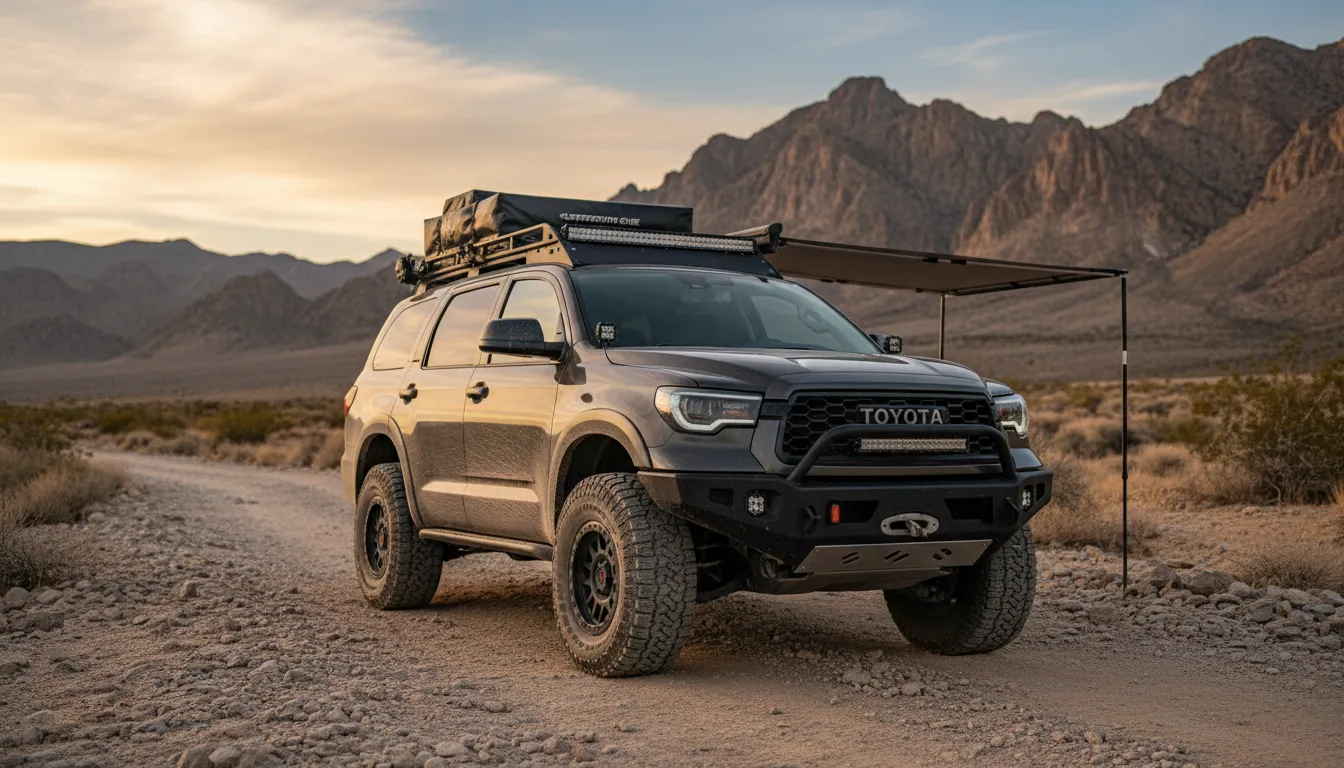
🚙 Exterior upgrades that actually make a difference
The Expedition One Sequoia starts life as a TRD Pro and then gets thoughtfully transformed into an overland-ready, full-size adventure machine. The kit isn’t just for looks — it changes the vehicle’s capability and presence in meaningful ways.
Up top, a heavy-duty roof rack carries a rooftop tent and an awning while adding a serious lighting array that reads as purpose-built instead of slapped-on. The front end gets a new brush guard integrated with an aftermarket bumper, but the factory TRD light bar and skid plate are retained and well integrated. That combination yields a better front approach angle and an aggressive stance without losing useful factory features like the factory light bar and parking sensors.
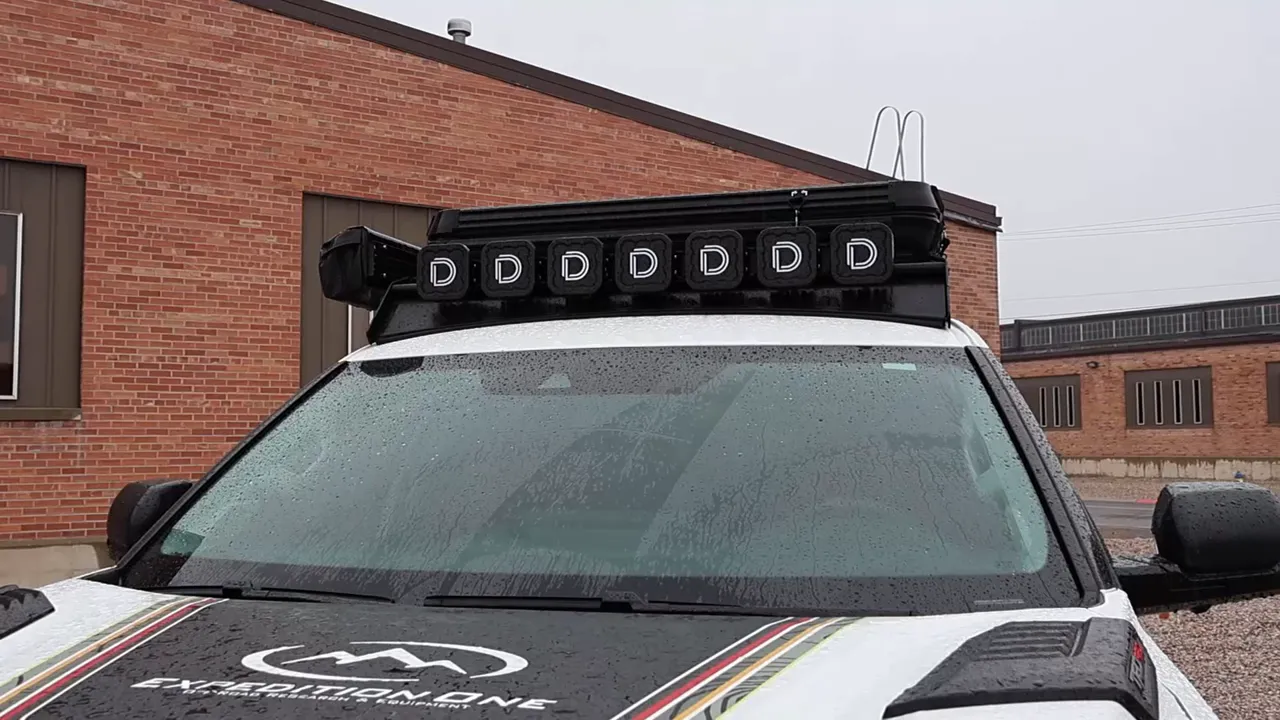
🛞 Wheels, lift, and fitment: the sweet spot
Wheel and tire choice is one of the most important decisions when building a big SUV. This Sequoia sits on 18-inch wheels wrapped with 35-inch tires. While the kit can accept 37s, the builder chose 35s for real-world reasons: fuel economy and drivability.
Running 37s without re-gearing will punish fuel economy and throttle response. The practical course for a daily-driven family rig that also sees trails is to stick with 35s unless you plan to re-gear the differential. That keeps drivability strong while delivering the ground clearance most people want for off-road use.
The lift on this example is a prototype for the Expedition One package. It looks a bit wild under the vehicle, but it drives well and provides proportional fitment for the 35s. Step sliders are fitted for family convenience and rock protection, which makes perfect sense: you want a vehicle that can take kids to school and still crawl over a ledge on the weekend.
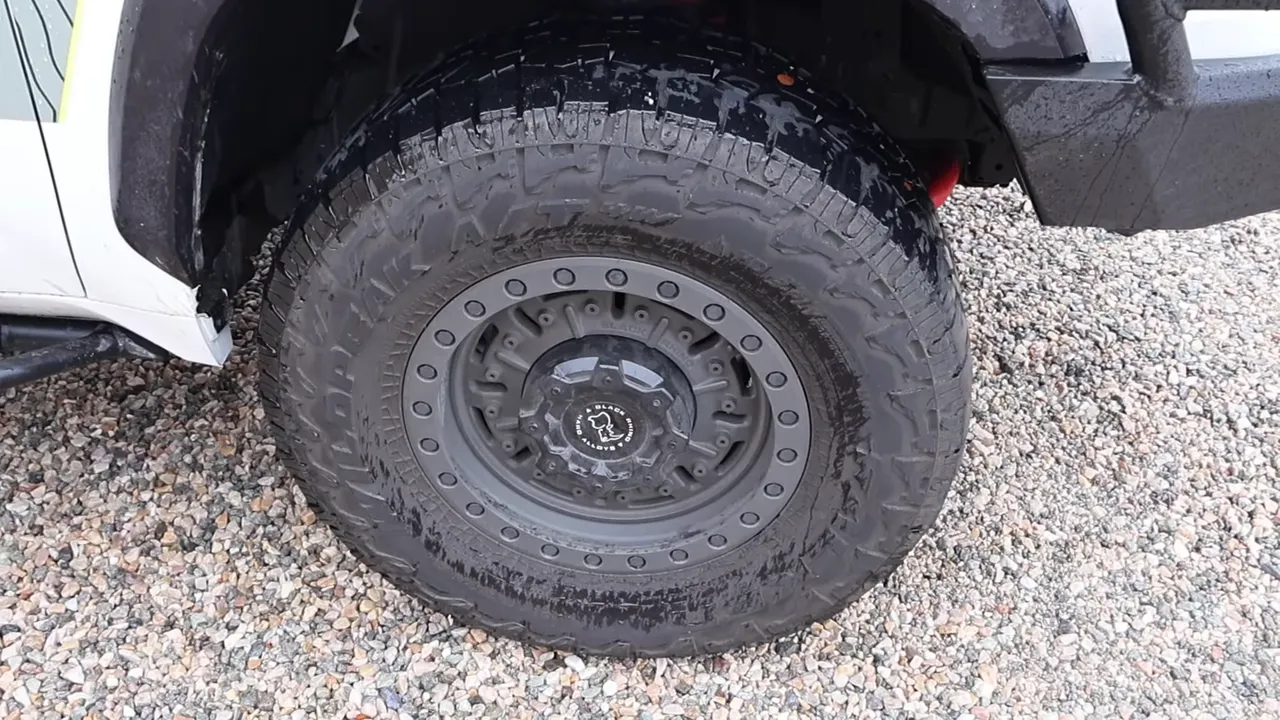
🔧 Rear setup and practical overlanding features
The rear of this Sequoia is built for miles and comfort on long routes. Expedition One uses swing-outs for both the spare and auxiliary fuel storage. Those swing-outs are designed with a latch system and a camera relocation so you don’t lose rear visibility or functionality.
Notable details:
- Angled spare spare tire mount for better fitment and clearance.
- Aux fuel storage on the passenger side for extended range — a practical choice because larger tires reduce mpg.
- Relocated camera so the factory camera between the swing-outs remains usable.
- Integrated rear lighting to keep things functional at camp or during night recoveries.
Even the way the exhaust is tucked into the bumper shows attention to detail. You can still see the tips, but they’re packaged so they don’t interfere with the swing-out geometry or the overall rear setup.
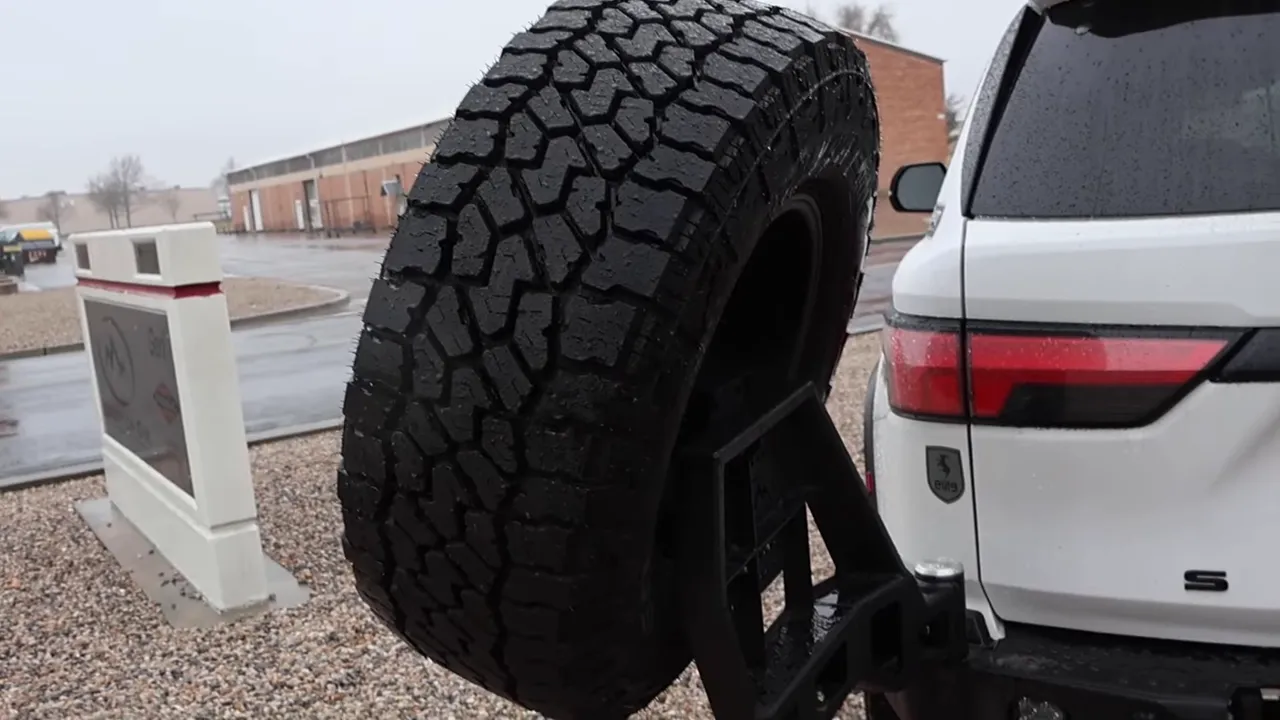
🧭 Off-road tech that matters: why this Sequoia stands out
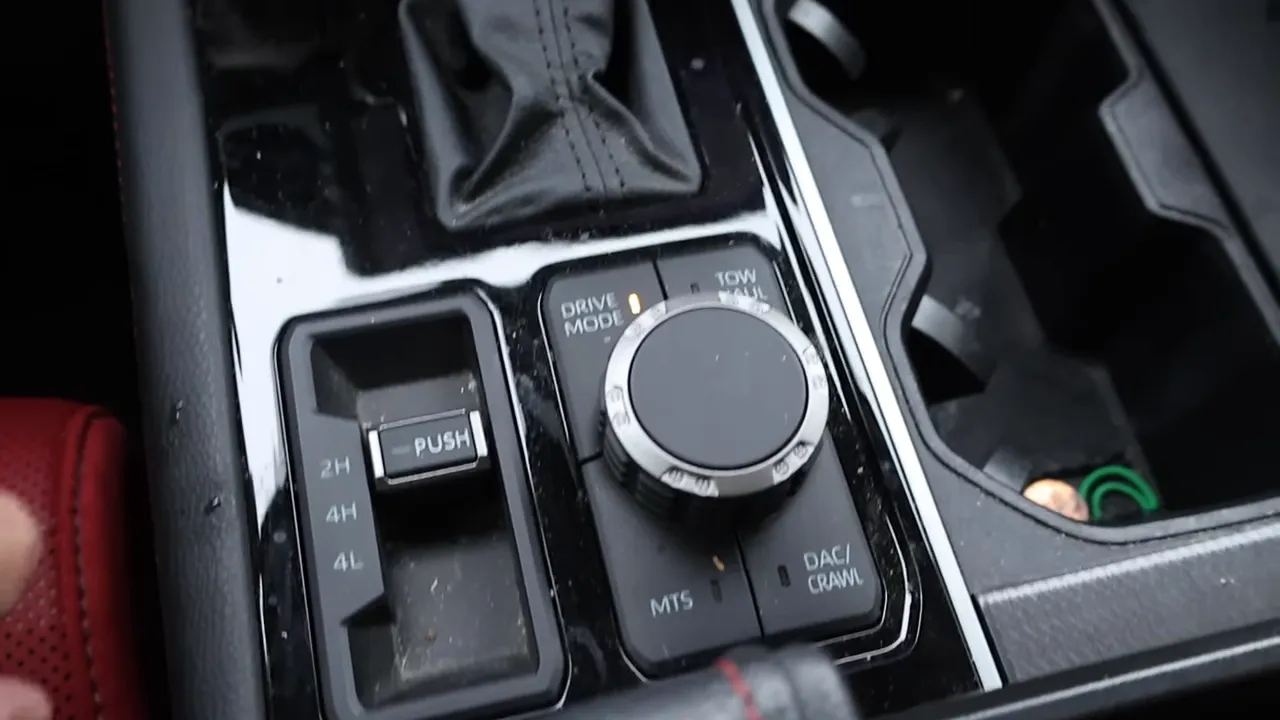
The Sequoia TRD Pro that serves as the base for this build brings serious off-road tools to the table. Highlights include:
- Part-time four-wheel drive — robust for trail work and towing scenarios.
- MTS (Multi-Terrain Select) — helps the vehicle modulate traction and throttle response across surfaces.
- Crawl Control — low-speed trail aid that simplifies technical rock work.
- Rear differential lock — crucial for traction in sketchy situations.
- Solid rear axle — a big differentiator among modern full-size SUVs and a favorite for rock crawling and heavy-duty abuse.
The solid axle in back is an especially compelling detail. Many modern full-size SUVs have independent rear suspension or air springs that prioritize ride comfort. A solid axle prioritizes durability and articulation, which translates to better rock crawling capability and simpler, long-term reliability.
🚗 Driving impressions: an honest take
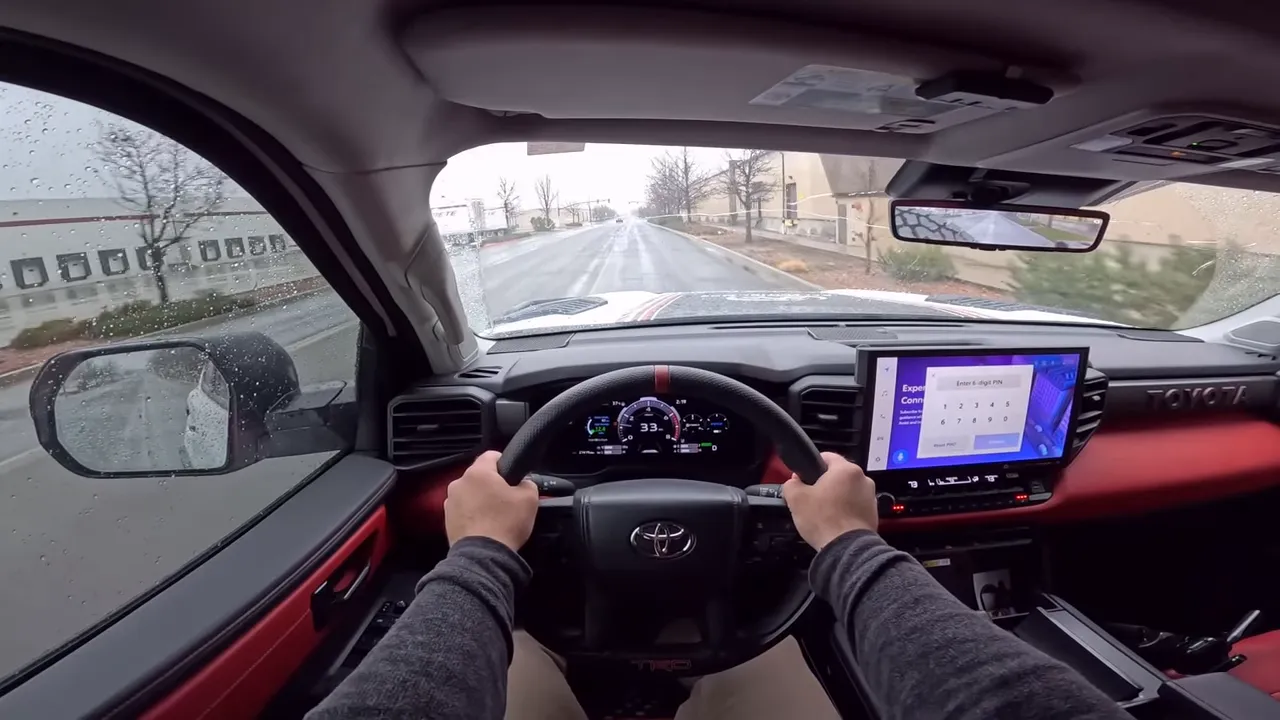
Taking this Sequoia out on- and off-road reveals why it made me seriously reconsider another purchase I had lined up. It drives like a tank in the best way: weighty, confident, and surprisingly nimble for its size. Power delivery with the 35s feels strong enough for most users. The combination of ride height and tire size makes the Sequoia feel far less like an oversized minivan and much more like an actual off-road rig.
A few real-world observations:
- Even with a prototype lift, drivability remains excellent.
- With 37s, the truck felt slower and ate fuel; re-gearing would be required to keep responsiveness.
- The Sequoia handles heavy bumpers, swing-outs, and cargo exceptionally well — something smaller trucks often struggle with.
Compared to full-size pickups, the Sequoia hits a unique sweet spot. It has a long wheelbase that helps when crawling over obstacles, but it is significantly shorter overall than typical full-size pickups. For example, a pickup might be around 230 inches long, while the Sequoia sits closer to the 210 inch mark. That difference makes it much easier to slot onto tighter trails while still reaping the benefits of a long wheelbase.
🔁 Daily usability and the trade-offs to consider
No build is without compromises. For daily driving and family life, you need to weigh these trade-offs:
- Part-time 4WD vs 4WD auto: This Sequoia uses a part-time system. That won’t match the convenience of a full-time automatic 4WD system, but good tires and traction intervention systems still make it plenty capable on wet or snowy roads.
- Hybrid battery weight: The Sequoia’s hybrid components add weight over the rear axle. That extra mass improves traction in two-wheel-drive situations, which can make a part-time system feel less like a compromise in poor weather.
- Ride height and tires: Bigger tires change fuel economy and driving dynamics. Sticking with 35s without re-gearing is an excellent middle ground for daily usability and trail performance.
- Availability: TRD Pro Sequoias are relatively rare, which can make finding the right donor vehicle a challenge.
🧾 Practical build recommendations
If you are considering a Sequoia build similar to this one, here are practical guidelines that balance trail capability with everyday use:
- Base vehicle: start with a TRD Pro if possible — the off-road features and durability are a great foundation.
- Tire sizing: 35-inch tires on 18-inch wheels are recommended for most users. They offer clearance with reasonable fuel economy and drivability.
- Re-gearing: if you want 37s, plan to re-gear to restore performance and fuel economy.
- Suspension choice: avoid air suspension for a heavy-duty build. Solid components reduce complexity and long-term maintenance worries.
- Weight management: carefully consider where you mount ancillaries like fuel cans and spare tires so they don’t negatively impact handling or visibility.
- Lighting and winch: integrate accessories so factory features like parking sensors and skid plates remain functional.
🔍 Final thoughts on capability and character
The Expedition One Sequoia is more than a modified SUV — it is a full-size, family-friendly overlander that hasn’t surrendered capability for comfort. The design choices here are practical, not purely aesthetic. Integrated bumper design, retained factory electronics, and a focus on durability make it a sensible platform for someone who wants a vehicle that can tow, carry kids, and still climb rocks.
The solid rear axle, robust diff lock, crawl control, and properly sized tires combine to make a Sequoia that can be driven every day without feeling like a specialized, finicky machine. If you want a single vehicle that handles family duties and serious trail work, this build is a compelling blueprint.
❓ Frequently asked questions
What tire size is best for a Sequoia build that balances daily driving and off-road use?
Does the Sequoia have a solid rear axle and why does that matter?
Is a part-time four-wheel-drive system a big drawback for daily driving?
Can you put a rooftop tent and awning on this rack?
Are there ready-made lift kits for the new Sequoia?
How does the Sequoia compare to full-size pickups for off-roading?
💬 Closing note
If you want a family hauler that’s genuinely capable off-road without turning into an impractical rig, this approach to a Sequoia build is worth considering. It keeps factory strengths, adds practical upgrades, and targets a setup that performs well both on the freeway and on tricky singletrack. For anyone torn between a full-size pickup and a large SUV, this configuration shows how a smartly built Sequoia hits the middle ground.


[…] The WAVLINK 450W Smart Battery Charger pairs solid power with support for many battery types. This makes it useful for cars, boats, motorcycles, and off-grid gear. […]
[…] how grind size, steep time, and heat retention fit real routines, plus how practical it feels for travel or small […]
[…] your 2026 Toyota Land Cruiser adventures, these all-terrain tires can make a real difference. The Prinx HiCountry A/T2 gives you […]
[…] a compatible adult ATV, careful installation may provide more comfort and improved control during steady use. Measure first, start with a modest lever extension, and test at low speed before […]