🔧 First impressions: mean looks, serious hardware
This Tacoma eats Ranger Raptors for breakfast.
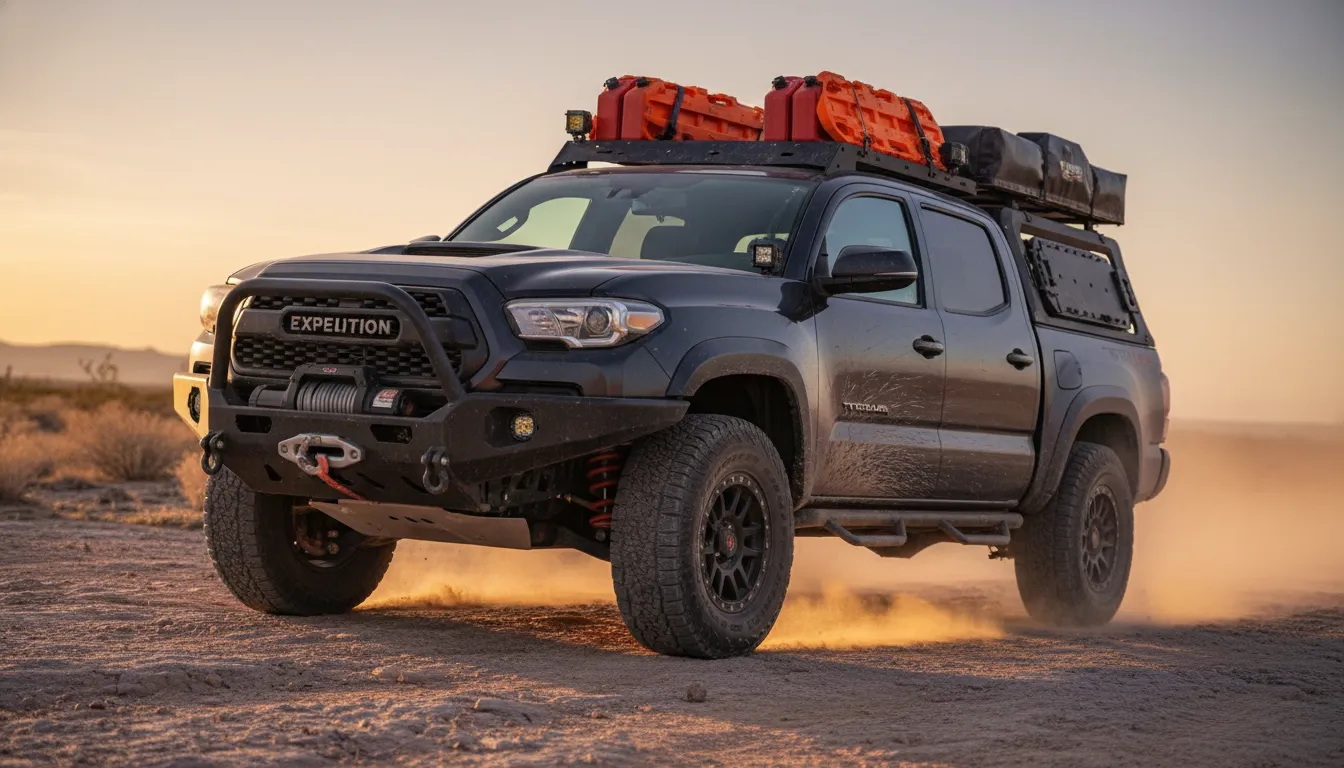
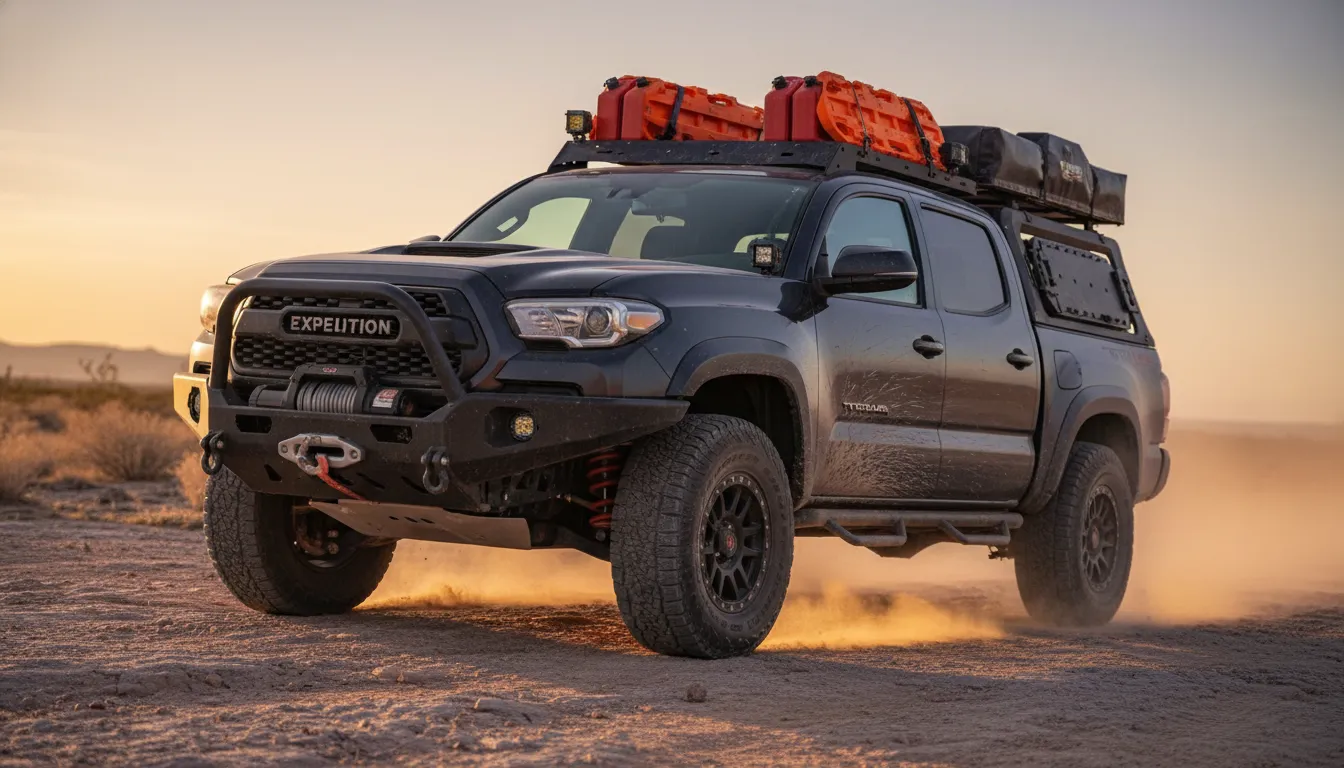
The Expedition One Tacoma immediately reads as a purpose-built overlander. The steel Expedition One front bumper cleans up the front end with integrated lights, hidden sensors and a winch, while giving the truck more approach angle and a tougher presence on trail. Little details like the front hoop and the tactile heavy-duty latches add to a build that feels thought through, not slapped together.
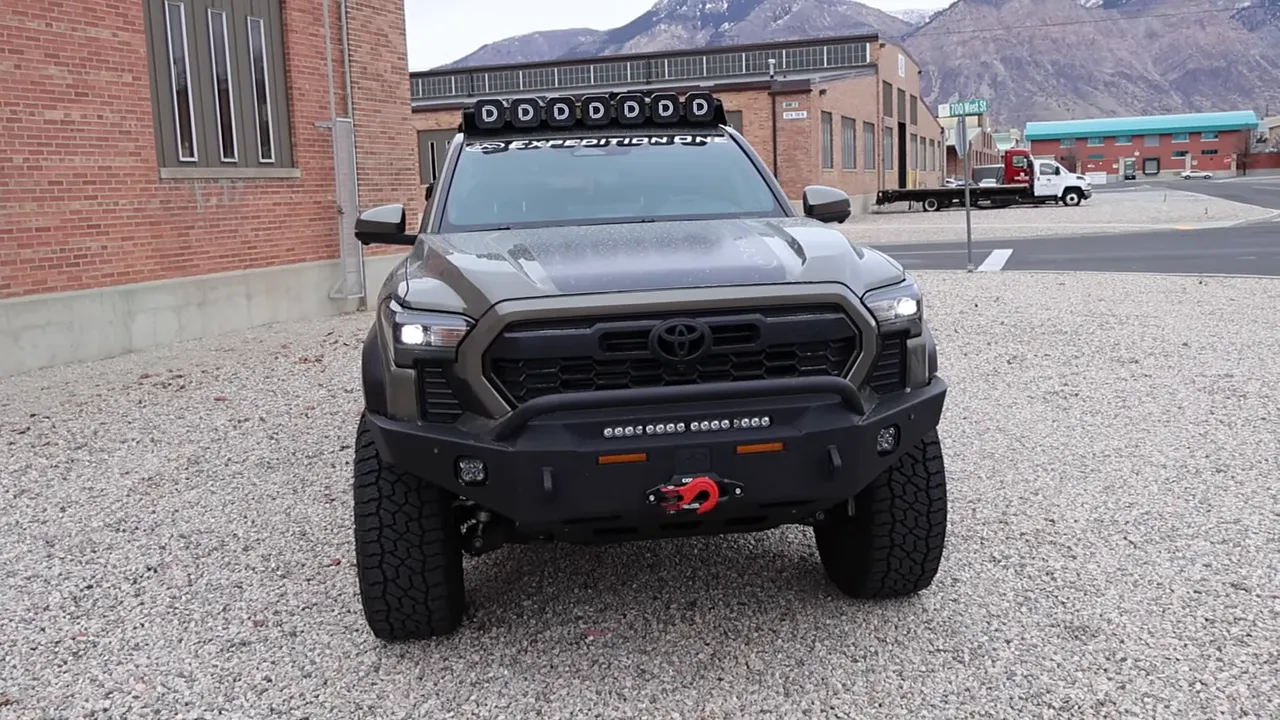
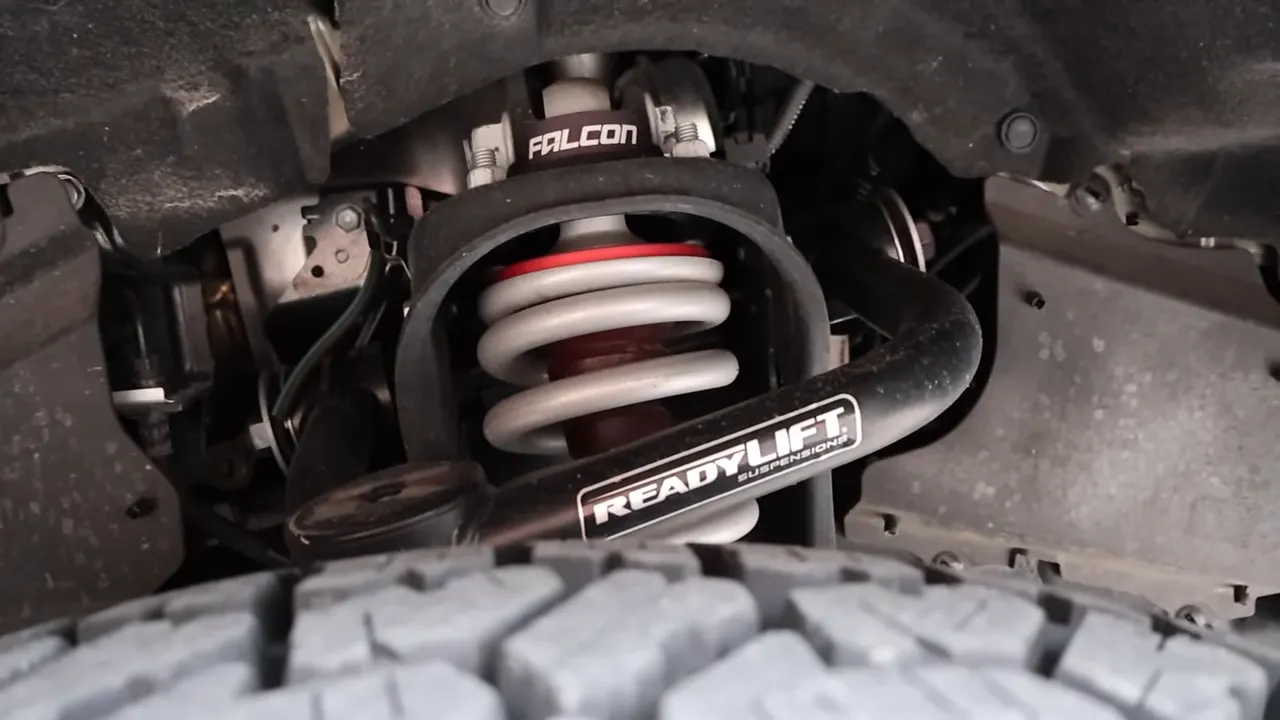
The suspension setup is simple but effective: a ReadyLift kit gives roughly 3.5 inches of lift and Falcon shocks front and rear help control compression and rebound under load. Step sliders are frame-mounted for rigidity, and the roof rack ties into factory mounting points so no drilling is required.
🧰 Build highlights and practical storage
Expedition One’s system is more than bumpers. It’s a full truck solution with:
- 35-inch tires on 17-inch wheels (this build uses 12.5-inch wide 35s).
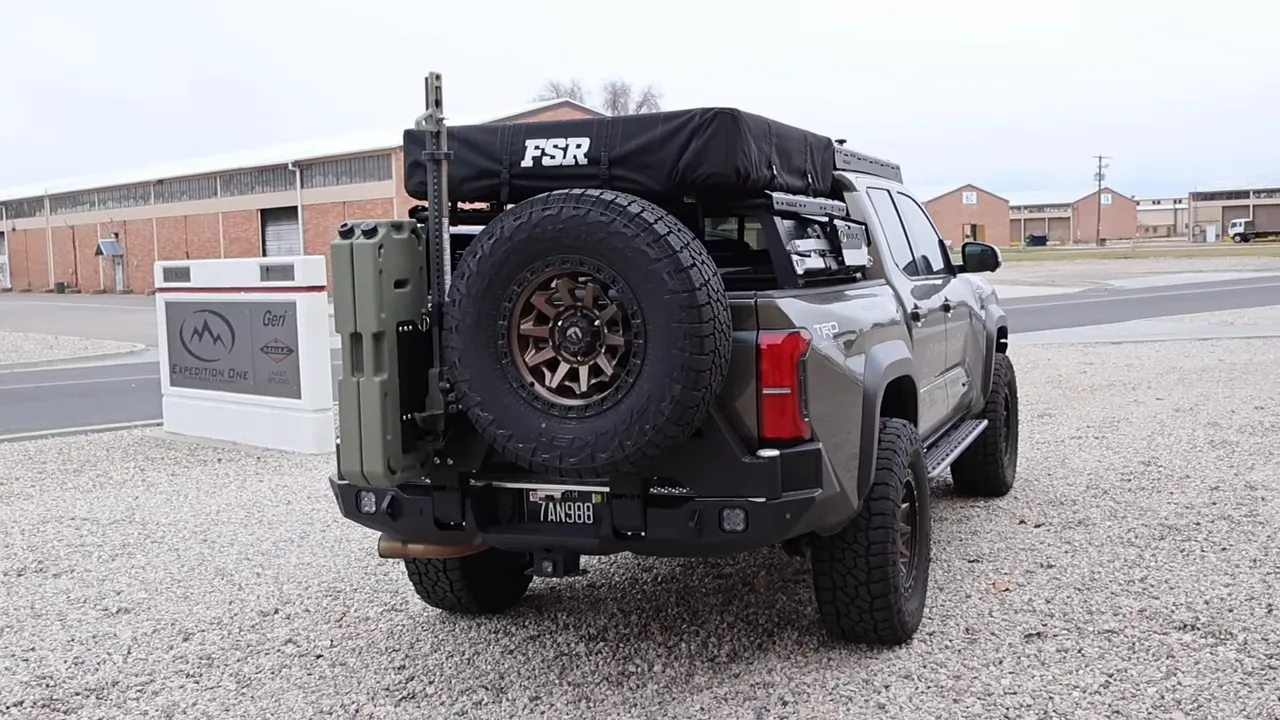
- Steel front and rear bumpers with integrated swing-outs for spare and auxiliary fuel storage.
- Roof rack and tent compatibility that stays within the roofline to limit wind noise.
- Bed access latches that let you drop the tailgate normally despite the bumper setup.
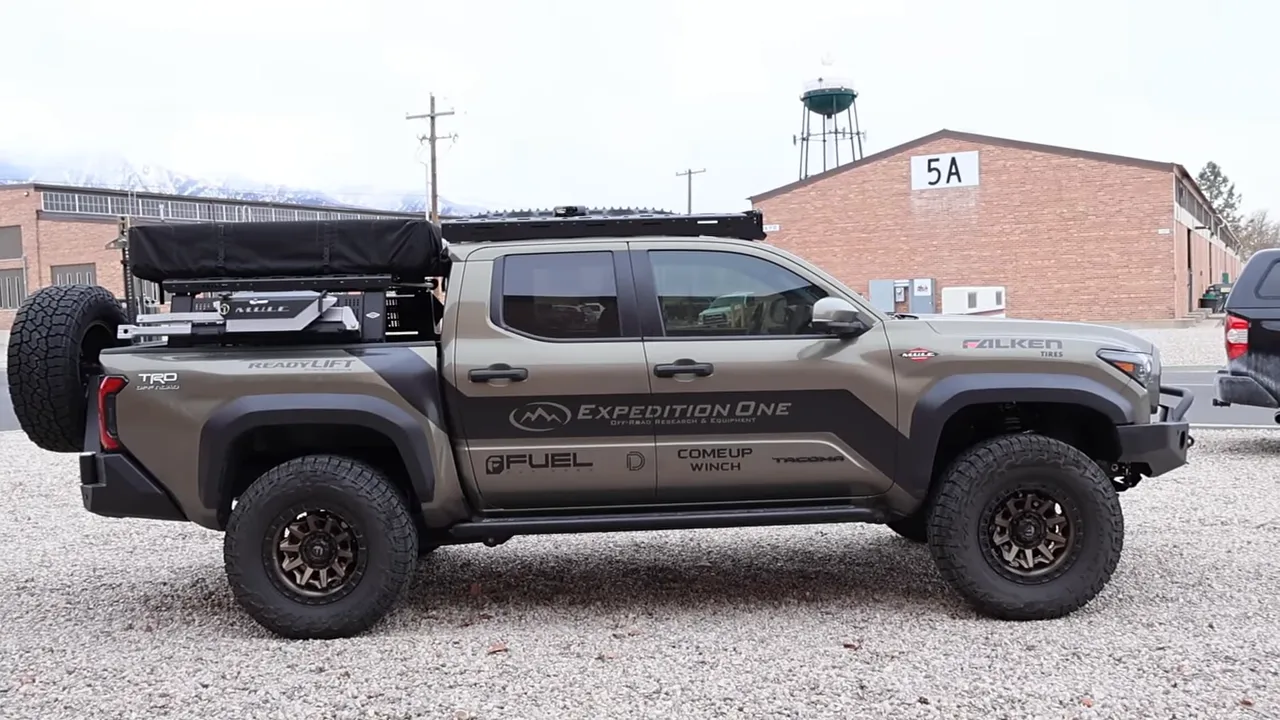
The swing-out system keeps the spare 35 accessible and the latches have a satisfying, heavy-duty feel—almost like a rugged luxury detail. That integrated approach means you can still use the bed, carry a rooftop tent without adding extra wind noise, and maintain practical storage for long trips.
🚙 On-road and off-road behavior
The Tacoma’s Toyota Tied Off-Road platform includes part-time four-wheel drive, a two-speed transfer case, crawl control, multi-terrain select and a rear locker. With that electronic toolkit plus the Expedition One hardware, this Tacoma is tuned to go further and tougher than stock.
Driving it, the stance and aggression of the 35s are obvious. The truck feels heavier than a stock Tacoma but not ponderous. The suspension absorbs the added mass and keeps the truck composed on rough roads.
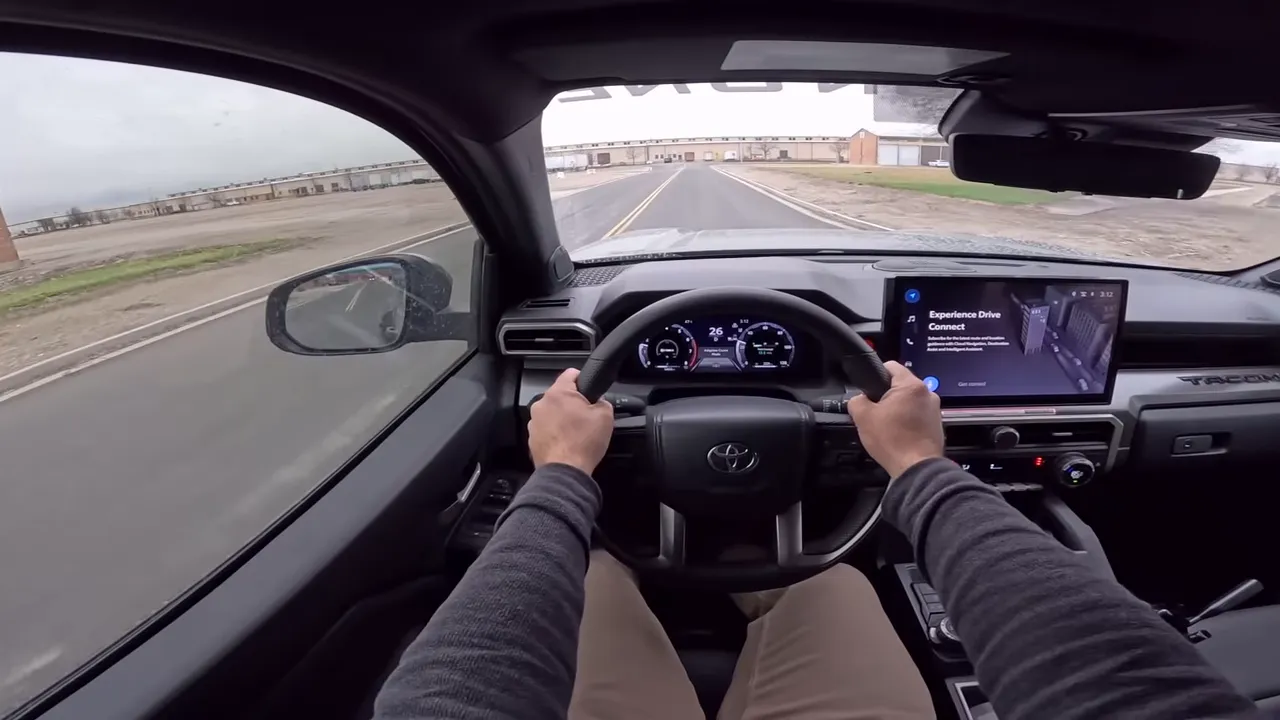
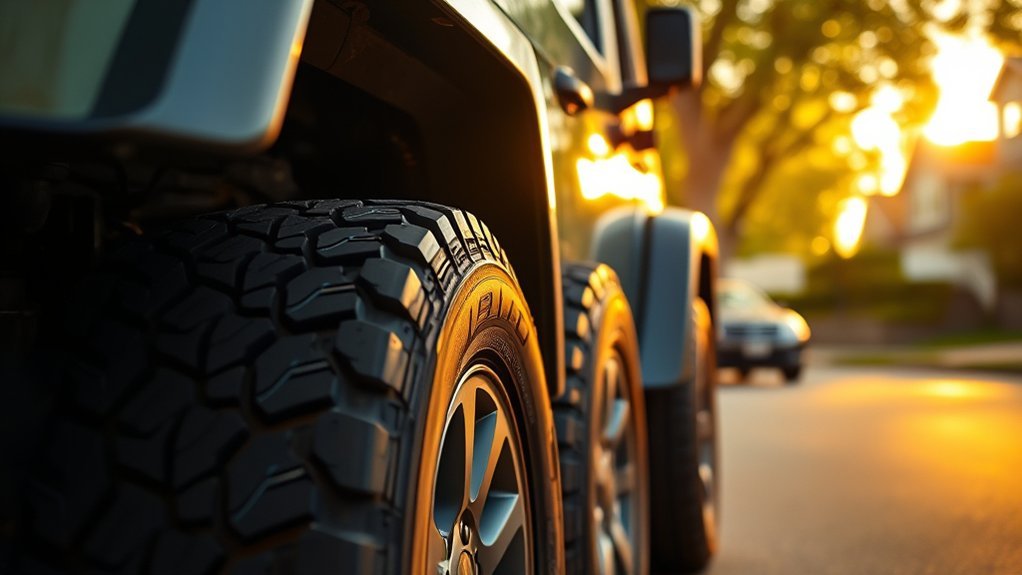
Still, those wide 35s bring trade-offs. You’ll hear more road noise and see fuel economy drop; on this build the display showed around 13.5 mpg. Wide tires look fantastic and increase contact patch, but they also multiply rolling resistance and aerodynamic noise.
⚖️ Tires, torque and why narrow can be smarter
This truck uses a 2.4-liter turbo four that produces about 317 lb-ft of torque at low RPM. That’s good, but tire choice matters. Narrower tires reduce rolling resistance and are actually better for traction in many off-road conditions. They also save fuel.
If you plan to add weight and large tires, consider either:
- Choosing a hybrid Tacoma for the extra low-end torque the hybrid system provides, or
- Picking a vehicle with a larger torque reserve like a GX or a V6-equipped platform.
With high-traction, wide 35s you have to work the throttle harder to get rolling. The hybrid option is worth losing some bed space if moving big tires and heavy gear is your priority.
🏁 How it compares to the Ranger Raptor and other sport trucks
The Ranger Raptor is designed to be aggressive and fast in open desert or high-speed terrain. The Expedition One Tacoma build is a different flavor: more laid-back, planted and geared toward comfortable, reliable overland travel rather than Baja blasts. It almost feels diesel-like in delivery—torquey and relaxed rather than instantly explosive.
If your goal is to go fast and hard, the sport-truck character of a Raptor makes sense. If you want a capable, well-protected rig that can carry gear and do long overland routes comfortably, this Tacoma build is a strong contender.
🔎 Practical takeaways for prospective builders
Thinking about a mid-size pickup build? Here are the main lessons from this Tacoma:
- Balance tire width with power. Wider tires look great but can hurt economy and throttle response—especially on smaller turbo engines.
- Choose hybrid or higher torque powertrains if you plan to add lots of weight and large tires; the extra low-end torque makes a noticeable difference.
- Value integrated systems. Swing-outs, roof rack tie-ins, and bed-accessible latches keep utility intact while adding capability.
- Mid-size pickup builds are underrated. Longer wheelbase gives stability and serious capability while still offering bed storage for tools and recovery gear.
🗺️ Final thoughts: why this build makes sense
This build nails a practical sweet spot—durable protection, usable storage solutions and a comfortable ride while remaining undeniably aggressive in stance. It improves approach and departure angles, keeps the bed usable, and offers sensible integration for overland gear.
If you value reliability and real-world capability over absolute high-speed performance, a thoughtfully built Tacoma like this one is worth considering.
❓ Frequently asked questions
How much lift does the Expedition One Tacoma have?
Will the 2.4-liter turbo move 35-inch tires well?
Does the build keep the truck bed usable?
Are wide 35s the best choice for overlanding?
How does this Tacoma compare to a Ranger Raptor?
📌 Quick spec snapshot
- Tires: 35-inch, 17-inch wheels, 12.5-inch width on this build
- Lift: ~3.5-inch ReadyLift
- Shocks: Falcon front and rear
- Power: 2.4L turbo, ~317 lb-ft torque
- Off-road features: crawl control, multi-terrain select, rear locker
🔁 Want a rugged, practical build?
If your priority is dependable travel, integrated storage and protection for long trips, a balanced Expedition One-style build on a Tacoma is a compelling option. It’s a reminder that mid-size pickup builds deserve more attention for real-world overlanding—especially when done with thoughtful hardware rather than just bolt-on bling.