By Editorial Team | Reviewed for accuracy | Last updated: November 6, 2026
3M E-A-Rsoft FX Ear Plugs Review
Loud machinery can put your hearing at risk, but a high rating on an earplug box does not guarantee a good seal. The 3M E-A-Rsoft FX uncorded earplugs offer a 33 dB laboratory Noise Reduction Rating (NRR), soft foam, and individually bagged pairs. They are a practical option for trained workers who need disposable hearing protection. This review explains the fit requirements, package details, and limits you should check before buying.
Quick Verdict
Recommendation: Recommended with caveats
Best For: Industrial teams and trained workers who want uncorded, single-use foam earplugs in bulk.
Bottom Line: The 33 dB lab NRR and 200 individually bagged pairs per box make this a useful workplace option. Actual protection depends on insertion and fit, and this box is not a dispenser kit.
Key Specs
| Specification | Detail |
|---|---|
| Brand | 3M |
| Model | E-A-Rsoft FX, uncorded, part number 312-1261 |
| Product Type | Disposable, roll-down foam earplugs |
| Material | Slow-recovery polyurethane foam |
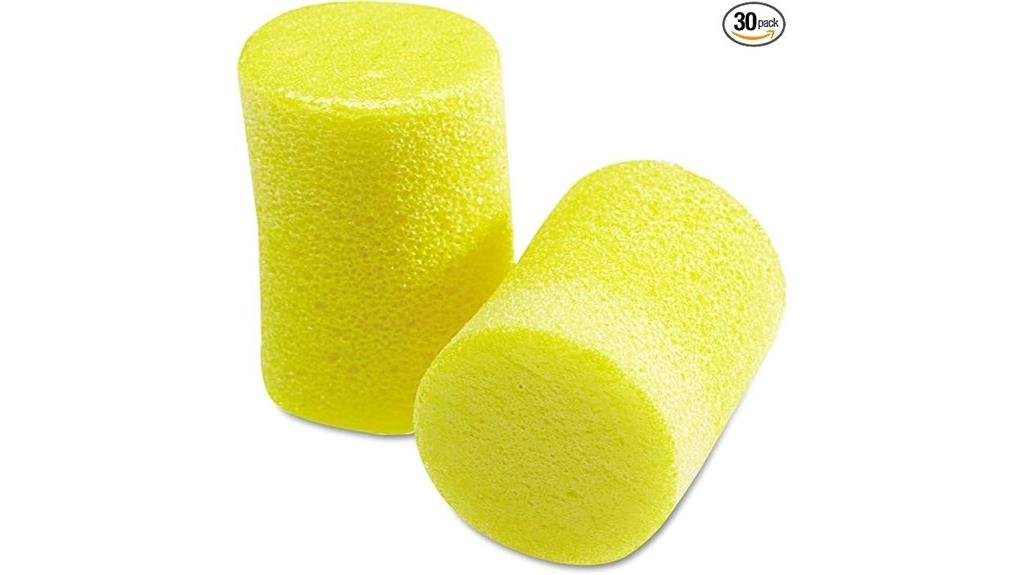
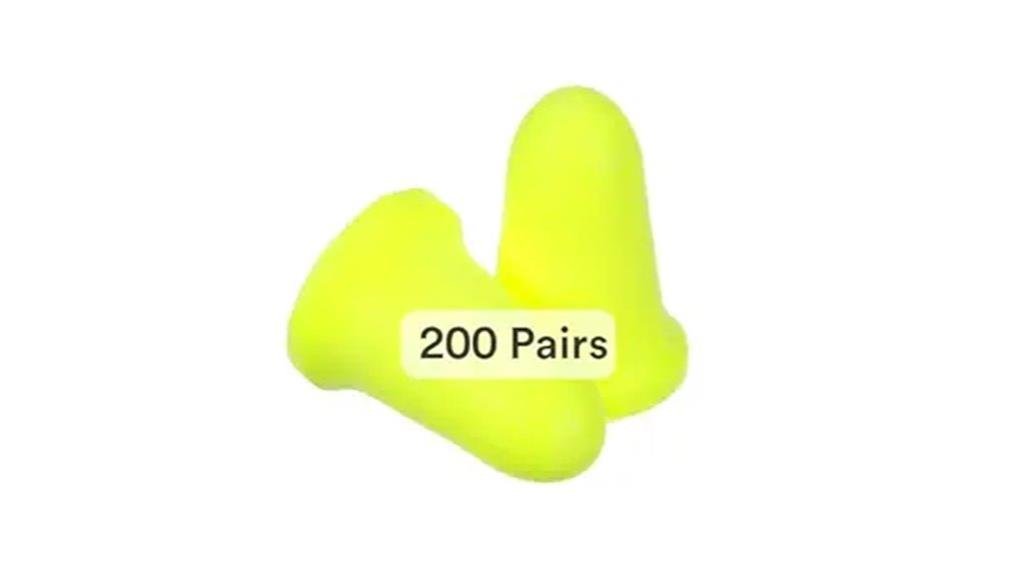
| Shape | Bell-shaped, with a flared end for removal |
| Color | Yellow |
| U.S. Noise Reduction Rating | 33 dB (laboratory NRR, not an individual result) |
| Additional Classification | CSA Class AL, as listed by 3M |
| Quantity | 200 pairs per box; manufacturer case configuration is 10 boxes, or 2,000 pairs |
| Packaging | One pair per individual poly bag |
| Cord | None; corded FX variant is a different part number |
| Metal Detectable | No |
| Fit Testing | Compatible with the 3M E-A-Rfit Validation System |
| Intended Setting | Industrial and occupational use |
| Amazon ID in Supplied Link | B008MCUGAC (Amazon listing details not independently confirmed) |
What Is the 3M E-A-Rsoft FX?
The 3M E-A-Rsoft FX 312-1261 is an uncorded foam earplug for workplace hearing protection. You roll the plug into a narrow cylinder, insert it into your ear canal, and hold it while the foam expands. Its bell-shaped body and flared outer end are designed to help with fit and removal.
The slow-recovery polyurethane foam gives you time to insert the plug before it expands. The manufacturer lists 200 individually bagged pairs in each box, which suits workplaces that issue fresh plugs across shifts. The foam can still feel too large or fail to seal some ear canals, so fit matters more than the box count or lab rating.
Who It Is For
Best For
- Workers exposed to measured hazardous noise who receive proper earplug training.
- Manufacturing, construction, and metalworking teams that issue fresh plugs for each use.
- Workplaces that prefer 200 individually bagged pairs over loose bulk packaging.
Skip If
- You need a reusable plug or a corded pair that is harder to misplace between tasks.
- You need a dispenser included in the purchase or metal-detectable protection.
- You cannot get a comfortable, secure seal after training and refitting.
These earplugs can be relevant around loud tools, equipment, and metalwork, but choose protection based on your actual exposure and a competent safety assessment.
Who Should Skip It?
If the bell-shaped foam causes pressure, slips out, or leaves too much material outside your ear, do not force the fit. Try a different size or type of hearing protector and ask your workplace safety professional for help. Check the seller’s exact version if you need a cord, dispenser, or other accessory, since those are not included with the described bagged-pair box.
Before You Buy: A 33 dB laboratory NRR does not mean you will personally receive 33 dB of protection. Check that the listing is for 3M part 312-1261 and the quantity you need. The manufacturer also describes this U.S. product as intended for industrial or occupational use, not general consumer use.
Key Features
33 dB Laboratory NRR
The E-A-Rsoft FX carries a 33 dB U.S. NRR, one of 3M’s highest earplug ratings. That can make it worth evaluating for noisy work, but a label number is not a promise of protection at your ear. A shallow or loose fit can sharply reduce its benefit.
Slow-Recovery Polyurethane Foam
The soft foam compresses into a narrow shape and then expands in the canal. You get a short window to place it correctly without pushing a full-size plug into your ear. Comfort still depends on your ear shape and how deeply the plug sits.
Bell Shape and Flared End
The wider outer end gives you a point to grip for removal. The shape may suit people who find thin, straight plugs hard to handle. However, the flared profile does not guarantee a secure fit in every ear canal.
Individually Bagged Pairs
Each of the 200 pairs comes in a poly bag. You can store sealed pairs at workstations or issue them one at a time, which helps keep unused plugs away from dirt. The box described here is not a mounted dispenser, although 3M sells separate dispenser formats.
Uncorded, Disposable Format
Without a cord, there is no connecting string around your neck while you work. You also need a fresh pair when the plugs are dirty, damaged, or no longer suitable for use. If your team removes protection often, a corded or different reusable format may be easier to manage.
How It Performs in Real Use
The following examples describe likely workplace use based on 3M’s specifications and fitting guidance. They are not results from independent attenuation or comfort testing.
Manufacturing and Machine Operation
At a machine station, the bagged pairs are easy to issue before a shift. Their 33 dB NRR may support a hearing protection plan for loud equipment, but workers must keep the plugs seated throughout hazardous noise exposure.
Grinding, Cutting, and Welding Areas
Metalwork can combine bursts of noise with frequent changes in task. Foam plugs sit in the ear rather than over the head, which can be useful alongside other protective gear, such as a welding helmet. Your supervisor still needs to confirm that the full PPE setup works together and provides enough protection.
Construction and Maintenance
Drilling, sawing, and power-tool work can expose you to changing noise levels. The compact, individually wrapped pairs are practical to carry to a job area. Put them in before exposure starts, not after a machine is already running.
Shared Worksites and Shift Changes
A box of 200 separate pairs makes it simpler to supply different workers without sharing worn plugs. This reduces the need to handle loose earplugs, but it does not replace staff training, clean hands, or checking each worker’s fit.
How to Insert the Earplugs Correctly
3M’s fitting instructions focus on a clean, narrow roll and a secure seal. Follow the current product instructions and get workplace training if these plugs are part of your hearing protection program.
- Start clean: Wash and dry your hands. Check each plug for tears, dirt, or damage.
- Roll: Slowly compress the foam between your fingers into a thin, smooth cylinder with no creases.
- Pull and insert: Reach over your head with the opposite hand and pull your outer ear upward and outward. Insert the rolled plug while it is still narrow.
- Hold: Keep a fingertip on the plug while the foam expands. You should be able to feel mainly the outer end, not most of the plug sticking out.
- Check and recheck: Your voice may sound more hollow, and surrounding noise should seem quieter. If the seal is weak or the plug loosens, leave the hazard area and refit or change protection.
Pro Tip: If most of the foam remains visible outside your ear, remove the plug and try again with a fresh, smooth roll. A qualified fit test provides much better evidence of actual protection than comfort or a quick sound check alone.
Performance and Noise Reduction
The 33 dB NRR is measured under laboratory conditions, not on every worker. 3M cautions that real protection may be lower and recommends reducing the labeled NRR by 50% as a general estimate when assessing typical use. That adjustment is a planning convention, not a prediction of your personal attenuation.
For a more reliable answer, use personal hearing protector fit testing. The E-A-Rsoft FX is compatible with 3M’s E-A-Rfit Validation System, which can help identify whether a worker needs more fitting instruction or a different protector. Employers should pair these checks with noise measurements and appropriate hearing conservation procedures.
Do not assume that combining these plugs with earmuffs simply adds the two printed NRR numbers. Have your safety professional assess combined protection for the actual exposure.
Intended Uses and Industry Applications
3M lists applications such as construction, automotive work, metal processing, heavy engineering, and chemical or pharmaceutical manufacturing. The right choice depends on your exposure level, the task, and whether the plug passes a fit check.
- Construction: drilling, sawing, riveting, and equipment operation.
- Manufacturing: machining, assembly, grinding, and plant maintenance.
- Metalwork: noisy cutting and workshop operations with compatible eye and head protection.
- Industrial facilities: noisy process or equipment rooms where trained workers need disposable hearing protection.
Material Safety, Storage, and Workplace Practices
The earplug body is polyurethane foam. If you have sensitive skin, a history of irritation, or trouble getting a comfortable fit, check the current manufacturer’s material information and speak to an occupational health professional. Do not assume a particular allergen-free certification from a short seller description.
Keep unused pairs sealed in a clean, dry area away from damage, contamination, and direct sunlight. Inspect each plug before use and replace it when dirty, torn, or unable to expand correctly. No firm shelf-life date was established in the reviewed materials, so follow any expiry or storage instructions on the package.
Use hearing protection through the full period of hazardous exposure. A hearing conservation program may also require exposure monitoring, training, fit testing, and records. The earplugs cannot replace a workplace noise assessment or other controls where needed.
Editorial basis: This review uses the supplied product information, 3M’s U.S. product listing, and 3M’s fitting and material guidance. We did not conduct hands-on fit or noise testing.
Pros and Cons
Pros
- 33 dB laboratory NRR for high-noise workplace consideration.
- Soft, slow-recovery polyurethane foam gives time for careful insertion.
- Flared end can make removal easier.
- 200 individually bagged pairs support clean bulk issue.
- Compatible with 3M E-A-Rfit personal fit testing.
Cons
- Protection may be much lower than the lab NRR with shallow or loose insertion.
- Single-use pairs create regular replacement and waste.
- The described box includes neither a cord nor a dispenser.
Is It Worth the Price?
For workplaces buying in volume, the main value is the combination of a high laboratory NRR, individual poly-bag packaging, and 200 pairs per box. It is worth considering if you want to issue clean disposable plugs at different workstations and support the choice with fit testing.
Compare the cost per pair and confirm whether a seller is offering a single box or a larger case. This is not automatically the best-value option if your team needs reusable plugs, a corded format, or a dispenser system. A cheaper plug that fits properly may offer better practical protection than a higher-rated plug that does not.
How It Compares to Alternatives
3M E-A-R Classic earplugs use a different foam design and are worth comparing if the FX bell shape is uncomfortable. Howard Leight MAX disposable foam earplugs are another high-NRR option to evaluate for fit, while Mack’s Ultra Soft is a different foam earplug choice to compare by intended use and package style.
For workplace use, focus on a suitable seal, verified attenuation, the intended setting, and how you issue fresh pairs. If you specifically want the FX shape but need a cord, check 3M’s separate corded FX model rather than assuming this uncorded box includes one.
Frequently Asked Questions
How Much Noise Reduction Should I Expect?
The 33 dB NRR is a laboratory rating, not a guaranteed result for your ears. 3M recommends a conservative adjustment for typical use, and a personal fit test is the best way to assess your actual protection.
How Do I Insert These Ear Plugs Correctly?
Roll each plug into a smooth, narrow cylinder. Pull your outer ear upward and outward, insert the compressed foam, and hold it until it expands. If most of the plug sticks out or the seal feels weak, refit it outside the noise area.
Are These Ear Plugs Reusable or Single-Use Only?
The reviewed FX plugs are disposable foam earplugs intended for single-use workplace supply. Replace dirty, torn, damaged, or poorly recovering plugs rather than relying on them for protection.
Do These Ear Plugs Contain Latex or Common Allergens?
3M identifies the earplug material as polyurethane foam, but the reviewed U.S. listing does not establish a complete allergen statement. If you have a known allergy or severe sensitivity, confirm the current material declaration with 3M before use.
What Is the Shelf Life or Expiration Date?
A fixed expiration date was not confirmed in the reviewed product details. Store sealed pairs away from sunlight, moisture, and contamination, and follow any printed package guidance.
Are Different Sizes or Colors Available?
The verified 312-1261 version is yellow. 3M materials use different size labels for this model, so do not rely on the label alone to predict comfort. Ask for a fit check or try another protector if you cannot get a secure seal.
Do These Come With a Dispenser or Mounting Option?
The described 200-pair box contains individually bagged pairs, not a mounted dispenser. 3M offers separate dispenser products and refill formats, so verify the exact bundle before ordering.
Can I Use These Ear Plugs With Earmuffs?
Some noise exposures call for dual hearing protection, but the two NRR values cannot simply be added. Ask your safety professional to select and assess the combination for your workplace.
The Bottom Line
The 3M E-A-Rsoft FX 312-1261 is worth considering for trained industrial users who need high lab-rated, individually wrapped disposable earplugs. Choose it when a secure fit and a 200-pair supply suit your workplace, but skip it if you need reusable, corded, or dispenser-ready protection. Fit testing and consistent wear matter more than the 33 dB label on its own.