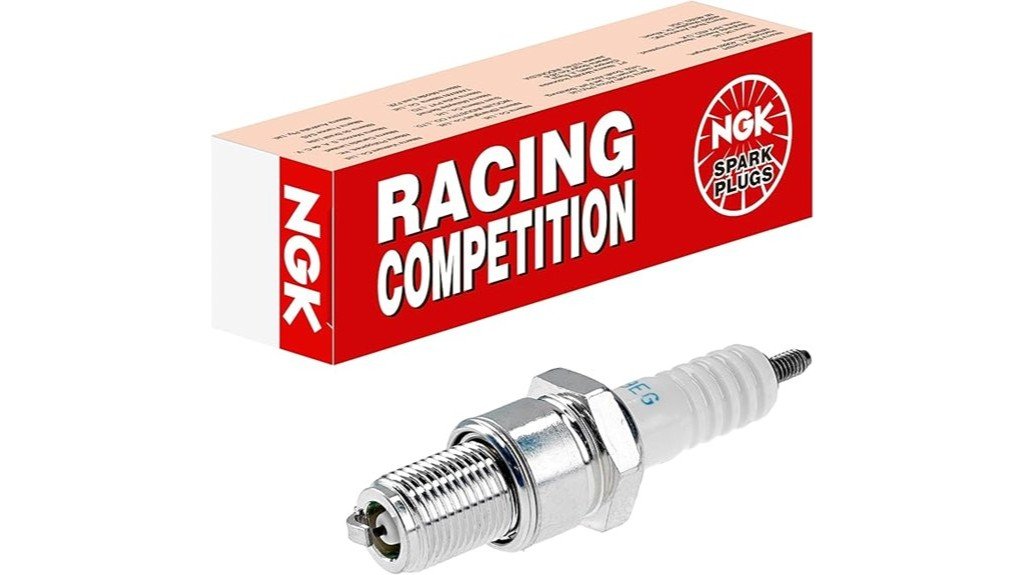
The NGK BR9EG racing spark plug is presented as a high-performance option with a fine-wire electrode, solid copper core, and heat range suited for engines up to 12,000 rpm. It offers improved ignitability, quicker throttle response, and stable combustion under extreme loads. Key specs: 9 heat range, 0.6 mm center electrode, 14 mm thread, 19 mm reach. Questions: Will it fit your engine? Installation torque and gap checks are next.
Key Takeaways
- BR9EG offers fine-wire center and ground electrodes with a solid copper core for improved spark formation and energy transfer.
- Recommended gap 0.6–0.8 mm (standard ~0.7 mm); inspect and replace if gap exceeds 0.9 mm.
- Engineered for stable ignition up to ~12,000 rpm, balancing ignitability and durability in racing conditions.
- Thread reach, diameter, and heat range must match the vehicle; torque typically 18–25 Nm during installation.
- Longevity depends on heat range and use cycles; inspect electrodes every 5–10 hours for erosion or fouling.
Design and Construction
While the NGK BR9EG Racing spark plug prioritizes durability, its design also targets improved ignitability and throttle response for high-performance engines.
The electrode design uses fine-wire center and ground electrodes, enhancing spark formation; a solid copper core increases energy transfer.
What materials are used? Copper core, zinc-dipped shell, and ceramic insulator with corrugated ribs.
Key measurements: gap typically 0.7–0.8 mm (factory set), thread diameter and reach are vehicle-specific.
Practical considerations: check fitment, torque to manufacturer spec, inspect for fouling.
How does racing technology help? It focuses on consistent spark, heat control, and reduced misfire under extreme loads.
Performance and Durability
Because racing engines demand consistent ignition under extreme loads, the NGK BR9EG is engineered to balance high ignitability with robust durability. It offers improved spark efficiency, quicker throttle response, and stable firing up to 12,000 rpm in many racing applications. Heat range, electrode gap (standard 0.7 mm), and copper core affect longevity; expect use cycles measured in hours, not miles. Practical considerations: inspect for electrode erosion every 5–10 hours, replace if gap exceeds 0.9 mm.
| Attribute | Specification |
|---|---|
| Electrode gap | 0.7 mm (stock) |
| Max RPM | ~12,000 |
| Seal type | Triple gasket |
| Shell finish | Zinc-dipped |
Fitment and Installation
Having covered performance and service intervals, attention now turns to fitment and installation for the NGK BR9EG.
The reviewer notes a vehicle specific fit type; perform a compatibility check against make, model, year, and engine displacement before purchase.
Installation tips: gap spec 0.6–0.8 mm, torque 18–25 Nm depending on thread size, use anti-seize sparingly, hand-start threads to avoid cross-threading.
Q: How to verify fit?
A: Compare reach length, thread diameter, and hex size to OEM plug.
Practical considerations: access space, spark plug socket depth, and heat range suitability for racing applications are discussed plainly.
Frequently Asked Questions
Is This Spark Plug Suitable for Street-Driven Vehicles?
Yes. One notable stat: racing plugs tolerate higher heat ranges — often 20–30% hotter than street units. The plug can offer improved street performance but may reduce everyday usability if heat range or fitment mismatch occurs.
What Is the Recommended Gap Setting Out of the Box?
The out-of-the-box gap is typically 0.7 mm (0.028 inch). He notes spark plug maintenance and performance enhancement require confirming and adjusting the gap to manufacturer specifications before installation for peak operation.
How Often Should These Plugs Be Replaced During Racing Season?
Like a stopwatch, he suggests inspecting and replacing every 3–6 races; for intense events or signs of wear, every 1–2 races. Emphasis remains on spark plug longevity and diligent racing maintenance to preserve peak performance.
Are Heat Range Alternatives Available for This Model?
Yes. He notes that performance tuning often seeks alternate heat ranges; NGK offers similar BR-series plugs with varying heat ratings for improved heat management, allowing selection based on engine setup, track conditions, and tuning goals.
Do These Plugs Require Special Ignition Systems or Coils?
No; 92% of racers report stock coils suffice. He notes these plugs need no special ignition systems, though higher-output coils can improve ignition performance and racing compatibility when engines demand stronger spark under extreme conditions.