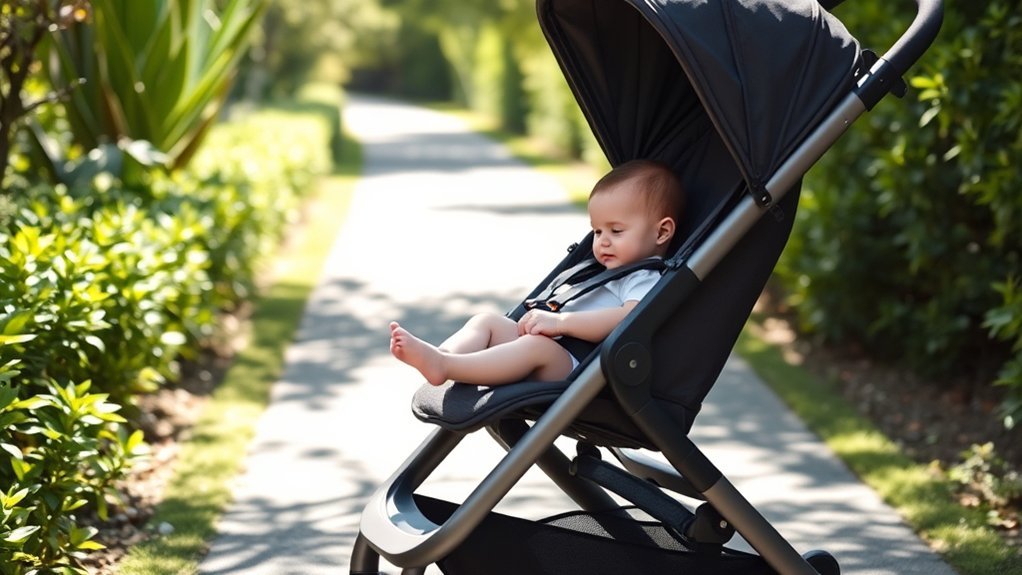
Navigating infant safety accessories can feel overwhelming for parents, but understanding how to choose and position a stroller pillow is critical for protecting your child’s developing cervical spine and respiratory tract. While stroller rides offer fresh air and convenience, improperly fitted head supports or bulky cushions can introduce serious health risks. Selecting an age-appropriate, breathable, and safety-certified pillow ensures your baby stays comfortable without compromising their safety during everyday outings.
Quick Answer
Stroller pillows are only safe when specifically designed for infants, certified by safety standards (such as ASTM or CPSC compliance), and fitted flat against the seat. Avoid standard household pillows or bulky cushions, which can push your baby’s head forward into a chin-to-chest position, risking positional asphyxia and airway obstruction. Always ensure head supports do not interfere with the stroller’s five-point safety harness.
Key Takeaways
- Prioritize Airway Safety: Head supports must keep your baby’s neck straight to prevent chin-to-chest airway constriction.
- Verify Certified Fabrics: Select hypoallergenic materials certified by OEKO-TEX Standard 100 or GOTS to avoid skin irritation and toxic off-gassing.
- Harness Clearance: Never run safety harness straps over a pillow; head supports must rest securely behind or around the harness without adding slack.
- Avoid Loose Soft Bedding: Extra blankets and unattached pillows introduce suffocation and overheating hazards in strollers.
At a Glance
| Target Age Group | Infants 0–12 months (specifically newborns lacking neck control) |
| Primary Risk Prevented | Positional Asphyxia, Flat Head Syndrome (Plagiocephaly), Neck Strain |
| Key Material Standards | Organic Cotton, Breathable 3D Mesh, OEKO-TEX Certified Foam/Fillers |
| Safety Governing Bodies | CPSC (16 CFR Part 1227), ASTM International (ASTM F833), AAP Guidelines |
Importance of Choosing the Right Stroller Pillow

When you choose the right stroller pillow, you are doing far more than enhancing comfort—you are actively protecting your baby’s delicate airway and spinal alignment. Infant anatomy differs significantly from that of older children; newborns possess relatively large heads and weak neck muscles, making them susceptible to sudden head slumping during stroller motion.
Selecting appropriate pillow types is critical for infant safety because specialized inserts provide targeted lateral head and neck support. According to pediatric guidance from the American Academy of Pediatrics (AAP), maintaining neutral head alignment reduces the risk of positional asphyxia while your baby sleeps in a semi-reclined position.
Warning: An infant’s trachea (windpipe) is flexible and narrow. If a thick stroller pillow pushes your baby’s head forward so their chin touches their chest, it can occlude the airway and restrict oxygen flow without making any sound.
Look for pillows made from breathable, hypoallergenic materials to keep your little one comfortable, regulate body temperature, and minimize eczema or asthma risks. It’s critical that the pillow fits securely into the stroller seat back, preventing it from sliding, shifting, or falling behind the infant’s shoulders during movement.
Additionally, opt for machine-washable options with removable covers to maintain a hygienic environment free from drool, dust mites, and bacteria. Remember, using an age-appropriate pillow is necessary for your child’s safety, especially for infants under six months who cannot yet hold their heads up independently.
Ensuring Proper Fit and Support
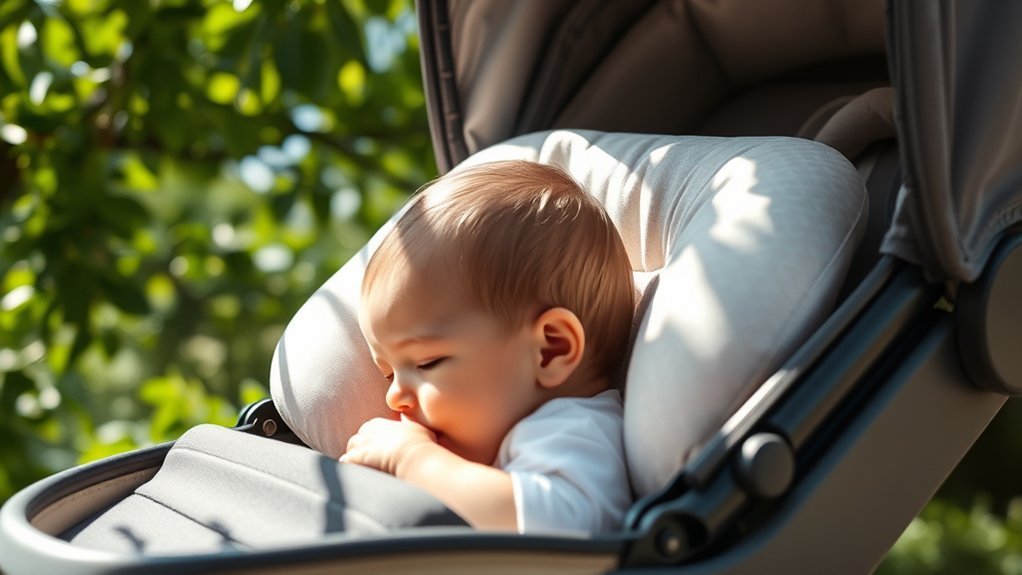
Selecting a high-quality stroller pillow is just the first step; guaranteeing it fits properly within your specific stroller model is essential for your baby’s ongoing safety and comfort.
A well-fitted pillow should gently fill the gap around your child’s head and neck without pushing their cranium forward. The back cushion of the head support should be thin and flat, providing contoured lateral side support rather than rear elevation. Pushing the head forward obstructs the airway and disrupts natural spine development.
“Proper head support in travel gear should cradle the head laterally without adding bulk behind the occiput.” — Pediatric Ergonomics Guidelines
Always check the manufacturer’s guidelines for weight, height, and age recommendations to confirm the pillow’s suitability for your stroller seat style. Pay attention to your baby’s center of gravity to guarantee balance and stability during bumpy rides over unpaved sidewalks or park paths.
Inspect the pillow regularly for signs of wear, flattened foam, loose stitching, or shifting fill, as damaged cushions compromise structural support. Stick strictly to stroller-specific head supports tested under stroller safety standards; generic adult travel pillows or standard bed pillows lack harness pass-throughs and create severe safety hazards.
Selecting Breathable and Hypoallergenic Materials
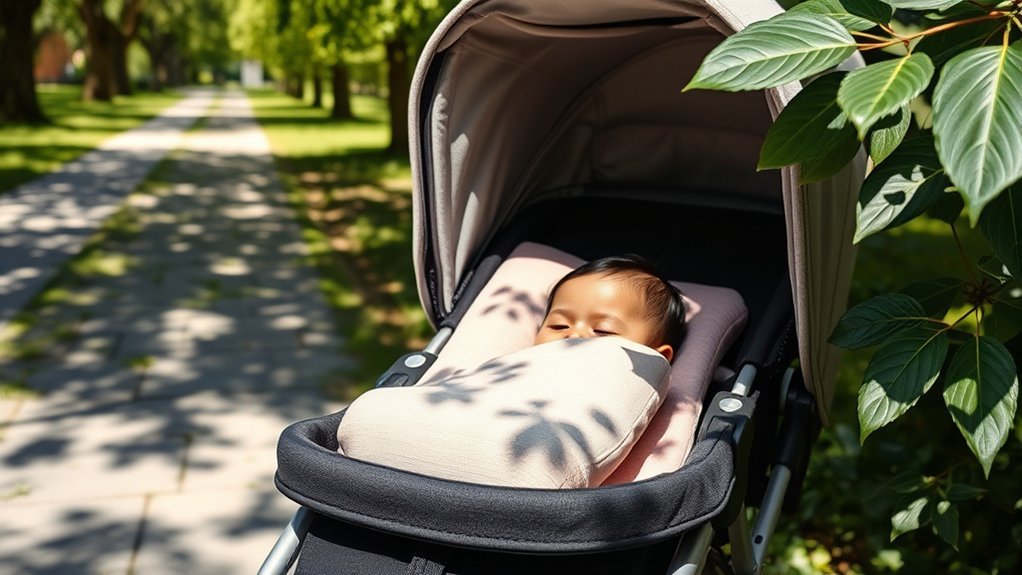
When selecting a stroller pillow, prioritizing breathable and hypoallergenic materials is vital for safeguarding your infant’s sensitive skin and body temperature regulation system.
Look for products that carry verified safety certifications to confirm they are completely free from harmful flame retardants, heavy metals, phthalates, and volatile organic compounds (VOCs).
Breathable fabrics facilitate continuous airflow around your baby’s head, mitigating heat retention and reducing sweat accumulation during warm weather strolls.
Material Safety Standards
Selecting stroller pillows that comply with rigorous material safety standards guarantees long-term health protection. Always look for materials certified by the Consumer Product Safety Commission (CPSC) or international testing bodies to ensure non-toxicity.
Opt for natural, highly breathable fabrics such as organic cotton or bamboo-derived viscose. These textiles actively wick moisture away from the skin, regulating microclimates and preventing heat rash. Hypoallergenic fills are critical for infants with sensitive skin or familial prone eczema.
Check that internal fillers—whether recycled polyester fiberfill, open-cell breathable foam, or organic buckwheat hull—meet stringent safety benchmarks such as OEKO-TEX Standard 100 Class 1 (certified safe for baby skin contact). Check labels to ensure compliance with ASTM International standards (such as ASTM F833 for carriage and stroller items).
Comfort and Support
Balancing physical support with tactile comfort ensures your baby stays relaxed on long outings without overheating. Breathable 3D mesh linings paired with organic cotton covers offer optimal airflow and softness.
Pro Tip: Test pillow breathability yourself before placing it in the stroller: press the pillow firmly against your face and attempt to breathe through it. If air moves through easily, it offers good passive ventilation for your infant.
| Pillow Type | Key Benefits | Care & Maintenance |
|---|---|---|
| Contoured Headrest Insert | Prevents flat head syndrome (plagiocephaly); fits 5-point harness slots safely. | Machine wash cold on gentle cycle; air dry flat. |
| 2-in-1 Body & Head Support | Provides full torso stabilization for newborns transitioning to toddler seats. | Removable outer cover; spot clean core foam. |
| 3D Mesh Travel Support | Maximum airflow for warm climates; moisture-wicking properties. | Quick-drying synthetic mesh; machine washable. |
Regular Maintenance and Inspections
Maintaining a strict inspection schedule for your stroller accessories guarantees that safety features do not deteriorate over time. Physical wear can compromise support structures and introduce hidden hazards.
Note: Establish a monthly inspection routine for all stroller accessories, checking for loose threads, torn fabric seams, and degrading internal padding integrity.
- Examine Seams and Stitching: Inspect for frayed threads or split seams where internal filling might leak out, creating choking or entanglement risks.
- Verify Attachment Security: Ensure snap buttons, Velcro straps, or harness slots remain tightly secured to the stroller frame so the pillow cannot shift during travel.
- Follow Sanitization Guidelines: Clean covers regularly using non-toxic, fragrance-free baby detergents to eliminate bacteria, mold spores, and sweat buildup.
Performing routine visual checks across the entire stroller assembly—especially around harness points and head support attachment zones—ensures all components work in harmony to protect your child.
Avoiding Extra Pillows and Blankets
When configuring your stroller, adhering to a “less is more” philosophy is essential for preventing accidental injury or suffocation.
Placing loose adult pillows, decorative cushions, or heavy plush blankets inside a stroller creates severe environmental hazards for infants who cannot push items away from their faces.
Rely on built-in stroller ergonomic adjustments and layer your baby in climate-appropriate clothing (such as wearable sleep sacks or footmuffs attached to the outer frame) rather than loose bedding.
Risks of Extra Padding
While adding soft padding may look cozy, unapproved soft items introduce documented health risks inside stroller seats:
- Suffocation Risks: Soft, unattached pillows can shift when the stroller moves over bumps, lodging against an infant’s nose and mouth.
- Harness Interference: Excessive padding behind an infant’s back introduces harness slack, preventing the 5-point harness straps from tightening snugly against the shoulders and pelvis.
- Thermal Overheating: Bulky blankets trap body heat in enclosed stroller canopies, elevating core body temperature and increasing risk factors associated with Sudden Unexpected Infant Death (SUID).
Guidelines from safe sleep organizations stress that keeping the seating area unencumbered by unattached soft goods is vital for stroller safety.
Recommended Supportive Options
To deliver comfortable head positioning without introducing suffocation hazards, select purpose-built accessories engineered specifically for stroller integration:
Invest in stroller-specific head supports designed with slim back panels and contoured side wings. Choose adjustable designs that accommodate growth stages, allowing you to widen the neck channel as your child develops upper body control.
Verify that any accessory integrates seamlessly with your stroller’s 5-point harness without obstructing buckle release mechanisms or creating pinch points near your baby’s neck.
Proper Positioning Techniques
Correct positioning requires aligning the head support directly with your baby’s natural posture. Never place a pillow under your baby’s shoulders or lower back unless it is part of an integrated, manufacturer-approved full-body insert.
- Adjust the stroller harness so straps emerge at or slightly below your baby’s shoulders when rear-facing.
- Ensure the head support rests flat against the seat back, maintaining a zero-degree forward tilt for the head.
- Refer to your stroller’s instruction manual to determine appropriate seat recline angles for newborns (typically fully reclined at 150 degrees or flatter).
Creating a Safe Stroller Environment
Building a secure stroller environment requires viewing the stroller as a complete safety ecosystem where accessories, harness systems, and seat adjustments work together seamlessly.
Ensure that all add-ons—from sunshades to head supports—are explicitly rated for infant use. Avoid universal accessories that lack clear attachment straps or pass-through slots for safety harnesses.
Always keep stroller seating spaces clear of loose toys, unattached bottle holders, or heavy blankets that could fall onto your baby during travel. Maintaining a clean, uncluttered space preserves airflow and keeps your child safe.
Understanding SIDS and Safe Sleep Practices
While strollers are primary travel vehicles rather than permanent crib substitutes, understanding safe sleep principles is critical during travel naps. According to research published by the National Institutes of Health (NIH) Safe to Sleep campaign, peak vulnerability for SIDS occurs between 2 and 4 months of age.
Key safe sleep principles to keep in mind when traveling include:
- Active Supervision: Never leave an infant sleeping unattended in a stroller, car seat, or inclined rocker.
- Transfer to Flat Surfaces: If your baby falls asleep during a walk, transfer them to a firm, flat crib or bassinet upon arriving home.
- Maintain Ventilation: Avoid draping heavy blankets over the stroller canopy to block light, as this rapidly elevates temperature and reduces oxygen turnover inside the seat area.
Recommendations for Safe Stroller Use
Adhering to consistent safety protocols protects your baby across every journey:
- Always Fasten the 5-Point Harness: Buckle all shoulder, waist, and crotch straps firmly every time your child enters the stroller, even for short trips.
- Match Equipment to Growth Stages: Transition out of infant head supports once your child demonstrates full neck control (typically around 6 months).
- Engage Parking Brakes Immediately: Set stroller wheel locks whenever stationary to prevent accidental roll-aways.
- Avoid Overloading Handles: Do not hang heavy shopping bags over stroller handlebars, as this shifts the center of gravity and causes tip-over accidents.
Frequently Asked Questions
Can I use a regular household pillow in a stroller?
No. Regular household pillows are too bulky and soft. They push your baby’s head forward into a dangerous chin-to-chest posture, increasing the risk of positional asphyxia, and can easily shift to cover their face, posing a suffocation hazard.
What age is safe to start using a stroller head support pillow?
Infant-specific head support inserts can be used from birth in fully reclined strollers or infant car seat stroller combos, provided the support has a flat back panel and does not push the head forward. Most infants outgrow the need for head support by 6 months once they develop strong neck control.
How often should I replace a stroller pillow?
Replace your stroller head support every 6 to 12 months, or immediately if you notice compressed foam, frayed seams, structural wear, or after your child outgrows the support specifications.
Are there specific safety certifications to look for in stroller accessories?
Look for accessories compliant with CPSC guidelines, ASTM F833 stroller standards, and fabrics certified by OEKO-TEX Standard 100 or GOTS (Global Organic Textile Standard) to ensure non-toxicity and chemical safety.
How should I wash and clean a stroller pillow safely?
Remove washable outer covers and wash on a gentle cycle using mild, hypoallergenic baby detergent. Air dry flat to maintain the shape of internal supportive foam and prevent mold growth.
Conclusion
Selecting the right stroller pillow is a crucial safety decision that directly affects your baby’s comfort and healthy physical development. By choosing a thin, contoured insert made from breathable, certified organic materials, you ensure proper lateral head support without risking airway occlusion. Always verify that head supports fit flat against the seat, integrate smoothly with 5-point harness systems, and are maintained through regular safety inspections. Prioritizing clear safe-sleep practices and avoiding unattached bedding allows you to enjoy worry-free outings with your little one.
Sources
- American Academy of Pediatrics (AAP) — Safe Sleep Recommendations and Infant Travel Safety Guidelines
- U.S. Consumer Product Safety Commission (CPSC) — Carriage and Stroller Safety Requirements (16 CFR Part 1227)
- Centers for Disease Control and Prevention (CDC) — Sudden Unexpected Infant Death (SUID) and SIDS Prevention
- National Institutes of Health (NIH) Safe to Sleep Campaign — Evidence-Based Infant Sleep and Environment Standards
- OEKO-TEX Association — Standard 100 Product Class 1 Testing Criteria for Baby Textiles
Pediatric Safety Disclaimer: This article is for educational purposes only and does not constitute formal medical advice. Always consult your pediatrician or a certified child passenger safety technician (CPST) regarding specific travel gear recommendations for your infant’s age, medical history, and developmental stage.