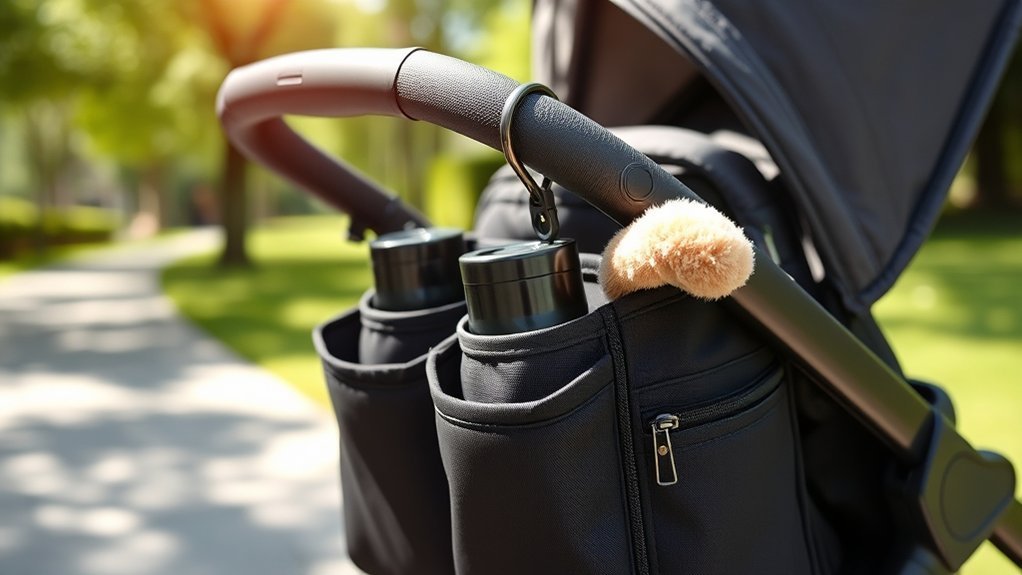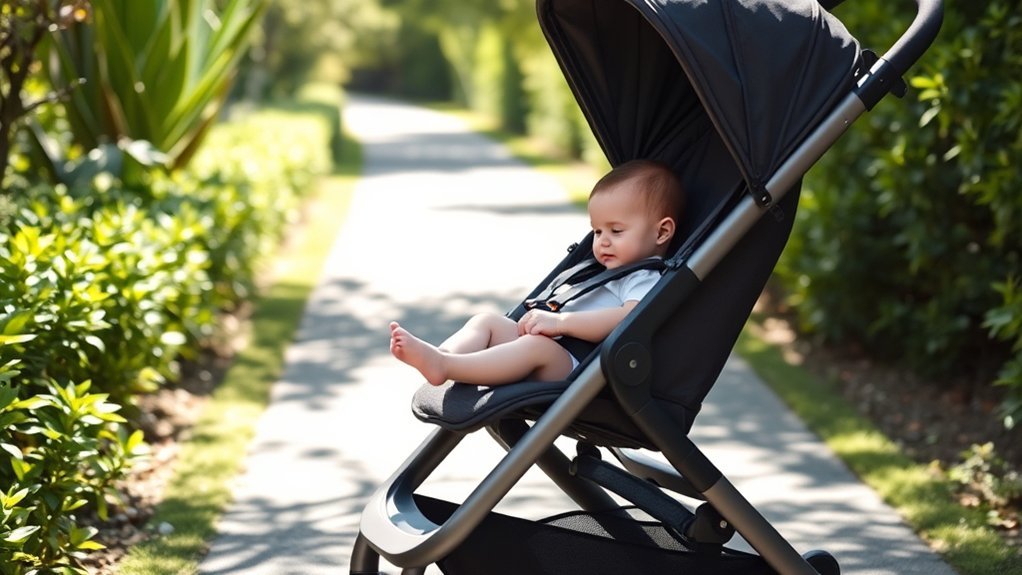
Maintaining proper stroller posture is essential for your baby’s physical development, spinal alignment, and airway safety. From knowing when your infant is ready to transition out of a flat bassinet to fine-tuning the seat recline angle and securing a 5-point harness, small adjustments ensure your child rides comfortably and safely. This comprehensive guide details the key milestones, safety checks, and posture guidelines every parent should follow during stroller outings.
Quick Answer
For safe baby stroller posture, infants under 6 months require a fully reclined seat (or bassinet) to protect their airway and developing spine. Transition to an upright stroller seat only when your baby exhibits strong head control and sits unassisted (around 6 months). Always secure a snug 5-point harness with a two-finger clearance, maintain a chin-to-chest gap to prevent asphyxia, and support their feet to eliminate back strain.
Key Takeaways
- Prioritize Milestones Over Age: Use a lay-flat bassinet or 150°+ reclined seat until your baby achieves full head control and independent sitting (typically 3–6 months for semi-recline, 6+ months for upright).
- Protect the Airway: Prevent positional asphyxia by keeping your baby’s head elevated with a clear gap between chin and chest at all times.
- Follow the 5-Point Harness Rule: Position shoulder straps at or above shoulder height, crotch buckle below the belly button, and adjust tightness to fit exactly two fingers between strap and chest.
- Provide Proper Leg Support: Ensure the lower back rests firmly against the seat back with feet supported by a footrest or rolled towels to prevent pelvic tilting.
- Observe the 2-Hour Limit: Take regular breaks every 2 hours to let your baby stretch, move, and rest their back muscles outside the stroller.
At a Glance: Stroller Posture Essentials
| Target Developmental Stage | Newborns to Toddlers (0–36 months) |
| Recline Angle Requirement | 180° Lay-Flat (0–3 mos) • 150° Semi-Recline (3–6 mos) • Upright (6+ mos) |
| Harness Safety System | 5-Point Harness with 2-finger chest clearance check |
| Maximum Continuous Duration | 2 Hours maximum per session (followed by stretch break) |
Warning — Positional Asphyxia Hazard: Young infants lack the muscle strength required to lift their head if it slumps forward. If an infant’s chin drops to rest against their chest, their narrow airway can easily become compressed, leading to silent oxygen restriction. Always keep the stroller seat reclined sufficiently to keep their head resting backward and airway completely open.
Recognizing the Right Time to Transition to a Stroller Seat

As your baby approaches three to four months of age, you may notice physical signs that they are outgrowing their flat bassinet attachment. Key developmental transition indicators include persistent frustration when lying completely flat, attempts to press up on elbows, and active efforts to lift their head to observe their surroundings.
However, readiness depends on developmental milestones rather than exact age. According to the American Academy of Pediatrics (AAP), newborns and young infants must lie completely flat or in an approved infant seat to protect their fragile spinal column and unformed neck muscles. When transitioning a 3- to 5-month-old into a stroller seat, you must choose a seat designed with a deep semi-recline position (at least 150 degrees) or utilize a manufacturer-approved infant insert.
In addition to developmental cues, regularly check the height and weight restrictions specified in your stroller manual. Exceeding bassinet capacity or noticing your baby’s head touching the top rim indicates it is time to shift to the main seat unit. Monthly seat adjustments accommodate their rapidly improving neck stability, preparing them for fully upright independent sitting around six months of age.
Understanding Stroller Seat Angle Adjustments
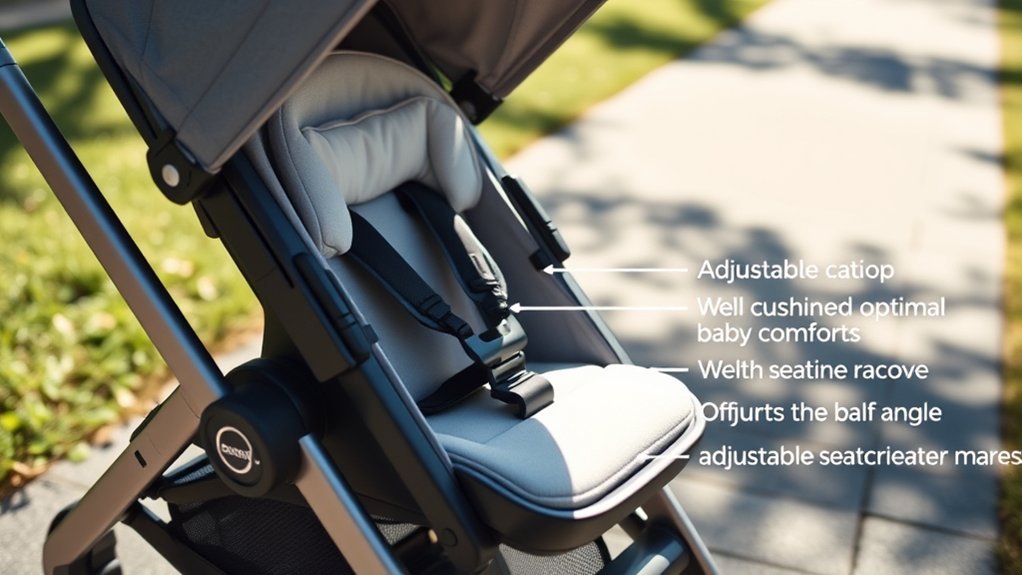
Adjusting the stroller seat angle correctly is critical for balancing airway protection with ergonomic spinal support.
For infants under six months, an inclined seat angle that is too steep allows the head to flop forward, while a seat that is too flat may cause distress for older, curious infants. A proper recline angle supports the head, neck, and lumbar region without causing slouching.
“An ideal stroller seat recline supports the natural curve of the infant spine while maintaining a clear, unobstructed airway between the chin and chest.”
Perform routine checks during every walk. If you observe your baby bobbing their head forward or straining to keep their chin up, immediately recline the seat back one or two notches. Recline the seat whenever your baby falls asleep during a walk, as relaxed neck muscles during sleep increase the risk of head slump.
Pro Tip — The Two-Finger Airway Check: Slide two fingers under your baby’s chin while they are seated in the stroller. If your fingers cannot fit comfortably between their chin and chest, recline the seat angle further back immediately.
Importance of a Properly Secured Five-Point Harness
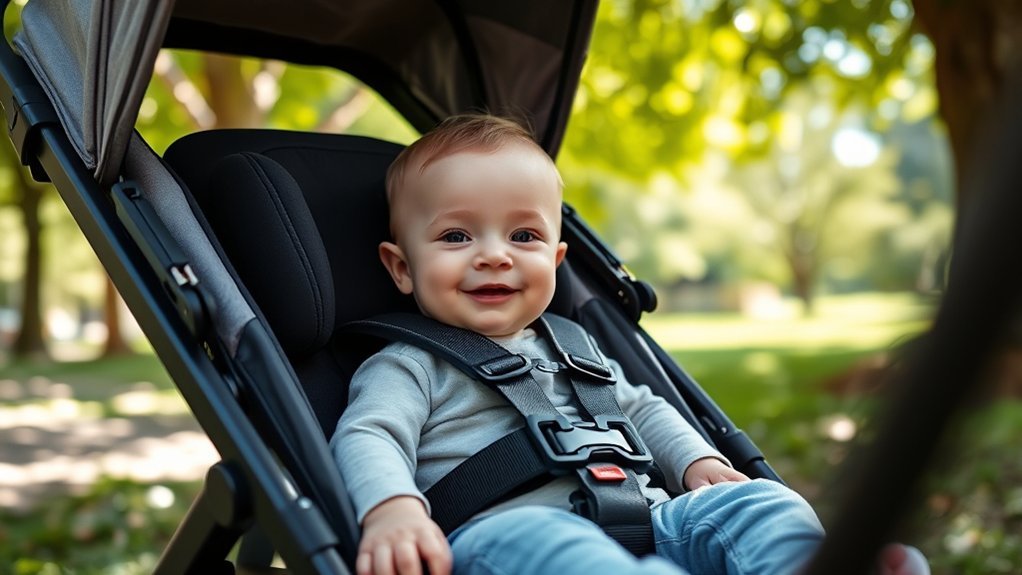
A properly adjusted five-point harness is the single most critical safety feature protecting your child against falls, sudden tip-overs, and improper sitting posture. Standards set by the U.S. Consumer Product Safety Commission (CPSC) mandate five-point harnesses for modern strollers to anchor the shoulders, hips, and crotch securely.
Correct positioning of each harness component ensures both safety and physiological support:
- Shoulder Straps: Must enter the seat back slots level with or slightly above your baby’s shoulders. Straps positioned too far below shoulder height press down on the spine, encouraging slouching.
- Crotch Strap & Buckle: The buckle should sit flat against the pelvic area below the belly button, preventing the child from sliding downward (submarining).
- Waist Straps: Must fit snugly around the hips to anchor the pelvis firmly against the backrest.
Test strap tension before every outing using the standard pinch test: confirm the harness is snug enough that only two flat fingers fit between the strap and your baby’s chest. Ensure straps lie completely flat without twists, which can concentrate pressure and irritate delicate skin.
Ensuring Adequate Footrest and Leg Support
Providing adequate footrest height and lower-leg support is essential for long-term comfort and healthy pelvic orientation. Dangling legs cause the pelvis to tilt backward, flattening the natural spinal curve and placing uncomfortable pressure on the undersides of the thighs.
To establish correct leg and foot support:
- Raise the adjustable footrest leg flap so your infant’s knees bend comfortably at a 90-degree angle with thighs supported along the seat cushion.
- If your baby’s feet do not reach the built-in footrest, place a neatly folded towel underneath their legs to elevate them.
- Ensure your baby’s hips are pushed fully back against the seat backrest before tightening straps.
- Check thigh support regularly as your child grows to ensure the seat edge does not cut into the back of their knees.
Conducting Final Safety Checks for Comfort
Before beginning your walk, perform a quick 30-second safety and posture audit to verify that your baby is secure and ergonomically supported.
Harness Tension Adjustment
Check harness tension with your baby fully seated and resting against the backrest. The straps should feel secure without pinching. Confirm that you can slide exactly two fingers between the harness and your baby’s chest. Avoid bulky coats or thick blankets under the harness straps, as compressed fabrics create hidden slack during movement. Instead, secure your baby in the harness first, then layer blankets over the top of the harness system.
Strap Alignment Inspection
Verify that the shoulder harness pads lie flat over the collarbones. Confirm the crotch strap buckle sits centrally over the pelvis and does not press into the abdomen. Inspect the harness webbings on both sides to guarantee there are no twists or folded edges.
Footrest Positioning Check
Ensure the foot platform or adjustable leg rest is locked securely into position. Confirm that your child’s legs are resting naturally without hanging unsupported over the front edge of the seat frame.
Monitoring Baby’s Posture During Stroller Use
Continuous monitoring during walks helps you catch early signs of slouching, fatigue, or airway restriction. Body posture shifts as babies move, sleep, or encounter rough pavement.
| Posture Aspect | Recommended Action | Health & Safety Purpose |
|---|---|---|
| Head & Neck Position | Maintain visible gap between chin and chest | Prevents positional asphyxia and airway restriction |
| Harness Fit | Snug fit allowing two fingers beneath chest strap | Prevents slouching, sliding, or accidental ejection |
| Pelvic & Leg Support | Elevate footrest or place rolled towel under thighs | Reduces lower back pressure and keeps spine aligned |
| Trunk Stability | Place small rolled towels beside torso if leaning occurs | Prevents lateral spinal tilting in developing infants |
Tips for Maintaining Comfort During Stroller Rides
Enhance posture stability during long outings by using safe positioning techniques:
- Use Approved Head Supports: For young infants, use only head positioning inserts provided or explicitly approved by your stroller manufacturer. Avoid thick, non-tested aftermarket pillows behind the head, which can force the head forward.
- Support Side-to-Side Stability: Place tightly rolled receiving blankets along the left and right sides of your baby’s torso to prevent them from slumping sideways until they develop full core strength.
- Recline During Naps: When your baby falls asleep, immediately adjust the seat angle back to a reclined position to keep their head resting against the seat structure.
- Manage Rough Terrain: Engage frame suspension or slow down on uneven pavement to minimize vibration forces transmitted to your baby’s developing spine.
Note — The 2-Hour Stroller Limit: Pediatric guidelines, including recommendations from the UK National Health Service (NHS), advise limiting continuous time in infant car seats and stroller seats to approximately 2 hours. Take periodic breaks on longer walks to take your baby out, allowing them to stretch their hips and spine on a flat surface.
Recognizing Signs of Discomfort in the Stroller
Babies communicate posture discomfort through behavioral cues. Promptly addressing these signals prevents physical strain and keeps outings enjoyable.
Watch for these behavioral indicators:
- Arching the Back: Indicates lower back pressure, tightness in the harness, or a seat angle that is too upright.
- Frequent Fidgeting or Squirming: Signals inadequate leg support, uncentered crotch buckle, or pinched skin.
- Crying or Head Tilting Forward: Suggests neck fatigue or an improperly reclined seat angle restricting airway comfort.
- Slumping to One Side: Indicates weak trunk control requiring lateral support from rolled towels or a narrower infant insert.
Transitioning to Independent Sitting and Stroller Use
Around six months of age, most babies achieve independent sitting control, unlocking full use of upright stroller seat angles. As your child’s core strength develops, adapt your setup accordingly:
- Gradually raise the seat backrest to a fully upright position during active awake periods so your baby can interact with their environment.
- Re-adjust shoulder strap height to higher slot positions as your baby’s torso lengthens.
- Remove lateral torso support blankets once your baby demonstrates sturdy trunk balance.
- Continue using the 5-point harness at all times, as active infants can lean forward or attempt to climb out.
Frequently Asked Questions
Can I use a stroller for newborns?
Yes, but only if the stroller features a 180-degree lay-flat bassinet attachment or a fully reclined seat unit specifically rated for newborn use. Standard upright stroller seats are unsafe for newborns, who lack the neck control needed to maintain an open airway.
How do I clean and maintain my stroller safety harness and seat?
Wipe fabric seat pads and harness straps using a damp cloth with mild baby-safe detergent and warm water. Never submerge harness straps in water or use harsh chemical bleach, as soaking can weaken the structural integrity of the synthetic webbing fiber.
What posture features should I look for when buying a stroller?
Prioritize strollers with a multi-position recline (including a true lay-flat mode), an adjustable footrest, a padded 5-point harness with multiple height slots, firm backrest support, and built-in frame wheel suspension to absorb ground impacts.
Are there official safety standards for infant strollers?
Yes. In the United States, look for strollers certified by the Juvenile Products Manufacturers Association (JPMA) meeting ASTM F833 safety standards. European models should comply with EN 1888 safety requirements.
How long can a baby stay in a stroller continuously?
Pediatric guidelines recommend limiting continuous time in a stroller seat to no more than 2 hours. Take regular breaks during longer outings to remove your baby from the seat, enabling them to move freely and rest their spinal muscles.
Conclusion
Prioritizing proper stroller posture protects your baby’s physical comfort, supports healthy spinal development, and eliminates dangerous airway risks during travel. By selecting the correct recline angle for your infant’s developmental stage, adjusting the 5-point harness snugly, and ensuring full leg support, you create a safe environment for every outing. Pay close attention to your baby’s cues, recline the seat during naptime, and take frequent movement breaks to keep your child riding happily and safely.
Sources
- American Academy of Pediatrics (AAP) — Guidelines on infant physical development, safe sleep, and airway positioning.
- U.S. Consumer Product Safety Commission (CPSC) — Stroller safety standards and 5-point harness restraint regulations.
- National Health Service (NHS) — Guidance on infant sitting milestones and travel seating duration limits.