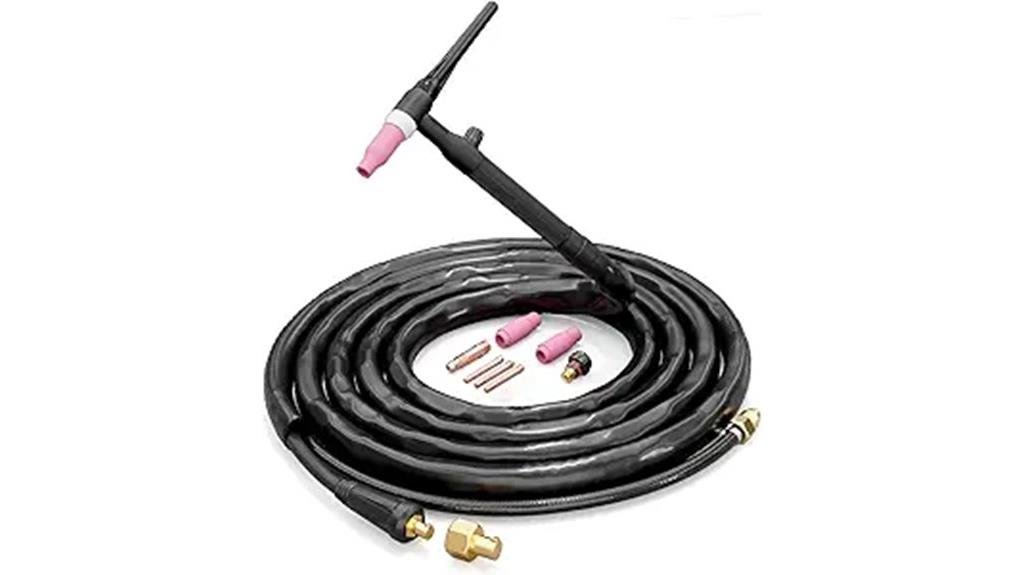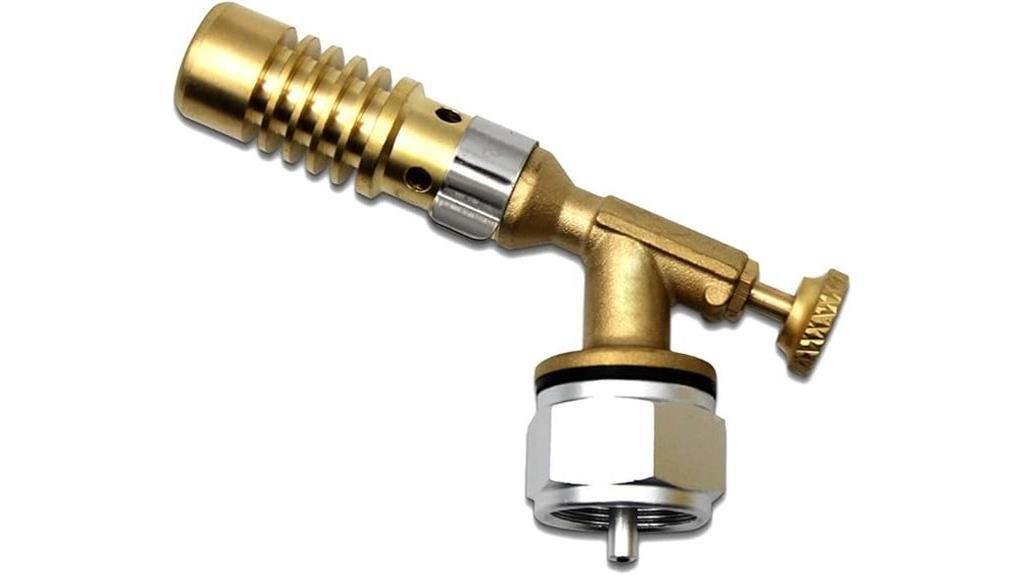
The review examines a compact welding torch built for MAPP and propane use, noting a brass body, 4.5-inch nozzle, 6.2 oz weight, and peak MAPP temperature near 3,100°F. It explains performance trade-offs: MAPP for hotter, shorter bursts, propane for longer, cooler operation; lists applications, soldering, glasswork, light brazing; and raises fit, cylinder compatibility, and one-hand ergonomics as key considerations — is this the right shop tool for the tasks at hand?
Key Takeaways
- Torch performs best with MAPP for higher peak temperatures (2,900–3,100°F), ideal for fast brazing and heavy-duty work.
- Propane yields lower temperatures (2,200–2,500°F) but longer burn time, suitable for soldering and glass warming.
- Compact brass body, ergonomic one-hand grip, and 4.5-inch nozzle offer precision and durability in tight spaces.
- Adjustable flame (0.5–3.0 inches) and steady output provide fine control for jewelry, soldering, and light brazing.
- Check CSA/CE/ANSI markings, inspect seals monthly, and confirm 1/4-inch fuel thread and replacement part availability before buying.
Features and Design Overview
Although compact in appearance, the welding torch combines several practical design choices that address common workshop needs.
It features an ergonomic grip for one-hand use, a brass body for safety, and a nozzle length of 4.5 inches for precision.
What are its versatile applications? Soldering, glassblowing, jewelry work, and light brazing.
Measurements: weight 6.2 oz, fuel inlet 1/4-inch thread, adjustable flame control range 0.5–3.0 inches.
Practical considerations: fit with international cylinders, age ratings, and labeling may vary.
Bullet points:
- ergonomic grip
- brass construction
- single-hand operation
- 4.5″ nozzle
- 6.2 oz weight.
Performance With MAPP and Propane
A compact flame tester shows how the torch performs with both MAPP and propane, and the differences are predictable: MAPP delivers higher peak temperatures (around 2,900–3,100°F at the tip under free burn) and a broader adjustable flame range, while propane runs cooler (approximately 2,200–2,500°F) but offers longer burn time per cylinder.
- Heat intensity: MAPP achieves faster heat-up, better for brazing; propane suffices for soldering and glass warming.
- Flame control: the torch provides precise adjustment, one-hand operation, steady output.
- Practical measure: tip-to-work distance, flow settings, and duration matter.
- Recommendation: choose fuel by task and runtime needs.
Safety, Materials, and International Considerations
After outlining how MAPP and propane affect heat output and runtime, attention turns to the materials, safety features, and international-product notes that influence day-to-day use and compliance.
The torch uses brass construction, offering material durability and heat resistance; weight 0.5–0.7 lb, length ~8 in.
What safety standards apply? Look for CSA, CE, or ANSI markings and pressure ratings.
How to inspect? Check seals, valves, and hoses every 30 days.
Practical considerations: one-hand operation, fuel compatibility, and replacement parts.
International models may vary in labeling, age ratings, and instruction language; verify fit and certifications before purchase.
Frequently Asked Questions
Does It Require Special Tools for Maintenance or Repairs?
No; routine maintenance requires basic tools only. The user can follow maintenance tips for cleaning jets and seals, while more complex repair techniques might need standard replacement parts and common hand tools rather than specialized equipment.
Can It Be Used With Other Gas Types or Brand Cartridges?
Yes. The torch supports common gas compatibility but may require checking cartridge options; brass construction suits MAPP and propane, while alternative gases or foreign-brand cartridges could vary in fit, labeling, and safe use requirements.
What Is the Expected Lifespan Under Regular Use?
The expected lifespan under regular use is several years; the brass construction and one‑hand design promote durability, though actual longevity varies with frequency, maintenance, gas type, and international model differences affecting fit or instructions.
Are Replacement Parts and Accessories Readily Available?
Yes; replacement parts are generally obtainable. The reviewer notes common replacement parts and available accessories like tips, hoses, regulators and nozzles are sold separately, though international variations may affect exact availability and fit.
Does It Come With a Warranty or Customer Support Contact?
Yes; the product includes limited warranty coverage and provides customer service contact details. The manufacturer offers brass-built safety assurances, international variations may apply, and customers are advised to consult included documentation for precise support terms.
Conclusion
The torch presents itself as a compact, competent workhorse: 6.2 oz, 4.5-inch nozzle, brass body, peak 3,100°F with MAPP, longer burn with propane. Is it miraculous? No — but it will solder, glassblow, and light-braze with steady control and one-hand ease. International cylinder compatibility and durable materials make it practical for varied shops. Safety remains paramount; follow gas-specific guidelines and ventilation rules, and the torch will behave, unlike the user’s last DIY masterpiece.