Zapp Plus 2 Pulse Arc Welder Review
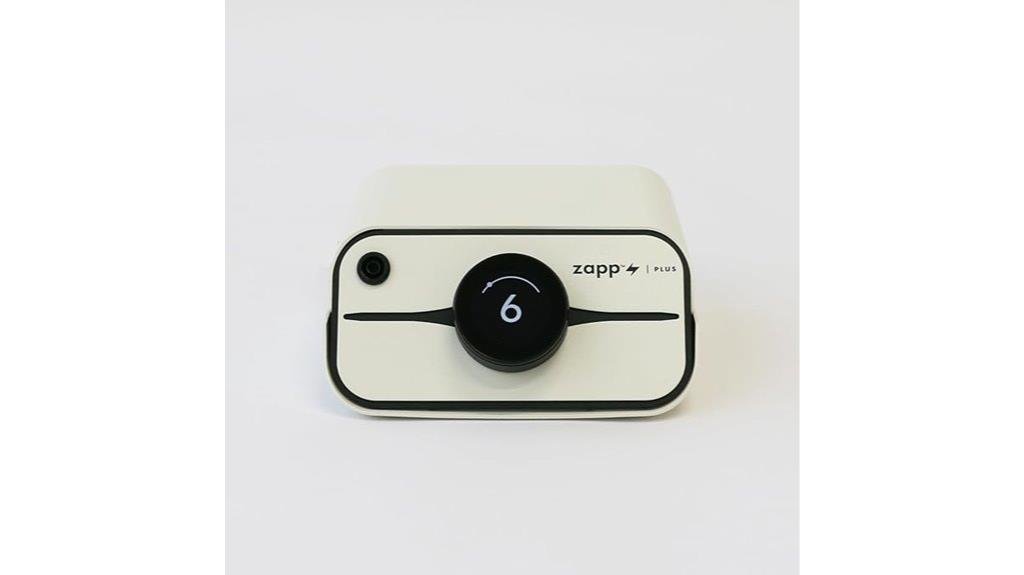
Small jewelry links need controlled heat, clean positioning, and repeatable settings. A machine built for heavy fabrication can be too large and aggressive for that work. The Zapp Plus 2 Pulse Arc Welder is presented as a compact option with 1 to 30 J energy control, a 0.5 to 2.0 mm spot range, and an argon-ready setup. This review helps you decide whether those features fit permanent jewelry, fine bench repairs, or mobile event work, while also covering the limits you should confirm before buying.
Quick Verdict
Rating: Recommended with caveats
Best For: Permanent jewelry artists, small jewelry repair benches, and mobile operators who need fine spot welding control.
Bottom Line: The supplied specifications point to a portable, jewelry-focused welder with useful control over energy and spot size. Its main tradeoff is verification: material compatibility, box contents, training support, and warranty terms should be checked on the current listing or product documentation before you depend on it for paid work.
Key Takeaways
- The supplied details list a compact 1.9 lb body for small benches, shared studios, and event setups.
- Energy adjusts from 1 to 30 J in 1 J steps, which supports gradual testing on small jewelry connections.
- The stated 0.5 to 2.0 mm spot range is intended for precise weld placement rather than broad weld beads.
- The unit is described as argon-ready, but a suitable gas supply and correct setup may still be required.
- The listed accessories include a stylus, three 1 mm Orion electrodes, argon tubing, shaded safety glasses, a power adapter, a cord, and an operator’s guide.
Before You Buy: This is presented as a precision jewelry welder, not a MIG, TIG, or stick machine for structural work. Confirm the supported metals, required argon equipment, electrical requirements, included parts, and current warranty before placing it into a business workflow.
Key Specifications
| Specification | Detail |
|---|---|
| Product name | Zapp Plus 2 Pulse Arc Welder |
| ASIN | B0FF8CMKMN |
| Product type | Pulse arc welder for small jewelry and fine metal joining tasks |
| Stated weight | 1.9 lb |
| Stated dimensions | 13.3 x 15.5 x 6.9 cm |
| Energy range | 1 to 30 J in 1 J steps |
| Spot size range | 0.5 to 2.0 mm |
| Stated weld speed | Up to one weld per second, according to the supplied article details |
| Control style | Manual dial-based energy adjustment |
| Stylus cord | Detachable 72 cm cord, based on the supplied article details |
| Gas setup | Described as argon-ready with argon tubing included; tank and regulator requirements are not confirmed |
| Listed accessories | Power adapter, cord, three Orion 1 mm electrodes, argon tubing, shaded safety glasses, stylus, and operator’s guide |
| Training and support | QR-code videos and technical support are mentioned in the supplied details; confirm current access |
| Warranty | Three years are stated in the supplied article; confirm the seller, region, and coverage terms before purchase |
What Is the Zapp Plus 2 Pulse Arc Welder?
The Zapp Plus 2 is described as a compact pulse arc welder for closing small jewelry links and completing fine metal joins. Its stated 1.9 lb weight and small footprint make more sense on a jewelry bench than in a fabrication bay.
The main selling point is controlled output. You can move through the stated 1 to 30 J range in 1 J steps and choose a spot size between 0.5 and 2.0 mm. That combination gives you room to test a delicate connection at a lower setting before increasing energy.
This product is not presented as a general-purpose welding machine. It is aimed at permanent jewelry sessions, precise bench work, and small repairs where heat control and a compact setup matter more than high output.
Who Should Buy It?
Best For
- Permanent jewelry artists who close small chain links during studio or event appointments.
- Bench workers who want manual control over energy and spot size for fine joining tasks.
- Mobile operators who need a lightweight unit that can move between workstations.
Skip If
- You need structural welding, thick-steel repair, or long weld beads.
- You need verified compatibility with a specific metal that is not named in the current manual.
- You do not want to manage electrodes, practice pieces, and a possible argon supply.
Design and Build Quality
The supplied dimensions of 13.3 x 15.5 x 6.9 cm and stated 1.9 lb weight suit crowded benches, shared studios, and mobile event kits.
A detachable 72 cm stylus cord is listed, giving you some freedom to keep the main unit away from the immediate work area. Comfort and control will still depend on your bench layout and work support.
The supplied article also names a v3.0 stylus and “Tru-Fire” consistency. Those feature names could not be independently confirmed, so treat them as listing claims until you verify them in current manufacturer documentation.
Performance and Welding Control
1 to 30 J Energy Adjustment
The stated energy range uses 1 J steps. Small links can react differently based on diameter, metal, cleanliness, contact, and electrode position, so gradual changes are useful.
You should still expect testing. A setting that works on one chain style may mark or weaken another. Start on a matching scrap link, inspect the result, and adjust one step at a time.
0.5 to 2.0 mm Spot Range
The listed spot-size range supports narrow weld placement. A smaller spot may limit visible marking, while a larger setting may cover a broader contact area. Follow the instructions for the joint and material.
Spot size does not replace correct fit-up. The two surfaces still need clean contact and stable positioning before the pulse fires.
Up to One Weld Per Second
The article states up to one weld per second, but positioning, shielding, inspection, and resetting the piece will take longer than the pulse.
For paid permanent jewelry sessions, consistency matters more than firing as fast as possible. A rushed connection can lead to poor contact, excess marking, or a link that needs rework.
Argon Setup and Weld Cleanliness
The Zapp Plus 2 is described as argon-ready, and argon tubing appears in the listed accessories. Shielding gas can help limit oxidation around a small weld when the machine, flow, and joint are set up correctly.
The supplied information does not confirm that a tank, regulator, fittings, or flow-control equipment are included. Check the current box contents and manual before assuming you can connect a gas supply immediately.
Pro Tip: Build a small test chart for each chain and metal combination. Record the energy setting, spot size, electrode condition, and gas setup that produced a clean connection, then retest whenever you change supplies.
Accessories, Consumables, and Support
The supplied package list includes a power adapter, cord, three Orion 1 mm electrodes, argon tubing, shaded safety glasses, a stylus, and an operator’s guide. It may not cover every part needed for your final setup.
Electrodes are consumables. Their shape and condition affect arc placement, so worn or contaminated tips can reduce consistency. Keep suitable replacements available and follow the product instructions for sharpening, replacement, and installation.
The source article mentions QR-code training videos and technical support. Confirm current access and coverage before treating support as part of the product’s long-term value.
How It Performs in Real Use
For Permanent Jewelry Appointments
The compact body leaves room for chain, pliers, shields, and inspection tools. Small energy steps also support testing and repeatable notes for similar links.
For Small Bench Repairs
The stated spot range may suit small closures and fine repair points where a broad bead would be excessive. It is not a substitute for a larger process when the part is thick, highly stressed, or outside the confirmed material list.
For Pop-Ups and Mobile Events
The 1.9 lb main unit is easy to carry, but your full kit may include shielding, tools, electrodes, cables, lighting, and gas equipment.
For Repeated Business Use
Manual controls may support steady sessions after you build reliable settings. Long-term value also depends on electrodes, support, warranty service, and confirmed material compatibility.
Setup Tips Before First Use
- Read the current manual first. Confirm electrical requirements, supported materials, electrode installation, gas setup, and required protective equipment.
- Secure the work area. Use a stable, well-lit bench and keep loose chain, tools, and cables away from the active weld point.
- Practice on matching scrap. Start at a low setting and increase output gradually until you get a sound connection without unnecessary marking.
- Inspect the electrode. Follow the manual for tip shape, cleaning, sharpening, and replacement.
- Record successful settings. Note the chain type, link size, metal, energy level, spot size, and gas conditions.
- Inspect every finished joint. Good appearance alone does not confirm strength, so follow your normal quality-control method before the piece is worn.
Compatibility and Safety
Pulse arc welding involves electrical energy, heat, bright light, hot metal, and possible gas equipment. Follow the current manual, use the specified protective equipment, and shield clients or bystanders from the weld area.
The supplied article does not verify a complete metal-compatibility list. Confirm stainless steel, titanium, plated chain, filled materials, and other alloys with the manual or manufacturer.
Argon cylinders and regulators require secure storage and correct handling. The included tubing, if present, does not confirm that every gas component is supplied or compatible. Use approved equipment and professional guidance when setting up compressed gas.
Warranty and Support
A three-year warranty is stated in the supplied article, along with QR-code training and technical support. Those details could add value for a business user because repair delays can interrupt appointments.
Check the seller, registration rules, shipping costs, consumable exclusions, regional limits, and service process before purchase.
Pros and Cons
Pros
- Stated 1.9 lb weight suits compact benches and mobile work.
- 1 J energy steps allow gradual testing from 1 to 30 J.
- 0.5 to 2.0 mm spot range supports precise weld placement.
- Argon-ready design may support cleaner joins when correctly equipped.
- Listed accessories cover several basic setup and training needs.
Cons
- Not intended for structural welding, thick metal, or large repairs.
- Correct settings may require repeated testing across chains and metals.
- Material compatibility, gas requirements, accessories, support, and warranty need current confirmation.
Is It Worth the Price?
The Zapp Plus 2 appears positioned as a specialized jewelry tool rather than a budget general-purpose welder. Its value comes from the compact size, small energy increments, fine spot control, listed accessory set, and possible training support.
It makes the most sense when permanent jewelry or fine bench work creates regular income and you can confirm that the machine supports your materials. It is harder to justify for occasional household repairs, thick metal, or buyers who need a broader welding machine and several unconfirmed gas or safety components.
Compare the complete operating cost, not only the machine. Include electrodes, argon equipment and refills, practice material, protective equipment, replacement parts, and possible service shipping.
How It Compares to Alternatives
Sunstone Orion permanent jewelry welders are worth comparing if you want other pulse arc options designed around jewelry workflows. Lampert PUK welders may suit bench jewelers who want to compare established precision-welding systems, training, and accessory ecosystems.
A mini TIG system may offer broader metalworking ability, but it is usually less focused on quick, tiny jewelry connections. The Zapp Plus 2 makes the most sense when compact size and fine pulse control matter more than versatility on thick material.
Frequently Asked Questions
Can it weld stainless steel or titanium?
The supplied article does not confirm a complete compatibility list for stainless steel, titanium, or other non-precious metals. Check the current manual or manufacturer guidance for the exact alloy, thickness, and joint before welding it.
Which replacement electrodes fit the Zapp Plus 2?
The supplied package list names three Orion 1 mm electrodes. Confirm the required diameter, material, tip preparation, and stylus compatibility before ordering replacements, preferably through the manufacturer, seller, or an authorized jewelry supplier.
Does it include everything needed to start welding?
The article lists a power adapter, cord, three electrodes, argon tubing, shaded safety glasses, a stylus, and an operator’s guide. It does not confirm a gas cylinder, regulator, every fitting, or all protective equipment, so review the current box contents before buying.
What ongoing costs should you expect?
Likely operating costs include electrodes, argon and gas hardware, practice material, protective equipment, and replacement parts. Your actual cost depends on session volume, electrode wear, gas flow, and local supply prices.
Can you take it to events or fly with it?
The stated 1.9 lb body supports local portability, but airline approval is not confirmed. Check carrier and destination rules for the machine, electrodes, cables, tools, and any compressed-gas equipment before travel.
What is the most common setup mistake?
Starting too high without testing can mark or damage a small link. Other common problems include dirty contact surfaces, a worn electrode, unstable positioning, incorrect gas setup, and relying on settings from a different chain.
Who should skip the Zapp Plus 2?
Skip it if you need MIG, TIG, or stick functions, structural welds, thick-steel repairs, or verified support for a metal not listed in the manual. It is also a poor fit when you do not want the practice and consumable management that precision pulse welding requires.
The Bottom Line
The Zapp Plus 2 is worth considering for permanent jewelry artists and bench workers who need a small pulse arc welder with fine manual control. Its stated 1 to 30 J range, 0.5 to 2.0 mm spot range, and 1.9 lb body are its strongest points, while incomplete independent verification of compatibility, accessories, support, and warranty remains the main limitation.
Buy it for precise jewelry-scale work after confirming your metals and full setup requirements. Skip it for structural welding, thick parts, or any job that needs a broader fabrication process.
Ready to Buy?
Check the latest product details, box contents, compatibility, and warranty before you decide.