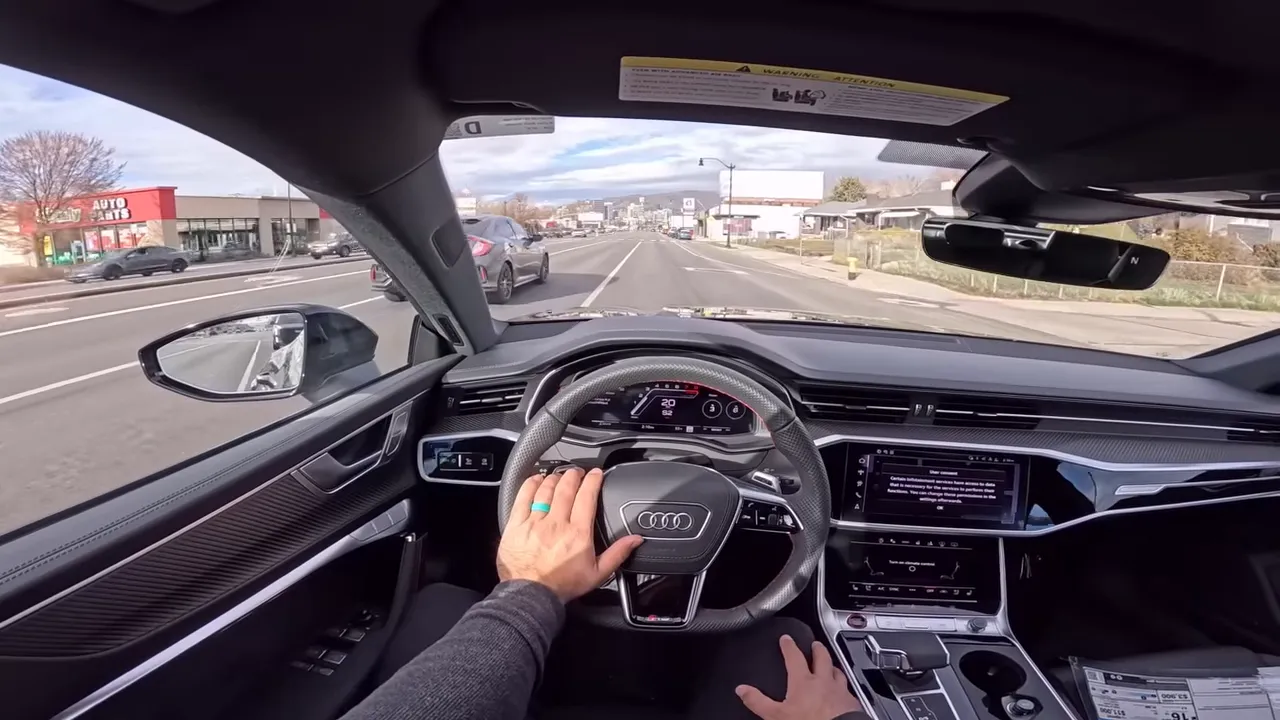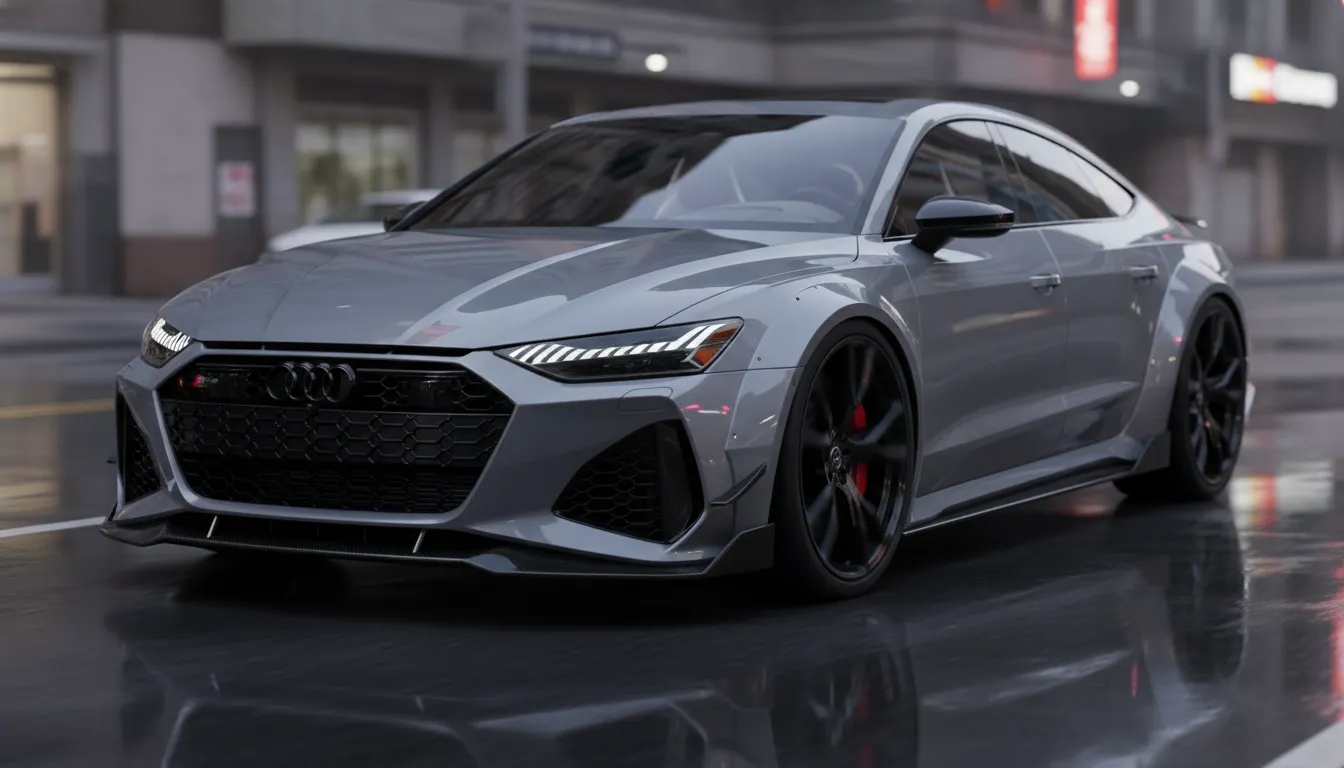
This is your last chance to get a V8 RS6 or RS7. Audi is moving on, and the 2026 RS7 Performance—one of the final true V8 Audis—feels like the end of an era. It’s muscular and refined at the same time: sharp bodywork, monstrous brakes, plush yet sporty interior, and an engine that still makes the hair on the back of your neck stand up. Below I break down what makes the RS7 Performance special, how it drives, and why the V8 debate matters for collectors and enthusiasts alike.
🚘 Exterior: Aggression, presence, and serious stopping power
The RS7’s styling is a statement. Audi leaned into contrast and sheer geometry—sharp hood lines, bold daytime running light design, and that blacked-out honeycomb grille with the RS badge all give the car a menacing presence. The sportback silhouette sets it apart from the RS6 wagon, but both share the same athletic intent.
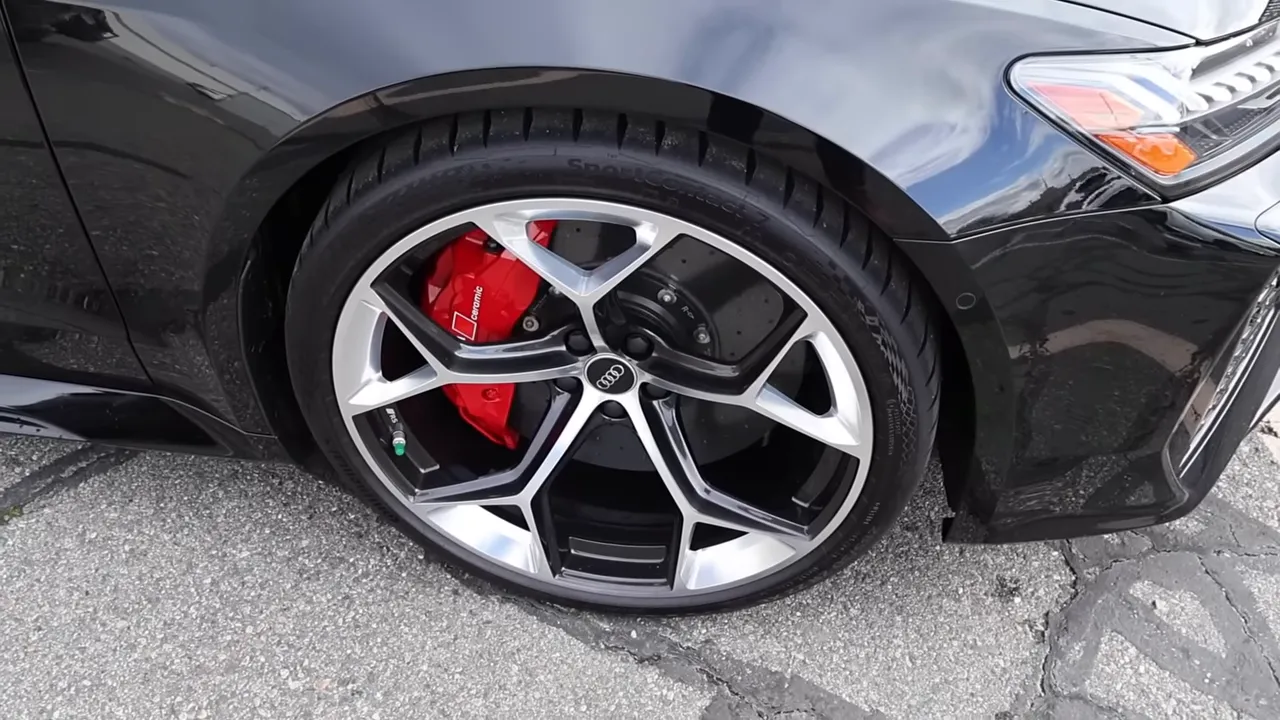
Key visual cues stand out on close inspection:
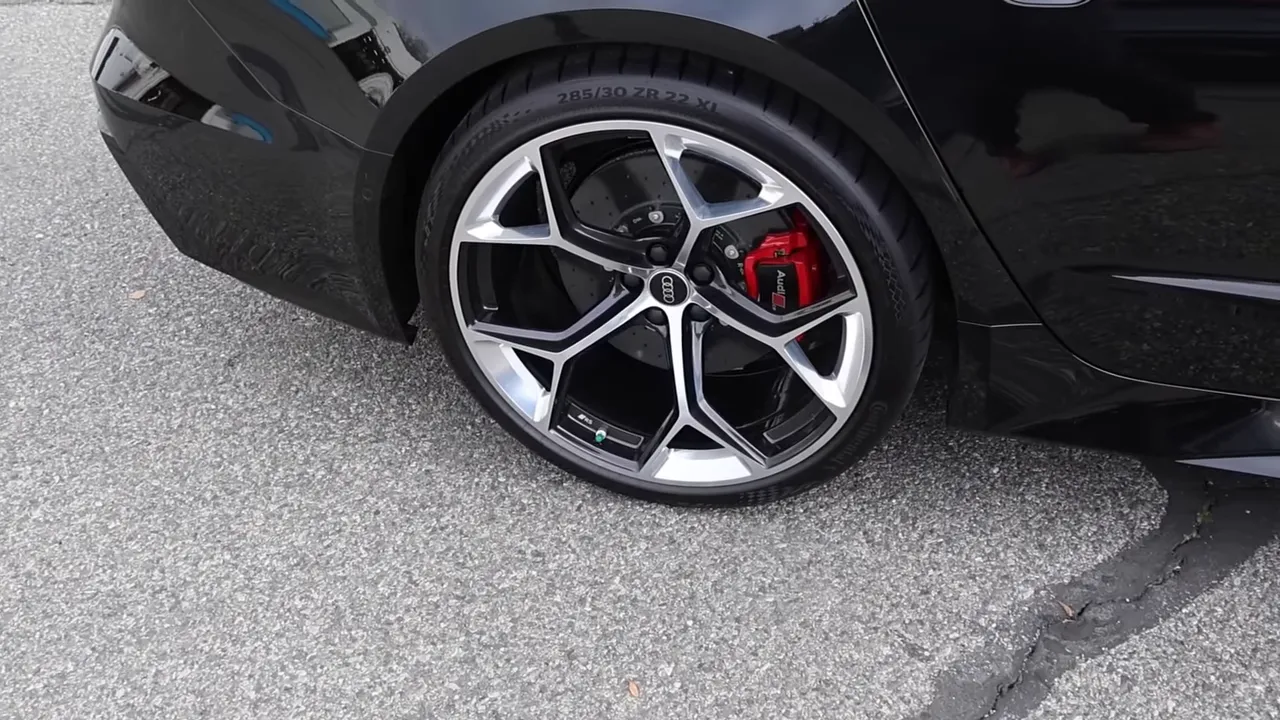
- Wheel and tire package: 285/30/22 rear tires (and matching fronts), a very low-profile setup that visually anchors the car and delivers serious grip.
- Ceramic brakes: Huge rotors and giant calipers—this is a car built to decelerate as hard as it accelerates.
- Sportback practicality: The hatch gives usable cargo space, although the sloping roofline does cost headroom in the back.
🪑 Interior: Sporty luxury with modern tech
Step inside and you get that familiar RS vibe: Alcantara surfaces, aggressive bolstering, red contrast stitching, and carbon fiber trim. The seats are firm enough to hold you in place during spirited driving yet comfortable for long trips.
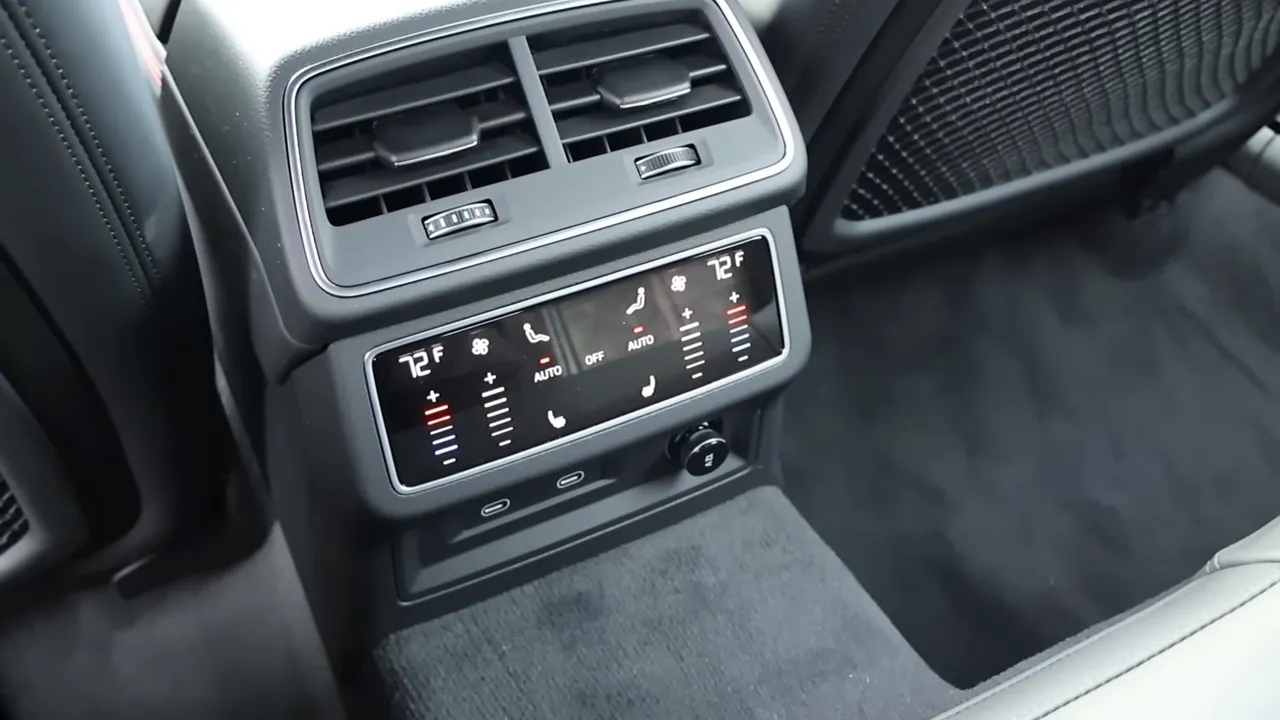
Highlights worth noting:
- Frameless double-paned windows that feel premium and help isolate noise.
- Rear comfort: Good legroom, rear vents, a separate climate zone for each side, heated seats, and USB and 12V outlets. The sloping roofline reduces headroom a bit, but the space is still practical for most adults.
- Driver controls: Perforated steering wheel with a physical RS button for custom drive settings, paddle shifters, and a mix of physical and touch controls. There’s a real emphasis on tactile interaction—volume still has a physical knob, which is surprisingly satisfying.
- Two-screen layout: A primary display and a secondary lower screen handle most vehicle functions. Everything responds quickly and cleanly; the setup is modern without feeling overloaded.
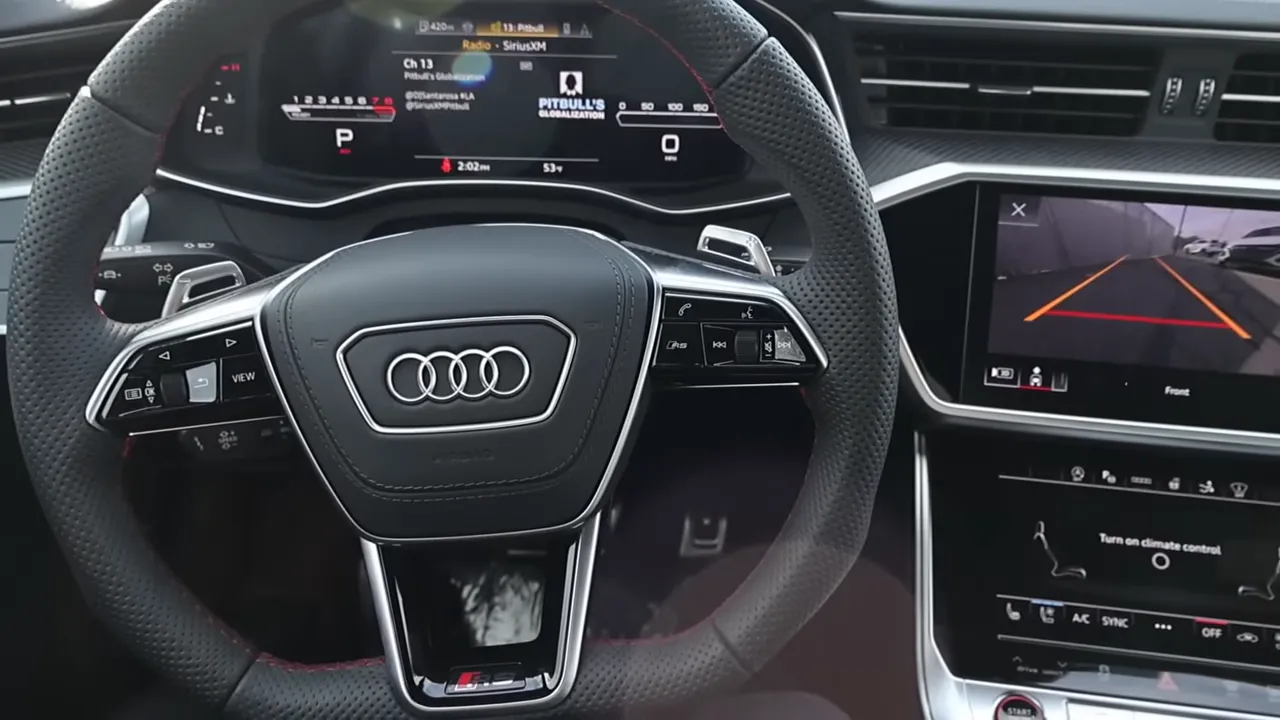
⚙️ Specs at a glance
- Engine: Twin-turbo 4.0-liter V8
- Transmission: 8-speed automatic
- Power: 621 horsepower
- Torque: 627 lb-ft
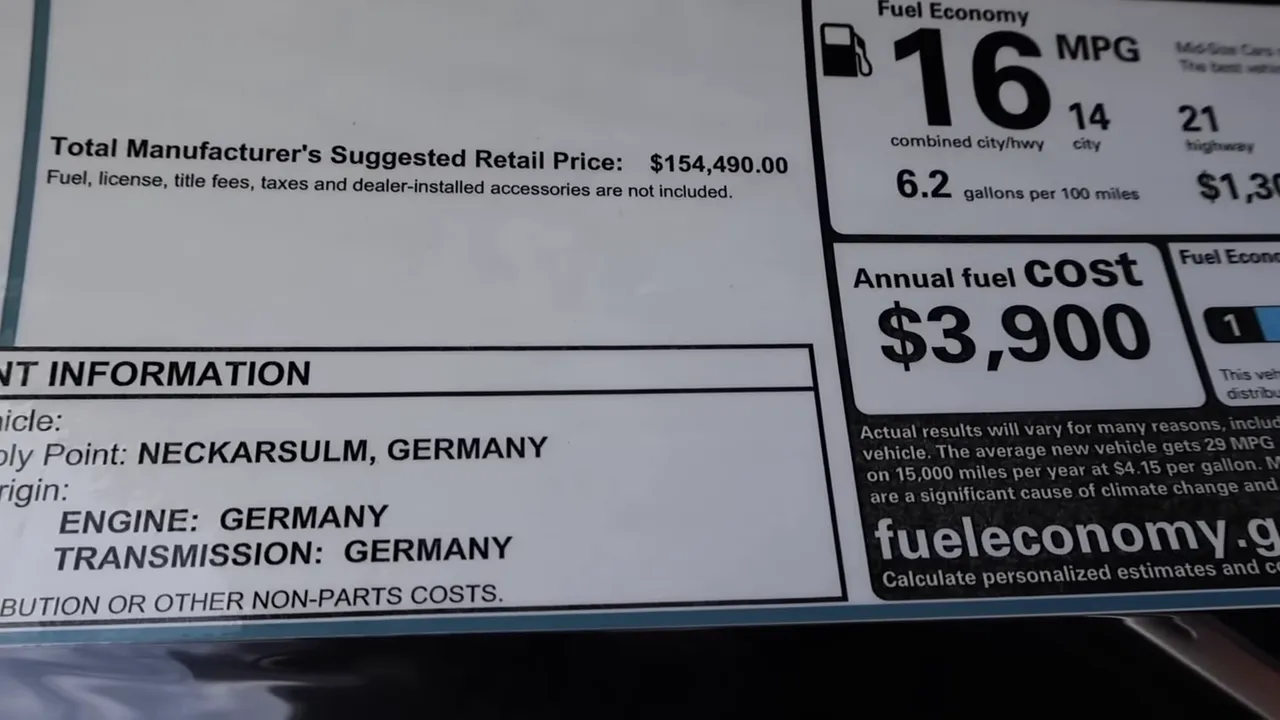
- Fuel economy: ~14 mpg city / ~21 mpg highway
- MSRP: Base for RS7 Performance around $132,700; this specific example totaled about $154,490
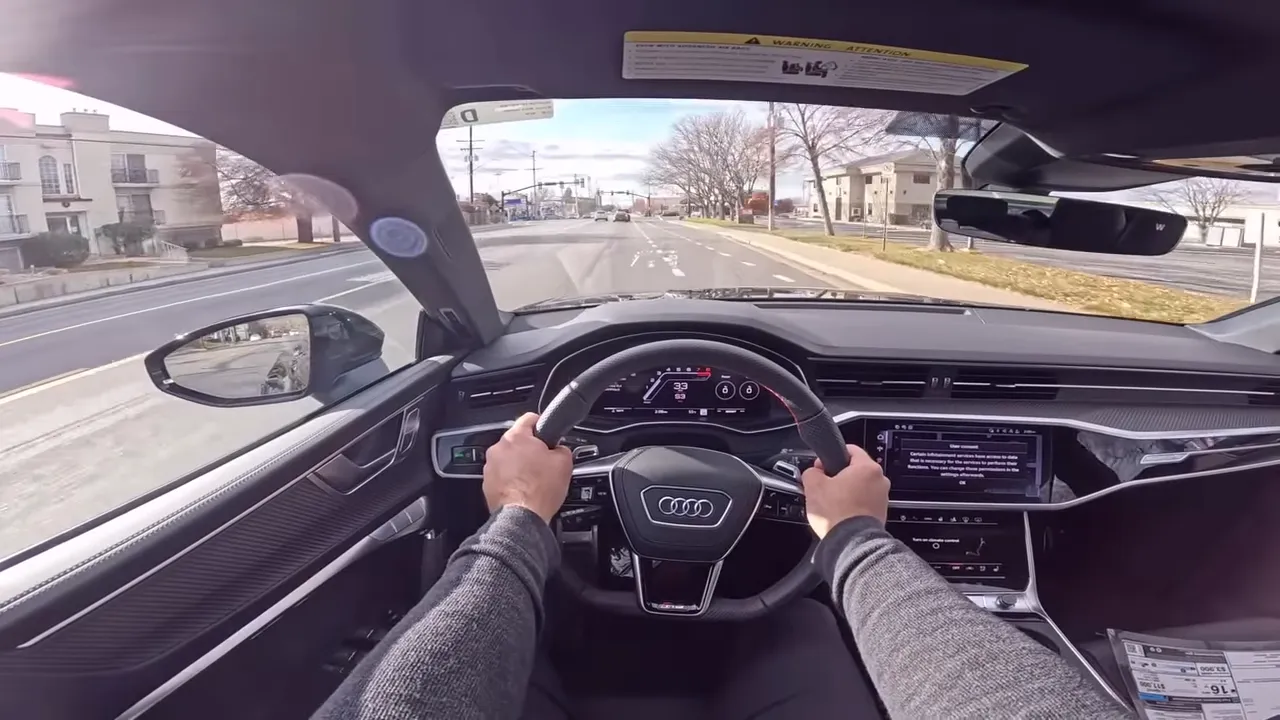
🚀 Driving impressions: Smooth, composed, unforgivingly quick
The V8 in the RS7 is one of those engines that feels mechanical and immediate while remaining civilized for daily driving. It’s not obnoxiously loud—Audi tuned the exhaust for a mature, full-bodied note that still communicates performance without shouting.
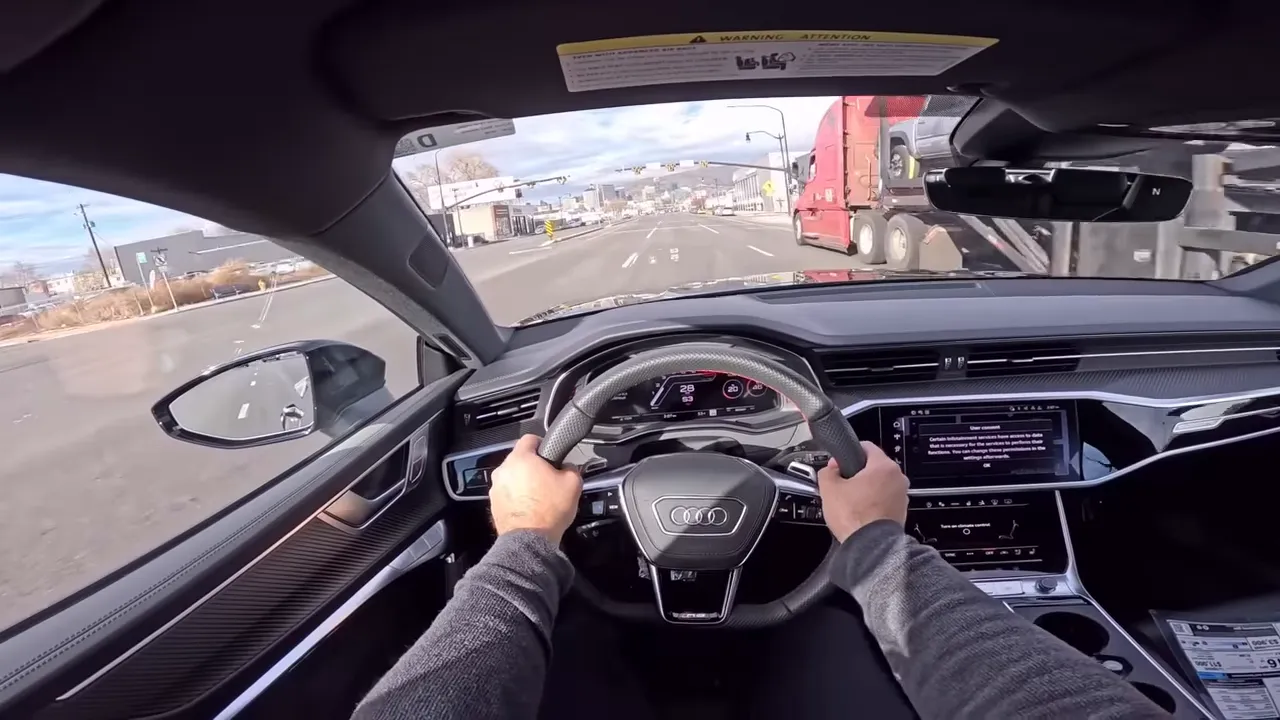
On the move the RS7 is surprising in how adaptable it is. The high-adjustable suspension is sharp and composed over imperfect pavement, smoothing things out while keeping body control tight. On rougher roads, it soaks up bumps without feeling floaty. It’s a rare combination of comfort and performance.
Acceleration is brutal in the best way—ton of torque, instant surge off the line, and a transmission that is both quick and smooth. There are moments where the power can be almost too much; the car reminds you that this is not a mild performance sedan but a bona fide rocket ship.
🔧 The V8 debate: Why the engine choice matters beyond horsepower
OEMs are shifting toward smaller-displacement engines, electrified powertrains, and hybrids. Those systems deliver incredible power figures and efficiency gains, but that change comes with trade-offs that go beyond numbers on a spec sheet.
People buy V8s for reasons that are emotional as much as functional. The V8 carries a particular aura: the sound, the character, the linear torque delivery, and the visceral connection between right foot and response. Even a 1,000-horsepower hybrid V6 can’t replicate the intangible presence that a V8 gives a car.
When manufacturers remove V8 options from important model lines, they risk alienating a segment of buyers who value that aura. History shows this can cost sales. A high-output hybrid might impress on paper, but some buyers walk away because the car no longer feels like the icon they expected.
💸 Will these V8 RS7s appreciate?
Collectibility boils down to supply, demand, and emotional value. The RS6 and RS7 V8 models are likely to become more desirable as more manufacturers phase out natural V8s. A modern high-performance car with a V8 and the right configuration—manual gearbox, unique color, low mileage—can command premium prices in the future.
That said, appreciation is not guaranteed. Condition, provenance, mileage, and how many examples were produced all matter. But if the V8 becomes rarer across the market, it is reasonable to expect that certain well-kept RS7s will trend upward in value.
🧭 Practical considerations: Who should buy one?
The RS7 is not a daily-driver compromise; it’s a high-performance grand tourer that can handle daily use with aplomb. Consider it if you want:
- A car that blends everyday comfort with track-capable performance
- The tactile feel of a traditional performance experience, including a distinct V8 soundtrack
- A stylish sportback that’s practical enough for luggage and weekend trips
- A potential future collectible that stands apart from electrified high-horsepower alternatives
Keep in mind fuel usage, insurance, maintenance, and the fact that certain aftermarket and enthusiast markets prize V8 cars and manuals—those trims and combos often outperform expectations at resale.
🔍 Quick list: What I loved and what to consider
- Loved: The V8 character and torque delivery, the composed adjustable suspension, the RS-specific interior and controls, and the overall balance between sport and luxury.
- Consider: Sloping roofline cuts rear headroom, big wheels and low-profile tires can transmit road harshness, and fuel economy is what you’d expect for a high-output V8.
📌 Final verdict
The RS7 Performance feels like a last hurrah for the V8 in Audi’s lineup: athletic, refined, and loud enough to remind you why the engine format became a legend. For buyers who prioritize driving feel and emotional connection, this is likely the last mainstream opportunity to own a current-generation Audi with a V8. If that matters to you, it’s worth serious consideration.