
🔎 Quick take
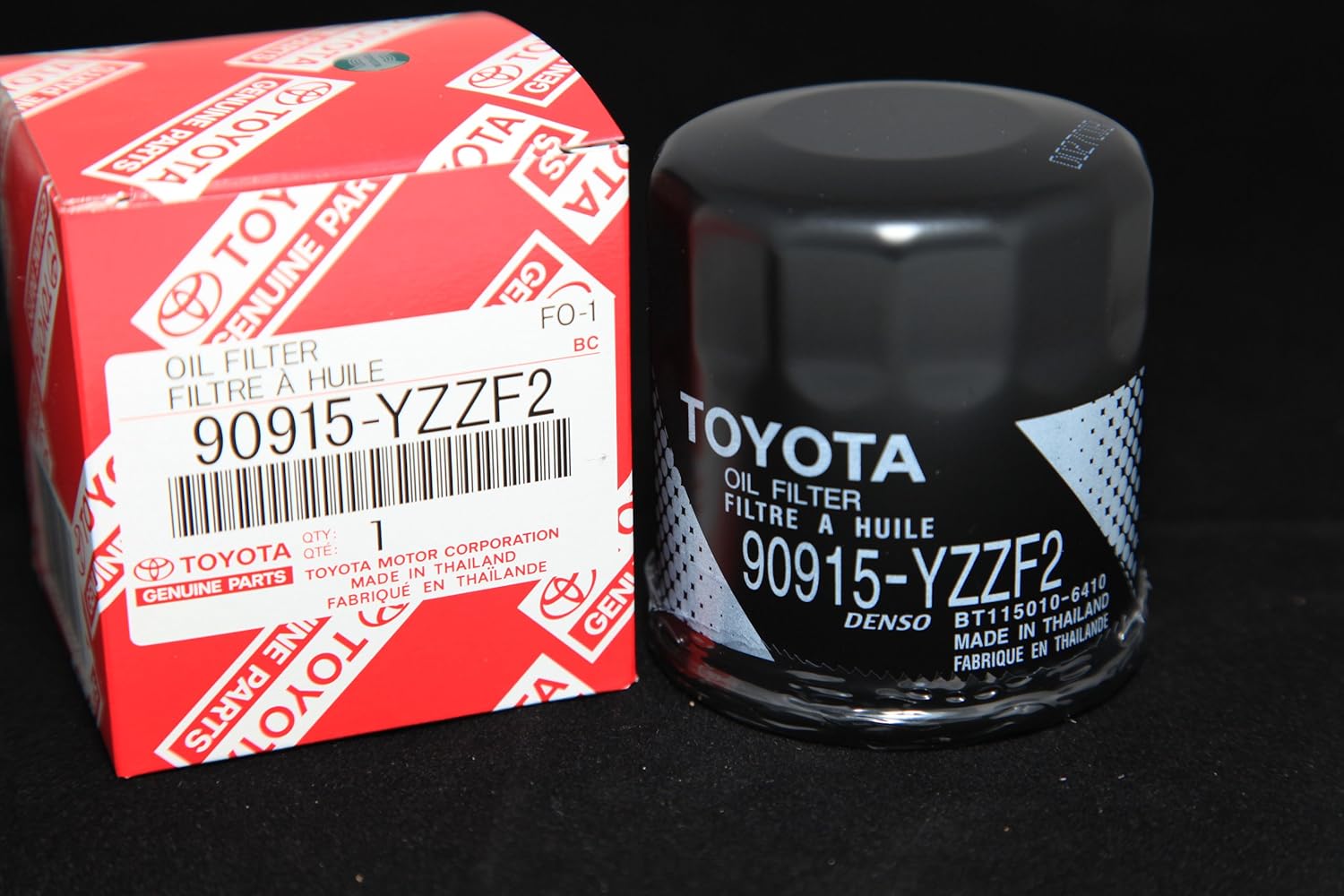
The Mazda CX-50 Hybrid, after roughly 25,000 miles in daily driving and road trips, is shaping up to be a reliable, comfortable, and efficient crossover. The car uses a Toyota-sourced hybrid powertrain, and at this mileage there are no mechanical issues to report. What stands out most are solid fuel economy numbers, predictable maintenance costs, and a cabin that holds up well to real-world use—dogs included.
🚗 What the numbers tell you
My brother’s CX-50 reports an overall average of 34.8 mpg from new, peaking above 35 mpg in summer conditions. That figure includes the break-in period and lower-efficiency winter driving when heating reduces fuel economy. The odometer sits just past 25,667 miles, so these numbers represent real-life mixed driving rather than ideal laboratory conditions.
Those results reflect a hybrid system tuned more for efficiency than outright performance. For a daily-driven crossover used on commutes and occasional long trips, that is precisely the point: good gas mileage without sacrificing comfort.
🛠 Maintenance and ownership costs
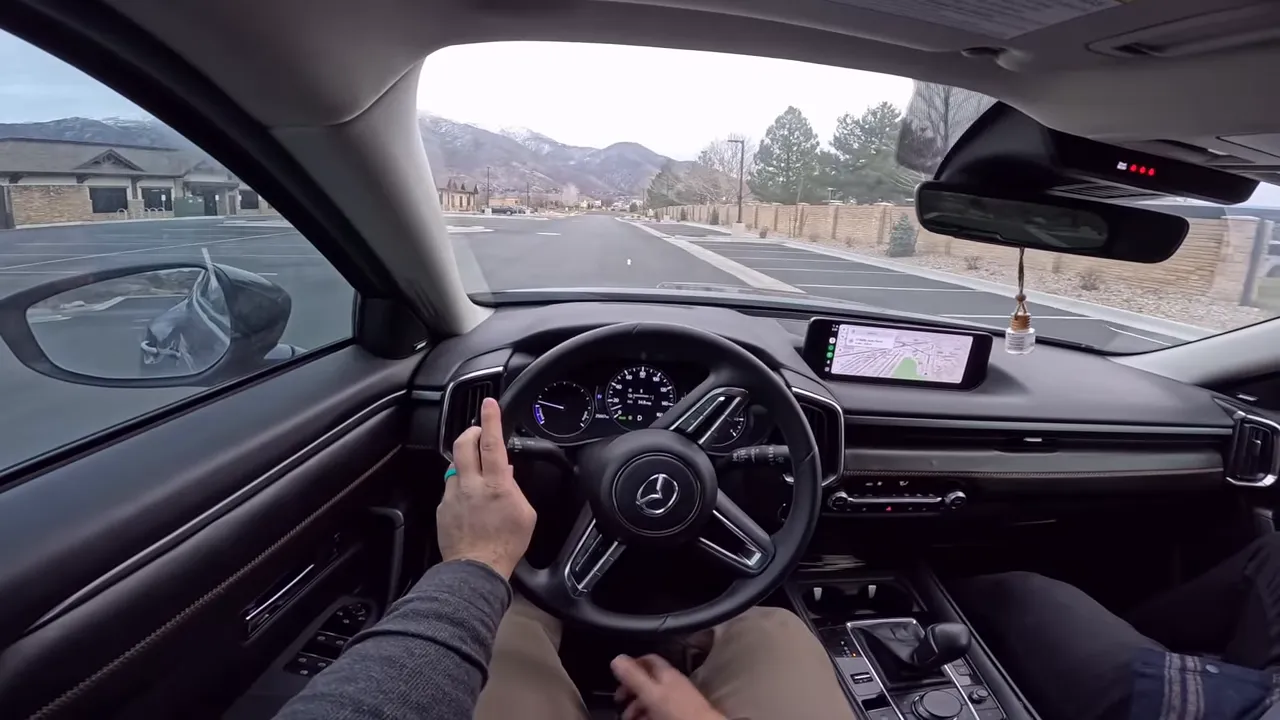
One pleasant takeaway is how little unexpected spending this CX-50 has required. The owner recently finished the manufacturer-covered service schedule that came with the vehicle purchase. The first out-of-pocket expense was a brake fluid change that cost just under $200. A tiny $2.50 data fee also appeared on the dealership bill and was the only other charge mentioned for routine servicing.
Two practical conclusions:
- Routine maintenance remains predictable and affordable. Regular service items like oil, filters, fluids, and brake checks are what you should expect over the first 25k miles.
- Watch out for small dealer fees. Modern service invoices sometimes include nominal extras. They add up, but they are not a deal breaker.
🛞 Tires and exterior durability
At 25k miles the tires still have a lot of usable life left—an estimated additional 20k–25k miles in this case. That suggests the CX-50’s suspension geometry and tyre wear patterns are reasonable for everyday use, provided the driver keeps up with rotations and alignments.

One exterior issue worth noting: a crack developed in the windshield, starting near the black ceramic frit at the edge. This location made the crack hard to notice from the cabin at first. Anecdotally, wider windshields—like the CX-50’s—seem more susceptible to these kinds of chips and cracks. Whether that is a design sensitivity or simply bad luck, it is something to watch for if you live in areas where road debris or sudden temperature swings are common.

🪑 Interior — how it ages with daily use
The cabin has held up well. The driver’s seat shows only minimal wear on the bolster, and the seats maintain firmness and support. That is notable: many cars with similar mileage can exhibit sagging or collapsed bolstering. This CX-50 still feels solid for daily driving and trips.
The steering wheel is the one interior item showing more noticeable wear. The lower portion has started to flake or rub away—the kind of cosmetic degradation you see over time on synthetic-leather wrapped wheels. This is common across many makes; synthetic materials can degrade faster than true leather under heavy use, hand oils, and temperature cycles.

Practical observation: the choice of materials matters for long-term cosmetic wear. If you want a showroom-new look for many years, prioritize genuine leather or durable factory options and protect surfaces with regular cleaning and conditioning.
🐶 Living with dogs: cleanliness and practicality
For anyone who regularly hauls pets, the CX-50 is practical. Dog hair and snoddy noses that rub on headrests are easily managed with a monthly wipe-down and vacuum. No stubborn stains or material damage were reported after 25k miles.
That makes the CX-50 a very usable crossover for active owners who need cargo versatility and a cabin that can be kept looking tidy with modest effort.
⚡ Power, performance, and driving feel
The hybrid system provides solid, efficient acceleration without the sports-car “oomph” of lighter, sportier models like the Mazda 3. Drivers coming from small, turbocharged cars may notice less instant thrust, but the CX-50 moves confidently when needed and rewards steady driving with very good gas mileage.
Below are the practical tradeoffs to expect:
- Efficiency over quickness: Hybrids are tuned to maximize MPG; passing and merging are competent but not explosive.
- Comfort-first tuning: The CX-50 favors a comfortable ride and insulated cabin rather than razor-sharp handling.
🧭 Driver assistance, cruise control, and real-world behavior
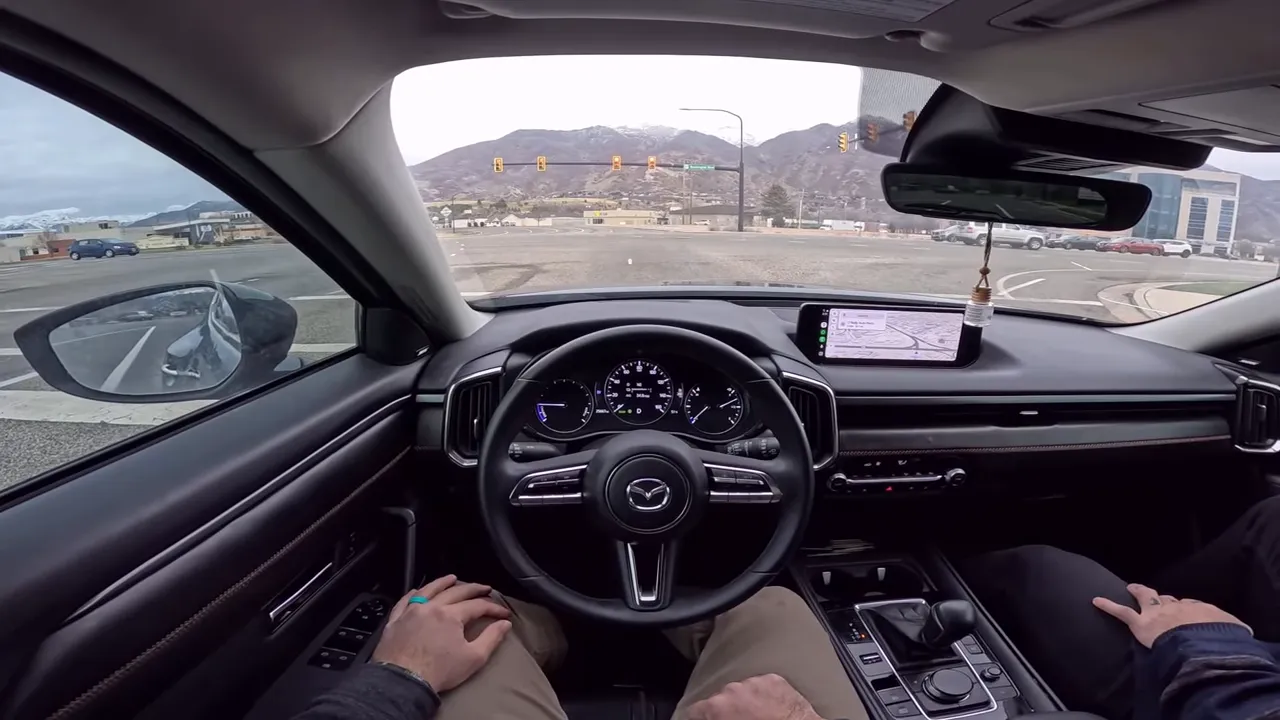
The CX-50’s adaptive cruise and lane-keeping features are camera-based. When visibility is clear, the systems perform well and make highway commutes easier. The owner uses cruise control daily on long commutes and appreciates the ability to set speed and following distance.
Limitations arise in poor weather or unusual lane markings. Fog, heavy rain, and snow can reduce camera effectiveness, disrupting lane detection. In construction zones the system can be overzealous—interpreting temporary lane lines or cones as the lane boundary and gently steering to keep the car centered. While this can feel like a system fight at times, it has not led to a need to disable the features entirely.
Takeaway: driver assistance systems add convenience but still require driver attention and occasional manual intervention.
🔊 Comfort and extras: Bose, space, and cargo
With the Premium Plus package and Bose sound system, the CX-50 offers a pleasantly refined cabin experience. The audio performs well for music lovers and helps the vehicle feel more upscale compared with some competitors.
Fold the rear seats and the CX-50 provides a useful, flat load floor for work deliveries, luggage, or larger cargo. With seats up it remains a comfortable family-hauler with room for dogs, kids, and weekend gear.
🔁 Would the owner buy it again?
Yes. The owner would choose the CX-50 again for its combination of fuel efficiency, comfort, cargo flexibility, and sound system. He values the Mazda interior materials and styling over comparable offerings, though he acknowledged Toyota alternatives—like the RAV4—would be acceptable due to their proven reliability.
There is curiosity about future Mazda models and powertrain strategy. This CX-50 is powered by a Toyota hybrid system, and Mazda’s future lineup may shift powertrain suppliers or architectures. For buyers considering long-term ownership, keeping an eye on whether Mazda continues to partner with Toyota could matter for future resale and service expectations.
🔮 Realistic long-term expectations
Given the Toyota hybrid underpinnings and conservative ownership, it is reasonable to expect well over 200,000 miles from this vehicle with proper maintenance. At the current mileage pace of ~25,000 miles per year, that threshold could be reached in under a decade.
Tips for maximizing long-term value:
- Keep up with scheduled maintenance and fluid changes.
- Protect high-contact surfaces like the steering wheel with covers or conditioning routines.
- Repair windshield chips early to avoid bigger cracks that require full replacement.
- Rotate tires and monitor alignment to avoid premature wear and uneven tread.
🧾 Practical ownership summary
- Reliability: No mechanical issues at 25k miles; Toyota hybrid powertrain performs reliably.
- Fuel economy: ~34.8 mpg average from new, peaking >35 mpg in summer.
- Maintenance cost: Minimal out-of-pocket so far; brake fluid change ~ $200 and a small data fee were the only service charges.
- Interior wear: Seats hold up well; steering wheel shows cosmetic wear from synthetic material.
- Practicality: Plenty of cargo room and pet-friendly surfaces; Bose audio adds a premium touch.
- Issues to watch: Wider windshield seems prone to edge cracks; camera-based safety features can be finicky in bad weather or construction zones.
“Everything that I needed to do as far as being gas efficient, being comfortable… I would definitely buy this car again.”
🎯 Final verdict
The Mazda CX-50 Hybrid makes sense for drivers who prioritize fuel economy, a comfortable cabin, and everyday practicality. It is not the sportiest option in the Mazda range, but it delivers in the areas that matter most for a long-term daily driver: dependability, reasonable upkeep costs, and a usable cargo area. Cosmetic issues like steering wheel wear and windshield chips are the primary complaints so far—not mechanical failures.
How many miles has the CX-50 been driven for this review?
What is the real-world fuel economy?
Has the car needed expensive repairs?
Are there any common wear issues to be aware of?
How does the camera-based cruise control perform?
Would the owner buy this car again?