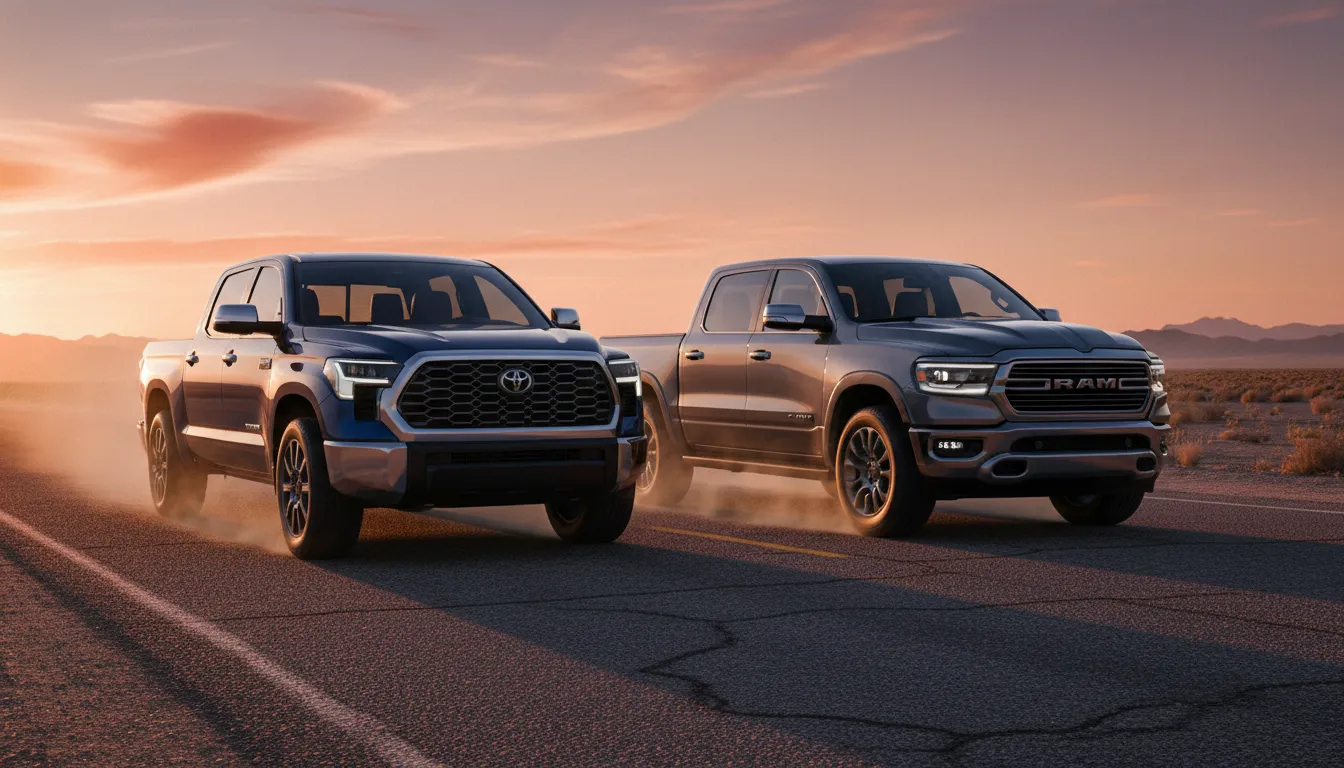
Choosing between the 2026 Toyota Tundra Limited and the 2026 Ram 1500 Laramie depends on how you use a half-ton pickup. The Tundra emphasizes strong torque, a durable composite bed, and practical utility. The Ram answers with a richer cabin, smoother road manners, and a refined standard-output Hurricane inline-six. The right choice also depends on the exact cab, bed, drivetrain, axle ratio, and options.
Quick Answer
Choose the 2026 Ram 1500 Laramie if ride comfort, cabin materials, storage, and daily-driving refinement matter most. Choose the 2026 Toyota Tundra Limited if you value strong torque, a standard composite bed, useful bed hardware, and a lower-priced example build. Compare matching configurations before deciding.
Key Takeaways
- The Ram 1500 Laramie has the stronger comfort and interior-luxury case in this comparison.
- The Tundra Limited counters with 479 lb-ft of torque and a standard aluminum-reinforced composite bed.
- Payload, towing, fuel economy, and price change substantially with drivetrain, cab, bed, axle ratio, and options.
- The example trucks do not represent every Limited or Laramie configuration, so use their window stickers for an apples-to-apples comparison.
- The widely reported Tundra engine-debris recalls cover certain earlier gas models, not every 2026 truck automatically.
2026 Tundra Limited vs. Ram 1500 Laramie at a Glance
The two trucks take different routes to modern half-ton capability. The 2026 Toyota Tundra Limited uses Toyota’s 3.4-liter i-FORCE twin-turbo V6 with a 10-speed automatic. The compared 2026 Ram 1500 Laramie uses the standard-output 3.0-liter Hurricane twin-turbo inline-six with an 8-speed automatic.
These are the most useful headline figures:
- Tundra Limited gas: 389 horsepower, 479 lb-ft of torque, and a 10-speed automatic transmission.
- Ram 1500 Laramie with standard-output Hurricane: 420 horsepower, 469 lb-ft of torque, and an 8-speed automatic transmission.
- Model-line maximums: Toyota lists up to 12,000 pounds of towing and 1,850 pounds of payload for the 2026 Tundra line. Ram lists up to 11,610 pounds of towing and 2,360 pounds of payload for the 2026 Ram 1500 line. These maximums do not apply to every Limited or Laramie.
- Pricing: Toyota lists a $54,860 base MSRP for the gas Tundra Limited before destination and options. The two trucks shown in the source comparison were equipped well above base level, so their roughly $63,000 to $64,000 and $71,000 stickers should be treated as example-build prices, not universal trim prices.
Note: A fair comparison requires the same cab style, bed length, drivetrain, axle ratio, wheel size, and similar option content. A loaded 4×4 Crew Cab can cost more, carry less payload, and use more fuel than a lighter 4×2 configuration of the same trim.
At a Glance
| Best for Ride Comfort | Ram 1500 Laramie |
| Best for Standard Bed Durability | Toyota Tundra Limited |
| Best for Interior Luxury | Ram 1500 Laramie |
| Higher Torque in Compared Engines | Toyota Tundra Limited |
| Final Buying Decision | Compare exact window stickers and payload labels |
Exterior Design and Everyday Practicality
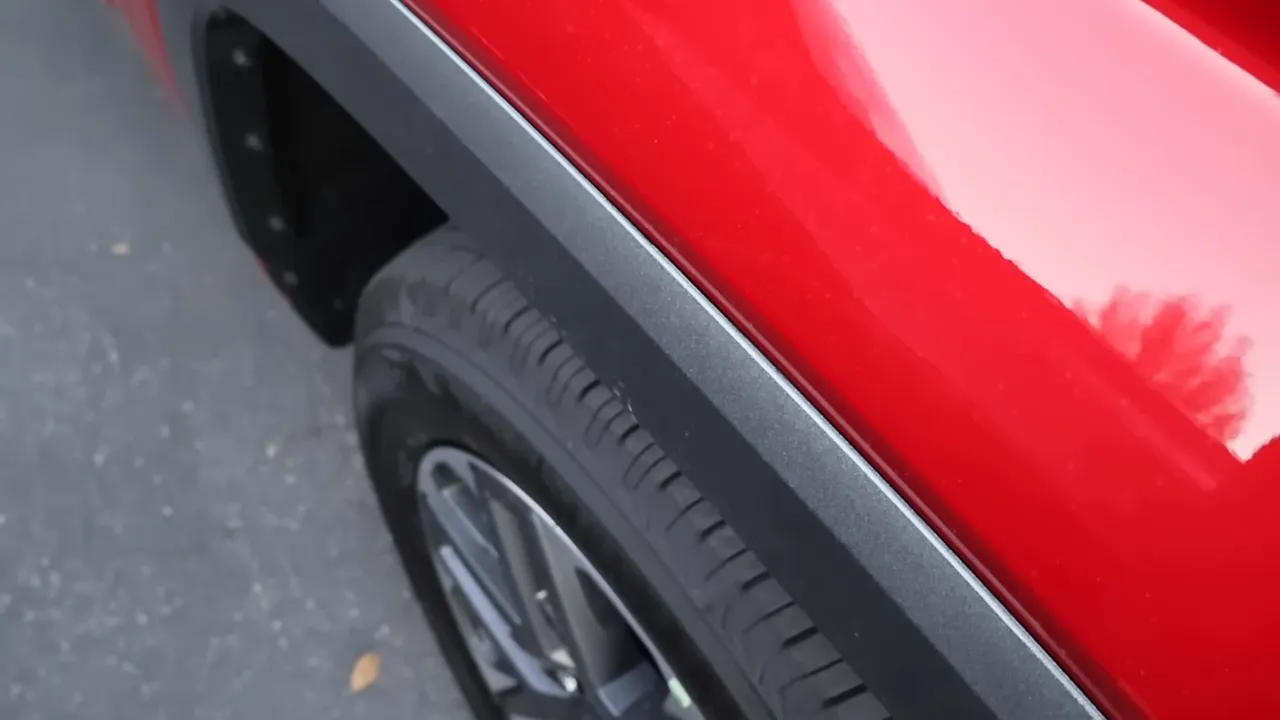
These trucks sit in different styling camps. The Tundra has a bold grille and contrasting trim that can look rugged without depending on an appearance package. The Ram shown uses a sport-oriented package with a darker grille, a vented hood, body-color fender flares, and a more aggressive stance. Those details are specific to the example builds and may not appear on every Limited or Laramie.
A few exterior details can affect both appearance and ownership:
- Wheels and tires: The example Tundra wears 265/60R20 tires, while the example Ram uses 275/55R20 tires. Replacement cost, ride quality, and sidewall height vary by wheel package.
- Trim cues: The Ram’s body-color treatment looks sportier. The Tundra’s contrasting fender trim creates a more rugged two-tone appearance.
- Recovery hardware: Do not assume tow hooks are standard from exterior photos. Confirm the factory equipment list if front recovery points matter to you.
- Overall size: Cab and bed choices affect wheelbase, turning space, garage fit, and parking ease more than trim badges do.
The exterior decision is mainly about taste and use. The Ram looks more dramatic in the shown sport configuration. The Tundra appears more utility-focused, although both trucks can change significantly with wheel, appearance, and off-road packages.
Bed and Tailgate: Standard Utility vs. Optional Flexibility
Small bed features matter when you load tools, camping gear, home-improvement supplies, or sports equipment. The Ram shown has a conventional pickup box without the available RamBox system. Ram also offers an available remote power tailgate and multifunction tailgate on compatible builds, so the exact equipment list matters.
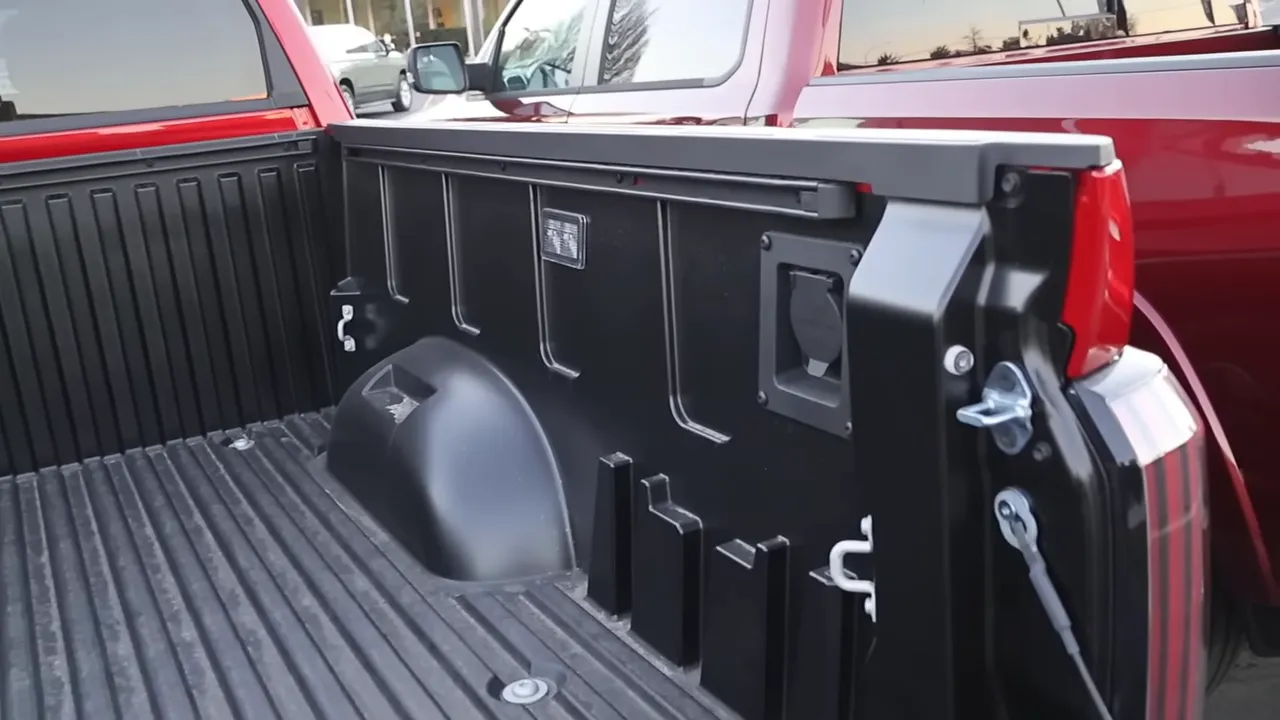
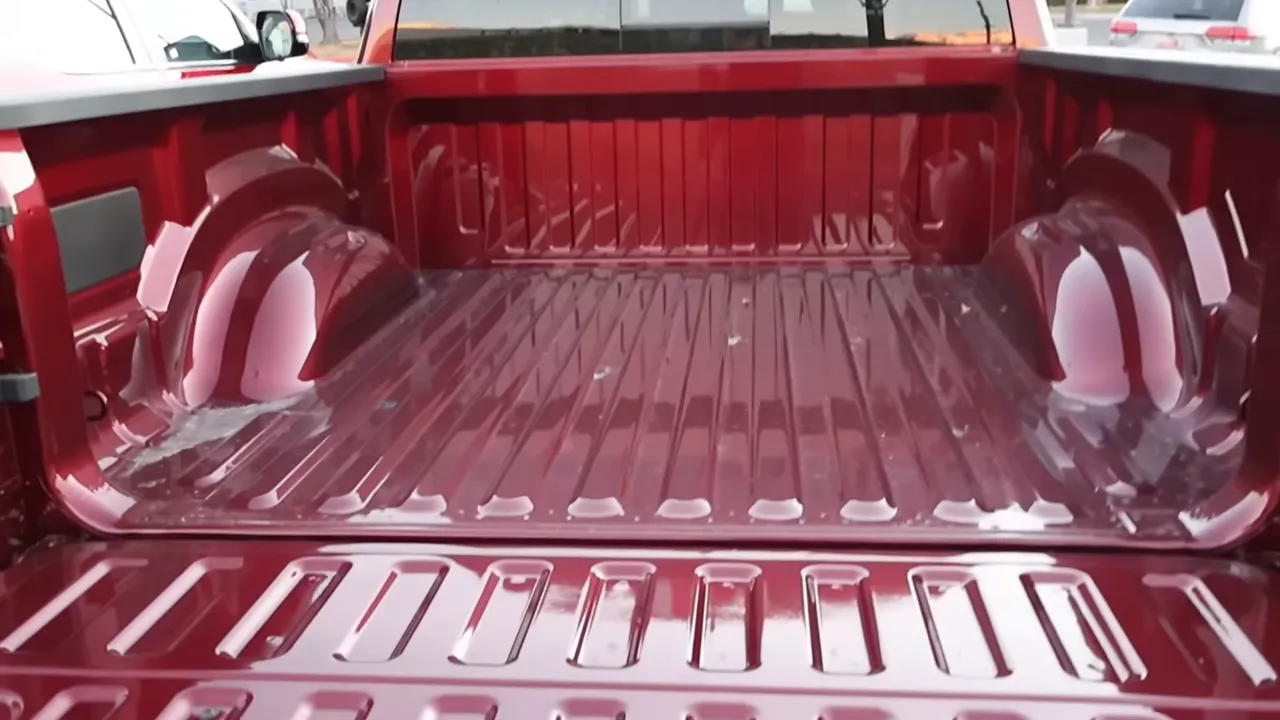
The Tundra has a standard aluminum-reinforced sheet-molded composite bed designed to resist normal dents, impacts, dings, and rust. Depending on the build, you can also get LED bed lighting, a 120-volt/400-watt outlet, a deck-rail system, and a power tailgate with knee-lift assist.
The Tundra therefore has the clearer standard bed-material advantage. The Ram can match or exceed some convenience features when equipped with options such as RamBox storage, a power tailgate, a spray-in liner, or a bed utility package. Compare what is installed rather than what is merely available.
Pro Tip: Check the exact truck’s yellow-and-white door-jamb payload label before adding passengers, cargo, accessories, or trailer tongue weight. Luxury packages, panoramic roofs, 4×4 hardware, and larger wheels can reduce usable payload.
Interior Quality, Technology, and Comfort
This is where the Ram begins to pull ahead. The Laramie cabin shown feels richer in material quality and presentation. It has a large portrait-oriented infotainment screen, a digital instrument display, soft-touch surfaces, and a center console with generous storage.

The Ram example also includes useful daily features:
- Large center-console storage with multiple bins, cupholders, and charging points.
- A panoramic sunroof that brightens the cabin but also adds cost and weight.
- Heated and ventilated front seats for year-round comfort.
- A 4 Auto setting and two-speed transfer case on the shown 4×4 configuration.
- A surround-view camera that can simplify parking and trailer alignment.

The Tundra Limited remains comfortable and practical. Toyota lists a 14-inch multimedia touchscreen and leather-trimmed eight-way power-adjustable front seats for the 2026 Limited. CrewMax models also have a power vertical rear window, a feature many truck owners value for ventilation and cabin access. The Tundra’s controls are straightforward, although the Ram example uses more soft-touch material and decorative trim.
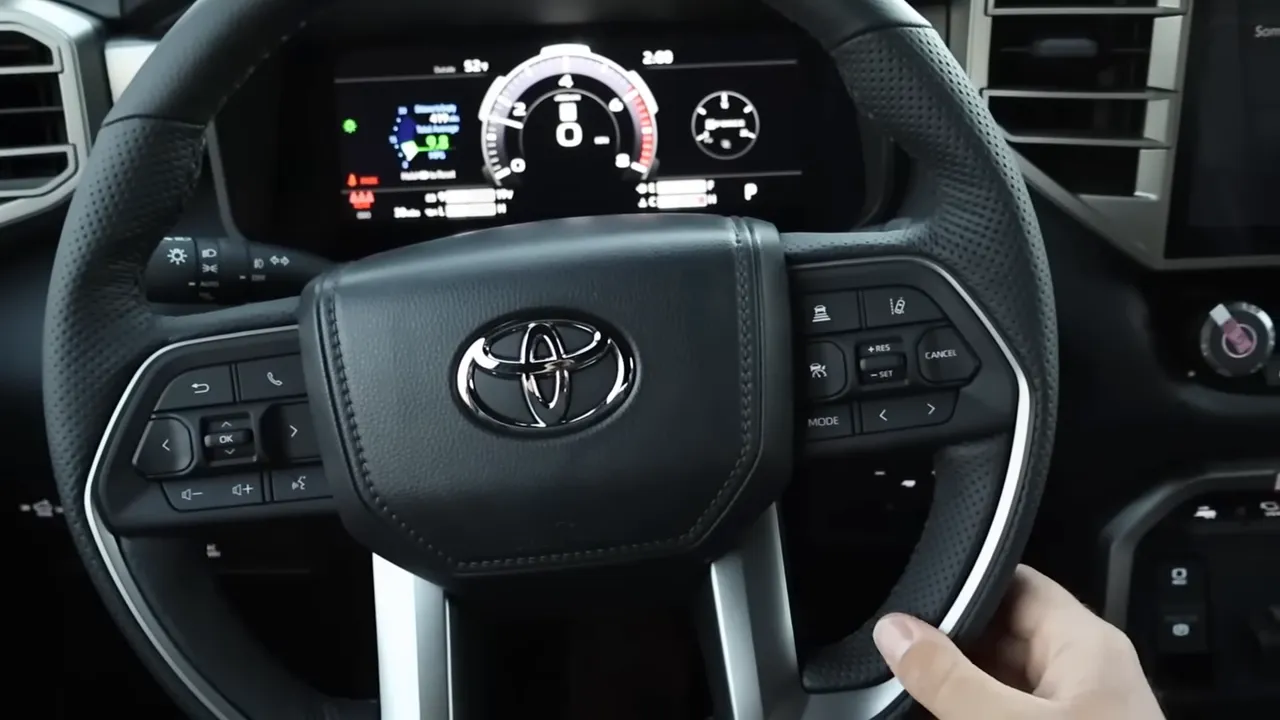
For commuting, family trips, and long highway drives, the Ram has the clearer luxury edge. The Tundra still feels roomy and well equipped, but its stronger case is durable utility rather than class-leading cabin richness.
Safety and Driver-Assistance Features
Both trucks offer modern driver-assistance technology, but standard and optional equipment varies. The 2026 Tundra includes Toyota Safety Sense 2.5 and offers features such as a Panoramic View Monitor and trailer-assistance technology on compatible builds. Ram advertises more than 100 standard and available safety and security features across the 2026 Ram 1500 line.
- Confirm adaptive cruise control, lane support, blind-spot monitoring, parking sensors, and surround-view cameras on the actual window sticker.
- Check whether blind-spot coverage extends to a connected trailer if you tow regularly.
- Test camera image quality in daylight and darkness because screen size alone does not determine usefulness.
No driver-assistance system replaces attentive driving, proper mirror setup, or safe trailer loading.
Driving Impressions: Engines, Transmissions, and Ride
The Tundra’s 3.4-liter twin-turbo V6 produces 389 horsepower and 479 lb-ft of torque. Its low-end response feels strong in normal traffic, and the 10-speed automatic gives the engine enough ratios to keep acceleration smooth without constant high revs.
The Ram’s standard-output Hurricane inline-six produces more horsepower at 420, while the Tundra holds a 10 lb-ft torque advantage. The Ram engine feels smooth and linear, and its 8-speed automatic suits relaxed daily driving and confident highway passing.
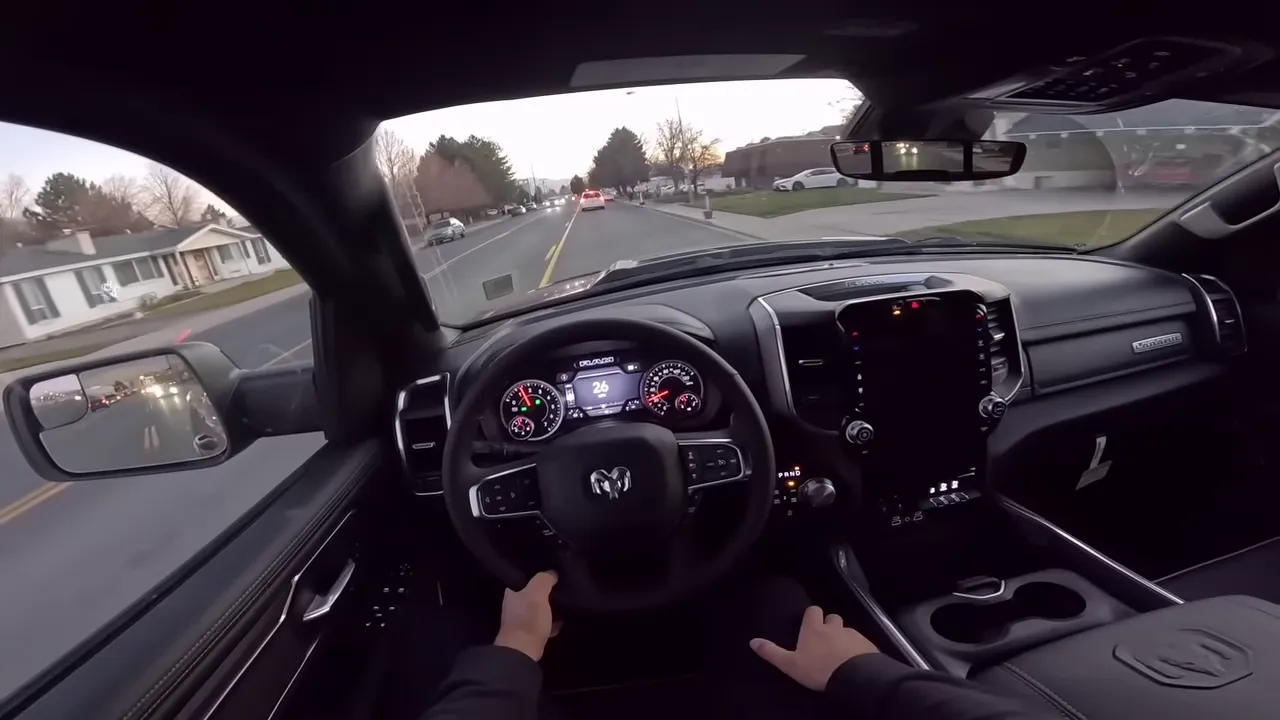
Both trucks use independent front suspension and a coil-sprung solid rear axle, but their tuning feels different. The Ram in this matchup absorbs medium-size bumps with better isolation and settles more calmly on the highway. The Tundra is not harsh, yet it communicates more road movement through the cabin.
The Ram feels like the more polished daily driver, while the Tundra combines strong torque with a more utility-focused bed and ownership approach.
Powertrain Choices Can Change the Result
This comparison focuses on the gas Tundra Limited and the Ram Laramie with the standard-output Hurricane. Buyers should know that both lineups offer other choices.
- Tundra Limited i-FORCE MAX: Toyota also offers a hybrid Limited with 437 horsepower and 583 lb-ft of torque. It costs more and changes fuel economy, payload, and driving feel.
- Ram HEMI V8: Ram brought the 5.7-liter HEMI V8 back on select 2026 Ram 1500 models. It produces 395 horsepower and 410 lb-ft of torque and changes the sound, response, price, and fuel-use equation.
- Do not compare engine badges alone: Axle ratio, curb weight, tire size, and drivetrain can matter as much as the peak power numbers.
Practical Numbers: Payload, Fuel Economy, and Price
Real buying decisions should use numbers from the exact vehicles, not model-line maximums or a different drivetrain:
- Fuel economy: Toyota’s national 2026 trim page lists an estimated 18 mpg city and 23 mpg highway for the gas Limited configuration shown there. Tundra 4×4 ratings and Ram ratings vary by configuration. Use the EPA label or FuelEconomy.gov for the exact drivetrain and model.
- Payload: The source examples were labeled around 1,390 pounds for the Tundra and 1,591 pounds for the Ram. Those are example-truck figures, not trim-wide guarantees.
- Price: The Tundra example was roughly $63,000 to $64,000, while the Ram example was around $71,000. Packages and dealer-installed equipment created much of that gap.
- Maximum capability: Toyota lists up to 12,000 pounds of towing and 1,850 pounds of payload across the Tundra line. Ram lists up to 11,610 pounds of towing and 2,360 pounds of payload across the Ram 1500 line.
Note: Published horsepower, fuel economy, payload, towing, and price figures can change with drivetrain, axle ratio, cab, bed, wheel size, package content, and dealer-installed equipment. Verify the Monroney label, door-jamb payload label, and owner’s manual before buying or towing.
Ownership Costs, Warranty, and Resale
Purchase price is only one part of ownership. Insurance, fuel, tires, maintenance, financing, repairs, and depreciation can change which truck costs less over five or ten years. Larger wheels and premium tires may raise replacement costs, while a panoramic roof, powered tailgate, air suspension, or advanced camera system can add convenience and long-term repair complexity.
The Tundra’s lower example sticker reduces financed cost, but the Ram may receive larger incentives in some markets. Incentives change by location and date, so compare written out-the-door offers on the same day. Also compare the exact factory warranty, roadside assistance, included maintenance, transferability, and any dealer-added service contract before signing.
Resale value depends on mileage, condition, service history, accident history, configuration, local demand, and unresolved recalls. Brand reputation matters, but it should not replace a VIN-specific history and inspection.
Reliability and Recall Context
The original draft connected recent Tundra engine recalls too broadly to the 2026 model year. The widely reported machining-debris campaigns involve certain earlier gas-powered Tundras, including affected 2022 through 2024 vehicles. That history is relevant to Toyota’s current twin-turbo V6 ownership discussion, but it does not mean every 2026 Tundra is recalled.
Recall coverage can change, and a model year alone is not enough to confirm eligibility. Check the specific VIN through the NHTSA recall database, Toyota’s recall lookup, or Mopar’s recall lookup before purchase. Complete any open safety recall through an authorized dealer.
Cab, Bed, and Drivetrain Fit
A trim comparison is incomplete until the body configurations match. The Tundra Limited can be configured with different cab, bed, and drivetrain combinations, while the Ram Laramie also varies by cab, box, and 4×2 or 4×4 hardware.
- For family use: Compare rear-seat legroom, child-seat access, step-in height, storage under the rear seat, and rear air vents.
- For garage parking: Measure total length, width with mirrors, roof clearance, and turning space.
- For bed use: Choose the box length around actual cargo, not appearance.
- For winter or loose surfaces: Compare the exact 4×4 system, tires, ground clearance, and recovery equipment.
Towing and Hauling: What to Check
Both trucks have enough power for many travel trailers, boats, and utility trailers when properly configured. The limiting factor is often payload rather than the advertised maximum tow rating. Passengers, bed cargo, accessories, the hitch, and trailer tongue weight all consume payload.
- For occasional towing: Either truck can work well when the trailer falls within the exact truck’s ratings.
- For heavier payload use: Compare door-jamb labels. The Ram example has about 200 pounds more labeled payload than the Tundra example.
- For bed convenience: The Tundra’s composite bed and available outlet, lighting, rails, and powered tailgate are useful.
- For hitching visibility: A surround-view camera and dedicated trailer views can reduce stress, but you still need a spotter in tight or obstructed areas.
- For long grades: Confirm cooling, axle ratio, brake controller, hitch rating, tire capacity, and weight-distributing-hitch requirements.
Warning: Never rely only on an advertised maximum tow rating. Check the exact truck’s payload, gross vehicle weight rating, gross combined weight rating, receiver rating, tire ratings, and trailer tongue weight. Exceeding any limit can reduce braking, stability, and control.
Where Each Truck Wins
Both trucks have clear strengths:
- Choose the Ram if you want the more refined ride, richer cabin materials, smooth inline-six power, generous interior storage, and a luxury-SUV-like daily experience.
- Choose the Tundra if you want strong low-end torque, a standard composite bed, useful available bed equipment, a power vertical rear window on CrewMax models, and a lower-priced example build.
Think about a normal week. If most trips involve commuting, family hauling, and highway travel, the Ram’s comfort advantages will matter often. If you regularly use the bed, prefer Toyota’s control layout, or find a better-equipped Tundra for less money, the Limited becomes the more practical choice.
Visual Highlights
The Ram’s sport package gives the example truck a darker, more aggressive face and body-color fender treatment. The Tundra’s composite bed, bed outlet, lighting, and power-assisted tailgate focus more directly on everyday utility.
Buying Advice and Negotiation Tips
Choose the truck around actual use rather than a single horsepower, price, or screen-size number. A daily driver with occasional towing benefits from comfort, cameras, and good seats. A work-and-weekend truck may benefit more from payload, bed length, tie-downs, outlets, and easier-to-clean materials.
Use these steps before you buy:
- Compare written out-the-door prices that include destination, dealer fees, taxes, accessories, incentives, and financing terms.
- Match configurations by cab, bed, drivetrain, engine, axle ratio, and major packages.
- Prioritize factory features that are difficult or costly to retrofit, including surround-view cameras, bed storage systems, powered tailgates, and integrated outlets.
- Drive both on the same route to compare seat comfort, steering, braking, cabin noise, visibility, transmission behavior, and ride quality.
- Inspect payload labels before negotiating if you tow or carry heavy cargo.
- Check VIN-specific recalls and ask the dealer to complete open campaigns before delivery.
- Compare financing separately because a lower payment can hide a longer term, higher rate, larger down payment, or weaker trade-in offer.
Final Verdict
The 2026 Ram 1500 Laramie is the stronger choice for buyers who put ride comfort, interior quality, storage, and daily refinement first. Its smooth standard-output Hurricane engine and well-isolated cabin make it feel closer to a premium SUV than a traditional work truck.
The 2026 Toyota Tundra Limited makes the stronger case for buyers who value torque, a durable standard composite bed, practical bed features, and a potentially lower purchase price. It is especially compelling when the exact Tundra has the payload, towing equipment, and options you need without unnecessary luxury add-ons.
Neither truck wins every category. Compare matching configurations, read both payload labels, check VIN-specific recalls, and test drive them back to back. For comfort, choose the Ram. For standard bed utility and a value-focused build, choose the Tundra.
Frequently Asked Questions
Which truck is more comfortable for long highway drives?
The Ram 1500 Laramie has the comfort edge in this comparison. Its suspension tuning, cabin isolation, seat feel, and interior materials create a calmer highway experience. The Tundra Limited remains comfortable, but it feels more utility-focused.
Which offers better fuel economy?
Fuel economy depends on engine, drivetrain, axle ratio, cab, wheels, and tires. Toyota lists an estimated 18 city and 23 highway mpg for the gas Limited configuration on its national trim page. Ram ratings vary by configuration, so compare the exact EPA labels rather than using one number for every Laramie.
Are 2026 Tundras affected by the engine-debris recall?
The widely reported engine-debris recalls involve certain earlier gas-powered Tundras, including affected 2022 through 2024 vehicles. That does not automatically place every 2026 Tundra under recall. Check the specific VIN with NHTSA and Toyota because recall coverage can change.
Which truck is a better value overall?
The Tundra example has the lower sticker price, while the Ram delivers a more premium cabin and smoother ride. Incentives, options, financing, resale, and insurance can reverse the value calculation. Compare final out-the-door prices for similarly equipped trucks.
Does the Ram offer better technology and convenience features?
The Ram example has the stronger cabin-technology presentation, with a large portrait screen, surround-view camera, generous console storage, and premium comfort features. The Tundra also offers a 14-inch screen, panoramic-view technology, trailer assistance, and practical bed-focused features. Exact equipment depends on packages.
Which truck is better for towing?
Both can tow confidently when properly equipped. The better truck is the one whose exact payload, gross combined weight rating, hitch rating, cooling equipment, axle ratio, and camera package fit your trailer. Payload often becomes the limit before the advertised maximum tow rating.
Which truck should I buy for daily driving?
For daily driving, the Ram 1500 Laramie is the stronger comfort choice. Choose the Tundra Limited when bed utility, strong torque, Toyota’s layout, or a better purchase deal matters more than maximum cabin refinement.
Do the maximum towing and payload numbers apply to every Limited and Laramie?
No. Manufacturer maximums usually apply to a specific configuration. Cab, bed, drivetrain, axle ratio, engine, wheels, passengers, and options can reduce the rating. Use the exact truck’s payload label, owner’s manual, towing guide, and window sticker.
Quick Checklist Before You Buy
- Match cab, bed, drivetrain, engine, axle ratio, and major packages.
- Confirm the final sale price after incentives, fees, accessories, and financing.
- Test drive both trucks on the same local and highway route.
- Check factory features that are difficult to add later.
- Read the door-jamb payload label and compare it with your towing or cargo needs.
- Verify the VIN for open recalls and completed campaigns.
- Compare warranty terms, maintenance coverage, insurance quotes, and tire costs.
- Measure garage, parking, and bed-space requirements before choosing a configuration.
Both trucks are strong modern half-ton pickups. The Ram wins on refinement, while the Tundra wins on standard composite-bed utility and can offer a lower-cost path when similarly equipped.
Sources
- Toyota 2026 Tundra official page — powertrain output, trim pricing, fuel-economy estimates, towing, payload, bed construction, technology, and utility features.
- Ram 2026 Ram 1500 official page — engine availability, standard-output Hurricane figures, safety-feature overview, and model information.
- Ram 1500 capability page — model-line towing and payload maximums, HEMI output, suspension options, and capability disclaimers.
- Ram 1500 design page — RamBox, remote power tailgate, lighting, and trim-specific design information.
- U.S. Department of Energy FuelEconomy.gov — configuration-specific EPA fuel-economy lookup.
- NHTSA recall database — VIN-specific safety-recall checks.