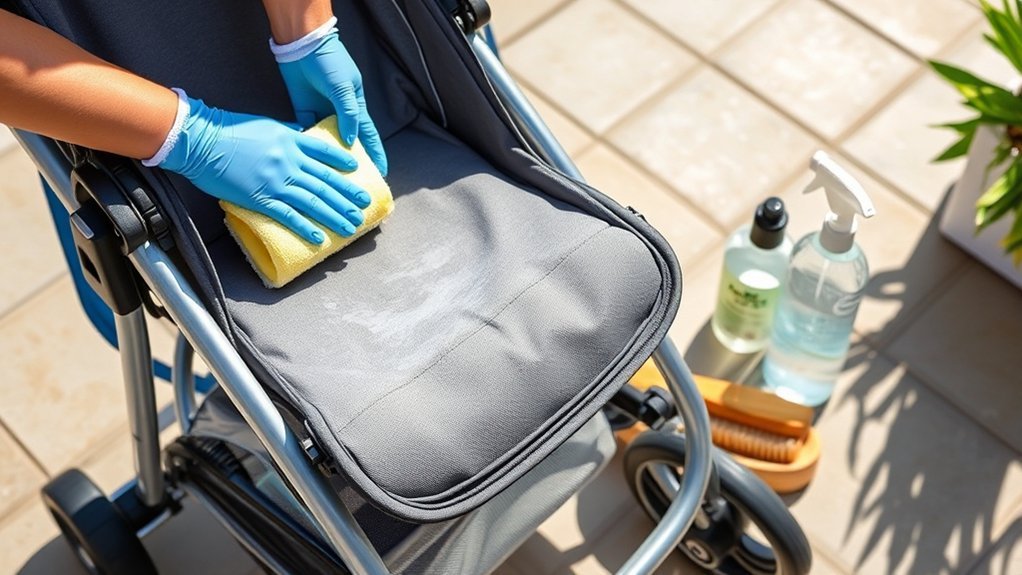
Understanding ASTM F833-21 means getting to know the safety standards for strollers that protect your child. These guidelines guarantee stability, secure brakes, and proper restraint systems, helping reduce risks for children under 36 months. Compliance with these standards is legally mandatory, which guarantees thorough testing. By choosing JPMA-certified strollers, you prioritize safety. Stay alert for recalls, as they highlight potential hazards. Want to know more about stroller safety practices and tips?
Understanding ASTM F833-21: An Overview
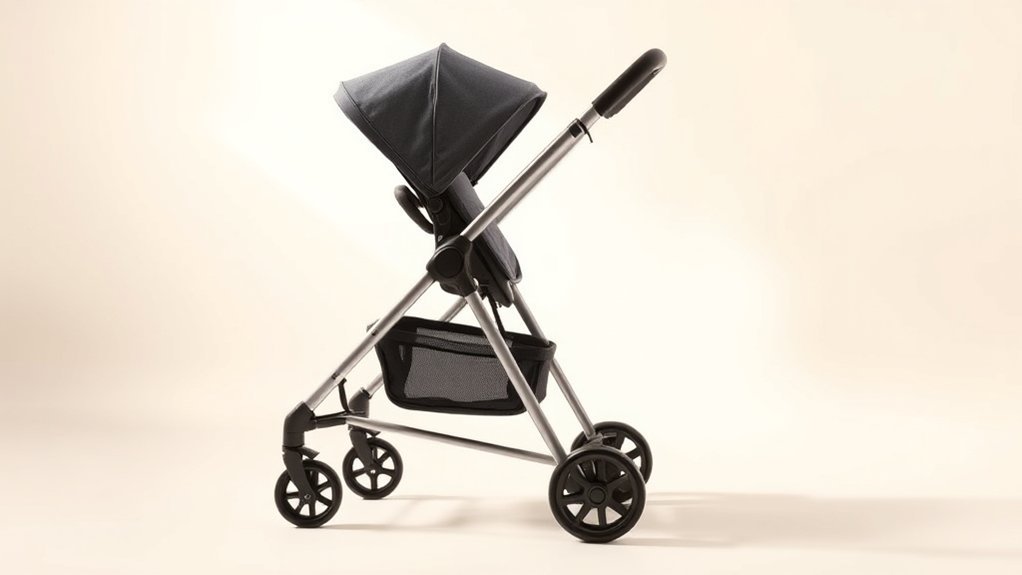
When it comes to stroller safety, understanding ASTM F833-21 is crucial for parents and caregivers. This standard outlines critical safety performance requirements for stroller design, focusing on stability, brakes, restraint systems, and clear labeling.
By adhering to these guidelines, manufacturers enhance safety innovations that reduce the risk of injuries and fatalities for children up to 36 months old. Compliance isn’t just a recommendation; it’s mandated by federal law under the Consumer Product Safety Improvement Act of 2008.
This guarantees that strollers undergo thorough testing by CPSC-accepted laboratories. Key provisions address hazards like tipping and entrapment, making modern strollers safer and more reliable for your little ones.
Embracing these standards empowers you to make informed choices for your family.
Importance of Safety Standards for Carriages and Strollers
Understanding the importance of safety standards for carriages and strollers is crucial for parents seeking to protect their children. Compliance with standards like ASTM F833-21 guarantees that stroller design incorporates essential safety innovations to minimize hazards. These regulations mandate rigorous testing, guaranteeing features like stability and secure restraints are effective in preventing accidents.
| Safety Feature | Importance |
|---|---|
| Stability | Prevents tip overs |
| Braking Systems | Guarantees reliable stopping |
| Secure Restraints | Keeps children safely secured |
| Regular Updates | Addresses emerging risks |
Certification from organizations like JPMA provides reassurance, letting you know that your chosen stroller meets stringent safety requirements. Prioritizing these standards safeguards your child’s well-being during every outing.
Key Injuries Associated With Carriages and Strollers

When using carriages and strollers, you need to be aware of common injuries that can occur, such as falls, tip-overs, and choking hazards.
Stability issues and faulty mechanisms often play significant roles in these incidents, highlighting the importance of proper safety measures.
Understanding these risks can help you make more informed choices and guarantee your child’s safety.
Common Injury Types
Each year, thousands of children experience injuries related to carriages and strollers, highlighting the importance of safety standards.
Understanding common injury types can greatly enhance injury prevention. Here are key injuries to watch for:
- Falls: Often due to stability issues or improper use.
- Tip-overs: These can occur if strollers aren’t properly secured.
- Collapses: Failures in folding mechanisms can lead to serious injuries.
- Choking Hazards: Small parts may become loose, posing risks.
Regular stroller maintenance, including checking brakes and restraint systems, is essential in preventing these injuries.
Adhering to the ASTM F833-21 standards can further guarantee the protection of your child while using carriages and strollers, helping you confidently embrace mobility.
Safety Hazards Identified
While using carriages and strollers can enhance mobility for parents and caregivers, it’s essential to be aware of the safety hazards that can lead to injuries.
Hazard identification is important, as injuries often stem from stability issues, brake failures, and restraint system inadequacies, resulting in falls and tip overs. Common injuries include choking from small parts and severe entrapment incidents in convertible models, which may even lead to fatalities.
The ASTM F833-21 standard addresses these risks through rigorous tests for structural integrity and braking systems. Regular risk assessments and inspections of folding mechanisms can prevent finger entrapment, a frequent cause of stroller injuries.
Adhering to safety standards and proper usage practices is necessary for everyone’s safety.
Compliance Requirements for Manufacturers
As a manufacturer, you must navigate the testing and certification process to guarantee your strollers meet ASTM F833-21 standards.
This involves obtaining a Children’s Product Certificate from a CPSC-accepted laboratory, confirming your compliance.
Additionally, proper labeling and registration are essential for transparency and consumer safety, so don’t overlook these requirements.
Testing and Certification Process
Manufacturers must adhere to strict compliance requirements to guarantee stroller safety, beginning with the ASTM F833-21 standards. This involves a rigorous testing and certification process that confirms every stroller meets safety benchmarks.
You’ll need to focus on the following areas:
- Structural integrity – Verify strollers withstand everyday use without compromising safety.
- Stability testing – Evaluate how the stroller performs on various surfaces and inclines.
- Safety mechanisms – Verify that brakes and restraint systems function correctly.
- Hazard assessments – Identify and minimize risks associated with folding mechanisms.
After passing the necessary testing methods at a CPSC-accepted lab, you’ll receive a Children’s Product Certificate.
Keep in mind that certification timelines vary and continuous inspection is vital for maintaining JPMA certification.
Labeling and Registration Requirements
After guaranteeing that strollers meet stringent safety standards through testing, manufacturers must also comply with specific labeling and registration requirements to maintain transparency and consumer safety.
The labeling significance lies in providing permanent markings, such as the model number, manufacturer’s name, and date of manufacture, which guarantee traceability. Additionally, labels must include warnings about potential hazards like falls and entrapments, informing consumers of associated risks.
Each stroller should come with a registration card, allowing consumers to register their product and receive recall notifications directly from the manufacturer. Compliance with these requirements, mandated by ASTM F833-21 and CPSIA, is vital to avoid penalties, recalls, and liability, underscoring the registration impact in promoting a safer stroller industry.
Testing Methods and Safety Performance Specifications
When it comes to stroller safety, understanding the testing methods and performance specifications outlined in the ASTM F833-21 standard is vital for guaranteeing child protection.
This standard includes rigorous assessments that focus on:
- Stroller stability on uneven surfaces to prevent tipping.
- Brake tests evaluating the reliability of locking mechanisms.
- Structural integrity tests to confirm durability under load.
- Labeling requirements that inform caregivers about hazards like falls and entrapments.
Compliance with these standards is significant for obtaining a Children’s Product Certificate, confirming that the stroller has been tested by an accredited third-party laboratory.
The Role of JPMA Certification
While steering through the vast array of stroller options, you’ll find that JPMA certification plays an essential role in ensuring safety and quality.
This certification indicates that a stroller has been rigorously tested to meet ASTM F833-21 standards and other guidelines, providing you with peace of mind. JPMA-certified strollers undergo annual retesting, guaranteeing ongoing compliance and minimizing risks like tipping or brake failures.
The JPMA benefits extend beyond safety; they foster consumer trust, making it easier for you to make informed purchasing decisions. By choosing JPMA-certified products, you’re not just selecting a stroller; you’re prioritizing your child’s safety and supporting manufacturers who adhere to high safety standards.
Embrace the assurance that comes with JPMA certification.
How to Properly Use Stroller Safety Features
To guarantee your child’s safety while using a stroller, it’s crucial to properly utilize its safety features. Here are key practices to follow:
- Harness Adjustment: Always use a five-point harness, ensuring it’s snug enough for only two fingers to fit between the strap and your child’s body.
- Brake Engagement: Engage and lock the stroller’s brakes on both back wheels before placing or removing your child to prevent rolling or tipping.
- Inspect Mechanisms: Regularly check folding mechanisms and latch systems to prevent finger entrapment or accidental collapse.
- Proper Storage: Avoid hanging heavy bags from the handlebars; store items in the under-seat basket for better balance.
Monitoring Recalls and Staying Informed
Keeping your child safe goes beyond using stroller safety features; it involves staying updated on recalls and safety alerts. The CPSC offers a searchable database for stroller recalls, allowing you to check for safety updates based on brand, model, or manufacture date.
Recent recalls have revealed serious issues, such as brake failures and choking hazards in stroller toys. By registering your stroller with the manufacturer, you’ll receive timely recall alerts, ensuring you’re always informed.
Regularly checking recall information is essential, especially for travel strollers, to prevent accidents. Even certified strollers may face recalls due to post-market defects, so ongoing vigilance is key to maintaining your child’s safety.
Stay informed, and empower yourself to protect your little one.
Frequently Asked Questions
What Specific Age Range Does ASTM F833-19 Cover for Stroller Safety?
ASTM F833-19 covers stroller safety for infants up to 50 pounds, typically from birth to four years old. It guarantees toddler strollers meet essential safety requirements, promoting infant safety during your daily adventures.
How Can I Verify if My Stroller Meets ASTM Standards?
To verify your stroller meets ASTM standards, check for safety certifications on the label. For instance, during stroller inspections, you might find a certification seal indicating compliance, ensuring your child’s safety while strolling confidently.
Are There Any Exceptions to the ASTM F833-19 Requirements?
Yes, there are exemption criteria within ASTM F833-19. Certain strollers, like those intended for specialized use, may not require full compliance. Always verify safety compliance to guarantee your stroller meets the necessary standards for child safety.
What Should I Do if My Stroller Is Recalled?
If your stroller’s recalled, don’t panic. Check the manufacturer’s website for recall details and procedures. Return or repair it promptly, ensuring your child’s safety. Stay informed with consumer safety tips for future purchases.
How Often Are Stroller Safety Standards Updated or Revised?
Stroller safety standards get updated every few years, reflecting safety innovations and advancements in stroller design. Staying informed guarantees you’re using the safest products for your child, empowering you to make confident parenting choices.
Conclusion
In summary, understanding stroller safety standards like ASTM F833-21 is essential for keeping your little one safe. These guidelines aren’t just rules; they’re your ultimate shield against potential hazards. By ensuring compliance and actively utilizing safety features, you can navigate your parenting journey with confidence. Stay informed about recalls and safety performance specifications because, in the world of strollers, your child’s safety is paramount—it’s like having a superhero by your side, ready to protect them at all costs.