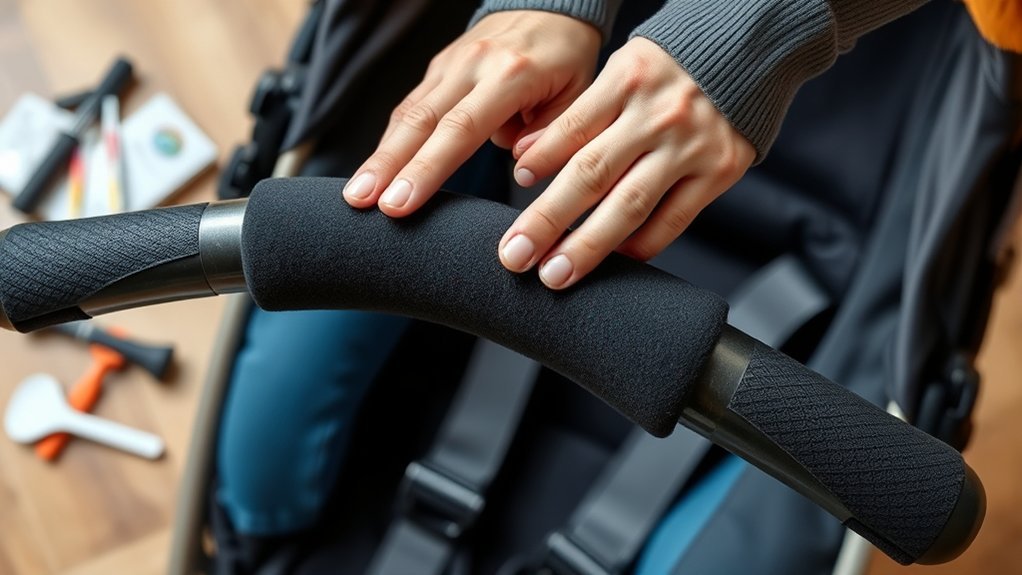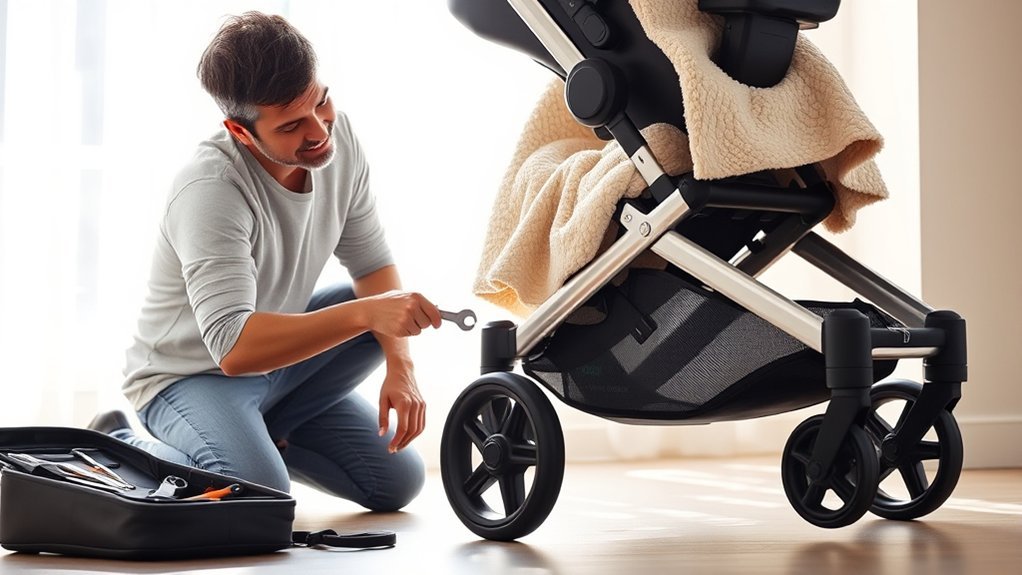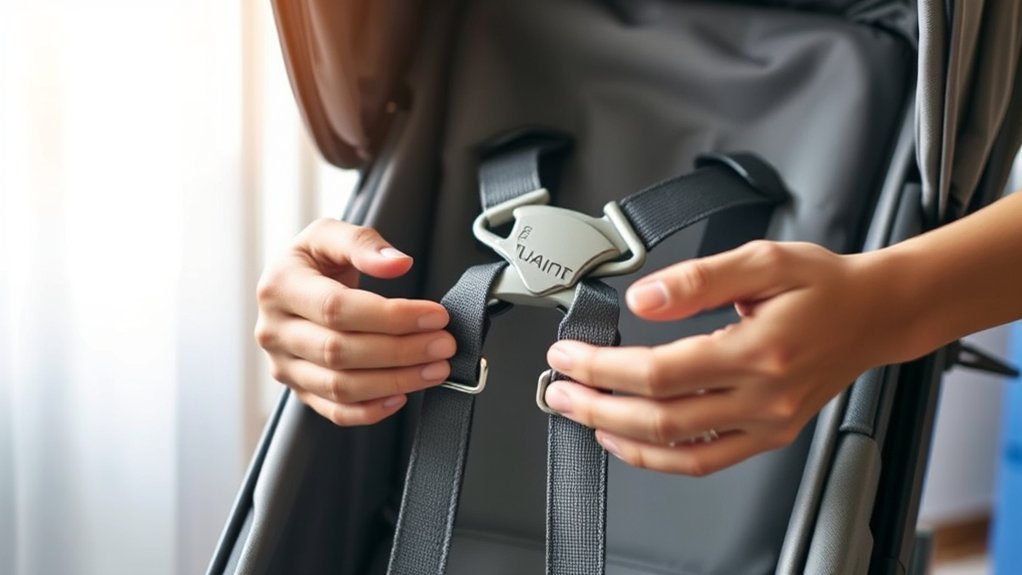
A stuck stroller harness can turn a simple outing into a stressful moment. Start with the buckle, since crumbs, grit, sand, and sticky residue often block the release button. This guide shows you how to inspect, clean, lubricate, and test the harness before you decide whether the stroller needs professional repair.
Quick Answer
If your stroller harness is stuck, check the buckle for debris first. Clean the buckle with a soft brush or compressed air, then use a small amount of silicone spray on the moving parts. Test the buckle several times before you use the stroller again. If the buckle has broken parts, rust, or ongoing resistance, stop using it and contact the stroller maker or a repair professional.
Key Takeaways
- Check the buckle for crumbs, dirt, fabric threads, or small stones before you force the harness.
- Clean the buckle gently with a soft brush, cloth, or compressed air.
- Use silicone spray sparingly, and keep oils or grease away from the harness fabric.
- Test the buckle several times before placing your child in the stroller.
- Stop using the stroller if the harness stays stuck, feels loose, or has broken parts.
Common Causes of a Stuck Stroller Harness
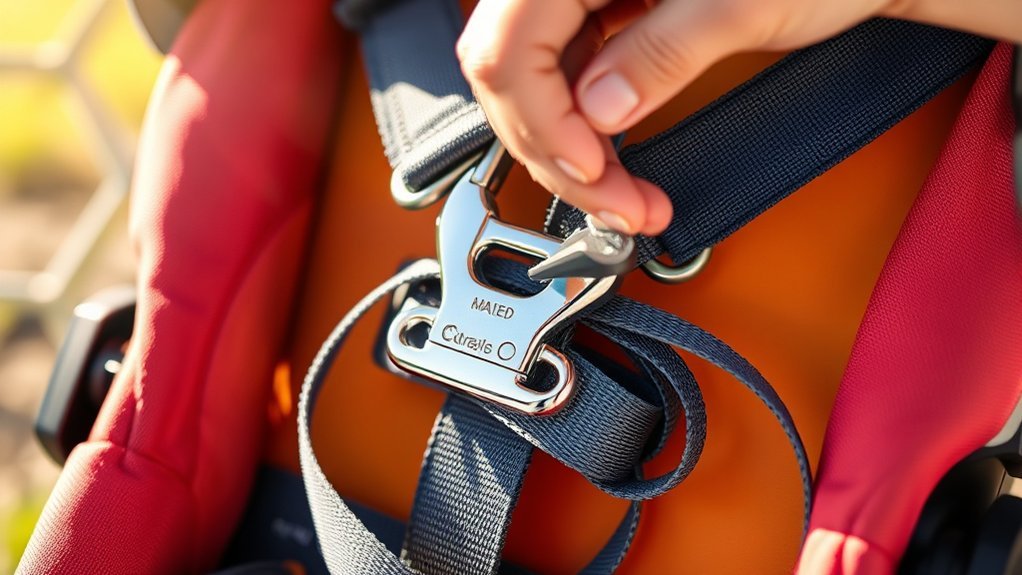
A stuck stroller harness often starts with the buckle. Crumbs, sand, sticky spills, or small bits of fabric can block the release button and stop it from moving.
Regular use can also wear down the buckle or make the straps stiff. If the straps twist, fold, or run through the wrong slot, they can pull against the buckle and make release harder.
Weather can make the problem worse. Moisture may leave residue inside the buckle, while dust can build up around the button and locking tabs.
To improve a stiff buckle, you can clean it first and then apply a small amount of silicone spray around the mechanism. Never force the buckle open, since that can break the latch or weaken the harness.
Inspect the Buckle for Debris and Obstructions

Before you add lubricant, inspect the buckle for anything that blocks movement. A careful buckle inspection can solve the issue without repair.
- Look for visible debris, such as crumbs, pebbles, dirt, or sticky residue.
- Press the release button gently and check whether it moves evenly.
- Use a soft brush or compressed air to clear small blockages.
- Wipe the buckle area with a clean, damp cloth if you see residue.
- Let the buckle dry fully before you test it again.
If the buckle still sticks, check the strap path next. Twisted or bunched straps can add pressure and make a clean buckle feel jammed.
Check the Harness Straps Before Lubricating
Look at the shoulder, waist, and crotch straps before you spray the buckle. Each strap should lie flat and pass through the correct slots.
Untwist any folded webbing and pull the strap adjusters back and forth. If the harness feels tight in one place and loose in another, the straps may need proper rethreading.
Note: Check your stroller manual before you remove or rethread any harness part.
Lubrication Techniques for Smooth Operation

After cleaning, use silicone spray only on the buckle mechanism. Silicone spray works better for plastic buckles than oil or grease, which can attract dirt.
Attach the straw to the spray nozzle so you can aim at the button area. Use a small amount, then press the button several times to move the lubricant into the inner parts.
Keep lubricant away from the harness straps and seat fabric. Too much spray can leave residue where your child sits or touches the stroller.
Warning: Do not use the stroller until the buckle locks, releases, and holds the harness correctly.
Testing the Buckle After Lubrication
Once you apply silicone spray, test the buckle before your child rides in the stroller. Use the same motion you use during a normal outing.
- Press the button: Push and release the button several times to spread the lubricant.
- Lock the buckle: Snap each buckle tongue into place and listen for a firm click.
- Release the buckle: Press the button and check that each side comes out smoothly.
- Repeat the test: Lock and release the buckle several times to confirm it works consistently.
If the buckle still feels stiff, clean it again and check for hidden debris. If resistance continues, stop using the stroller until you can replace or repair the harness.
Cleaning the Buckle Mechanism
Clean the buckle mechanism whenever you notice grit, stickiness, or uneven button movement. Start with the outside before you try to reach inner parts.
Use a soft brush, dry cloth, or compressed air to remove loose dirt. For sticky residue, use a lightly damp cloth and avoid soaking the buckle.
Some buckles allow deeper cleaning, but others do not come apart safely. Check the stroller manual or contact the manufacturer before you remove any button or latch part.
After cleaning, let the buckle dry fully. Then test the buckle to make sure it snaps in, holds firmly, and releases without force.
When to Seek Professional Help
Some harness problems need more than cleaning and lubrication. Your child’s safety depends on a buckle that locks and releases the right way every time.
Contact the stroller manufacturer, a repair service, or the retailer if you notice any of these issues:
- The buckle has cracked, broken, missing, or loose parts.
- The harness stays stuck after cleaning and careful lubrication.
- The buckle shows rust, corrosion, or damage from moisture.
- The straps have frayed edges, tears, cuts, or weak stitching.
- The stroller remains under warranty and may qualify for support or replacement parts.
Do not force a jammed buckle. Forcing it can damage the latch and make the harness less reliable.
Tips for Preventing Future Issues
Small habits can help you avoid another stuck harness. Focus on cleaning, dry storage, and quick checks before each ride.
Regular Cleaning Schedule
Clean the stroller harness every few weeks, or sooner if your child eats in the stroller. Food crumbs and sticky spills often settle near the buckle.
- Wipe the buckle and strap areas with a damp cloth.
- Brush away crumbs, lint, and grit around the release button.
- Check the strap slots for twisted or bunched webbing.
- Store the stroller in a clean, dry place when you can.
A quick cleaning routine helps the buckle move freely and keeps the harness more comfortable for your child.
Lubrication Maintenance Tips
Use lubricant only when the buckle feels stiff after cleaning. Too much lubricant can trap dust and create more buildup.
| Step | Action | Lubricant Type |
|---|---|---|
| 1. Apply lubricant | Use silicone spray around the buckle | Silicone spray |
| 2. Use straw attachment | Apply with precision to the button area | N/A |
| 3. Test functionality | Press the button multiple times | N/A |
| 4. Inspect periodically | Check for debris or obstructions | N/A |
| 5. Repeat if needed | Lubricate again if resistance persists | Silicone spray |
After each application, wipe away extra spray from the outside of the buckle. This helps keep the harness clean and easy to handle.
Frequently Asked Questions
Can I Use Any Lubricant for the Stroller Harness?
No, you should not use just any lubricant on the stroller harness. Use a silicone-based spray on the buckle mechanism, and avoid oil or grease because those can attract dirt and residue.
How Often Should I Clean the Stroller Harness?
Clean the stroller harness every few weeks during regular use. Clean it sooner after food spills, beach trips, muddy walks, or any outing that leaves grit near the buckle.
Is It Safe to Use My Stroller With a Stuck Harness?
No, you should not use a stroller with a stuck harness. Fix the buckle first, then test it several times to make sure it locks and releases correctly.
What if the Harness Is Stuck After Cleaning?
If the harness stays stuck after cleaning, check for twisted straps, hidden debris, or moisture inside the buckle. If careful lubrication does not help, stop using the stroller and contact the manufacturer or a repair professional.
Where Can I Find Replacement Parts for My Stroller Harness?
Start with your stroller manufacturer’s website or customer service team. Use your stroller model name and serial number so they can help you find the correct harness, buckle, or strap part.
Safety Disclaimer: This article is for informational purposes only and does not replace your stroller manual or professional repair advice. Always follow the manufacturer’s instructions, and stop using the stroller if the harness does not secure your child safely.
Conclusion
A stuck stroller harness usually comes from debris, sticky residue, twisted straps, or a worn buckle. Start with a careful inspection, clean the buckle, apply silicone spray only if needed, and test the latch before each ride.
If the buckle still resists, feels weak, or shows damage, do not take chances. Contact the stroller maker or a repair professional so your next outing starts with a secure harness and peace of mind.